
 Cart is empty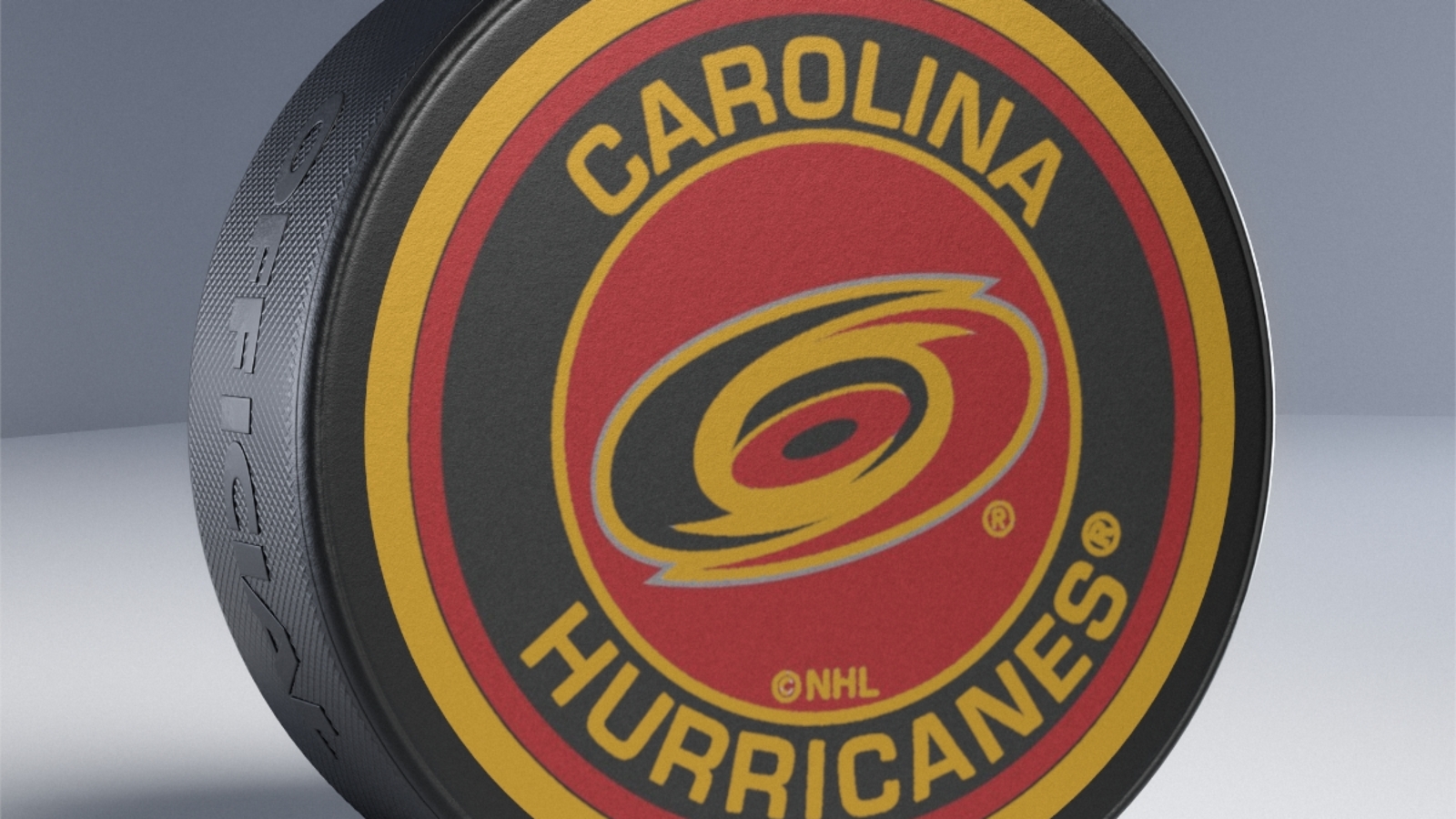
As the intensity of the Stanley Cup Playoffs reaches its annual peak, the convergence of elite hockey performance and premium fan identity has never been more pronounced. This is where Pro Merch decisively separates itself—bridging the on-ice drama of the NHL postseason with a fully realized, officially licensed product ecosystem that allows fans to align themselves with every shift, every series, and every defining moment. The current playoff landscape is not just a tournament; it is a layered narrative of emerging contenders, legacy franchises recalibrating their identities, and high-performance rosters engineered for endurance. Pro Merch’s NHL collection reflects that complexity, offering a comprehensive catalog that mirrors the depth, tradition, and forward momentum of the league itself. Explore the full collection through the NHL shop at Pro Merch NHL and experience how modern fan engagement is being redefined.

The Eastern Conference opens with one of the most compelling contrasts in roster construction and identity: the Buffalo Sabres versus the Boston Bruins. Buffalo enters with statistical authority and structural balance, driven by a top-tier offensive system and a defensive core that has matured into one of the league’s most reliable units. Tage Thompson’s elite scoring output anchors a lineup that spreads production across multiple lines, while Rasmus Dahlin continues to evolve into one of the most dynamic two-way defensemen in hockey. The Sabres’ ability to deploy layered offensive pressure creates matchup challenges that few teams can sustain over a seven-game series. Boston, by contrast, operates with a more traditional blueprint—structured, physical, and situationally disciplined. David Pastrnak remains the offensive catalyst, supported by a forward group that prioritizes forechecking intensity and defensive accountability. The presence of Jeremy Swayman in goal provides Boston with a stabilizing force, but the broader question remains whether their depth can match Buffalo’s multi-line scoring consistency over extended play.
The Tampa Bay Lightning and Montreal Canadiens series introduces a different dynamic: established excellence versus accelerated emergence. Tampa Bay continues to operate as one of the league’s most efficient high-end units, with Nikita Kucherov once again demonstrating generational offensive production. The addition of sustained scoring contributions from players like Jake Guentzel and Brandon Hagel reinforces a system built around elite puck movement and finishing efficiency. However, Tampa’s structural vulnerability lies in its depth beyond the top lines, placing increased pressure on Andrei Vasilevskiy to maintain elite goaltending standards. Montreal represents the opposite trajectory—a rapidly ascending roster built around youthful explosiveness and offensive upside. Nick Suzuki’s breakthrough season, paired with Cole Caufield’s elite goal scoring, signals a franchise transitioning from rebuild to contention. The integration of emerging talent across the lineup has created a team capable of generating high-event hockey, but the consistency of their goaltending rotation will ultimately determine their ceiling in this matchup.
Carolina’s matchup against Ottawa reflects one of the postseason’s most analytically intriguing confrontations. The Hurricanes remain one of the league’s most structurally dominant teams, combining elite possession metrics with a disciplined defensive system that suppresses high-danger opportunities. Their forward depth ensures consistent offensive generation, but their goaltending volatility introduces a variable that cannot be ignored. Ottawa, meanwhile, enters as a team defined by resilience and internal cohesion. Tim Stützle’s offensive leadership, combined with Brady Tkachuk’s physical presence and emotional intensity, gives the Senators a multidimensional identity. Their roster blends youth with experienced contributors, creating a framework capable of adapting to different game states. The deciding factor in this series will likely be whether Ottawa can extract peak performance from Linus Ullmark against a Carolina system designed to exploit even minor inefficiencies.

The Battle of Pennsylvania between the Pittsburgh Penguins and Philadelphia Flyers delivers a rivalry-driven series layered with stylistic divergence. Pittsburgh’s resurgence under new leadership has revitalized a core that still features elite talent in Sidney Crosby, Evgeni Malkin, and Erik Karlsson. The addition of complementary scoring pieces has transformed the Penguins into a more balanced offensive unit, capable of sustaining pressure across multiple lines. Philadelphia, however, approaches the series with a defensive-first mentality, emphasizing structure, physicality, and controlled pace. While their offensive output lacks the depth of Pittsburgh’s lineup, their ability to disrupt rhythm and force low-scoring environments could recalibrate the series dynamic. Goaltending stability will be critical, as both teams navigate the absence of overtime gimmicks that previously influenced regular-season outcomes.
In the Western Conference, the Colorado Avalanche stand as the benchmark for championship expectation. Their roster composition represents a near-complete model of modern NHL success: elite scoring from Nathan MacKinnon and Martin Necas, dynamic blue-line production from Cale Makar, and high-efficiency goaltending anchored by Scott Wedgewood. The Avalanche’s ability to transition seamlessly between offensive aggression and defensive control positions them as a dominant force. The Los Angeles Kings, despite their veteran leadership and strategic additions, face a steep competitive gradient. While Anze Kopitar and Drew Doughty provide experience and composure, the overall roster lacks the scoring depth necessary to consistently challenge Colorado’s pace and execution.
Dallas and Minnesota present a more balanced confrontation, shaped by both opportunity and uncertainty. Dallas continues to generate elite offensive production through Jason Robertson and Wyatt Johnston, supported by a defensively structured core that can absorb high-pressure scenarios. Injuries introduce complexity, but the team’s systemic resilience suggests an ability to adapt. Minnesota, bolstered by the arrival of Quinn Hughes, has elevated its offensive ceiling while maintaining strong goaltending performance. The Wild’s success will depend on whether their secondary scoring can complement their top-end production against a Dallas team that thrives on exploiting defensive lapses.
Vegas and Utah introduce one of the more unpredictable series in the bracket. The Golden Knights possess high-end talent and a historically aggressive front office approach to roster construction, but inconsistencies in depth scoring and goaltending reliability have limited their ceiling. Utah, by contrast, represents a cohesive and well-structured unit with balanced offensive output and dependable defensive play. The presence of multiple high-scoring forwards, combined with a stable blue line, positions Utah as a legitimate threat capable of capitalizing on Vegas’s inconsistencies.
Edmonton and Anaheim close the bracket with a study in star power versus structural vulnerability. Edmonton’s offensive capabilities, driven by Connor McDavid and Leon Draisaitl, remain unmatched, but systemic weaknesses in depth and goaltending introduce significant risk. Anaheim enters with a young, skilled roster that has demonstrated flashes of high-end potential, but defensive inconsistencies and suboptimal goaltending metrics create challenges against a team capable of generating sustained offensive pressure.
Throughout all of these matchups, one constant remains: the identity of the fan is inseparable from the identity of the game. Pro Merch’s NHL collection is engineered to meet that reality with precision. From officially licensed jerseys that reflect on-ice authenticity to premium apparel that integrates performance fabrics with team branding, the product line is designed for both everyday wear and high-intensity game environments. Headwear, outerwear, and specialty items expand the offering into a full-spectrum catalog, ensuring that every level of fandom—from casual engagement to lifelong allegiance—is represented. The platform’s commitment to quality, licensing integrity, and expansive team coverage positions it as a central hub for NHL merchandise during the most critical phase of the season.
As the Stanley Cup Playoffs unfold, the intersection of performance and identity becomes increasingly visible. Every goal, every save, and every series shift carries weight—not just for the teams on the ice, but for the fans who invest in the experience. Pro Merch captures that connection at scale, delivering a product ecosystem that evolves alongside the game itself. The 2026 NHL postseason is not just being played—it is being worn, represented, and lived in real time.