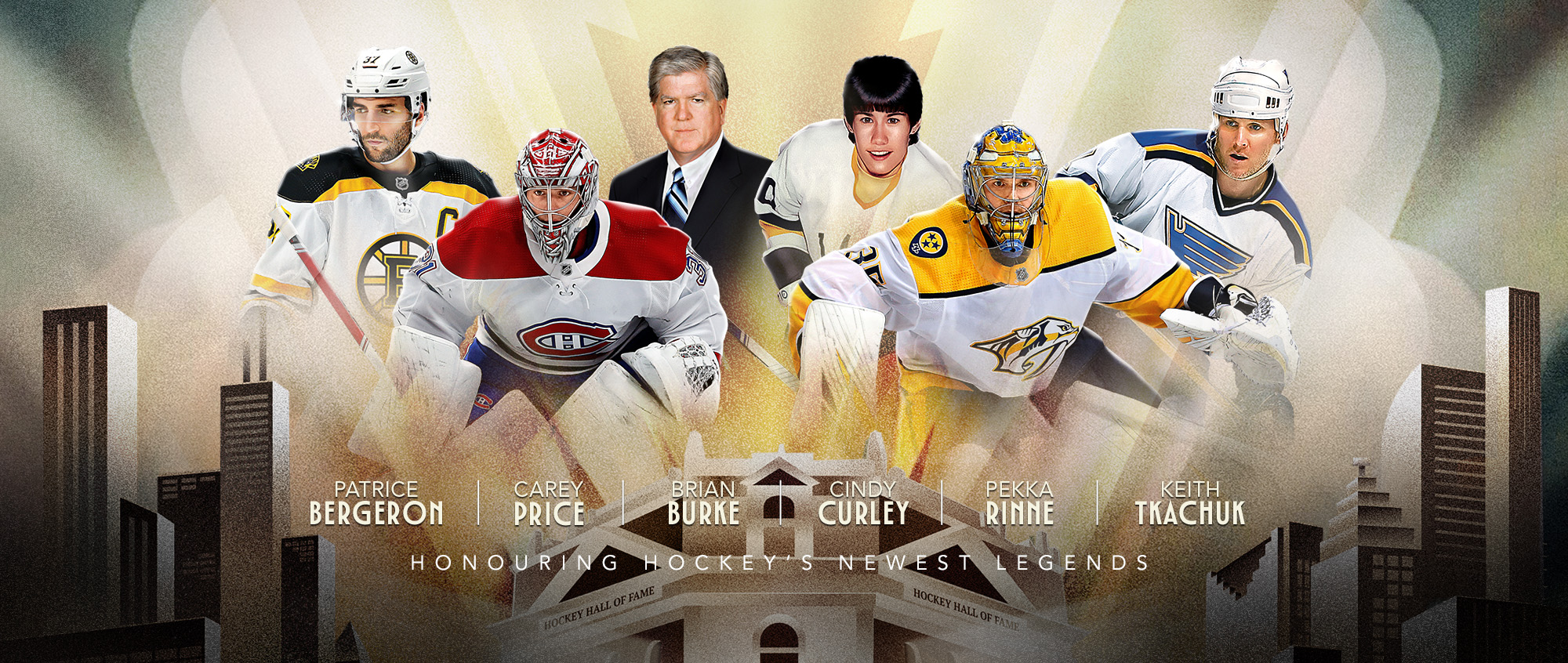
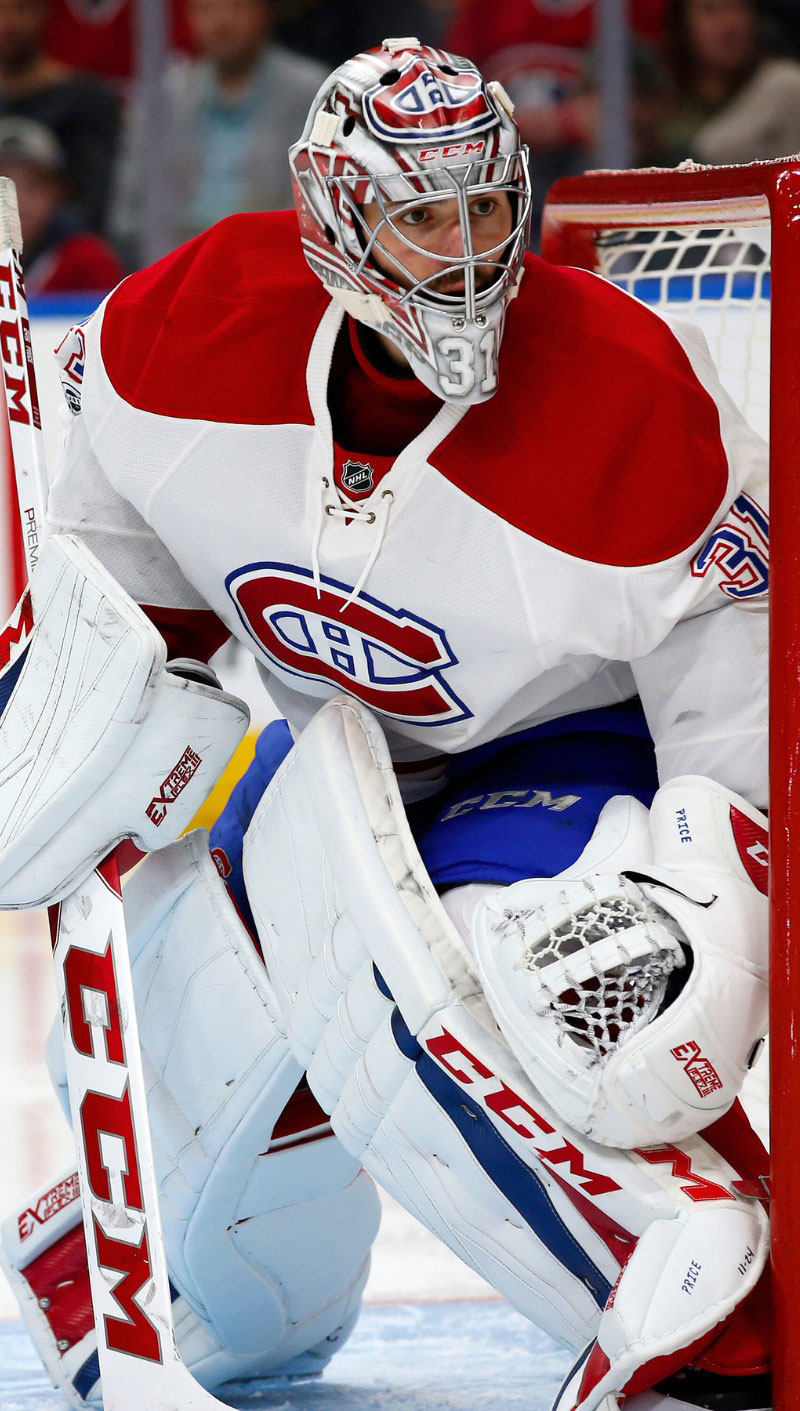
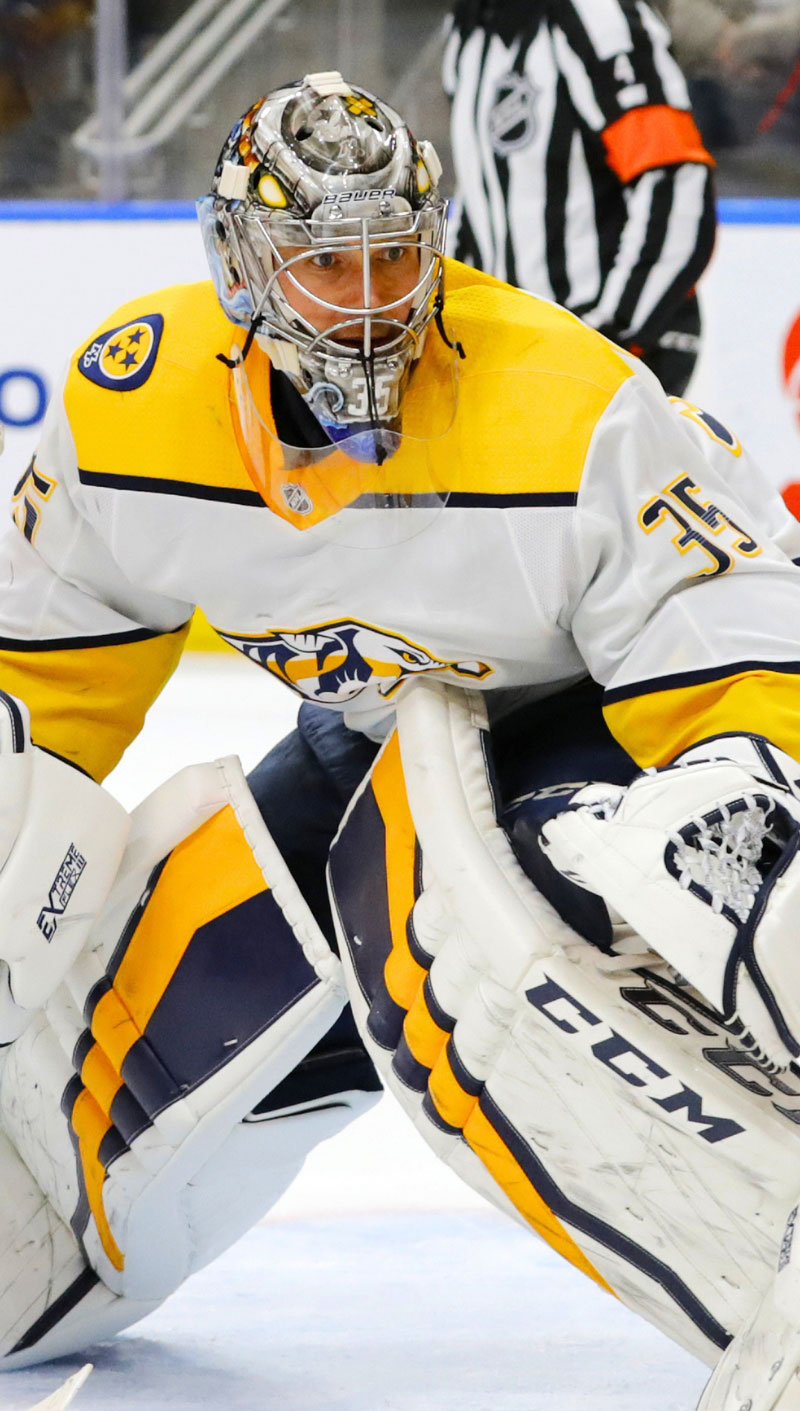
Patrice Bergeron, Carey Price, Pekka Rinne, Keith Tkachuk, Cindy Curley, and Brian Burke are officially elected to Hockey Hall of Fame Honoured Membership. Induction Weekend runs November 7–9, 2026 in Toronto.
Hockey Hall of Fame Class of 2026: Bergeron, Price, Rinne, Tkachuk, Curley & Burke Inducted
Hockey Hall of Fame · Class of 2026 · Toronto, November 2026
Six New Hockey Legends Enter the Hall
Patrice Bergeron, Carey Price, Pekka Rinne, Keith Tkachuk, Cindy Curley, and Brian Burke are officially elected to Hockey Hall of Fame Honoured Membership. Induction Weekend runs November 7–9, 2026 in Toronto.
5 Players · 1 BuilderBergeron · Price · Rinne · TkachukCurley · BurkeNov 7–9 · TorontoGala from $400
Player Category — Class of 2026
Boston Bruins · 19 NHL Seasons · Team Canada
Patrice Bergeron
Player Category
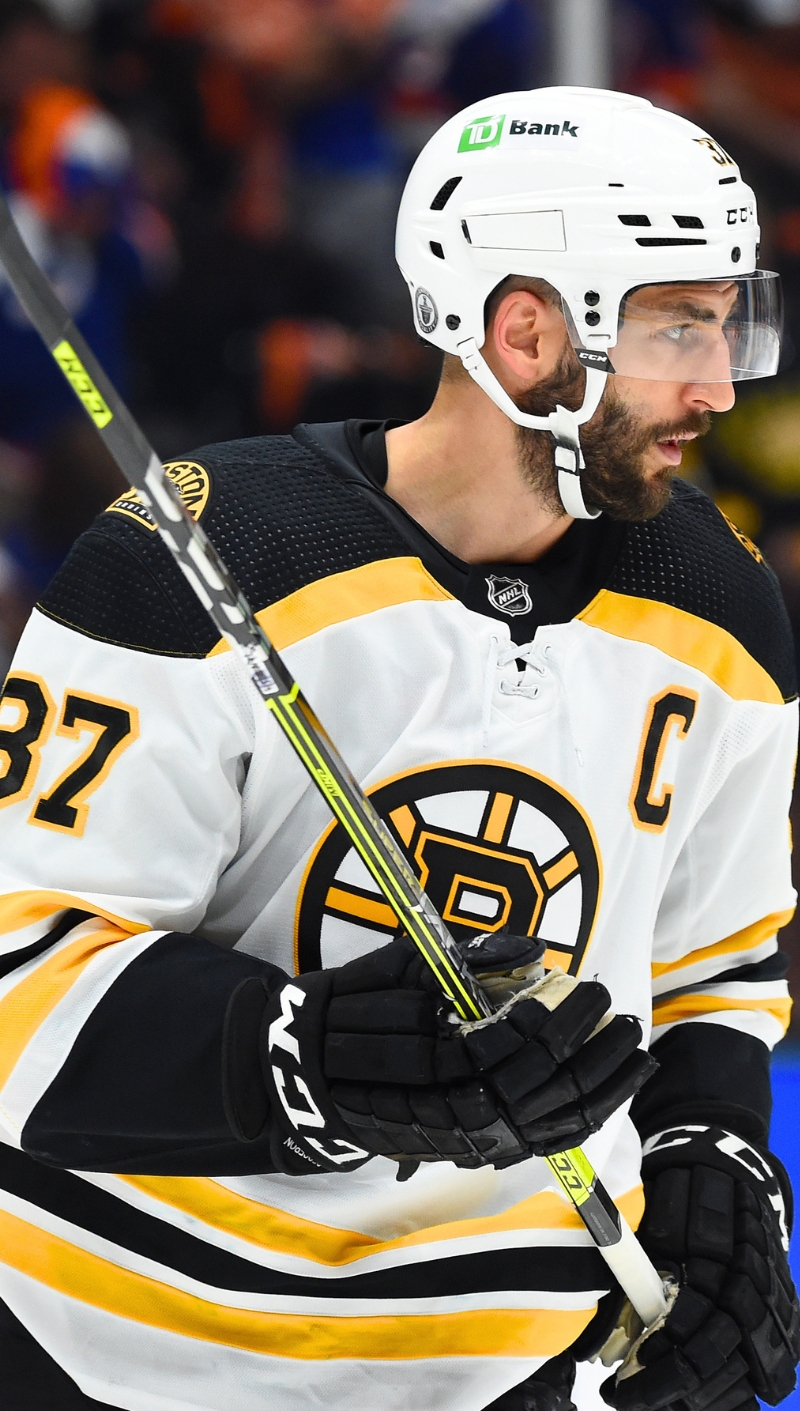
Drafted 45th overall by the Boston Bruins in 2003, Patrice Bergeron joined the team as an 18-year-old rookie and never left, spending all 19 of his NHL seasons in Boston. He scored the Stanley Cup winning goal in 2011 and is widely regarded as the greatest two-way forward of his generation, redefining what defensive excellence could look like from an offensive position. A four-time Frank J. Selke Trophy winner, Bergeron also represented Team Canada at the 2010 and 2014 Winter Olympics, winning gold medals at both, and added a World Championship to become a member of the exclusive Triple Gold Club.
“This honour is the pinnacle of my career and represents the coaches and players that I went to battle with. It’s a surreal honour and I’m thankful that hockey has given so much to me and my family.” — Patrice Bergeron
Drafted 5th overall by the Montreal Canadiens in 2005, Carey Price made his debut with the Habs in 2007 and went on to become the franchise’s all-time goaltending leader with 712 games and 361 victories. His 2014-15 season is considered one of the greatest individual goaltending campaigns in NHL history, earning him the Hart Trophy, Vezina Trophy, Jennings Trophy, and Ted Lindsay Award simultaneously. He backstopped Montreal to the Stanley Cup Final in 2021 and represented Team Canada internationally including the 2014 Olympic gold medal in Sochi.
“Hockey has taught me a lot of life lessons, especially persistence and never giving up. The game has given me the opportunity to work with dedicated and talented people, and I’m especially grateful to live a dream playing my entire career in Montreal.” — Carey Price
Nashville Predators · 15 NHL Seasons · Team Finland
Pekka Rinne
Player Category
Born in Kempele, Finland, Pekka Rinne played in the Finnish Elite League before being drafted by the Nashville Predators and spending all 15 of his NHL seasons in Music City, winning 369 games and recording 60 shutouts across his career. He won the Vezina Trophy as the league’s best goaltender in 2017-18, the pinnacle of an individual career that transformed Nashville from a fringe playoff team into a genuine Stanley Cup contender. He represented Team Finland at four IIHF World Championships and won MVP honors in 2014.
“The honour represents me and all of the members of the Nashville Predators organization. It’s surreal to think I will be joining my teammate Shea Weber in the Hockey Hall of Fame.” — Pekka Rinne
Winnipeg Jets · Phoenix Coyotes · St. Louis Blues · Atlanta Thrashers · Team USA
Keith Tkachuk
Player Category
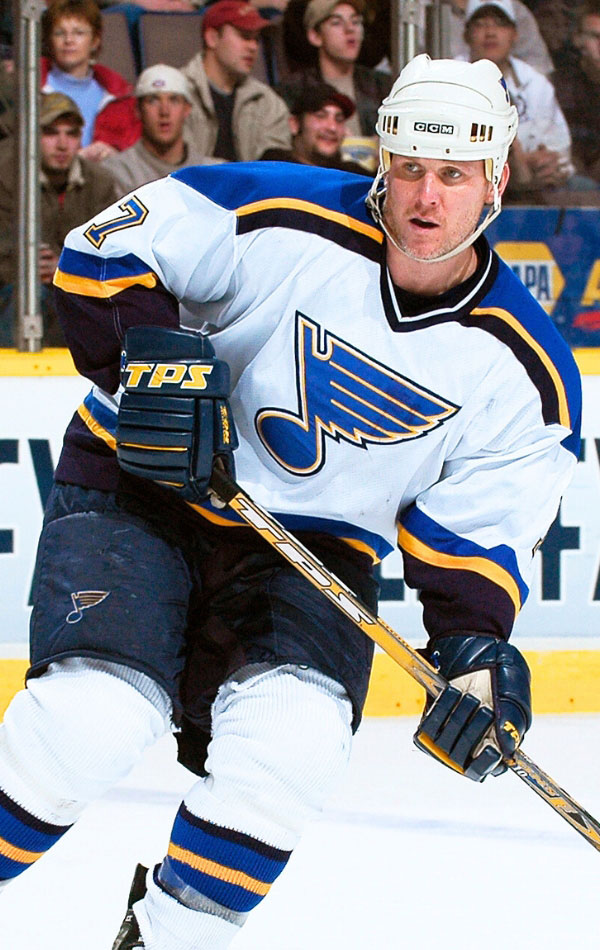
A powerhouse American-born forward who played minor hockey in Massachusetts before starring at Boston University, Keith Tkachuk was selected by the Winnipeg Jets in the first round of the 1990 NHL Entry Draft. He went on to play for four franchises: the Winnipeg Jets, the Phoenix Coyotes (same franchise, relocated), the St. Louis Blues, and the Atlanta Thrashers. In 1996-97 he became the first U.S.-born player to lead the NHL in goals, scoring 52, a milestone that stood as a landmark achievement for American hockey development. He was a fierce, physical power forward whose combination of goal-scoring and toughness made him one of the most feared players of his era. He represented Team USA on the international stage throughout his career.
“I was blessed to play in the greatest sports league in the world. Through good times and bad times, it was always the best experience imaginable.” — Keith Tkachuk
Providence College · U.S. Women’s National Team Captain · Pioneer
Cindy Curley
Player Category
A native of Providence, Rhode Island, Cindy Curley starred with the Providence College Friars and led them to back-to-back NCAA championships in 1983-84 and 1984-85. She became the first-ever captain of the U.S. Women’s National Hockey Team, leading them at the inaugural 1990 IIHF Women’s Hockey Championship where the United States won a Silver medal. She continued as captain through 1996, adding silver medals in 1992 and 1994, and is widely recognized as one of the foundational figures in the growth of women’s hockey in North America. Her election to the Hockey Hall of Fame is recognition not just of her individual achievements but of the generation of players and coaches whose work made women’s hockey what it is today.
“I’m shocked and grateful to receive this award, especially given how many great players have played the game. So many people are responsible for the growth of women’s hockey, and I am humbled to benefit from their efforts.” — Cindy Curley
Vancouver Canucks · Hartford Whalers · Anaheim Ducks · Toronto · Calgary · Pittsburgh
Brian Burke
Builder Category
A native of Providence, Rhode Island, Brian Burke began his NHL management career in 1987 as Vice President and Director of Hockey Operations for the Vancouver Canucks. He then moved to the Hartford Whalers as General Manager before joining the NHL Head Office as SVP and Director of Hockey Operations in 1993. In 1998 he returned to Vancouver as President and GM, and in 2005 became EVP of the Anaheim Mighty Ducks, where he led the franchise to the 2007 Stanley Cup championship. Burke later took on President roles with the Toronto Maple Leafs, the Calgary Flames, and the Pittsburgh Penguins, building a legacy of franchise transformation across the league over nearly four decades.
“I am grateful to all of the people who helped me throughout my career. Especially the Big Three — Lou Lamoriello, Pat Quinn and Gary Bettman.” — Brian Burke
📍 Hockey Hall of Fame · Brookfield Place, Toronto🕧 12:30 PM
Capture the moment with Honoured Member Lanny McDonald — includes a professionally taken souvenir photo in a signed frame. Appearance and time subject to change. All VIP Saturday and Sunday packages include HHOF Admission, a limited-edition print signed by the Class of 2026 and a swag bag.
📍 Hockey Hall of Fame · Brookfield Place, Toronto🕑 1:30 PM
An intimate, one-of-a-kind event where the Class of 2026 Player Inductees take questions directly from fans, hosted by a TSN personality. Limited seats available. Appearances and time subject to change.
Hockey Hall of Fame Game · Toronto Maple Leafs vs. New Jersey Devils
📍 Scotiabank Arena, Toronto🕖 7:00 PM
The annual Hockey Hall of Fame Game from the comfort of a Gondola Hospitality Suite with premium food and non-alcoholic beverages included. Tickets included exclusively with the VIP Saturday / Sunday + Maple Leafs Game package.
SOLD OUT
*This package is sold out. Check HHOF.com for waitlist options.
Monday, November 9
2026 Induction Gala Celebration
📍 Hockey Hall of Fame · Brookfield Place, Toronto🕠 Gala Doors 5:30 PM · Ceremony 7:30 PM
Induction Weekend culminates with the reverence and prestige of the Induction Celebration — an unforgettable evening of red-carpet arrivals, legendary guests, gourmet hospitality, a premier silent auction, and the live induction of the Class of 2026. Witness the Inductees sign the official register. Official Donation Receipts for the charitable portion (50%) of Induction Gala tickets will be issued on request. Proceeds to the Hockey Hall of Fame and Museum, a Registered Charity under the Income Tax Act (Canada).
Mingle with the who’s who in hockey, enjoy premium catered food stations and beverages, and witness the Inductees sign the official register. Does not include seated ceremony access.
All Gala experiences plus exclusive access to view the Induction Ceremony live from the Allen Lambert Galleria. Join the waitlist — a $25 non-refundable waitlist fee applies.
VIP Saturday, Sunday, and combined packages include HHOF Admission, a limited-edition print signed by the Class of 2026, and a swag bag. Compare all options with the Quick Guide.
Some things don’t get reproduced. They get rediscovered.
That’s the difference between buying a vintage piece and buying something that’s made to look vintage. One has a history attached to it. The other is a costume. And if you’ve ever worn something genuinely old, something with the faded letters of a team that played in a stadium that doesn’t exist anymore, you know the feeling is completely different from pulling on something that arrived pre-distressed from a factory in 2024. Different weight. Different character. Different conversation starter.
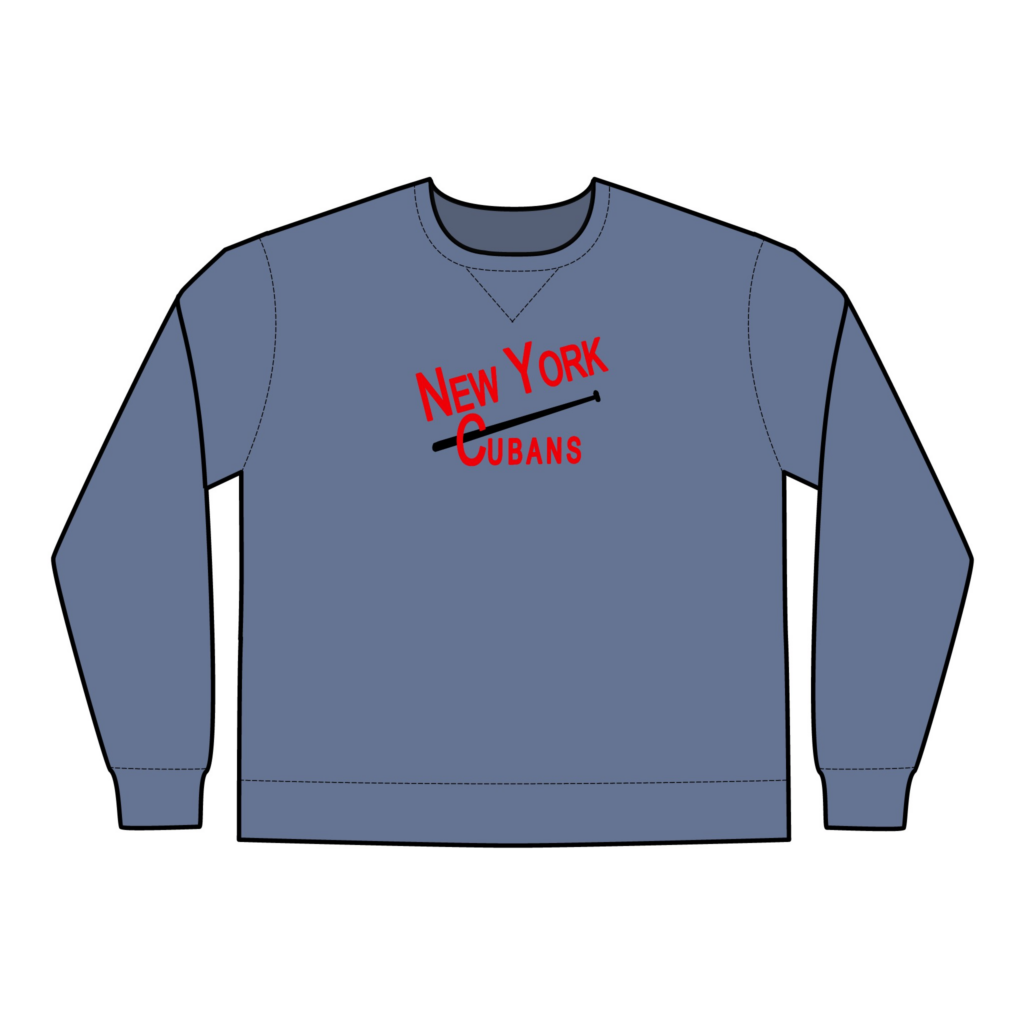
The Pro Merch Vintage Series just dropped 526 pieces of the real thing. Not reproductions. Not “vintage-inspired.” Actual curated throwback apparel and gear spanning the MLB, NFL, NBA, NHL, NCAA, MLS, Premier League, WHA, and historic Negro League teams, all hand-inspected, cleaned, and graded before they ever hit the catalog. Every single item in this collection is a one-of-one. When it’s gone, it’s gone. No restock. No second run. Just gone.
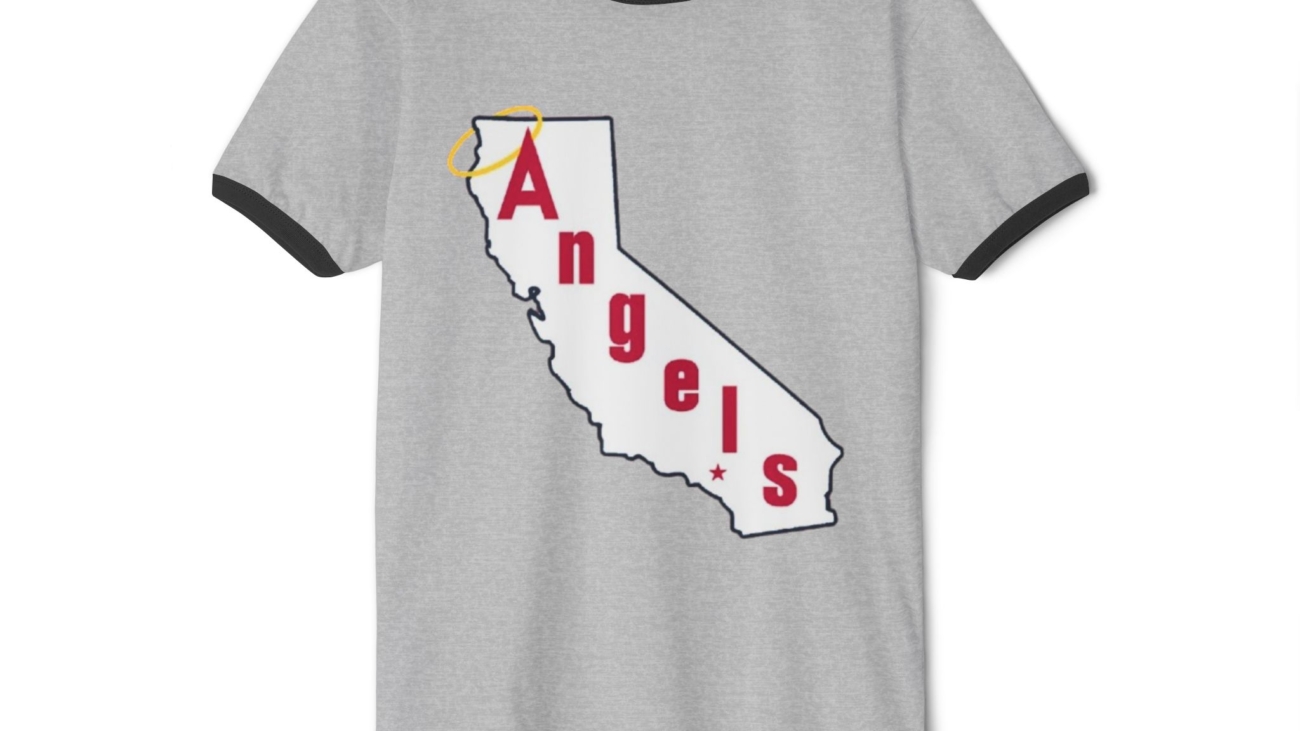
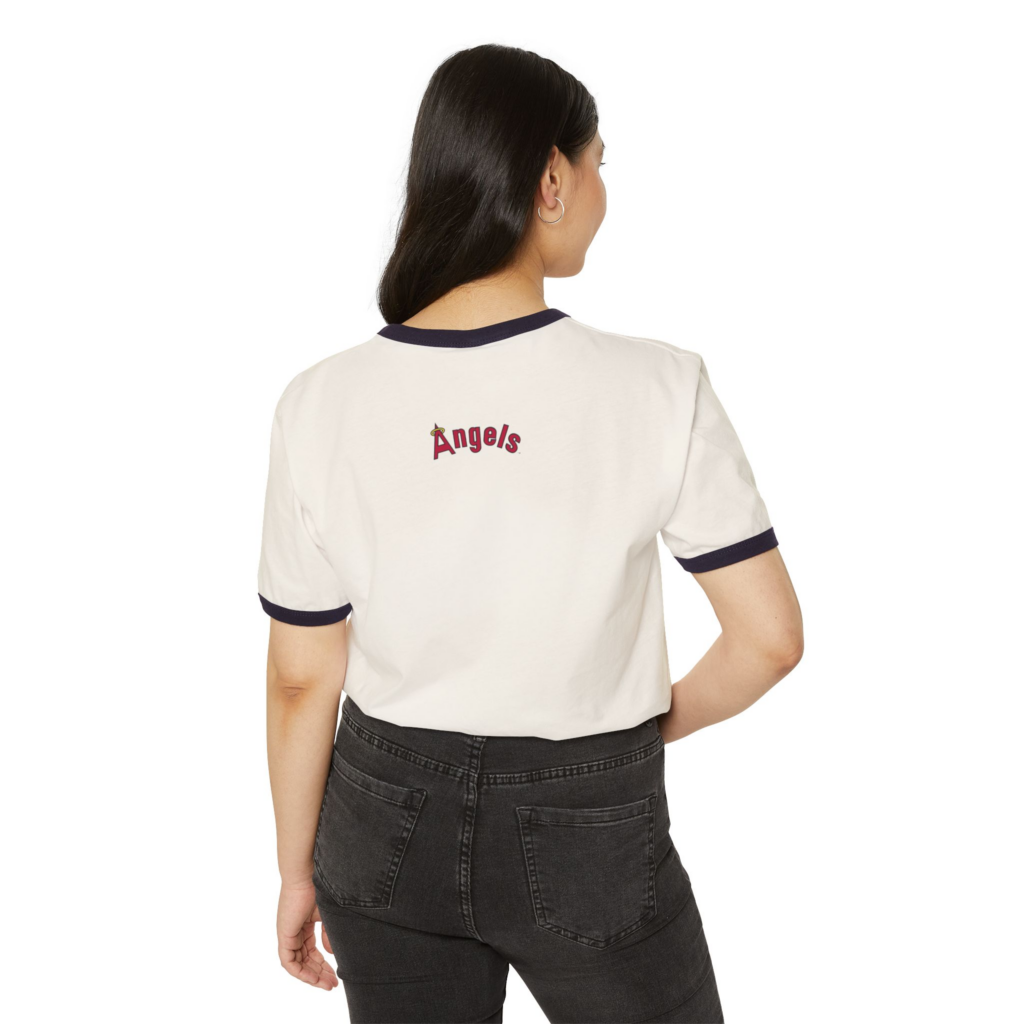
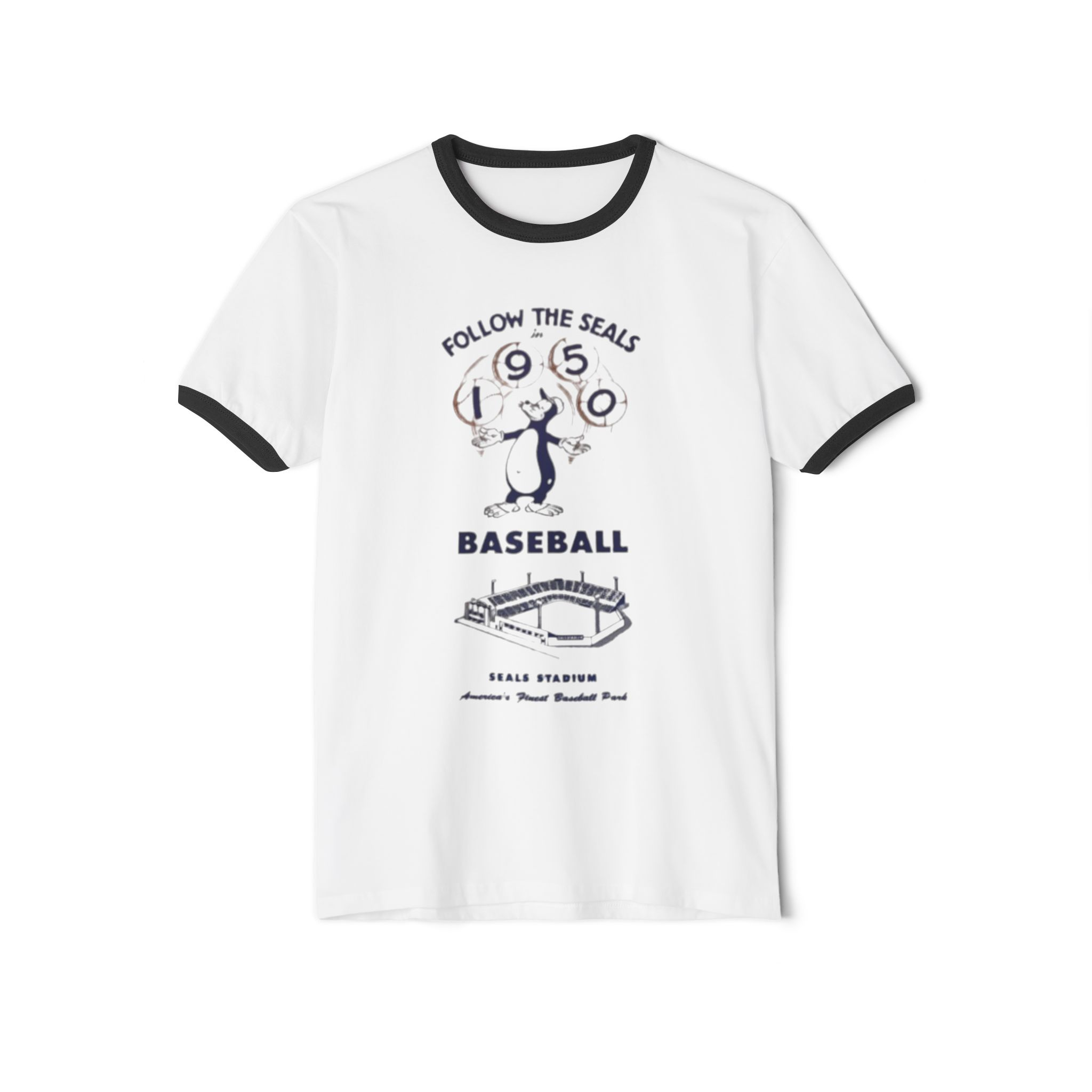
The Cotton Ringer Tees: The 1970s and 80s Look That Never Actually Left
Start here, because this is where the collection’s heartbeat lives.
The classic cotton ringer tee, with its contrasting collar and cuffs and the kind of fabric weight that modern athletic wear has completely abandoned in the pursuit of synthetic stretch, is the single most recognizable silhouette from the golden era of American sports fandom. You wore one to the game. Your dad wore one to the game. And somewhere in a box in someone’s attic, there’s one from 1979 that looks better now than it did then.
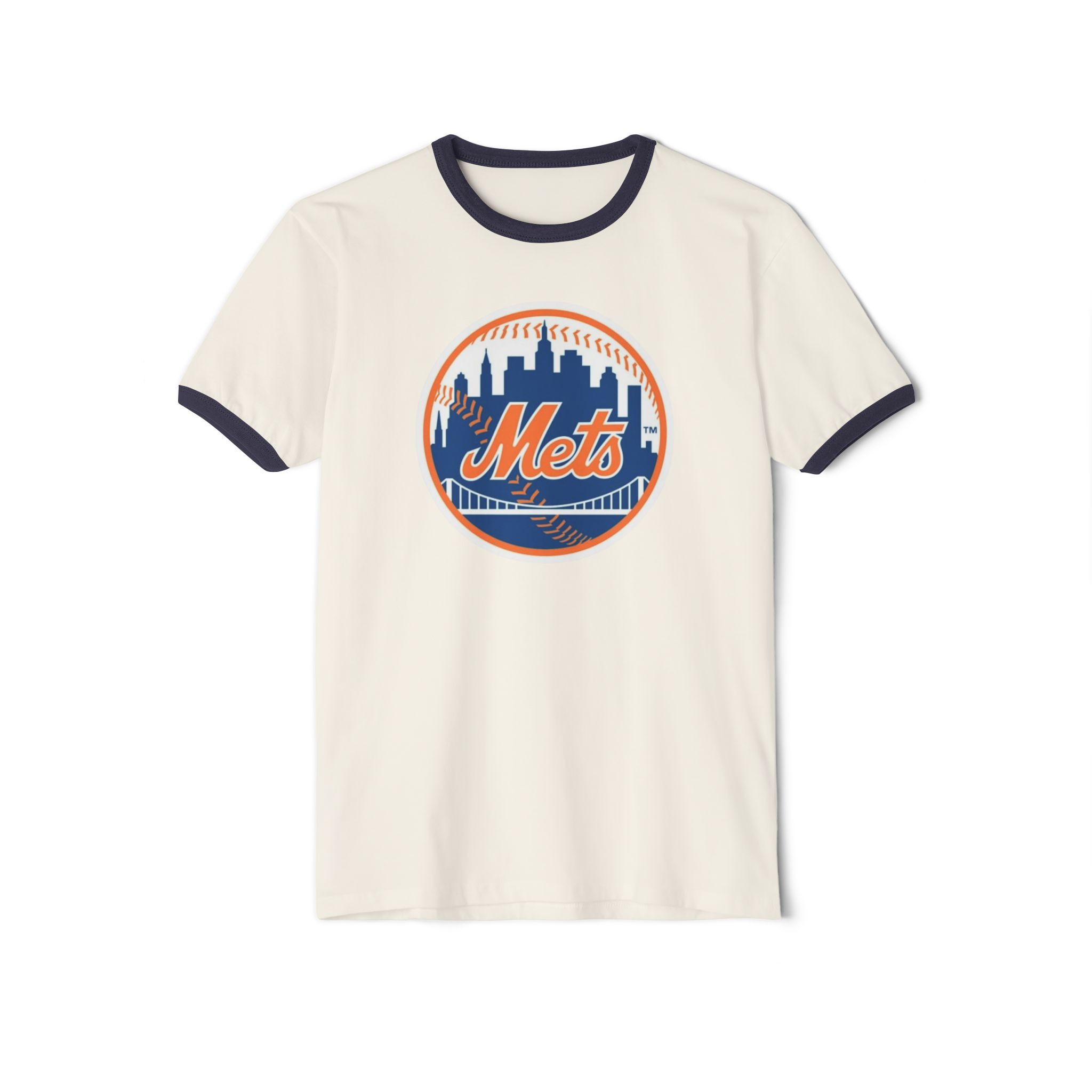
The New York Mets ringer tees in the collection feature classic Mr. Met graphics, one of the most beloved mascot designs in the history of the sport, rendered on cotton with the kind of authentic retro color treatment that the franchise’s own modern merchandise has largely abandoned. Multiple variants are available: the Mr. Met Unisex Cotton Ringer T-Shirt at $49.98 to $54.98, the Mr. Met Men’s Staple Ringer Tee at $49.98, and the standard Mets Unisex Cotton Ringer at the same price range. Different fits, same unmistakable energy.
The New York Yankees ringer options carry that specific combination of brand authority and vintage restraint that only the Yankee aesthetic can produce at its best. The Unisex Cotton Ringer at $49.98 to $54.98 and the Men’s Staple Ringer Tee at $49.98 are both in the collection, and both look exactly like what they are: pieces that connect a living franchise to its most storied decades. The Los Angeles Dodgers variants follow the same format and the same price point, the Dodger blue rendered in the cotton-weight fabric and ringer construction that belongs to a specific era of Los Angeles baseball that modern gear can’t quite replicate no matter how hard it tries.
Fifty bucks for a genuine vintage-sourced cotton ringer tee from one of the most iconic franchises in American sports. That’s not a steep ask. That’s a bargain for something you’ll still be wearing in ten years.
The Hockey Vault: NHL Classics and the WHA Teams Nobody Else Carries
This is where the collection gets genuinely interesting for the serious collector. Because the NHL gear is great, and we’ll get to it, but the World Hockey Association pieces are the ones that most vintage sports apparel retailers either don’t bother with or can’t find in any volume worth stocking.
The WHA operated from 1972 to 1979 as the NHL’s rival league, and the franchises it fielded, the Philadelphia Blazers, the New England Whalers, the Calgary Cowboys, the California Golden Seals, the Ottawa Senators in their WHA form, and the Winnipeg Jets as they originally existed, are organizations whose merchandise has been almost entirely absent from the licensed apparel market since they folded nearly fifty years ago. Finding genuine pieces from these franchises, pieces that carry the original colorways and the graphic design sensibilities of a league that was visually more adventurous than the NHL it was competing with, is legitimately difficult. The Pro Merch WHA section has them.
The New England Whalers, in particular, represent one of the more underappreciated design legacies in North American hockey history. The team eventually became the Hartford Whalers in the NHL, whose logo and color scheme has retained a cult following for decades, but the Whalers’ WHA identity carries its own weight for anyone who followed the league when it was actually operating. Owning a piece from that era isn’t nostalgia. It’s the kind of specific historical knowledge that real fans carry.
For current NHL teams, the collection covers the full roster, from the Boston Bruins to the Chicago Blackhawks to the Detroit Red Wings to the Montreal Canadiens and every franchise in between, with vintage pieces that reflect the specific visual identities these organizations carried during their most celebrated decades.
Negro League Apparel: Honoring the Teams That Baseball Tried to Forget
This section deserves its own treatment, because it’s the one that separates the Pro Merch Vintage Series from virtually every other sports apparel collection in the market.
The Kansas City Monarchs. The Homestead Grays. The Newark Eagles. The Pittsburgh Crawfords. The Chicago American Giants. The Birmingham Black Barons, where a teenager named Willie Mays learned to play the game. These are not secondary franchises. They are the organizations that housed some of the most extraordinary athletic talent the sport has ever produced, operated in a country that excluded those players from the major leagues based solely on race, and produced decades of professional baseball at the highest level while being systematically written out of the official record. Major League Baseball finally integrated Negro League statistics into its official record books in recent years. Josh Gibson now holds the all-time career batting average at .372, ahead of Ty Cobb. Satchel Paige’s legacy grows with every newly verified game added to his profile.
The vintage apparel honoring these teams is not a novelty category. It’s a historical obligation that most of the sports merchandise market has completely ignored. Pro Merch’s Negro Leagues collection covers all fourteen iconic franchises, and within the Vintage Series you’ll find pieces that carry the full cultural weight of what these organizations meant and what they continue to mean as the record books are finally corrected.
Global Football, College Gear, and the Full Breadth of Items
The reach of the Vintage Series extends well past American professional sports, and that’s a feature, not an afterthought.
The MLS section covers all 29 active clubs, from Atlanta United FC to the Vancouver Whitecaps, with vintage-adjacent pieces that honor the relatively short but genuinely passionate history of American professional soccer. This is a collection that arrives in a summer when the 2026 FIFA World Cup just concluded on American, Canadian, and Mexican soil, a summer when soccer’s fan base in this country is larger and more engaged than it has ever been. The timing couldn’t be better. The Premier League section covers Arsenal, Chelsea, Liverpool, Manchester City, Manchester United, and the rest of the top-flight English clubs for fans whose soccer allegiances cross the Atlantic in both directions.
The NCAA catalog spans the ACC, Big Ten, Big 12, SEC, Big East, and American conferences, with a dedicated HBCU section that carries the same historical seriousness as the Negro Leagues collection. College sports fandom runs generationally deep in this country, and vintage college gear carries a specific nostalgic charge that professional team merchandise can’t quite replicate. There’s something about a genuinely old piece of gear from your school that sits differently than anything the bookstore sells.
The NBA pieces span the league’s full thirty franchises. The NFL vintage items cover all 32 teams. And the MLB portion, the numerical core of this collection, carries throwback apparel for every active franchise alongside the historic and Negro Leagues teams described above.
526 items. Every major sport. Every meaningful era. And because every single piece is genuinely vintage, individually sourced, hand-inspected, and one-of-one, the collection shrinks every day without replacement.
Tomorrow’s Radio Show: Join the Conversation
Tomorrow morning, catch the full breakdown of the Pro Merch Vintage Series on the radio show. We’ll be going through the most coveted pieces in the drop, talking about what makes genuine vintage different from the mass-produced stuff that’s flooding the market right now, discussing the WHA franchises that almost nobody else carries, and taking your calls on what you’re hunting for and whether we’ve got it. If you’ve been looking for a specific team, a specific era, or a specific style, tune in.
Bring your wish list. We’ll see what we can do.
The One-of-One Rule: Why You Shouldn’t Wait
Every piece in the Pro Merch Vintage Series is a unique item. Not “limited edition.” Not “while supplies last.” Literally one. When the New York Mets Mr. Met ringer tee in your size sells, that specific item is gone and it’s not coming back, because there was only one of it in the first place. This is not a marketing device. It’s just the structural reality of stocking genuine vintage apparel versus manufacturing reproductions.
The sports merchandise market is full of retailers who’ve figured out that people will pay a premium for anything that looks old. So they manufacture old-looking things and charge accordingly. We went the other direction. Months of sourcing and verifying actual pieces, hand-inspecting every item before it enters the inventory, grading it honestly so you know what you’re buying, and then pricing it at a point that makes the collection accessible rather than exclusive. A genuine vintage-sourced cotton ringer tee from one of baseball’s most storied franchises for under fifty-five dollars. A piece of WHA history for a league that most people under forty have never seen represented in a retail context. Negro League apparel that carries the full weight of a chapter of baseball that the sport is only now beginning to properly acknowledge.
That’s the Pro Merch Vintage Series. 526 items and shrinking. Browse the full collection at Pro-Merch.com, explore the complete store, and find the piece that belongs in your collection before someone else does. Customer service is at 1.609.206.5763 and by email if you’ve got questions.
The Major League Baseball trade deadline is always the most compressed and most consequential decision-making period in any sport’s calendar. No other professional league produces anything quite like it: a fixed moment in time, months in the planning but decided in days, where the distance between a franchise’s present and its future can be altered permanently by a single phone call between general managers who have been circling each other for weeks. The 2026 edition of this annual reckoning, with the official deadline locked for August 3 at 6:00 PM Eastern Time, is setting up to be one of the most active and most consequential trade deadline periods in recent memory. The number of legitimate, impact-level players available on the open market is extraordinary. The range of contenders with the prospect capital and the organizational willingness to pay it is equally extraordinary. And at the center of it all is a back-to-back Cy Young Award winner named Tarik Skubal who may or may not be a Detroit Tiger when August 4 arrives, and a San Diego Padres closer named Mason Miller who throws 102 miles per hour and whose availability has divided the baseball intelligence community in ways that make every subsequent report feel like a plot twist. Pro Merch, the premier destination for officially licensed MLB merchandise across all 30 franchises with 885 products in the MLB catalog, is the place to gear up for every team that is buying, every team that is selling, and every team that is trying to do both simultaneously before the clock runs out.
The Soccer Sidebar: Messi, MLS, and Real Madrid’s European Power Move
The baseball deadline is not the only sports market generating significant transaction news this week. In Major League Soccer, the upcoming 2026 MLS All-Star Game will proceed without Lionel Messi, who has been officially announced as unavailable due to injury. Messi’s absence is excused in full this year, a significant distinction from his previous suspension absence that generated considerable controversy and that the league handled differently. For MLS and the Inter Miami CF fan community that follows the global conversation around the sport’s greatest player, the news is disappointing but fully contextual: a player who has been carrying the weight of a complete FIFA World Cup tournament through July is not in the same physical condition as a player who spent the summer in preparation mode, and Messi’s long-term health appropriately takes precedence over a single exhibition match. The MLS All-Star Game will go on, and the talent pool available to replace Messi in the Inter Miami lineup will provide its own compelling exhibition of the league’s current quality.
In European club football, Real Madrid has launched a shock transfer bid of 100 million euros to hijack RB Leipzig’s African wonderkid winger Yan Diomandé from Paris Saint-Germain, who had been in advanced negotiations for the same player over the course of several months. The Real Madrid move represents the specific kind of financial and institutional power that the Spanish club has deployed throughout its history to destabilize competing bids when a player becomes available, and the challenge it presents to PSG’s pursuit will dominate the European transfer window conversation in the days ahead. For fans of European club football who follow the Pro Merch Premier League section across Arsenal, Chelsea, Liverpool, Manchester City, Manchester United, and the rest of the top-flight English clubs, the Diomandé saga is a reminder of how the European transfer market operates at its highest level and of the specific gravitational pull that Real Madrid exerts on every transaction it enters.
The King Chooses Philadelphia: LeBron James Signs with the 76ers, Ends a 43-Year Championship Drought Hunt, and Gives the City of Brotherly Love Its Most Exciting Roster in a Generation
The basketball world stopped on Friday when LeBron James, the NBA’s all-time leading scorer, announced that Philadelphia will be the final destination of the greatest career the sport has ever seen. At 41 years old, coming off a season in which he averaged 20.9 points, 7.2 assists, and 6.1 rebounds per game for the Los Angeles Lakers, James signed a two-year, $8 million deal with the Philadelphia 76ers, choosing the City of Brotherly Love over Cleveland, Miami, Golden State, and at least seven other reported suitors. He took a fraction of what he earned last season not because no one would pay him more, but because he looked at a roster built around Joel Embiid, Jaylen Brown, Tyrese Maxey, and VJ Edgecombe and saw the clearest path to a fifth championship he has found since his last title in 2020. Philadelphia has not won an NBA championship since 1983. That drought is now LeBron James’s personal project, and the Eastern Conference knows exactly what that means. Shop the Philadelphia 76ers collection at Pro Merch and represent the most anticipated roster in basketball.
Patrick Kane Comes Home, Connor Bedard Signs the Richest Rookie Extension in Modern NHL History, and the League Remakes Itself: The 2026 NHL Free Agency Period and the Pro Merch Collection Built for Every Fan It Affects
The NHL offseason delivered its most consequential week in years, and the city of Chicago was at the center of all of it. Patrick Kane, the three-time Stanley Cup champion who spent the prime years of his career turning the United Center into the loudest building in hockey, signed a two-year, $16 million contract to come home to the Chicago Blackhawks, the franchise that drafted him first overall in 2007 and that built a dynasty around his brilliance. Hours later, the Blackhawks announced that Connor Bedard, the most celebrated young player in the sport, had signed a five-year, $75 million extension at $15 million per season, the richest rookie extension in the modern NHL era. Add Bowen Byram, already signed to the richest defenseman contract in league history at $12.5 million per year, and the Chicago rebuild is no longer a rebuild in any meaningful sense of the word. It is a program with a plan and the players to execute it. Across the rest of the league, Trevor Zegras landed in Philadelphia, JJ Peterka headed to Boston, Cole Perfetti committed to Winnipeg, Connor McMichael signed long-term in St. Louis, and Jet Greaves closed what insiders described as the widest arbitration gap in NHL history to stay in Columbus. The league looks different. Shop the NHL collection at Pro Merch and find the gear for wherever your team just landed.
This is the full story of the 2026 MLB Trade Deadline. Every name that matters, every suitor that has been identified, every organizational decision that will define the next three to five years of a franchise’s competitive window, told in the full context that the moment deserves.
Tarik Skubal and the Question That Has Consumed the Entire Baseball Industry
No player in the 2026 trade deadline conversation generates more discussion, more insider reporting, more conflicting signals, and more genuine organizational anxiety than Tarik Skubal of the Detroit Tigers. The left-hander is the reigning back-to-back American League Cy Young Award winner, the best pitcher available on the trade market and, by the consensus of virtually every evaluator across the league, the best player available on the trade market in any position. He is a pending free agent at the end of the 2026 season, under the remaining $32 million of a contract that will expire when the year ends. He has no trade protection. And he just threw a 12-strikeout gem against the Kansas City Royals on Friday night, his latest demonstration that the elbow surgery that delayed the start of his 2026 season has not diminished any of the qualities that made him the most dominant starting pitcher in baseball for the past two seasons.
The specific complication that has defined the Skubal conversation all summer is that the Detroit Tigers are not a bad team. In the weeks leading up to the deadline, the Tigers have won 15 of their last 20 games. A.J. Hinch, their manager, captured the organizational mood precisely when he told reporters before a game against the Chicago Cubs: “We’ve been playing Game 7 since May.” A team that has decided to play every game like an elimination game does not have the psychological disposition of a franchise preparing to sell its best player. And yet the financial reality is stark: Skubal becomes a free agent at the end of this season, which means that if the Tigers do not trade him, they get nothing for him except the remaining games he pitches and whatever playoff series he might help carry them to. The market for a two-time Cy Young winner with his combination of stuff, command, and competitive track record does not appear often, and front offices across the league are watching the Tigers’ decision-making with the specific attention of organizations that know they need to have a plan ready if Detroit decides to move.
The Tampa Bay Rays have been the most consistently cited destination throughout the summer, with MLB Network’s Joel Sherman going as far as predicting that if Skubal is traded, the Rays will be the team that gets him. The Los Angeles Dodgers have also been prominent in the reporting, as have the Milwaukee Brewers, the Atlanta Braves, and the Philadelphia Phillies. The Athletic has reported that a third organizational path is under serious consideration in Detroit: dealing Skubal in a package structured specifically to return both a pitcher under team control who can fill his innings in the near term and future assets, allowing the Tigers to absorb the loss of their ace without simply gutting their competitive outlook entirely. That creative structure, if it comes to pass, would be among the more sophisticated deadline transactions in recent memory and would reflect front office thinking that goes well beyond the simple sell-high calculation that most deadline trades involve. For fans of the Detroit Tigers, the next nine days represent either the end of an era or the beginning of a genuine playoff push, and both outcomes are entirely plausible. Pro Merch carries the Tigers’ licensed merchandise for fans watching this unfold from every vantage point.
The Friday night performance against the Royals was the kind of display that makes the decision harder for Detroit and more urgent for everyone else. Twelve strikeouts. Dominant command. The back-to-back Cy Young form fully present and fully accounted for. Skubal has one more start scheduled before the deadline, which means the league will have at least one more data point before the clock stops, and that data point will either be another dominant performance that drives Detroit’s price up further or a rough outing that introduces a measure of doubt into a market that has been operating on near-universal certainty about his excellence. Either way, the resolution of the Skubal situation will be the single most consequential transaction of the 2026 deadline period regardless of how many other names change uniforms between now and August 3.
Mason Miller and the Padres’ Most Difficult Decision
The Mason Miller situation at the San Diego Padres is, in many respects, the deadline’s most genuinely complicated question precisely because the intelligence from inside the organization is so dramatically at odds with the intelligence from outside it. The Athletic’s Dennis Lin, who covers the Padres as closely as any reporter in the business, has reported that sources familiar with the team’s thinking say Miller seems likely to remain with the club through the deadline. ESPN’s Buster Olney, who covers the broader market from the perspective of executives across the league, has reported that multiple front offices from other teams told him they believe Miller is going to be traded. Both of these reports can be simultaneously accurate, reflecting the genuine internal ambivalence of an organization that has not yet decided which direction to go and that is receiving offers from multiple teams while debating whether the asset value of trading Miller outweighs the competitive value of keeping him.
What is beyond dispute is that Miller is one of the most valuable assets in the sport and that the organizations that want him are willing to pay substantial prices to acquire him. MLB Network’s Jon Heyman has identified the Pittsburgh Pirates, the Seattle Mariners, and the New York Yankees as the top three suitors, all building packages centered around young starting pitchers, which is precisely the currency that an organization in San Diego’s situation would most want to receive. The Padres are two games back of a wild-card spot, which means they are not in the comfortable position of a team that has already clinched and can sell freely. They are in the more fraught position of a team that is close enough to the playoff picture that dealing their best reliever could end their own season prematurely, but that has also been presented with offers whose long-term value may exceed what another October run realistically delivers. The report that San Diego is demanding an “overwhelming” package to consider the trade reflects exactly that tension: the price is being set high enough that only a truly extraordinary offer would justify the risk of weakening a team that still has a realistic postseason path.
The Milwaukee Brewers, who have been aggressively pursuing both Skubal and Miller simultaneously according to MLB.com’s Adam McCalvy, add an additional dimension to the Miller market. A team that enters the negotiations willing to make competitive offers for both the premium starter and the premium closer is a team that has made a clear organizational commitment to winning in 2026, and the Brewers’ presence in the bidding presumably elevates the asking prices for everyone involved. For Milwaukee Brewers fans who have been following this front office’s deadline positioning, the reporting suggests an organization that believes this roster is genuinely capable of a deep playoff run if it can acquire the pitching necessary to support it.
The Full Market: Every Premium Name That Could Move Before August 3
The Skubal and Miller conversations have dominated the headline real estate in the trade deadline coverage, but the market beyond those two names is exceptionally deep, and the full picture of what is available over the next nine days is worth documenting in detail because the combined effect of all these transactions will reshape the competitive landscape of both leagues for the remainder of this season and potentially well beyond it.
Freddy Peralta of the New York Mets has emerged as one of the most coveted starting pitcher targets for teams that are unable to acquire Skubal, either because Detroit ultimately keeps him or because the price exceeds their available prospect capital. Peralta is entering his final year before free agency, giving him the same deadline urgency that Skubal carries, and his strikeout rate and arsenal quality make him a genuine rotation upgrade for any team that acquires him. The Chicago Cubs are heavily rumored to be building a multi-pitcher package to bring him to the North Side, which would represent a significant aggressive posture from an organization that has been deliberate about its competitive timeline.
Kevin Gausman of the Toronto Blue Jays is the veteran arm whose availability reflects the Blue Jays’ broader organizational situation. Toronto, heavily injured and in last place in the American League East, is trending firmly toward the seller side of the deadline equation, and Gausman is the most prominent name they have available to move despite the partial no-trade clause that complicates the transaction. A veteran starter of his experience and track record, heading to a contender with genuine playoff ambitions, represents exactly the kind of rotation upgrade that October-bound teams seek and that a rebuilding franchise can convert into the future assets it needs to accelerate the next cycle.
Reid Detmers and José Soriano of the Los Angeles Angels represent a different kind of opportunity, and one that is arguably more valuable in the long run than a rental starter. Los Angeles Angels interim GM John Mozeliak has made clear that he is willing to open the organization’s vault of controllable young talent, and both Detmers and Soriano are under team control through 2028, which means any team that acquires either of them is not renting a pitcher for a playoff run. They are acquiring a pitcher who will be in their rotation for the next two and a half seasons, giving the transaction a fundamentally different character from the typical deadline deal. The bidding wars that have reportedly developed around both names reflect the specific scarcity of young, controllable, high-quality starting pitching in the current market and the premium that organizations are willing to pay to acquire it when it becomes available.
Clay Holmes of the New York Mets is the reliever market’s most interesting complication: a high-leverage, shutdown-caliber arm who has been recovering ahead of schedule from a fractured right fibula suffered in May and who is expected to finish his rehab assignment shortly. Holmes is widely expected to opt out of his contract at the end of the season, making him a rental piece whose value to a contending team is entirely confined to this playoff run. But as a rental, he represents the kind of high-leverage bullpen arm that eliminates entire lineup matchup problems in October and that teams with deep enough prospect capital are willing to pay premium prices to acquire. His return from injury ahead of schedule has energized the market around him, because a fully healthy Clay Holmes in August and September is a materially different asset than an injured Clay Holmes on a timeline.
Aroldis Chapman of the Boston Red Sox presents one of the deadline’s more delicate organizational situations. The veteran left-hander has been a shutdown force for Boston, and the Red Sox, despite having their historic 15-game winning streak snapped during the week, bounced back immediately and entered Saturday holding the second American League Wild Card position. A team in the playoff picture does not sell its best reliever unless the return is extraordinary, and the reports around Chapman reflect exactly that tension: Boston’s management is hesitant to move a player who is contributing to their own playoff push, but Chapman remains a game-changing bullpen chip for any top contender if the right package materializes. A.J. Minter of the Atlanta Braves is widely regarded as a top-five reliever target on the open market, drawing attention from teams specifically seeking late-game situational lefty options, a role in which Minter has been one of the most effective practitioners in the league.
On the position player side, Luis Arráez of the San Francisco Giants is the most analytically compelling name in the market. Currently chasing his fourth batting title with a .320 average, Arráez refused multi-year extension offers from San Francisco and is an impending free agent, making him a near-lock to be traded to a contender that needs exactly what he provides: elite contact, minimal strikeouts, and the specific kind of professional at-bat quality that winning October teams require at the top of a lineup. USA Today has named Arráez as a likely target for the Tampa Bay Rays in connection with their Skubal pursuit, suggesting that the Rays may be building toward a comprehensive deadline upgrade rather than a single transaction.
Zach Neto of the Los Angeles Angels represents one of the rarest commodities in the current deadline market: a controllable, power-hitting shortstop available for sale. Neto is under team control until 2029, which means a team that acquires him at this deadline is not renting a middle infield piece for a playoff run. They are adding a cornerstone position player at a premium offensive position for the next three seasons. The Boston Red Sox are heavily tracking him as a primary fit to address their injured middle infield, which is a significant organizational commitment of attention and resources toward a player whose acquisition would constitute one of the more impactful deadline transactions in recent memory if it comes to pass.
Jonah Heim of the Oakland Athletics addresses the scarcest positional commodity in the current market. Catching depth is genuinely thin across Major League Baseball, and the Athletics are expected to move their veteran backstop given his expiring contract and his organization’s current competitive positioning. Heim brings extensive postseason experience and a defensive quality that catching-deficient contenders covet, and the New York Yankees, who rank last in the majors in catcher productivity by the most recent measures, have been identified as a primary destination. Adding Heim would address a clear weakness in a New York lineup that is otherwise built for October and that is also in pursuit of Mason Miller to address their bullpen. The Yankees’ ambition at this deadline appears to be comprehensive rather than targeted, which is consistent with their organizational history and their current competitive positioning.
The Cam Schlittler Story Nobody Is Talking About Enough
In the middle of all the deadline drama, the New York Yankees quietly sent out one of the most dominant individual starting pitcher performances of the season on Friday night. Cam Schlittler, who has been one of the genuine surprises of the 2026 season, recorded 12 strikeouts with no walks and only three hits allowed over seven and a third shutout innings in a 1-0 win over the Philadelphia Phillies. Schlittler now carries a 2.07 ERA, a 30.5 percent strikeout rate, and a 4.9 percent walk rate over 130 and a third innings. Those are not merely good numbers. They are historically excellent numbers for a young pitcher in a full season, and they raise a genuinely interesting organizational question for the Yankees: if you have a pitcher performing at this level from within your own system, how much of your prospect capital should you be spending at the deadline to acquire external pitching? The answer for an organization with championship ambitions in 2026 is probably still “enough to win now,” but the Schlittler context makes every Yankees deadline acquisition a calculation against what they already have rather than a simple identification of a need.
The Pro Merch MLB Collection and Why the Deadline Is the Best Time to Represent Your Team
The MLB Trade Deadline is, among other things, an occasion when the sports merchandise market reflects the emotional stakes of the moment in real time. Fans of contending teams buying pieces to push for a championship do not simply watch their front offices act. They want gear that marks their team as a genuine October contender, as an organization that took the deadline seriously and emerged with something that changes the calculation for the rest of the season. And fans of teams that sell at the deadline, that trade away a player they have grown to love in exchange for the future capital that rebuilds become, want to mark the complexity of that moment in a different way: with something that honors what was before acknowledging what comes next.
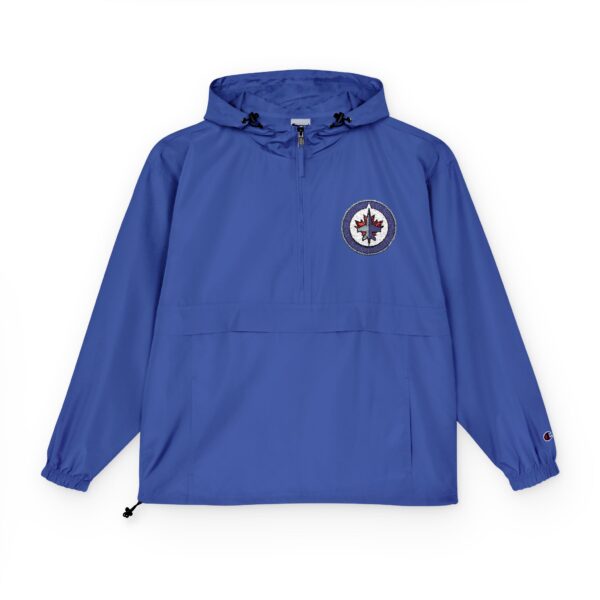
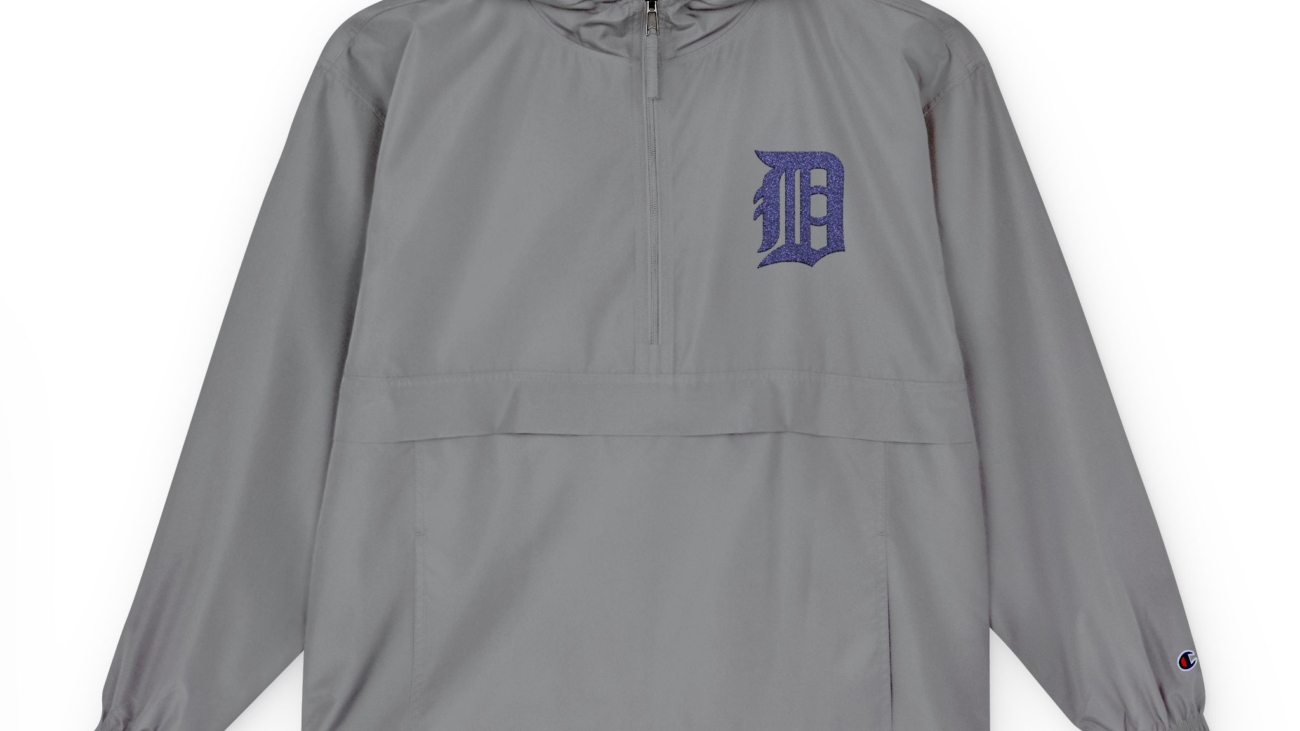
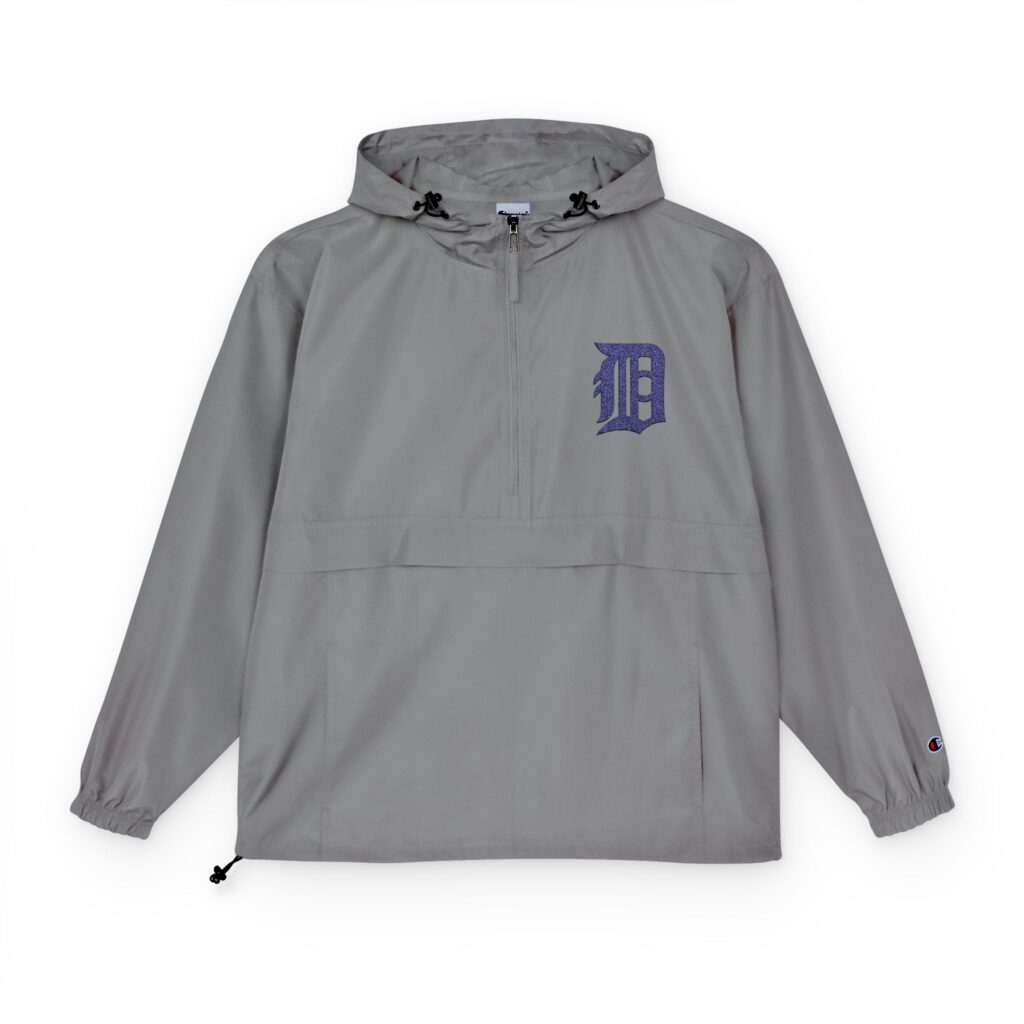
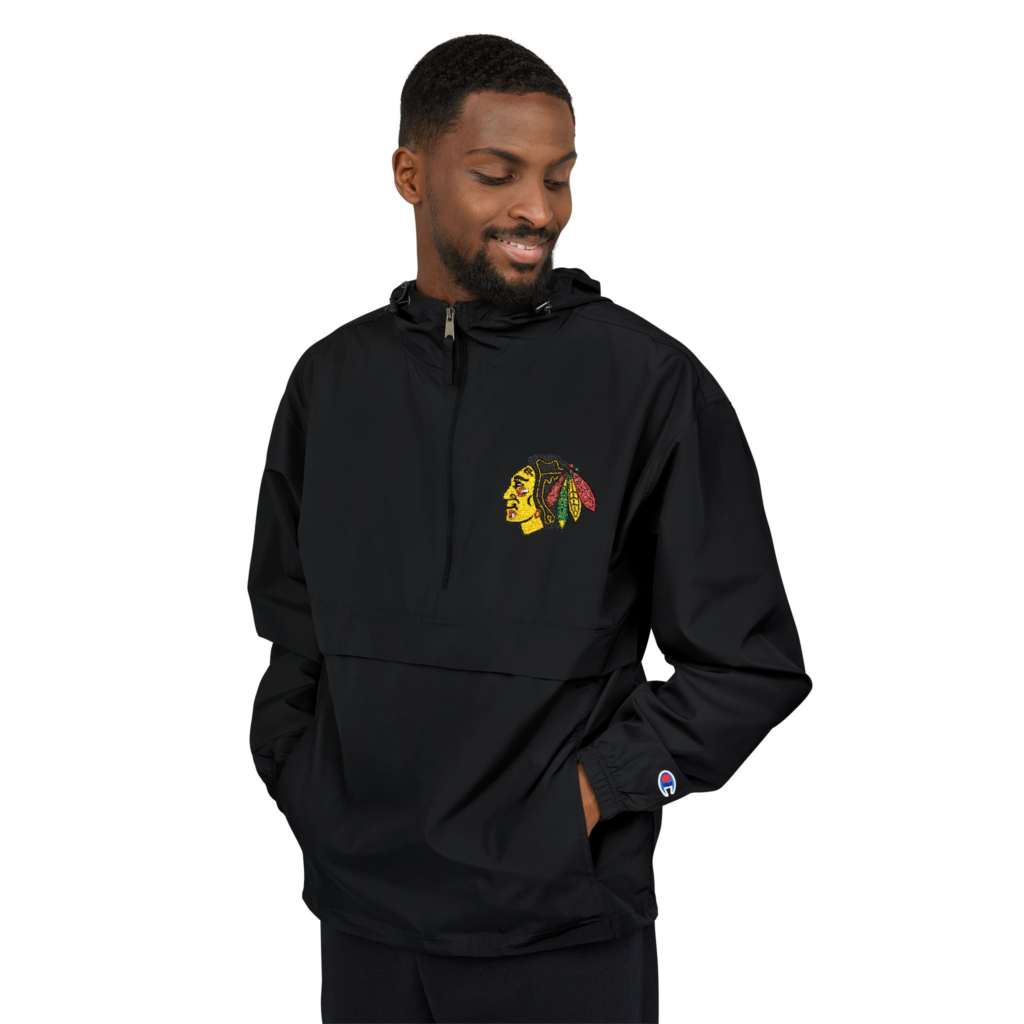
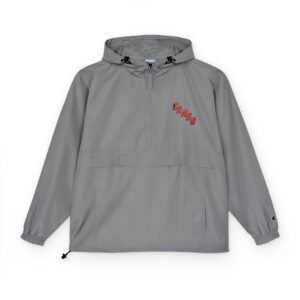
The Pro Merch MLB catalog with 885 licensed products across all 30 franchises is organized to serve both of those fan experiences with equal depth and equal commitment to quality. The anchor products that define the collection give every fan in every market access to licensed gear that reflects the standard of what Pro Merch carries across every sport it covers. The Champion Unisex Packable Anorak Jacket, priced from $69.98 to $73.97 depending on team and size, is the definitive outerwear piece for the baseball fan who wants to represent their team in something that holds up in any context. Lightweight enough to pack into a bag for a day game, durable enough to wear through a full season of outdoor baseball, and designed with the color accuracy and graphic treatment that distinguish genuine Champion products from mass-market alternatives, the Anorak is available across the catalog for teams including the Los Angeles Dodgers, San Diego Padres, San Francisco Giants, Colorado Rockies, and Arizona Diamondbacks, with the full catalog expanding throughout the season.
The Port Authority Men’s Collective Soft Shell Jacket at $89.99 to $104.22 sits at the premium tier of the outerwear catalog, a structured and polished piece that translates from the ballpark to a professional environment without losing the team identity that makes it worth wearing. Both lines serve the fan who wants something worth owning for the long term rather than a disposable souvenir, and both are available in multiple size variants through the individual product pages.
Every franchise with a stake in the 2026 deadline has a fully stocked section in the Pro Merch MLB catalog. The Detroit Tigers, whose Skubal decision is consuming the industry. The San Diego Padres, weighing their Miller options. The Tampa Bay Rays, most consistently linked to the biggest prize. The New York Yankees, pursuing Miller and Heim simultaneously. The Milwaukee Brewers, checking in on both Skubal and Miller. The Chicago Cubs, building a Peralta package. The Atlanta Braves, searching for rotation depth while considering Minter’s availability. The Boston Red Sox, riding a wild-card position and pursuing Zach Neto for the middle infield. The New York Mets, navigating the Peralta and Holmes conversations from the seller’s side. The Toronto Blue Jays, trending toward full seller mode with Gausman as the primary asset. The Los Angeles Angels, opening the vault with Detmers, Soriano, and Neto all available. The Pittsburgh Pirates and Seattle Mariners as identified Miller suitors. The San Francisco Giants as the Arráez seller and a team watching Heliot Ramos enter the conversation. The Oakland Athletics, moving Heim to a catching-needy contender. And the Minnesota Twins, whose Joe Ryan situation adds yet another starting pitcher dimension to a market already loaded with rotation options.
Nine days. Every phone in every front office is ringing. Every prospect list in every organization is being revisited. Every contender is calculating whether the pieces it has are enough to go deep in October or whether one more arm, one more bat, one more proven playoff performer changes the probability in a meaningful way. And every fan of every team is watching all of it unfold in real time, with the specific mixture of hope and anxiety that baseball’s trade deadline always produces and that no other annual event in any sport quite replicates. The gear to mark where your team stands is at Pro Merch. Shop the full MLB collection and the complete store at Pro-Merch.com. The deadline does not wait, and neither should you.
The NHL offseason operates on a different emotional frequency from any other league’s. It is faster and more volatile than baseball’s slow-burn trade deadline culture, more contract-specific and positionally precise than basketball’s superstar-driven rumor cycle, and carries a particular weight for fan communities that are, in many cities, more deeply connected to their hockey teams than to any other professional franchise. When July 1 arrives and the free agency period opens, the league reorganizes itself with an efficiency that is both exhilarating and occasionally heartbreaking, and the summer of 2026 has produced a round of transactions, extensions, arbitration filings, and blockbuster signings that will define the shape of the sport for the next half decade. From a generational talent securing the richest rookie extension in the modern era to an icon returning to the city and the franchise that made him, from a record-setting arbitration resolution in Columbus to a trade that sends genuine scoring punch to Boston in exchange for two first-round picks, the NHL’s offseason has been exactly what hockey fans have come to expect from this league in July: consequential, fast, and impossible to look away from. Pro Merch, the most comprehensive licensed sports merchandise destination in the country, carries the NHL collection across all 32 franchises with 838 products representing every team whose name has appeared in a headline this summer, and every fan who has a stake in what the league just became has a home in that catalog.
This is the full story of the 2026 NHL free agency period. Every signing, every extension, every trade, every arbitration filing, and every franchise that looks different today than it did a month ago.
Patrick Kane Returns to Chicago: The Homecoming the Sport Needed
There are moments in professional sports that are larger than their contractual details, moments where the story of a player and the story of a franchise realign in a way that carries the weight of everything that came before it, and the return of Patrick Kane to the Chicago Blackhawks is unambiguously one of those moments. Kane has officially signed a two-year, $16 million contract to come home to the organization that drafted him first overall in 2007 and that he led to three Stanley Cup championships across a dynasty that remains one of the most celebrated runs of sustained excellence the sport has produced in the salary cap era.
Understanding why this matters requires a moment with the full scope of what Kane and Chicago were to each other for over a decade. The Blackhawks of the 2010s were not merely a successful team. They were a cultural institution, a franchise that resurrected hockey in a market that had been dormant and made it vibrant, that won three championships in six years, that sold out the United Center for years on end, and that did so around two players, Kane and Jonathan Toews, whose partnership became one of the defining sporting relationships of their generation. Kane’s departure from Chicago after the dynasty’s conclusion was the end of something that many fans processed as a kind of loss that transcended wins and losses. His return, on a two-year deal at this stage of his career, is a statement about what the franchise means to him and about what the Blackhawks’ rebuild under Connor Bedard has become significant enough to attract. A player of Kane’s stature does not choose a rebuilding team in a city he left unless the rebuild is real and the love for the city is real, and in this case both appear to be genuinely true. Chicago Blackhawks fans at Pro Merch have every reason to mark this offseason as the beginning of something. The merchandise is there for exactly that purpose.
Connor Bedard Signs the Richest Rookie Extension in Modern NHL History: A Dynasty Takes Shape
The Kane signing would have been the most talked-about transaction in a Chicago Blackhawks offseason under almost any circumstances. In the summer of 2026, it is the second most significant move the franchise made. Connor Bedard, the first overall pick in the 2023 NHL Draft and the most acclaimed North American skater prospect of his generation, has signed a five-year extension worth $75 million at an average annual value of $15 million per season, making him the highest-paid player on a per-year basis among forwards who have not yet reached their age-22 season and setting a new benchmark for what the modern NHL pays its most elite young talent.
The Bedard extension is not merely a contract. It is a declaration of organizational intent. The Chicago Blackhawks are building around a player who has, in his first two professional seasons, demonstrated that the assessments of his potential were not optimistic projections but accurate descriptions of what he already is. At $15 million per season, Bedard joins an elite tier of NHL forwards whose per-season value reflects genuine, demonstrable star-level production rather than projected future upside, and the five-year term gives both the player and the organization the stability to execute the next phase of a rebuild that now includes Bedard, a returning Kane, the acquisition of Bowen Byram on the richest defenseman contract in league history, and a prospect pipeline that front office observers have described as among the strongest in the sport. The Chicago Blackhawks, who were among the most stripped-down rebuilding franchises in the NHL just two seasons ago, look like a team that is being assembled with genuine championship ambition and the organizational intelligence to pursue it. The Chicago Blackhawks section at Pro Merch is the destination for fans of a franchise that just had the most eventful and most consequential offseason in its post-dynasty history.
Columbus Locks Up Jet Greaves, Closes the Widest Arbitration Gap in League History, and Manages a Complicated Forward Situation
The Columbus Blue Jackets have had a more complicated and more closely watched offseason than almost any franchise in the league, navigating a series of contract situations that have tested their front office’s negotiating capacity across multiple players and multiple price points simultaneously. The resolution they achieved on the Jet Greaves situation represents the most publicly celebrated outcome of that complex management challenge, and for good reason.
Greaves, the Blue Jackets’ young goaltender who emerged this past season as one of the most promising netminders in the Eastern Conference, secured his future in Columbus with a three-year, $15 million extension that gives the organization the goaltending stability to build around. The specific circumstances surrounding the Greaves signing deserve more than a passing mention, because hockey fans who followed the situation closely understand that what Columbus achieved was not simply a routine contract signing. The Blue Jackets resolved what was described by insiders as historically the widest arbitration gap ever filed in NHL history, meaning the distance between what Greaves’ camp was seeking and what the team was offering at the outset of the process was larger than any comparable situation in the league’s arbitration record. Closing that gap, signing the player, and doing so at a number that works within the broader roster context is a genuine organizational accomplishment that reflects a front office operating with both strategic clarity and negotiating competence. The Columbus Blue Jackets section at Pro Merch carries gear for a fanbase that has every reason to be enthusiastic about the direction of a franchise that has made a series of smart decisions in a high-pressure environment.
The Blue Jackets’ forward situation is, by contrast, less fully resolved, and the ongoing negotiation around Cole Sillinger and the intensifying situation surrounding Adam Fantilli represent the two most significant remaining open questions on Columbus’s roster. Sillinger remained unsigned as of the most recent reports, with an arbitration hearing scheduled for Monday, and the outcome of that hearing will establish a compensation figure that could reshape how Columbus allocates its remaining salary cap space. Fantilli’s situation is more acutely charged: insiders have warned that the star forward could face a rare offer sheet from rival teams, a nuclear option in the league’s contract system that is invoked rarely precisely because of the compensatory picks it requires but that becomes a realistic threat when a team is perceived as being slow to resolve a valuable young player’s future. Columbus’s management of both situations in the days and weeks ahead will be as consequential for the team’s competitive window as any free agent signing the franchise could make.
Spencer Schmid of the Florida Panthers leads a group of fifteen players across the league who have officially filed for salary arbitration, a figure that reflects the normal churn of the restricted free agent period and that will produce a series of hearings and negotiated settlements over the coming weeks as teams and players work toward contract resolutions before the arbitration process reaches its formal hearing stage. The Panthers’ own offseason has been shaped significantly by the departure of Sergei Bobrovsky, whose exit following the team’s acquisition of Jacob Markstrom reshaped their goaltending landscape and set off a market for premium goaltending that reached into multiple franchises simultaneously.
Trevor Zegras Ends His Restricted Free Agency and Lands in Philadelphia: The Flyers Continue Building
Trevor Zegras, the electric offensive forward whose combination of skill, creativity, and highlight-reel production made him one of the most discussed restricted free agents of the summer, has resolved his contract situation by signing a four-year, $36.5 million deal with the Philadelphia Flyers. The signing represents a commitment to a player whose offensive ceiling remains as high as virtually anyone in his age cohort, even as the consistency of his production over the past two seasons has been a subject of genuine analytical debate. Philadelphia is betting on the ceiling, and the four-year term gives Zegras the runway to develop that ceiling into a more reliable floor while the Flyers’ own rebuild continues to add pieces.
The Flyers did not stop with Zegras. Philadelphia also secured Jamie Drysdale on a four-year, $26 million contract, giving the team a right-shot defenseman with the skating ability, offensive instincts, and positional range that modern NHL blueline construction requires. Drysdale’s arrival in Philadelphia, paired with the Joseph Woll acquisition from the Toronto Maple Leafs to take over as the team’s primary backup goaltender, represents a coordinated effort to address multiple roster needs in a single offseason window. The Flyers have been rebuilding methodically and with what appears to be genuine organizational clarity about what a competitive Philadelphia hockey team needs to look like, and the combination of Zegras, Drysdale, and Woll adds three pieces whose individual contributions add up to a meaningfully different team than existed a month ago. Philadelphia Flyers fans at Pro Merch are watching a rebuild accelerate.
Jason Robertson Buys Time in Dallas, Cole Perfetti Commits to Winnipeg, and Connor McMichael Finds His Home in St. Louis
Three of the offseason’s most significant restricted free agent resolutions involve players whose long-term situations were being monitored with varying degrees of urgency, and each outcome tells a slightly different story about how NHL front offices manage the tension between rewarding current performance and managing future cap flexibility.
Jason Robertson of the Dallas Stars settled his contract situation with a one-year, $12 million stopgap deal that buys both sides time to evaluate each other through a full season before committing to a longer-term arrangement. Robertson’s production has been among the most valuable in the Western Conference at various points over the past three seasons, and the one-year structure reflects the mutual desire to avoid locking into a long-term commitment at a specific value when the current season’s performance will give both parties additional data to inform a more accurate negotiation next summer. For Dallas, maintaining Robertson’s services while keeping options open is a reasonable outcome in a tight salary cap environment. For Robertson, a strong season at $12 million would set him up for a substantially larger long-term deal in 2027.
Cole Perfetti, one of the most quietly excellent players on a Winnipeg Jets roster that has been built around playoff-caliber production for several seasons, locked in his future with the organization on a five-year, $30 million extension. Perfetti’s game has developed in exactly the directions that Jets leadership and coaching staff projected when the organization made him a first-round pick, and the five-year commitment at $6 million per season reflects a team that values continuity and that has made the calculation that Perfetti’s contributions as a second or third-line forward with genuine playmaking ability are worth the cap certainty of a multi-year deal. Winnipeg Jets fans have watched this player develop into exactly what the team needed, and the extension ensures he will be there for the next chapter.
Connor McMichael, acquired by the St. Louis Blues as part of the offseason transactions that also brought Mason McTavish from Anaheim, immediately committed to the organization on a six-year, $40.5 million contract. The six-year term and $6.75 million average annual value reflect St. Louis’s conviction that McMichael is a foundational piece of their roster going forward, and his arrival in St. Louis alongside the McTavish acquisition gives the Blues a young forward core with the upside and the competitive pedigree to anchor their rebuild’s next phase. St. Louis Blues fans are watching their front office make the kind of bold, forward-looking commitments that contending teams are built on.
JJ Peterka Heads to Boston and Joseph Woll Goes to Philadelphia: The Trades That Reshape Two Rosters
The trade market this summer has been as active as the free agent signings, and two deals in particular deserve extended attention because of what they reveal about the strategic priorities of the franchises involved.
The Boston Bruins acquired JJ Peterka from the Utah Mammoth in exchange for two first-round draft picks, a transaction that reflects Boston’s determination to add proven offensive production to a roster that has the defensive and goaltending infrastructure to compete but that has been searching for the kind of wing scoring that makes playoff runs sustainable. Peterka brings speed, finishing ability, and the kind of consistent puck-possession quality that the Bruins’ system rewards. The price of two first-round picks is substantial, and it reflects how highly Boston values a player they believe is ready to contribute in a playoff environment. For Utah, the picks represent future capital in an organization that is still in the process of establishing its own identity as one of the NHL’s newest franchises and that is building with a deliberate eye toward sustainable long-term success rather than short-term competitive returns. Utah Mammoth fans and Boston Bruins fans at Pro Merch are both watching this transaction from very different vantage points, and both franchises have made the move that makes the most sense for where they are in their respective competitive cycles.
Joseph Woll’s move from the Toronto Maple Leafs to the Philadelphia Flyers as the team’s primary backup goaltender is a smaller transaction in dollar terms but consequential for what it represents: a Flyers organization that is serious about competing in the near term and that is addressing every positional need with a strategic intentionality that was not always evident in previous offseasons. Toronto, meanwhile, continues to manage its roster under the salary cap pressures that come with being a team committed to a core of high-end talent in one of the sport’s most expensive markets.
The Pro Merch NHL Collection: 838 Products, 32 Franchises, and the Best Champion Fanwear in Hockey Merchandise
The NHL offseason of 2026 has touched virtually every franchise in the league through signing, trade, extension, or arbitration, and the Pro Merch NHL collection is built to serve the fan of every team that was part of this summer’s activity. With 838 products across 32 active franchises plus the 4 Nations Face-Off section, the NHL Champion Fanwear category, and the Winter Classic section, Pro Merch has assembled the most comprehensive licensed hockey merchandise catalog available from any single online retailer. The specific product lines available in the NHL section reflect the same commitment to quality that defines every category Pro Merch carries, and understanding what is in the collection gives every hockey fan a clear picture of what is available and why it is worth owning.
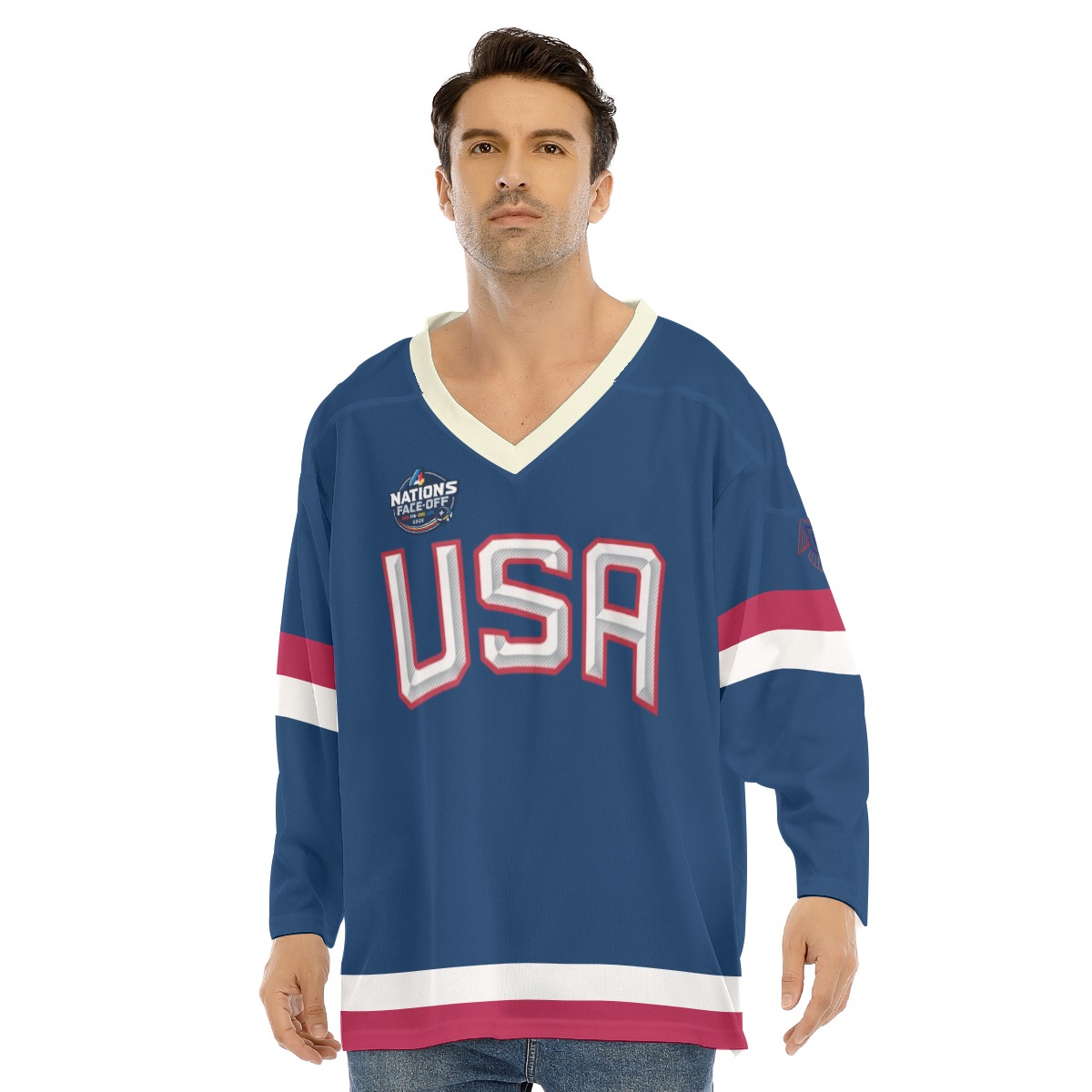
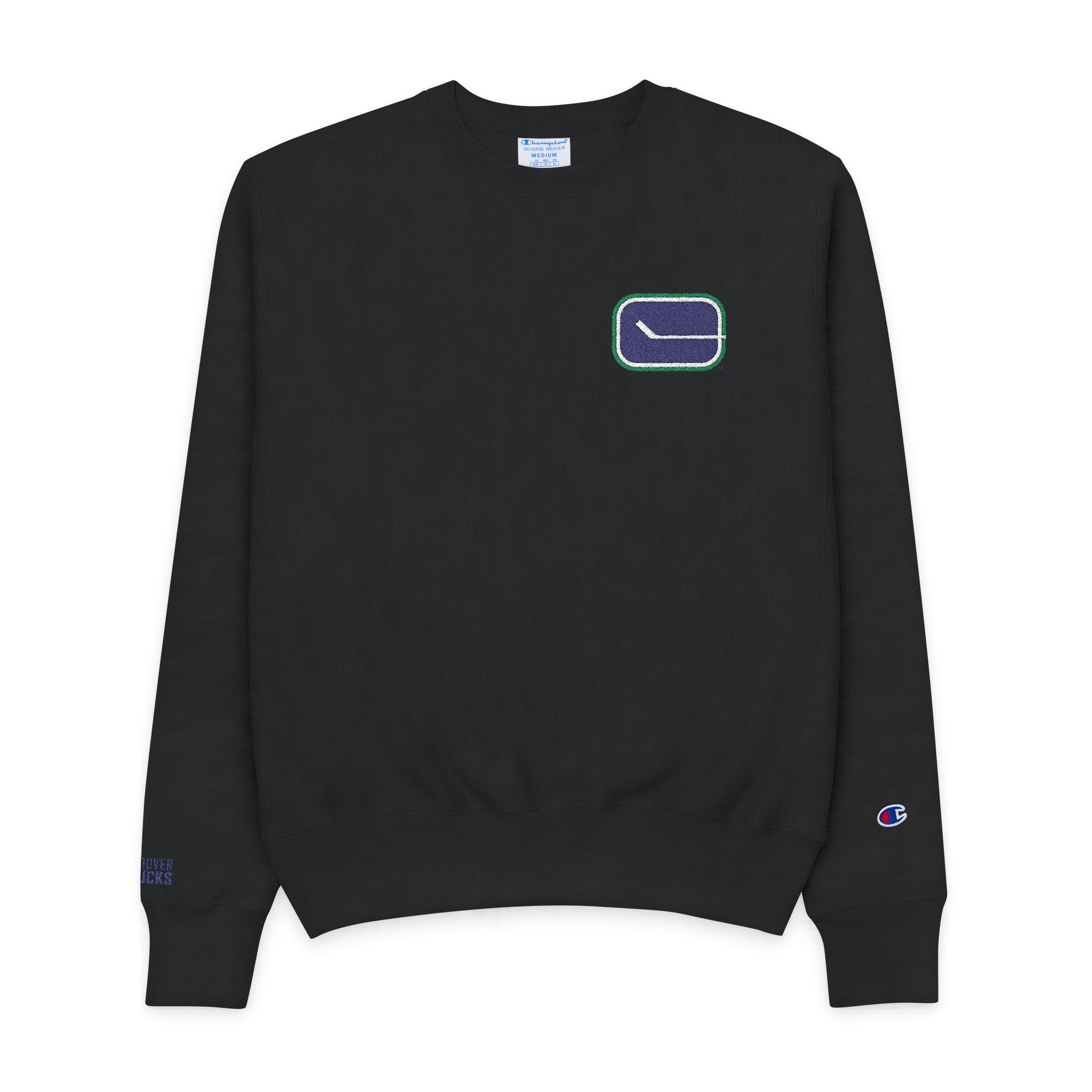
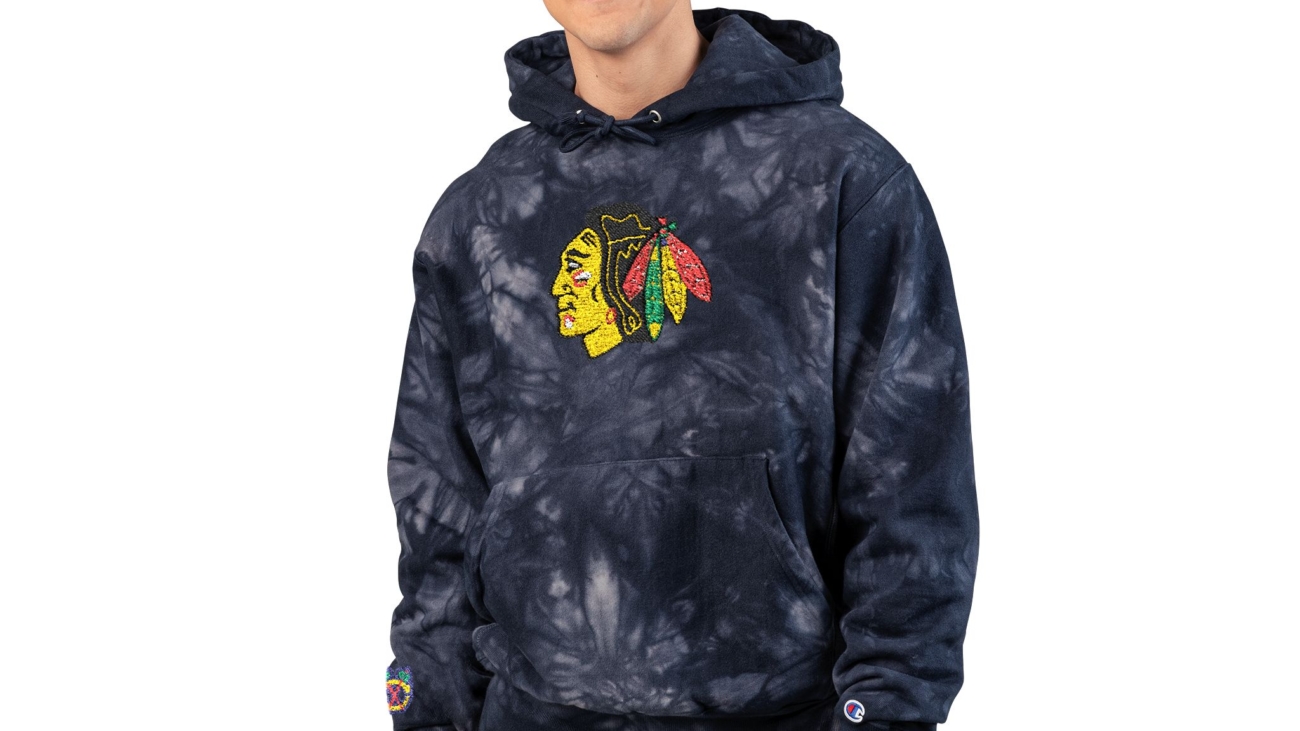
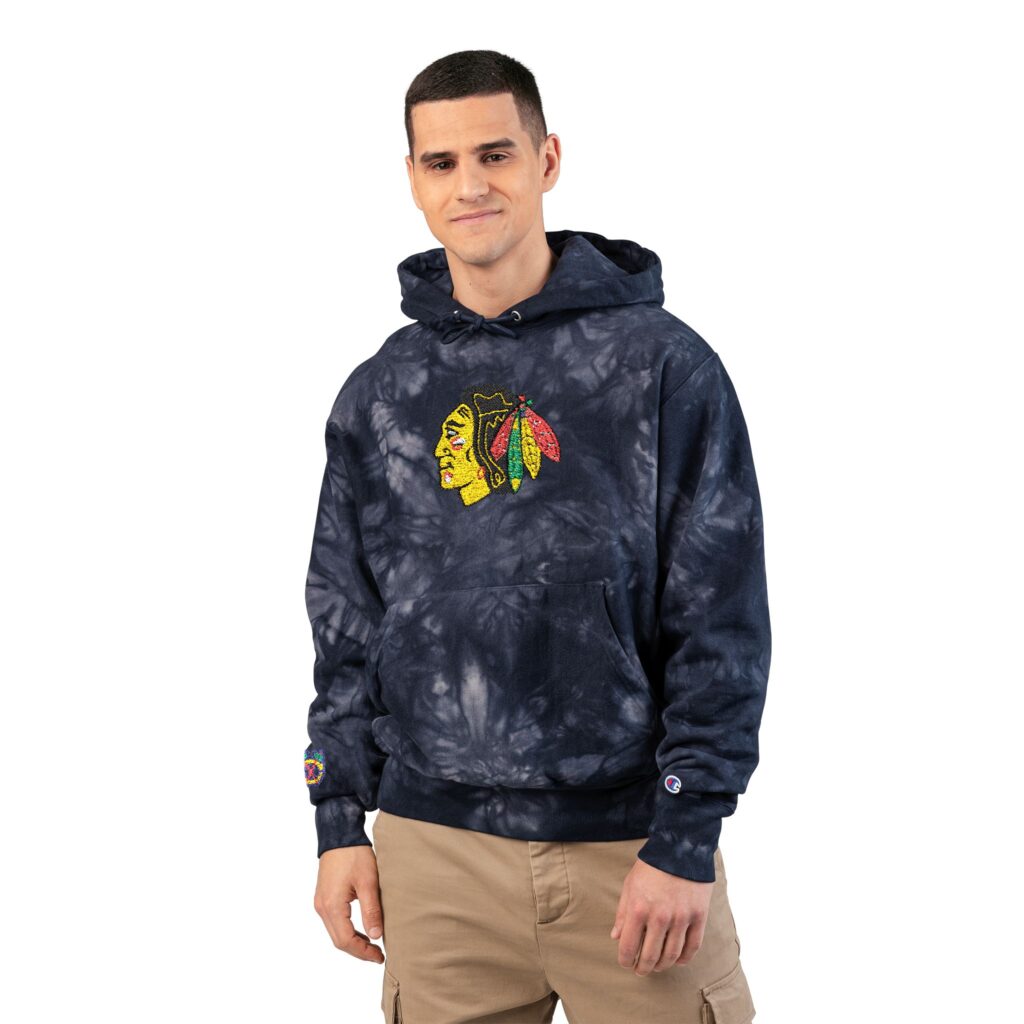
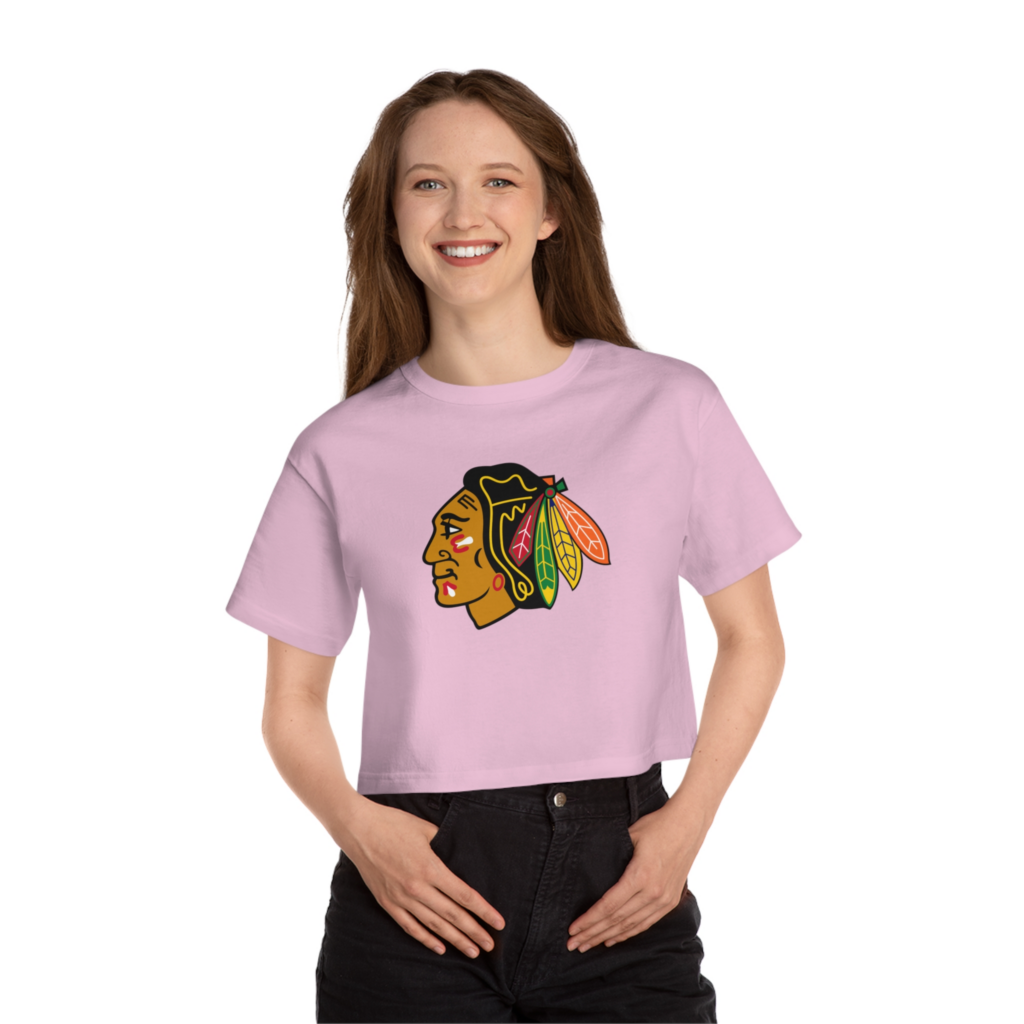
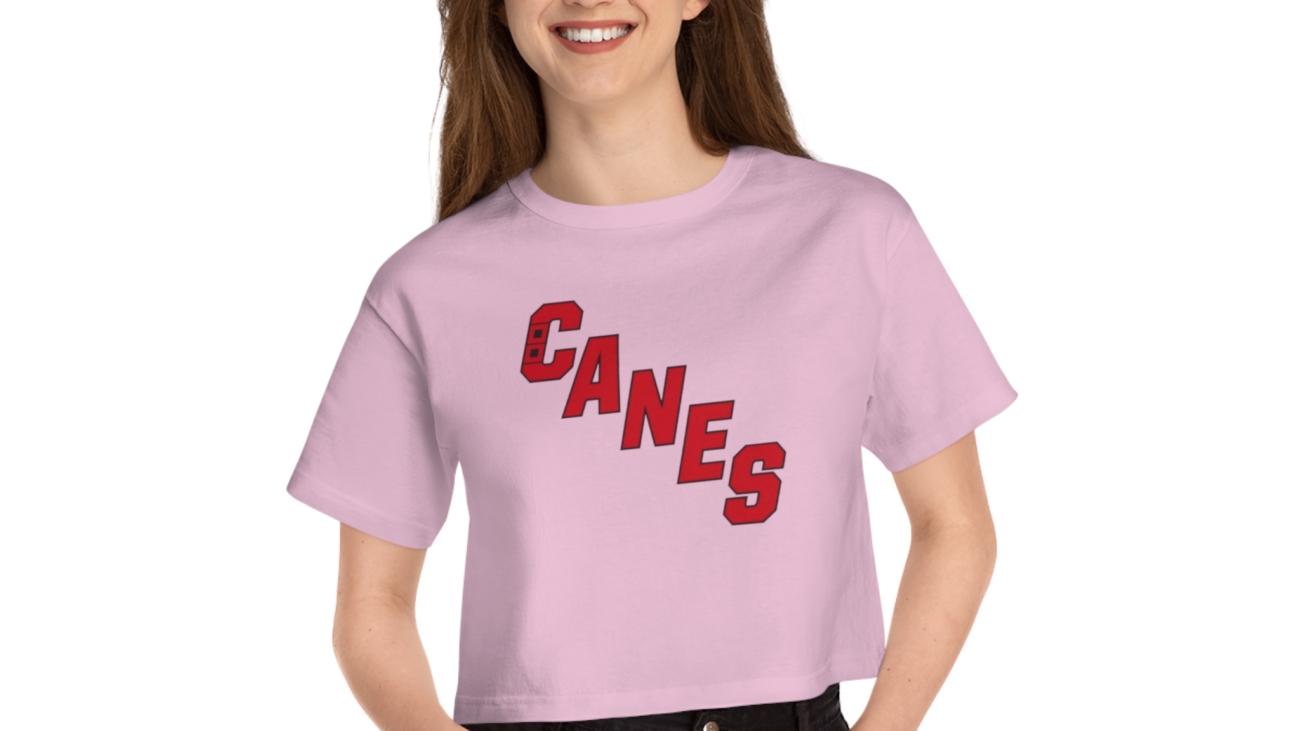
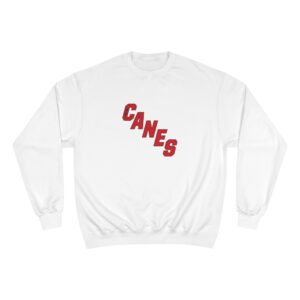
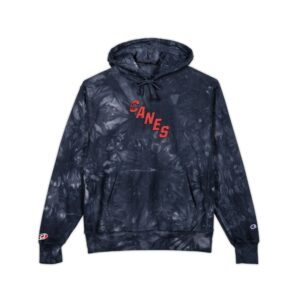
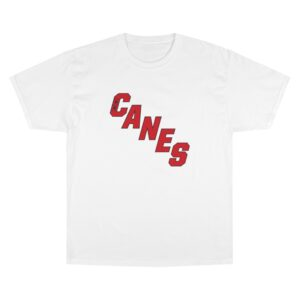
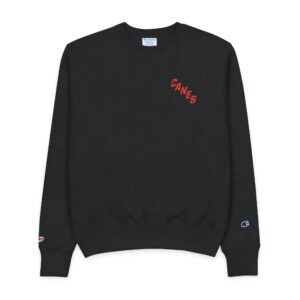
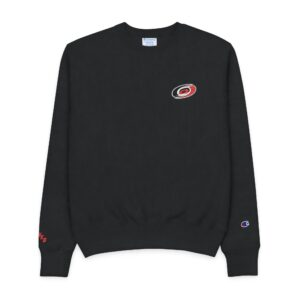
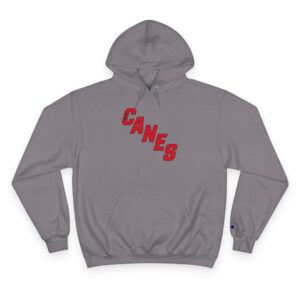
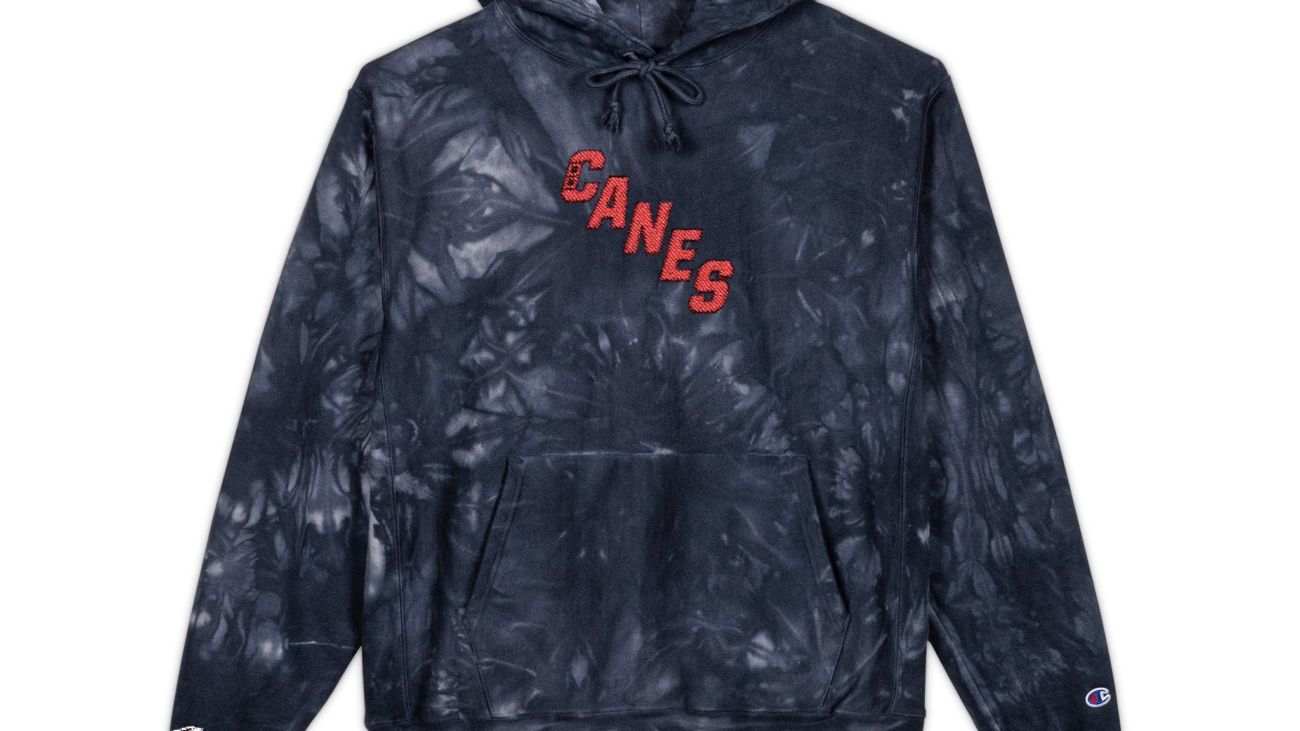
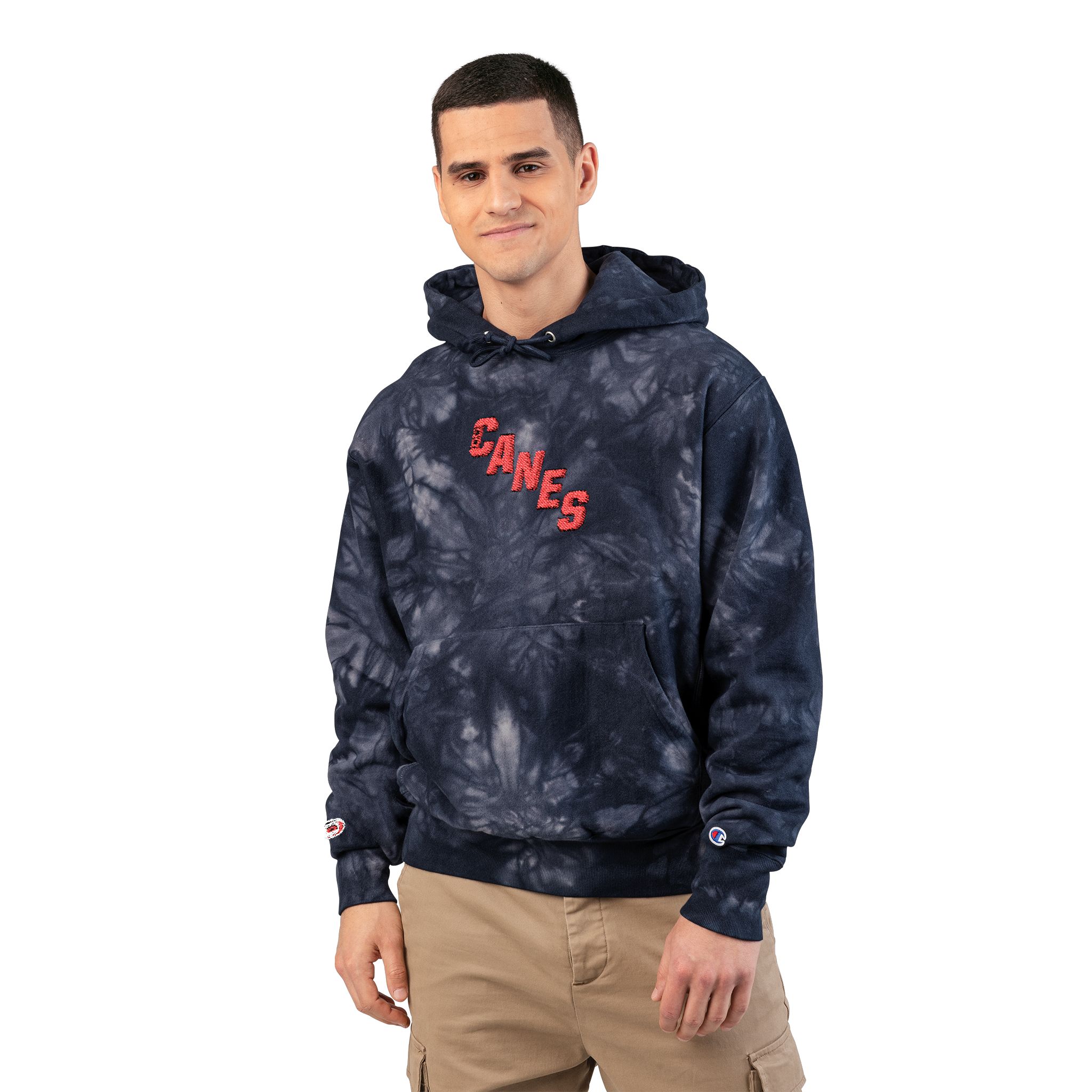
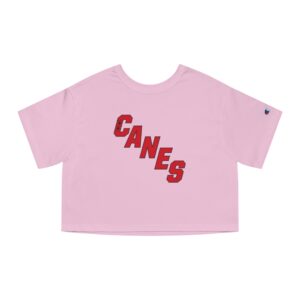
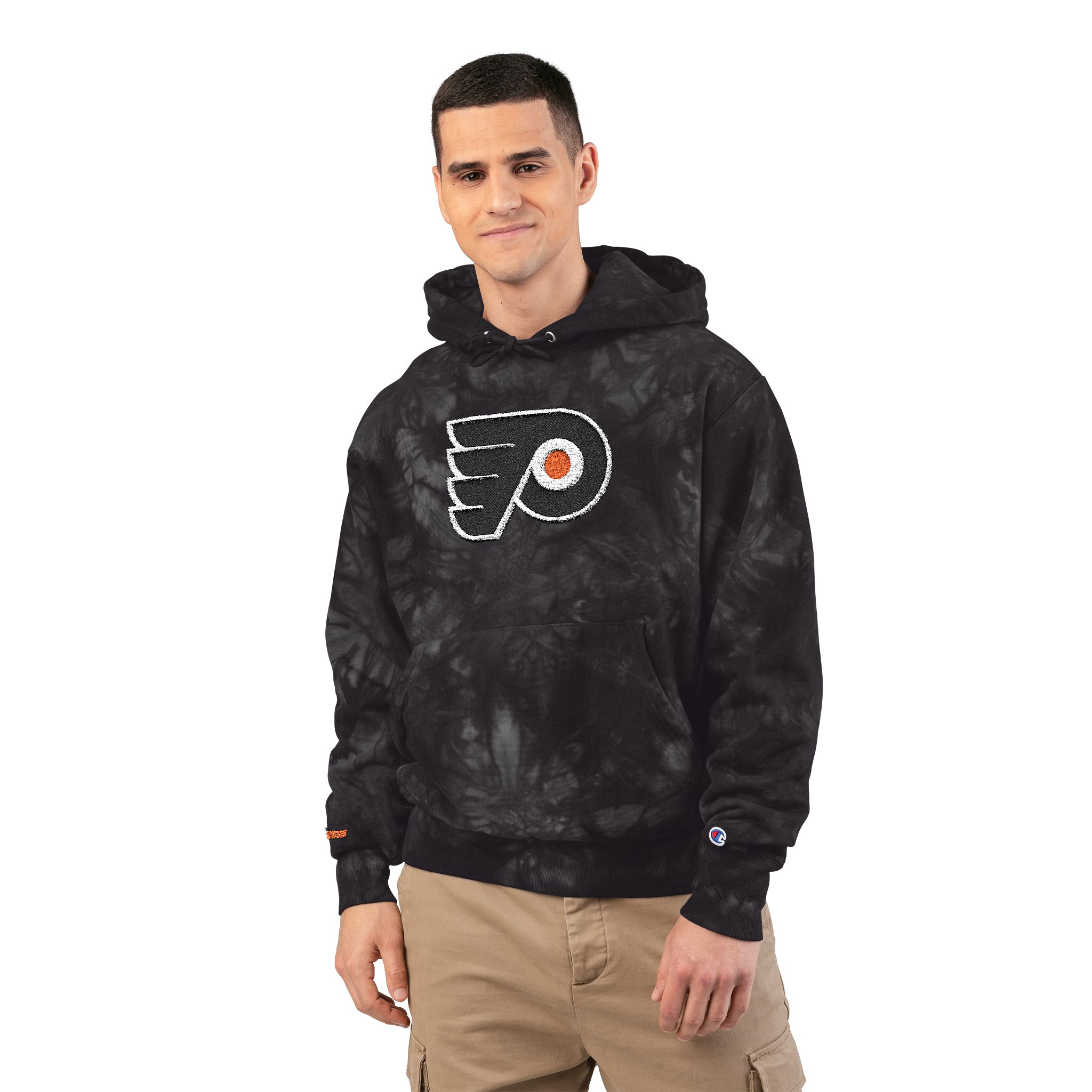
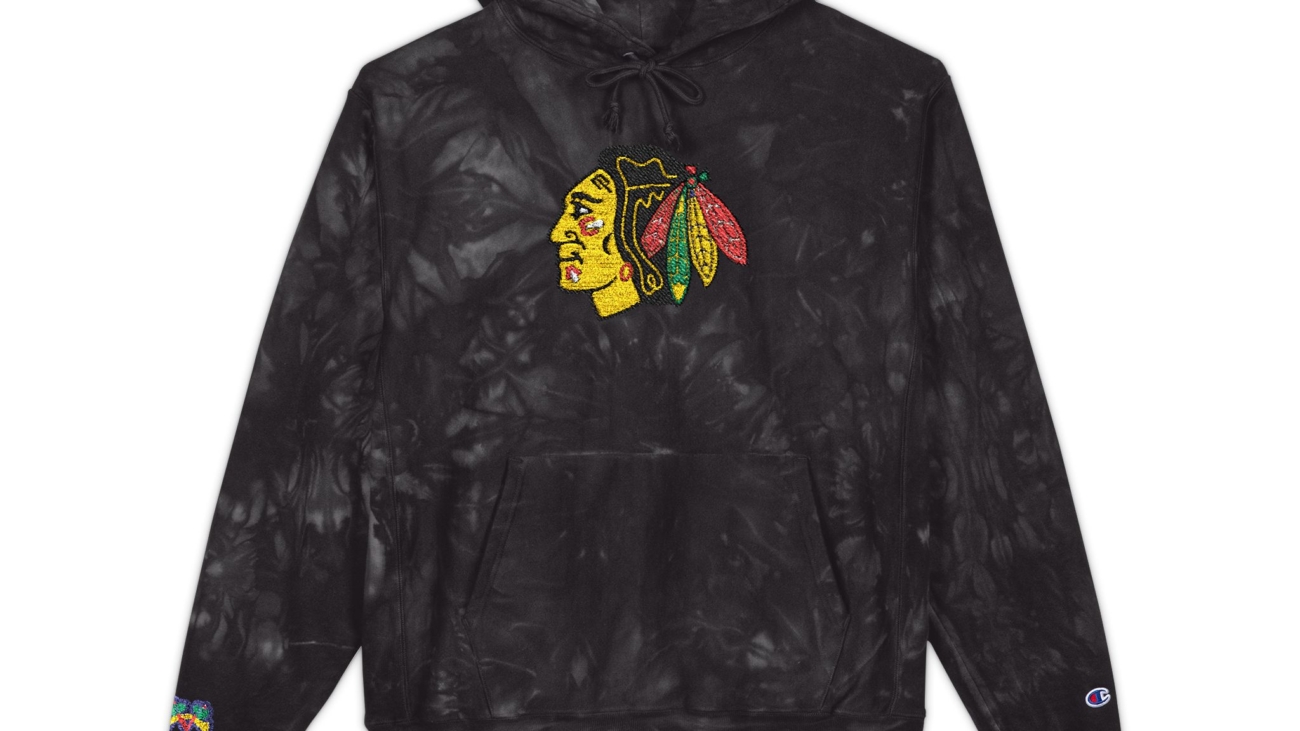
The Champion product line anchors the apparel section of the NHL collection at Pro Merch, and for good reason. Champion has been producing athletic apparel of genuine quality since 1919, and the licensed NHL fanwear they produce reflects that heritage in every detail from stitching to fabric weight to color accuracy. The Los Angeles Kings Champion Hoodie, priced from $69.10 to $79.99 depending on size, is a piece of outerwear that earns its price through the quality of its construction rather than simply the name on the label. The fabric is substantial, the hood is properly proportioned, and the Kings’ color treatment and team graphics are rendered with the accuracy that distinguishes licensed Champion products from mass-market alternatives. The Los Angeles Kings Champion T-Shirt, priced from $36.12 to $49.98, and the Los Angeles Kings Champion Sweatshirt, priced from $64.98 to $74.98, round out the core everyday-wear tier for Kings fans, while the Los Angeles Kings Champion Unisex Packable Anorak Jacket, priced from $74.28 to $84.98, provides the lightweight, packable outerwear option for fans who want team representation in a jacket that functions in any context from the arena to everyday wear. The Los Angeles Kings Men’s Champion Crewneck Sweatshirt at $99.99 sits at the premium end of the everyday apparel tier, a piece whose heavier weight and classic silhouette justify the price for the fan who wants the most substantial and most enduring item in the casual apparel category. At the very top of the apparel collection sits the Los Angeles Kings Unisex Champion Tie-Dye Hoodie with Embroidery, priced from $149.98 to $154.98, a limited-production piece that combines Champion’s craft with a tie-dye colorway and embroidered team mark that elevates it from standard fanwear into something that occupies a different category entirely: a collector’s apparel piece, the kind of item that people hold onto rather than wear into rotation. The Los Angeles Kings Champion Women’s Heritage Cropped T-Shirt, priced from $49.98 to $54.98, ensures that the women’s segment of the Kings fanbase has access to the same quality of Champion product in a silhouette designed specifically for them. The Team USA Men’s V-neck Ice Hockey Jersey at $36.40 rounds out the current featured products, serving the fan whose connection to hockey runs through international competition as much as the NHL itself.
Beyond the current franchise catalog, Pro Merch maintains a dedicated section for the WHA, the World Hockey Association that operated as the NHL’s rival league from 1972 to 1979 and that produced some of the most compelling stories in the history of the sport. The WHA section covers the New England Whalers, the Winnipeg Jets in their original WHA form, the California Golden Seals, the Calgary Cowboys, the Ottawa Senators in their WHA incarnation, and the Philadelphia Blazers, giving vintage hockey collectors and fans of hockey history the opportunity to represent organizations whose stories have been largely absent from the mainstream licensed merchandise market. These are not products that every retailer carries. They exist at Pro Merch because Pro Merch understands that hockey history is worth honoring in its entirety, not just the chapters that are currently active.
The 4 Nations Face-Off section and the Winter Classic section complete the special event categories in the NHL catalog, giving fans of the league’s marquee international and outdoor event traditions dedicated merchandise options that reflect the specific identity of those occasions. The NHL Champion Fanwear section provides a cross-franchise entry point for fans who want the quality of Champion’s hockey product without limiting themselves to a single team affiliation.
The Summer That Sets the Stage: What the 2026 NHL Offseason Means Going Forward
Every offseason produces transactions that reorganize the league’s competitive landscape, but the 2026 edition has produced an unusually clear picture of where power is consolidating and where it is dispersing. Chicago has made the most consequential collection of moves of any single franchise, combining a generational talent’s long-term commitment, a legend’s homecoming, and the highest-paid defenseman contract in league history into a rebuild that looks less like a rebuild every week. Philadelphia has assembled pieces at three different roster positions in a single offseason window. Columbus has resolved its most pressing contractual challenge while navigating ongoing complexity around its most valuable young forwards. Boston has added proven scoring in exchange for future picks. Winnipeg has kept its core intact. Dallas has maintained its key forward on a bridge deal. St. Louis has secured a young piece from a significant trade and immediately locked him into a long-term commitment.
The NHL is a league where the offseason determines the regular season, where the contracts signed in July set the salary cap context that governs every game played from October to June, and where the decisions being made right now by front offices across North America will determine which teams are standing at the end of next season with legitimate Stanley Cup ambitions. Every fan of every franchise has a stake in this summer, and every fan of every franchise who wants to represent their team in the gear that reflects the quality of what they are watching has exactly one place to shop that covers all of it with the depth and the standard of quality that hockey fandom deserves.
Shop the full Pro Merch NHL collection and the complete store at Pro-Merch.com. Customer service is available at 1.609.206.5763 and by email for any questions about products, sizing, or ordering.
There are days on the sports calendar that arrive quietly and leave changed forever. Saturday, June 27, 2026 is one of them. Across every major sport playing right now — from the FIFA World Cup group stage nearing its fever pitch conclusion, to the NHL Draft floor in Buffalo erupting with blockbuster trade after blockbuster trade, to the NBA’s summer of seismic roster reshuffling that is already redefining the Eastern Conference, to a pair of record-breaking performances on a WNBA court in Chicago and a pitcher’s mound in Milwaukee — the sports world delivered an extraordinary volume of genuine history in a single twenty-four-hour window. And right in the middle of all of it, Pro Merch sits as the destination for every fan who wants to hold a piece of this moment in their hands — officially licensed, collector-grade merchandise across every league and every team that matters, including the most exciting FIFA World Cup 2026 collectible collection available anywhere online.
This is the full story. Every sport. Every headline. Every moment that will be talked about for years.
The 2026 FIFA World Cup: Cinderella Stories, Shocking Exits, and Hat-Trick Brilliance
The expanded 48-team FIFA World Cup — the first in history to feature this many nations, spread across the United States, Canada, and Mexico in what is the most geographically ambitious tournament ever staged — is delivering exactly the kind of unpredictable, emotional, borderline unbelievable theater that soccer at its greatest always promises and so rarely fully delivers. The group stage is wrapping up, the Round of 32 is taking shape, and the storylines coming out of June 27 are the ones that will define this entire edition of the tournament.
Cape Verde has done something that seemed almost structurally impossible in the modern game: the small island archipelago nation in the Atlantic, with a population smaller than many individual American cities, drew goalless with Saudi Arabia to clinch their spot in the knockout rounds — becoming, by any measure of national size and footballing pedigree, the most unlikely team ever to advance past the group stage of a World Cup. They will face world champions Argentina in the Round of 32, a matchup so lopsided on paper and so compelling as a sporting narrative that it almost feels engineered by the tournament itself. The Albiceleste, fresh off back-to-back tournament dominance, versus the smallest nation to ever reach this stage. If that is not what football is for, nothing is.
Meanwhile, the tournament did not wait long to remind the established powers that nothing is guaranteed. Uruguay — a nation with two World Cup titles, an iconic goalkeeper in Fernando Muslera, and a squad led by the tactical obsession of Marcelo Bielsa — was eliminated from the group stage when Spain claimed a 1-0 victory on a goal made possible by a brutal Muslera error. La Roja claims the top spot in Group H. Uruguay, a footballing nation that has been among the sport’s most consistent forces for over a century, goes home early. In a 48-team tournament built to expand possibility, it is a sobering reminder that bigger fields do not protect giants from falling — they just give more people the chance to watch when they do.
On the same day, France served notice to the rest of the competition that they intend to go very deep in this tournament. Ousmane Dembélé, playing with the kind of fluid explosive confidence that defines him at his absolute ceiling, completed a hat-trick in a dominant 4-1 dismantling of Norway. The result was complicated by Norway’s controversial decision to rest Erling Haaland — a choice that drew immediate and fierce criticism — but Les Bleus’ performance was not diminished by the context. Dembélé was electric. France was clinical. And the message sent to the rest of the bracket was clear.
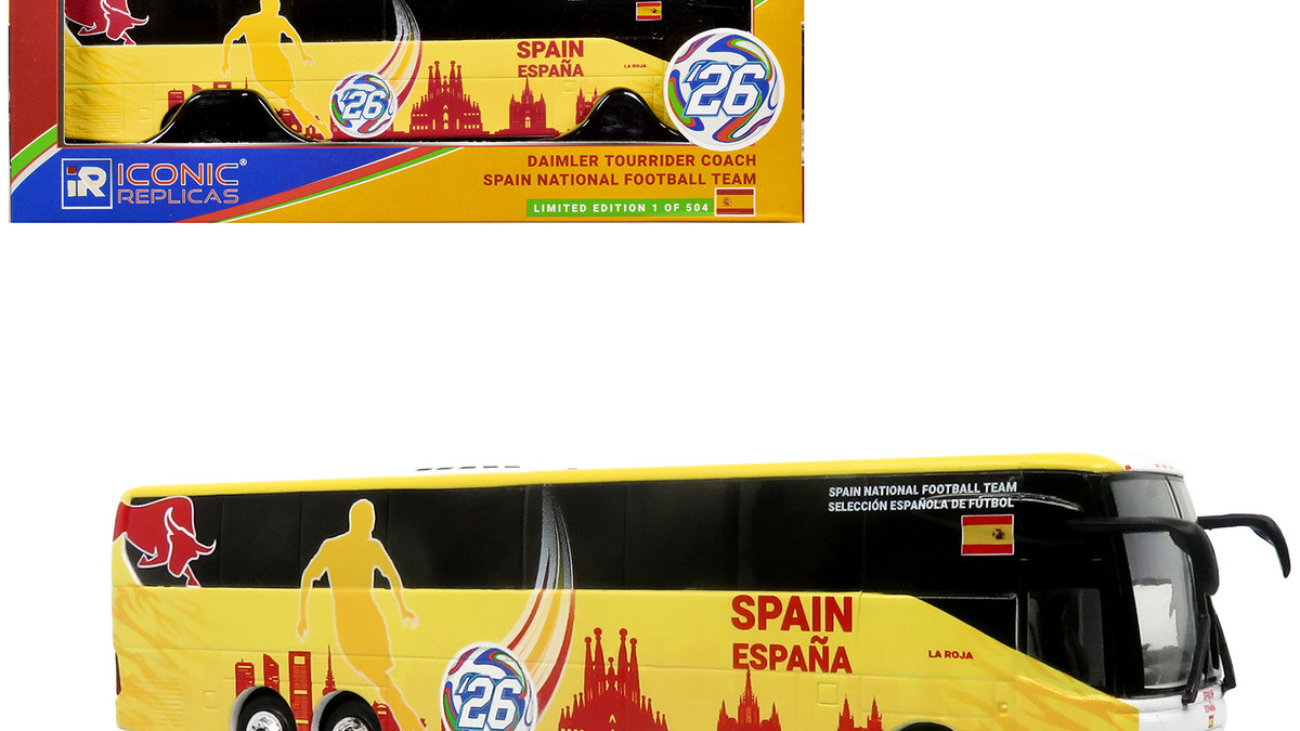
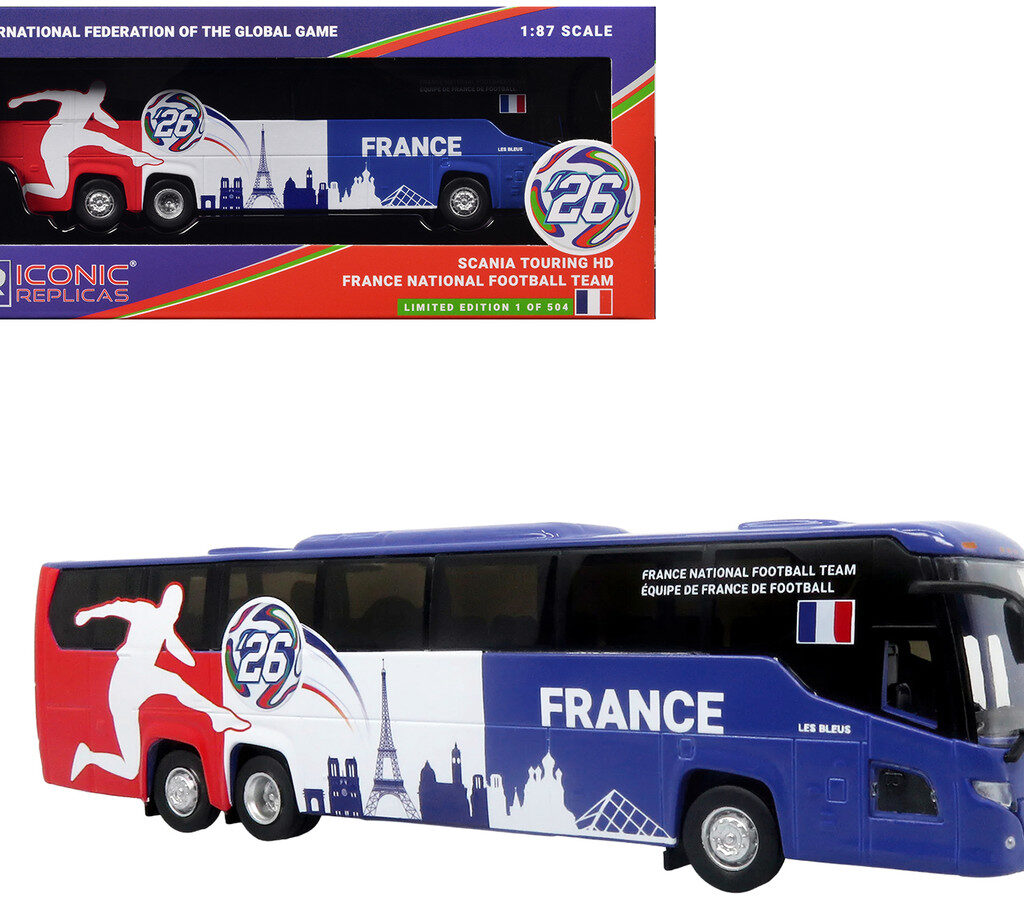
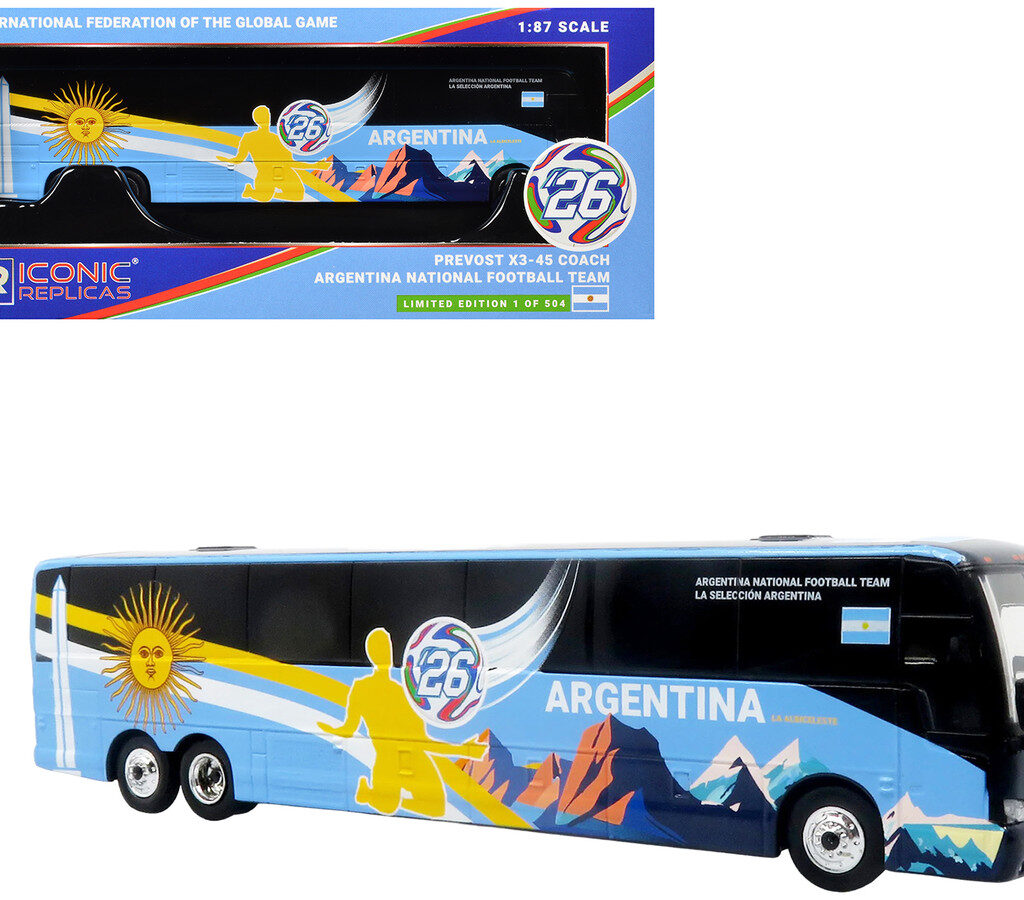
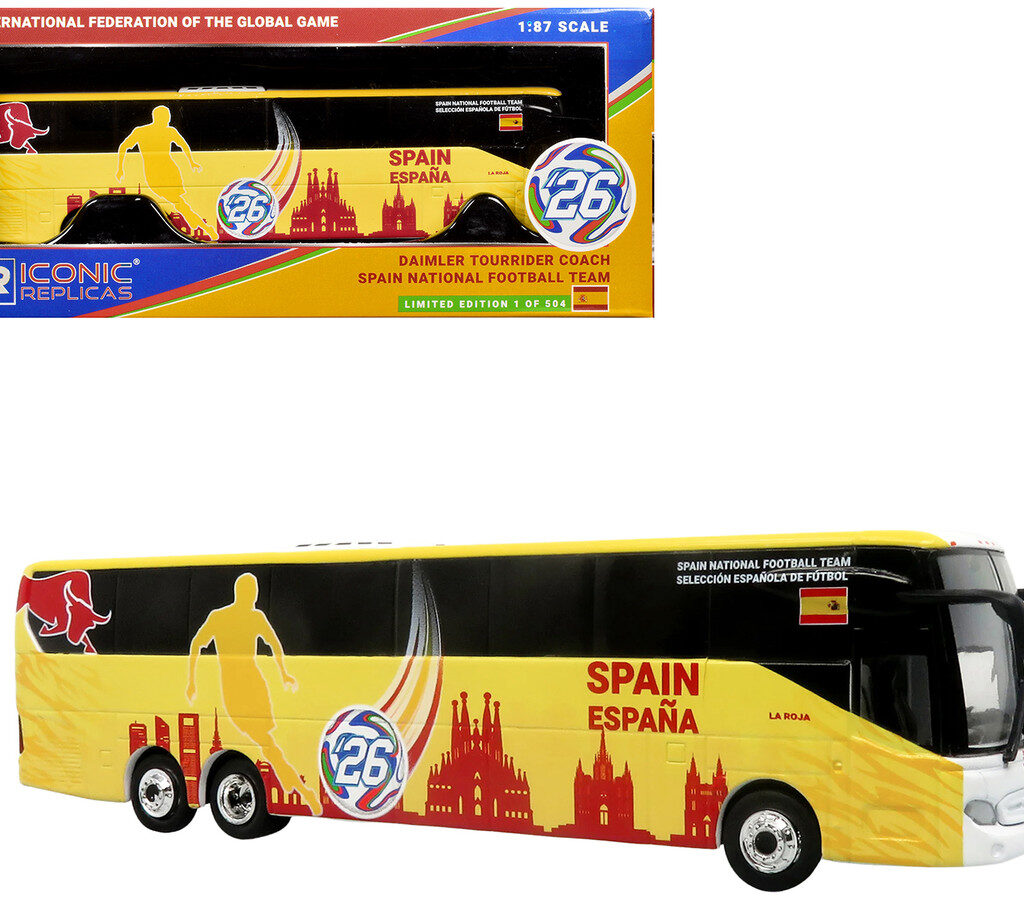
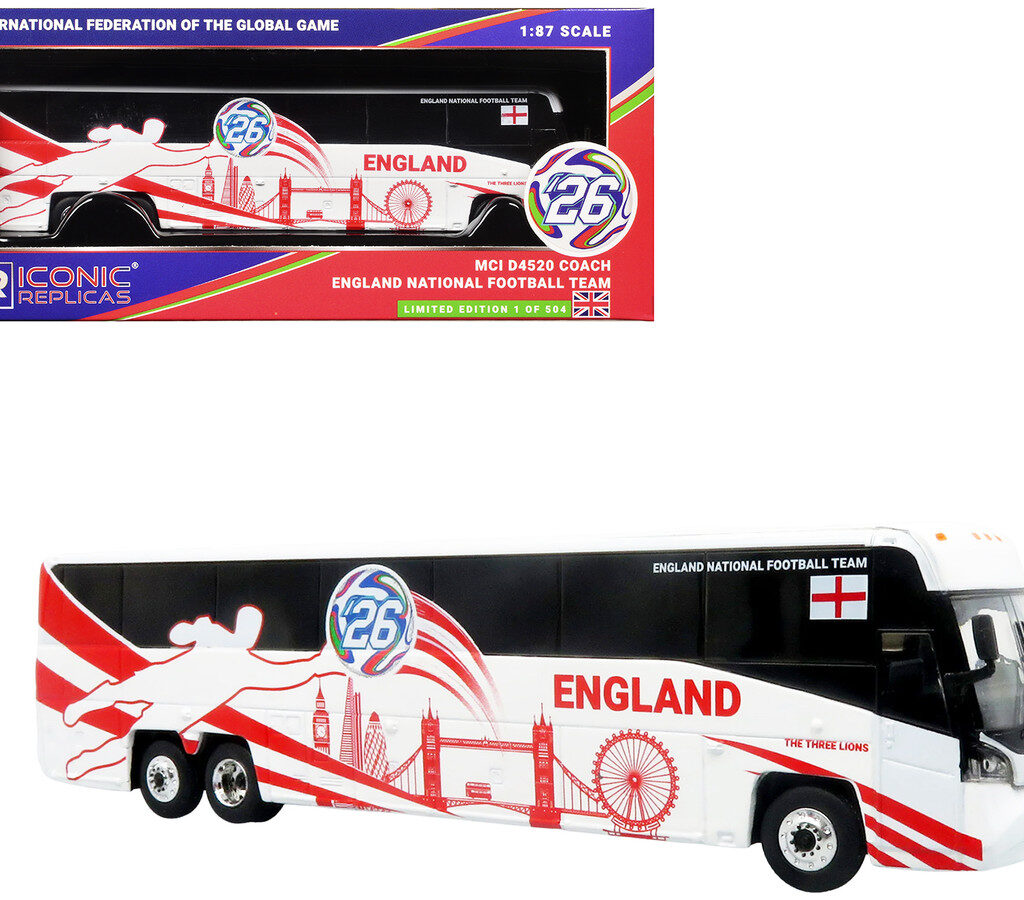
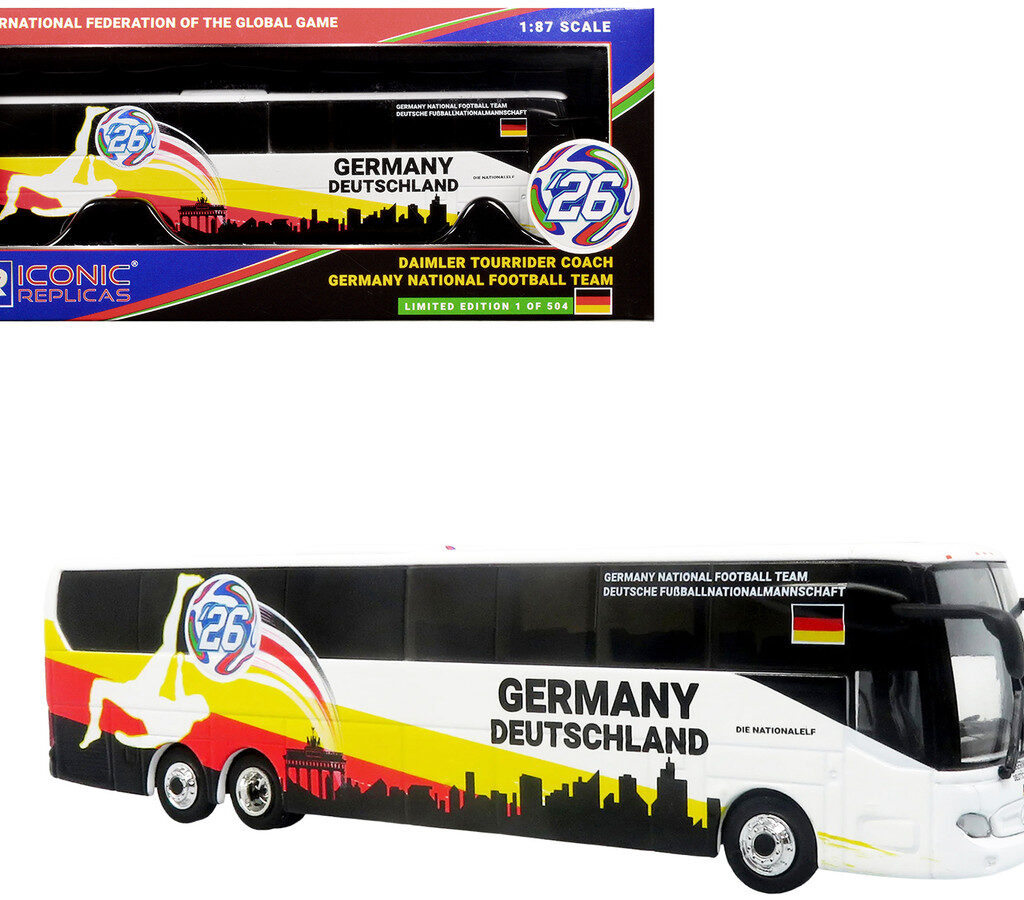
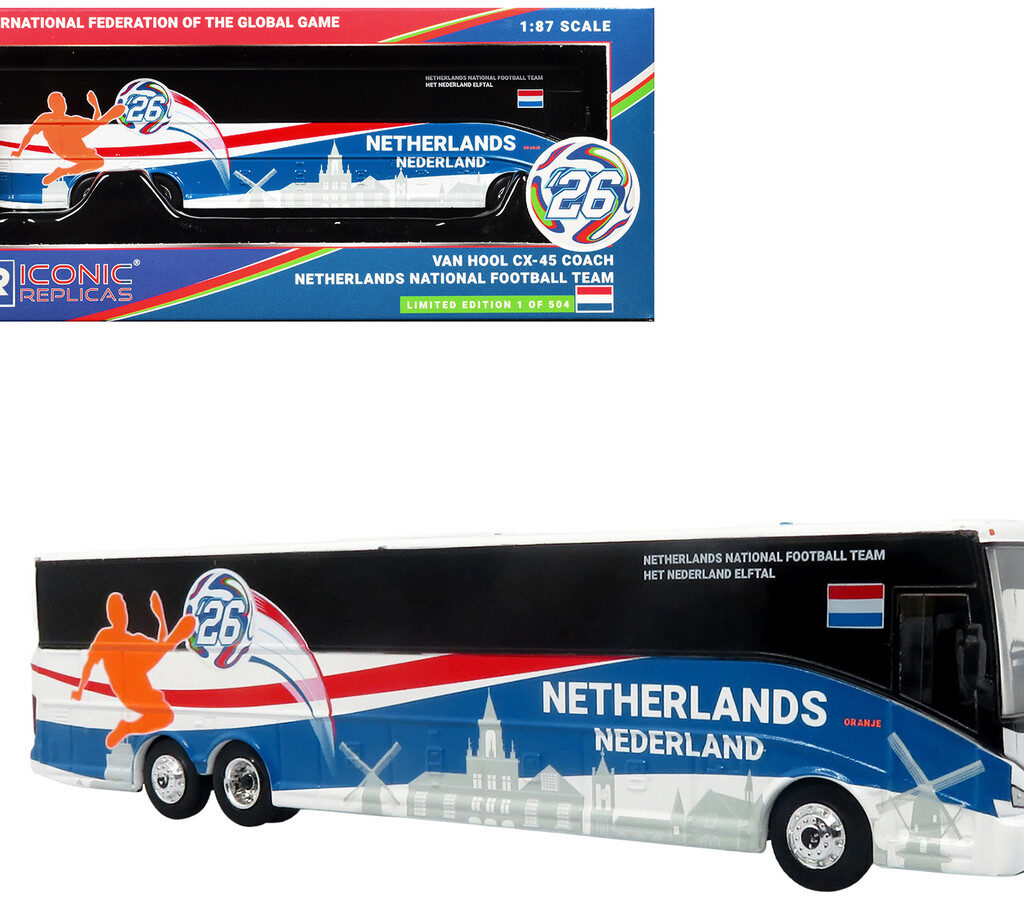
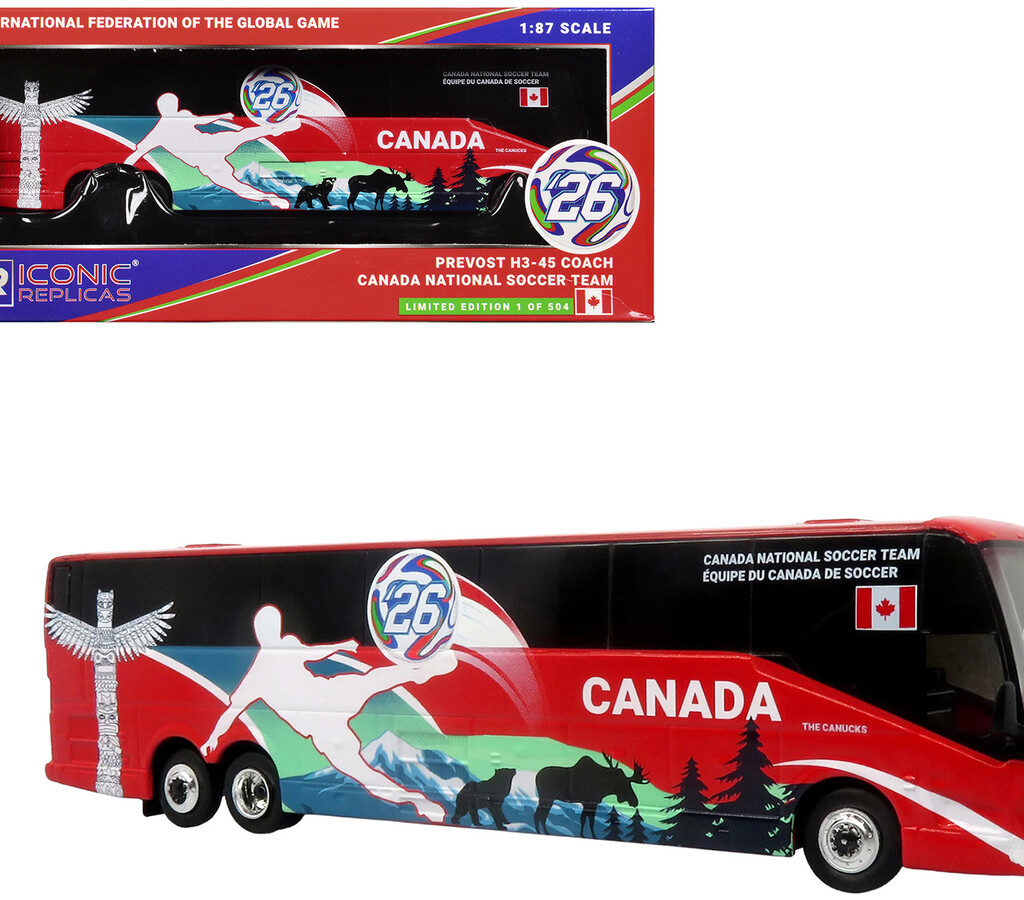
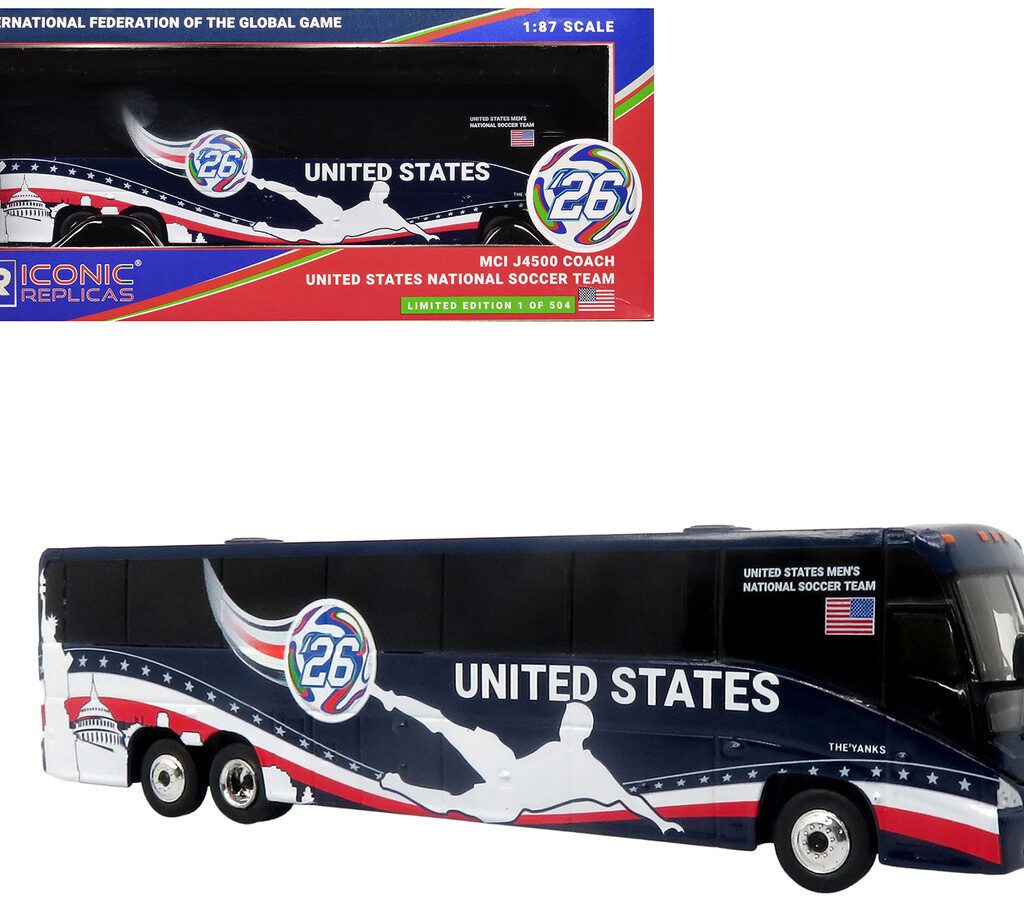
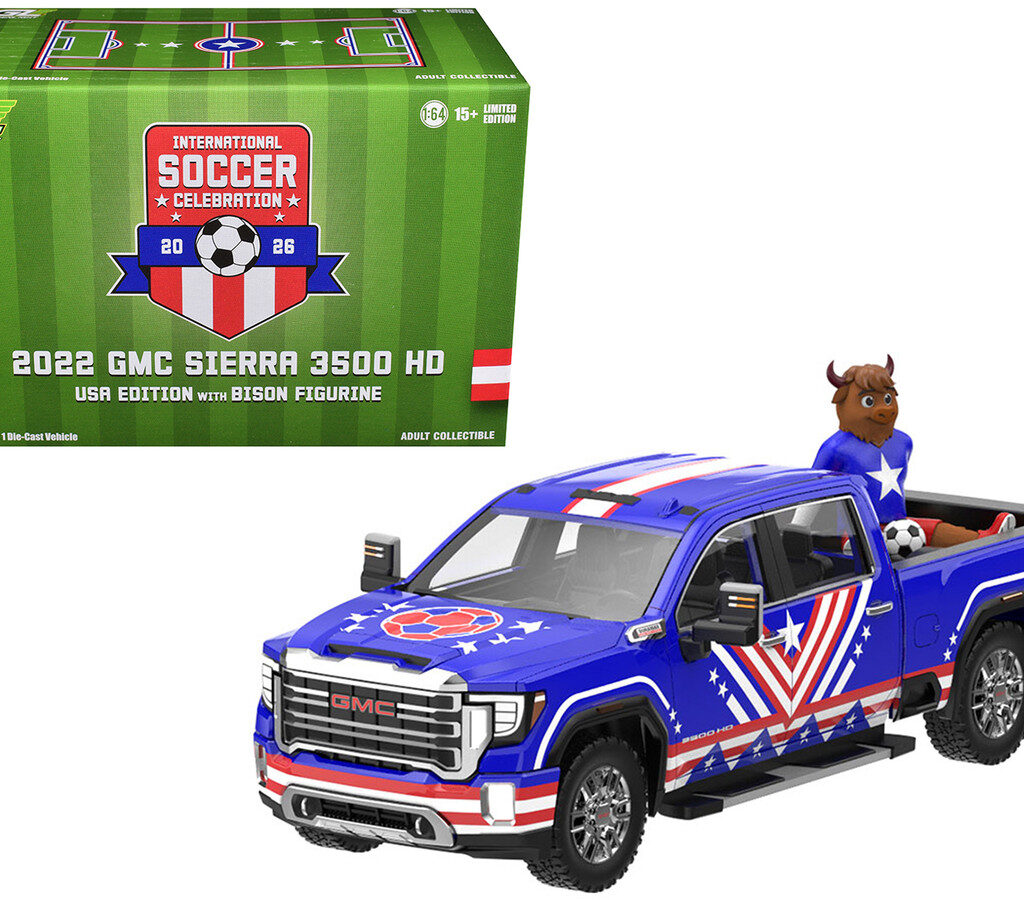
Also playing out today: Colombia meets Portugal at Hard Rock Stadium in Miami, England closes out their group against Panama having already secured qualification, and Jordan faces Argentina at AT&T Stadium in Arlington, Texas. The World Cup is everywhere, it is everything, and it is happening right now on home soil for the first time in a generation. For fans who want to own a piece of this once-in-a-lifetime tournament, the Pro Merch FIFA World Cup 2026 collection — 73 products deep and growing — is the finest and most collector-focused assemblage of World Cup merchandise available from any single retailer. Greenlight Collectibles’ International Soccer Celebration ’26 Series of 1/64 die-cast GMC Sierra pickup trucks, representing the United States with a bison figure, Canada with a moose figure, and Mexico with an eagle figure, are priced at $24.69 each and capture the spirit of the three host nations in exquisite miniature form. Iconic Replicas’ International Federation of the Global Game Series — 1/87 HO scale coach buses for France, Brazil, Mexico, Netherlands, the United States, and Canada, each limited to just 504 pieces worldwide at $57.15 — are the kind of limited-run, precision-made collectibles that define a tournament for decades. These are not keepsakes that sit in a drawer. They are objects that hold value and carry memory.
The NHL Draft: Buffalo Erupts, Gavin McKenna Goes First, and the Trade Machine Never Stops
While the World Cup was unfolding on pitches from Miami to Arlington, the Keybank Center in Buffalo was in the grip of its own brand of high-stakes chaos. The 2026 NHL Draft — held across June 26 and 27 in what is also the first time Buffalo has hosted since 2016 — delivered one of the most trade-frenzied, roster-reshaping draft weekends in recent memory, and the night ended with the league looking genuinely different than it did when it started.
The Toronto Maple Leafs held the first overall pick for the first time since they selected Auston Matthews in 2016, and they used it exactly as everyone expected: Penn State phenom Gavin McKenna, the most hyped prospect in this draft class and one of the most anticipated number-one selections in years, became a Maple Leaf. The San Jose Sharks went second, selecting Ivar Stenberg, and the Vancouver Canucks rounded out the top three with Caleb Malhotra.
But the picks themselves were almost secondary to the volume of transactions happening simultaneously on the draft floor. The New York Rangers, who entered the draft with two first-round picks, leveraged that capital in a way that will define their roster for years: they traded the No. 26 pick, the No. 92 pick, and a conditional 2028 first-rounder to the Vegas Golden Knights for Pavel Dorofeyev, a 25-year-old forward coming off back-to-back seasons of at least 35 goals. The Rangers then immediately moved to lock Dorofeyev down on a seven-year extension — turning a single draft night transaction into a decade-long commitment to a player who had been one of the most dangerous pure goal-scorers in the league.
The Anaheim Ducks made a more painful but strategically calculated move: Mason McTavish, the No. 3 pick from the 2021 draft and a player who was supposed to be the cornerstone of Anaheim’s rebuild, was dealt to the St. Louis Blues. The Blues surrendered the No. 15 and No. 29 picks to pry him away. McTavish is 23, still ascending, coming off what the Blues’ own general manager acknowledged was a down year — but his pedigree, his contract situation, and his upside made him exactly the kind of move St. Louis needed to accelerate their rebuild. The Ducks’ GM Pat Verbeek noted the decision crystallized when Nikita Klepov fell to the 15th pick, giving Anaheim the ability to replenish youth while moving on from a centerpiece that was perhaps not the right fit for their immediate future.
The Boston Bruins were also busy: they landed JJ Peterka from the Utah Mammoth in exchange for the No. 23 pick and a 2028 first-rounder, adding a proven offensive winger to a roster that needed scoring punch. The Washington Capitals shipped Jordan Kyrou to themselves — wait, more accurately, the Capitals acquired Kyrou from the Blues while sending McMichael, Gastrin, and the No. 16 pick the other direction, another significant reshuffling that continues to make the Western Conference look like a different conference than it was a week ago. The Buffalo Sabres, as the host team, used their home ice advantage to lock Zach Benson to a seven-year, $52.5 million commitment — a statement of organizational faith in a player entering the next phase of his development. The Blackhawks acquired Bowen Byram from the Sabres in a deal that gives Chicago a cornerstone defenseman to pair with their young core as their rebuild gains momentum.
Rounds 2 through 7 continue Saturday morning from Buffalo, and the trade pace shows no sign of slowing. For NHL fans looking to gear up for whatever their team just became, Pro Merch carries licensed merchandise for every franchise in the league, from the Maple Leafs who now own the future, to the Blues who just made a significant bet on it, to every team in between.
The NBA: Giannis Goes to Miami, LaMelo Heads to Minnesota, and the League’s Landscape Shifts Again
The NBA offseason does not officially open its free agency window until June 30, but the league has never been particularly respectful of its own calendar when there are superstar-level moves to be made. The past seventy-two hours have delivered two of the most significant trades of the modern era, both of them reshaping Eastern Conference title contention in ways that will echo for years.
The headline that started it all: Giannis Antetokounmpo, the two-time MVP, the Greek Freak, the player who delivered Milwaukee its first championship since 1971 in 2021, is no longer a Milwaukee Buck. In a late-night blockbuster that ended what had become a year-long trade saga, the Bucks sent Antetokounmpo and Bobby Portis to the Miami Heat in exchange for Tyler Herro, Kel’el Ware, Jaime Jaquez Jr., Kasparas Jakučionis, the No. 13 pick in this year’s draft, and three future first-rounders plus a pick swap. The Heat, who have not had a player finish in the top ten of MVP voting since LeBron James was runner-up in 2014, have now landed one of the three or four best players in the entire league. Miami’s reputation as a destination for stars is more than restored — it is emphatically confirmed.
For Milwaukee, the price was painful but the return was thoughtful: Herro is a proven offensive weapon, Ware is one of the most promising young bigs in the league, and the accumulation of future picks gives a franchise the flexibility to build again. The Bucks drafted around Antetokounmpo for a decade and won once. Now they rebuild, and rebuild they must.
The second seismic move: LaMelo Ball is a Minnesota Timberwolf. The Charlotte Hornets completed a trade sending their franchise point guard — the No. 3 pick from the 2020 draft, one of the most gifted playmakers of his generation, a player the Hornets built their identity around — to Minnesota for a package headlined by Naz Reid and an unprotected 2033 first-round pick, along with three first-round pick swaps and three second-round picks. Ball will now play alongside Anthony Edwards, forming one of the most exciting — and stylistically unconventional — backcourt pairings in basketball. The fit questions are real: both Ball and Edwards want the ball in their hands and both are at their best as primary initiators. Whether coach Chris Finch can find a functional division of labor between them will be one of the most compelling storylines of the 2026-27 season. The Timberwolves gave up an enormous amount of future capital to find out.
Elsewhere, the Oklahoma City Thunder — who have been operating under the constant pressure of luxury tax math — secured center Isaiah Hartenstein to a three-year, $75 million extension, ensuring that the defensive anchor of one of the league’s best frontcourts stays in place. The Los Angeles Lakers locked up Austin Reaves on a four-year, $185 million maximum deal, ensuring that the player who has emerged as Luka Doncic and LeBron James’s most important supporting piece is not going anywhere. And the Knicks are navigating the tension between owner James Dolan’s reluctance to go into the second apron and a front office that believes the depth necessary to defend their 2025-26 championship requires exactly that. That internal conflict will be one of New York’s defining offseason narratives.
The NBA section at Pro Merch covers all thirty teams, meaning whether you are a Heat fan celebrating the arrival of the Greek Freak, a Timberwolves supporter trying to figure out what this LaMelo era looks like, or a Bucks loyalist processing the end of a dynasty, there is licensed gear waiting for you.
The WNBA: Kamilla Cardoso Delivers the Most Efficient Game in League History
Friday night at Wintrust Arena in Chicago produced one of those performances that stops people mid-conversation and makes them pull out their phones to confirm what they are reading is real. Kamilla Cardoso, the Chicago Sky center and former South Carolina Gamecock who was the No. 3 pick in the 2024 WNBA Draft, shot a perfect 13 for 13 from the field — the most field goals ever made without a miss in WNBA history — and scored a career-high 30 points with eight rebounds to lead the Sky to a 124-94 obliteration of the expansion Portland Fire.
The record she shattered belonged to Nneka Ogwumike, who went 12 for 12 in 2016 and finished with 32 points — the only other player to score 30 in a game while shooting 100 percent. Cardoso played just 24 minutes. She set the record on an open layup off a Sydney Taylor feed in the third quarter and was subbed out shortly after, the game well in hand. The implication is almost absurd: she went 13 for 13 in twenty-four minutes of court time. There were simply no misses to be had.
Chicago also set a WNBA record with 38 assists in the same game — the previous mark of 37 was set by the Seattle Storm. It was a record-setting night at an institutional level, with the Sky’s 124 points representing a franchise record and the second-highest point total in regulation in league history. Sydney Taylor added 29 points of her own. Courtney Vandersloot returned from a torn ACL to contribute 10 points and 7 assists in her first game back. The Sky improved to 6-12, still well back in the standings — but on this particular night, none of that context mattered. Cardoso’s performance exists in a category by itself, the kind of game you tell people about later regardless of what the record shows.
MLB: Milwaukee’s Misiorowski Keeps Rewriting the Velocity Record Book
Jacob Misiorowski is doing something to the record books that pitchers simply do not do. The Milwaukee Brewers right-hander registered yet another historically fast pitch as a starting pitcher — with reports of a 105.5 mph reading on the radar gun, a figure that puts him in a category occupied by essentially no one who has ever started a baseball game for a living. Misiorowski has been stretching the boundaries of what human arms are understood to be capable of at the starting pitcher level, and each outing adds another data point to what is becoming one of the most remarkable velocity stories in the history of the sport.
For context: the hardest pitches in MLB history have almost always come from relievers, who can air it out for a single inning rather than managing effort across a full start. A starter who can approach and break the 105 mph threshold across multiple innings of work is not just a good story — it is a genuinely unprecedented athletic phenomenon. Misiorowski is young, his command is continuing to develop, and the Brewers are managing his workload carefully. But every time he takes the mound, the radar gun tells a story that baseball has never fully told before.
The broader MLB landscape also saw the New York Mets fire manager Carlos Mendoza following a difficult stretch, the Chicago Cubs continue a torrid run behind Danby Swanson’s offensive tear, and ongoing trade activity as teams approach the mid-season deadline with varying degrees of urgency. For baseball fans, Pro Merch carries licensed merchandise for all thirty MLB franchises.
The Bigger Picture: Why Today Matters for Every Fan
There is something important to acknowledge about a day like June 27, 2026 beyond the individual scorelines and transaction details: it is a day that demonstrates, as clearly as any single day on the sports calendar has in years, why being a sports fan in the summer of 2026 is an extraordinary thing to be. The World Cup on home soil. The NHL rebuilding itself in real time. The NBA’s best player changing teams in a deal that resets the Eastern Conference. A WNBA center achieving statistical perfection. A baseball pitcher throwing harder than anyone his position has ever thrown. These are not routine developments that happen every season. These are moments that define eras.
The impulse that draws fans to merchandise — to jerseys and collectibles and signed items and scale models and officially licensed gear — is the impulse to mark these moments physically, to have something in hand that says: I was here when this happened, I followed this team, I was part of this. That impulse is what drives Pro Merch. From the NFL to MLB to NBA to NHL to NCAA to the FIFA World Cup 2026 to MLS to the Premier League to the historic Negro Leagues, the catalog at Pro-Merch.com is built around the conviction that sports fans deserve access to merchandise that is genuinely worth owning — products from brands that honor the authenticity of the teams and events they represent, at price points that make collecting accessible without sacrificing quality.
The Greenlight die-cast trucks at $24.69. The Iconic Replicas coach buses at $57.15, limited to 504 pieces worldwide. The full-range licensed fanwear across every franchise in every league. The vintage series. The WHA throwbacks. All of it, in one place, curated by people who take sports as seriously as the fans who shop there.
Days like today are why Pro Merch exists. And days like today are why the collection keeps growing — because history keeps happening, and history deserves to be collected.
There are championship seasons that feel improbable, championship seasons that feel overdue, and championship seasons that redefine an organization. The Carolina Hurricanes’ remarkable 2026 Stanley Cup run belongs firmly in the final category. Twenty years after lifting hockey’s most prestigious trophy for the first time, the Hurricanes have once again climbed to the summit of the NHL, completing one of the most dominant postseason performances of the modern era and delivering a championship that will be remembered throughout the hockey world for decades.
For Carolina fans, this was more than a title. It was the culmination of years of organizational patience, player development, coaching stability, and unwavering belief. For the NHL, it was the validation of a franchise that has spent years building one of the league’s most respected cultures. And for hockey supporters looking to celebrate one of the most impressive championship runs in recent memory, the Carolina Hurricanes collection at Pro Merch has become a destination for commemorating a season that transformed an already respected franchise into a Stanley Cup champion once again.
The journey ended in Las Vegas, but the foundation for this championship was built long before the final horn sounded in Game 6.
When the Hurricanes skated onto the ice with an opportunity to secure the Stanley Cup against the Vegas Golden Knights, they carried the confidence of a team that had consistently answered every challenge placed before it throughout the postseason. They had survived pressure situations. They had overcome talented opponents. They had displayed defensive discipline, offensive depth, elite leadership, and a relentless commitment to team-first hockey.
What followed was a championship-clinching performance worthy of the moment.
Carolina shut out Vegas 3-0 in Game 6, silencing a hostile arena and capturing the second Stanley Cup in franchise history. The victory completed a remarkable postseason run and delivered the franchise’s first championship since 2006. Twenty years is a long time in professional sports. Entire generations of fans had never experienced a Hurricanes Stanley Cup celebration. Players came and went. Seasons began with promise and ended with disappointment. Yet through it all, the organization continued building toward this moment.
The championship was earned through excellence at every level.
Few teams in recent NHL history have navigated the playoffs with the level of consistency displayed by Carolina. Finishing the postseason with a stunning 16-3 record, the Hurricanes demonstrated a level of dominance rarely seen during hockey’s most demanding tournament. Every playoff round seemed to strengthen the group’s confidence. Every victory reinforced the culture that head coach Rod Brind’Amour has spent years establishing.
Brind’Amour’s influence on the franchise cannot be overstated.
Since taking over behind the bench, he has transformed Carolina into one of the NHL’s most disciplined, structured, and respected organizations. His teams play with relentless effort, defensive responsibility, and a commitment to collective success that mirrors the qualities he displayed during his own playing career. This championship serves as both a reward for years of work and a validation of a philosophy that emphasizes accountability, preparation, and team identity above individual recognition.
Of course, championship teams are often remembered by the performances that define them.
For Carolina, one of the most remarkable stories emerged in goal.
Brandon Bussi entered the spotlight under circumstances that few could have predicted. Throughout the postseason, questions surrounded Carolina’s goaltending situation, creating uncertainty at various points during the playoff journey. Yet when the moment arrived and the Stanley Cup was within reach, Bussi delivered a performance that instantly secured his place in franchise history.
His flawless 22-save shutout in the deciding game represented everything hockey fans admire about playoff competition. Calm under pressure. Technically sound. Focused on every puck. Refusing to allow the moment to become larger than the task at hand.
Championships often require unexpected heroes.
Bussi became exactly that.
While his shutout performance sealed the title, the emotional center of the championship belonged to team captain Jordan Staal.
Awarded the Conn Smythe Trophy as playoff MVP, Staal’s leadership throughout the postseason provided the foundation upon which Carolina’s success was built. Hockey has always celebrated captains differently than many other sports. Leadership in the NHL is measured not only through statistics but also through accountability, resilience, sacrifice, and consistency.
Staal embodied those qualities throughout the playoffs.
His ability to lead both on and off the ice helped guide a talented roster through the pressure and intensity of the Stanley Cup Playoffs. By the time he lifted the Conn Smythe Trophy and later hoisted the Stanley Cup itself, few questioned whether anyone else could have represented the Hurricanes’ championship identity more completely.
The road to the championship was far from simple.
The Stanley Cup Final against Vegas produced some of the most memorable moments of the entire postseason. The series featured offensive explosions, overtime drama, momentum swings, spectacular individual performances, and emotional turning points that seemed to redefine the championship race after every game.
Vegas entered the Final carrying its own championship ambitions and looked capable of capturing another Stanley Cup. The Golden Knights demonstrated exactly why they remain one of the NHL’s premier organizations, combining elite talent with postseason experience and relentless competitiveness.
Yet Carolina continued finding answers.
Every time momentum appeared ready to shift permanently, the Hurricanes responded. Every challenge produced another example of the team’s resilience. By the time Game 6 arrived, Carolina had transformed itself from contender into favorite and from favorite into champion.
Championship moments like these inevitably extend beyond the ice.
Fans want to remember where they were when history was made. They want to celebrate the players who delivered unforgettable performances. They want to carry a piece of the championship experience with them long after the season ends.
That emotional connection is what makes championship apparel so meaningful.
The Carolina Hurricanes collection at Pro Merch captures that spirit through a lineup designed for fans who want to celebrate both the team’s current success and the broader legacy of one of hockey’s most respected organizations. The collection reflects the excitement surrounding the championship while embracing the traditions that have made hockey apparel a year-round part of fan culture.
Among the featured offerings are Champion-branded Hurricanes apparel pieces that combine premium comfort with team pride. The Carolina Hurricanes Champion Sweatshirt provides a classic look that feels equally appropriate on game day, during the offseason, or as part of everyday wear. The Carolina Hurricanes Champion Hoodie continues that tradition, offering fans a versatile option that combines warmth, comfort, and timeless athletic styling.
For supporters seeking something distinctive, the Carolina Hurricanes Unisex Champion Tie-Dye Hoodie introduces a more contemporary approach while maintaining the quality and attention to detail associated with the Champion name. The embroidered presentation adds a premium touch that elevates the design while remaining rooted in authentic sports culture.
The collection also includes the Carolina Hurricanes Champion T-Shirt, a versatile option that allows fans to celebrate the championship season throughout the year. The Carolina Hurricanes Men’s Champion Crewneck Sweatshirt continues Champion’s long-standing reputation for durable athletic apparel, while the Champion Packable Anorak Jacket delivers functionality and team spirit in a design built for changing conditions and active lifestyles.
Women’s apparel is represented through the Carolina Hurricanes Champion Women’s Heritage Cropped T-Shirt, bringing together modern styling with one of hockey’s most recognizable brands.
Taken together, the collection reflects something larger than individual products.
It reflects a championship moment.
The best sports apparel often becomes connected to memories rather than merchandise. Fans remember the games they watched, the celebrations they shared, and the emotions they experienced while wearing a particular sweatshirt, hoodie, or t-shirt. Years from now, Carolina supporters will look back on the 2026 Stanley Cup championship as one of the defining moments in franchise history. The players will be remembered. The victories will be replayed. The championship banner will hang permanently as a reminder of what was accomplished.
The apparel associated with that championship becomes part of the story.
It becomes part of the memory.
For the Carolina Hurricanes, the 2026 season will forever represent the year they returned to the top of the hockey world. Twenty years after their first championship, they proved once again that patience, leadership, culture, and commitment can build something extraordinary. They finished with a remarkable 16-3 playoff record. They shut out a talented Vegas team when everything was on the line. They crowned a playoff MVP in Jordan Staal. They found a championship hero in Brandon Bussi. Most importantly, they delivered a Stanley Cup to one of hockey’s most passionate fan bases.
The drought is over. The championship is secured. The Hurricanes are champions again.
And for Carolina supporters everywhere, the celebration is only beginning.
The Stanley Cup Final has always represented hockey at its absolute peak. It is where legends are created, careers are defined, and moments become part of the permanent history of the sport. Every June, the intensity of playoff hockey reaches a level unmatched anywhere in professional sports, transforming every shift, every save, and every goal into something that feels larger than the game itself.
The 2026 Stanley Cup Final has already delivered everything hockey fans could possibly want from a championship series. Dramatic finishes. Overtime heroics. Record-setting performances. Historic comebacks. Controversial coaching decisions. Emerging stars. Veteran leadership. Momentum swings. Unpredictable outcomes.
Now, as the series enters a critical Game 4 with the Vegas Golden Knights holding a 2-1 advantage over the Carolina Hurricanes, the hockey world finds itself captivated by a championship battle that has become one of the most entertaining Finals in recent memory.
At the same time, the excitement surrounding the sport continues to fuel interest in hockey culture far beyond the rink. From game-night traditions and team loyalty to apparel that celebrates decades of NHL history, fans are looking for new ways to represent the teams, moments, and memories that make hockey such a unique part of North American sports culture.
That passion sits at the heart of the NHL category at Pro Merch, where hockey fans can find apparel that reflects the enduring heritage of the game while embracing the excitement of today’s Stanley Cup chase.
Unlike many sports, hockey possesses a unique connection between its past and present. The logos, colors, rivalries, arenas, and traditions associated with NHL franchises often span multiple generations. Fans inherit their teams from parents and grandparents. Jerseys become family heirlooms. Historic playoff runs become stories retold for decades.
That sense of continuity is one of the reasons NHL merchandise remains such an important part of hockey culture. It is not simply about supporting a team. It is about representing a lifelong connection to a franchise, a city, and a sport that inspires unmatched loyalty.
The current Stanley Cup Final perfectly illustrates why that loyalty runs so deep.
The Vegas Golden Knights entered the series determined to add another championship chapter to one of the NHL’s most successful modern expansion stories. Since entering the league, the organization has consistently challenged conventional expectations, building a culture centered on aggressive roster construction, relentless competitiveness, and an unwavering commitment to winning.
Standing opposite them are the Carolina Hurricanes, one of the league’s most disciplined and resilient organizations. Carolina’s blend of speed, structure, and relentless pressure has made them one of the NHL’s most respected teams, and their journey to the Final reflects years of patient development and organizational stability.
The opening three games have delivered a level of drama that few championship series ever achieve.
Game 1 immediately established the offensive firepower both teams bring to the ice. Vegas secured a thrilling 5-4 victory, demonstrating their ability to capitalize on scoring opportunities while surviving Carolina’s relentless attack. The result gave the Golden Knights an early advantage and signaled that every game in the series would likely require all sixty minutes—and perhaps more.
Game 2 provided another reminder of how thin the margin between victory and defeat can be in championship hockey. Carolina responded with determination and resilience, forcing overtime before ultimately earning a dramatic 4-3 victory. The win evened the series and restored belief throughout the Hurricanes organization and fan base.
Then came Game 3.
What unfolded inside T-Mobile Arena may ultimately be remembered as one of the most remarkable Stanley Cup Final games ever played.
Vegas forward Mitch Marner delivered a performance that immediately entered the NHL record books, scoring the fastest hat trick in Stanley Cup Final history and helping the Golden Knights build what appeared to be an insurmountable 4-0 lead. The atmosphere inside the arena shifted from excitement to celebration as fans prepared to witness another dominant Vegas victory.
Carolina had other ideas.
In one of the most astonishing turnarounds ever seen on hockey’s biggest stage, the Hurricanes engineered the largest third-period comeback in Stanley Cup Final history. Three goals in just 39 seconds transformed what seemed like a comfortable Vegas victory into absolute chaos. Suddenly, a game that appeared finished became a battle for survival.
The Hurricanes stunned the crowd, tied the game at 4-4, and forced overtime in a performance that instantly secured its place among the greatest playoff rallies the sport has ever witnessed.
Yet even after all of that drama, the game still was not finished.
One overtime period came and went without a winner. Players pushed through exhaustion. Goaltenders continued making spectacular saves. Coaches shortened benches and searched for any possible advantage.
Finally, deep into double overtime, Vegas defenseman Shea Theodore delivered the decisive moment. His shot caromed off the end boards before deflecting into the net off Hurricanes goaltender Brandon Bussi, giving the Golden Knights a dramatic 5-4 victory and restoring their series lead.
The game encapsulated everything that makes playoff hockey special.
No clock management. No shootouts. No shortcuts.
Just two teams competing until someone finds a way to win.
As the series moves toward Game 4, the pressure surrounding Carolina has reached extraordinary levels. NHL history reveals the significance of the moment. Teams that establish a 3-1 advantage in the Stanley Cup Final have historically converted those opportunities into championships at an overwhelming rate. For the Hurricanes, Game 4 represents far more than another contest. It is an opportunity to keep their championship dreams alive before returning home to Raleigh.
One of the most compelling storylines entering the game involves Carolina’s goaltending situation. Head coach Rod Brind’Amour’s decision to replace veteran Frederik Andersen with Brandon Bussi in Game 3 has created intense discussion throughout the hockey world. The move produced mixed results, and speculation continues regarding who will receive the critical Game 4 start.
For Vegas, the objective remains straightforward. Protect home ice. Extend the series lead. Move one step closer to another Stanley Cup.
Off the ice, the championship atmosphere continues expanding beyond the arena itself. The NHL’s announcement that Grammy Award-winning artist T-Pain will headline a free pregame concert outside T-Mobile Arena reflects the growing cultural footprint of the Stanley Cup Final. Hockey’s biggest event has become more than a championship series. It has evolved into a celebration of sports, entertainment, community, and fan culture.
That culture is reflected throughout the NHL apparel available at Pro Merch, particularly the featured NHL Champion Fanwear collection.
Built around one of the most recognizable names in athletic apparel, the collection combines hockey heritage with everyday comfort and durability. The featured Champion eco crewneck sweatshirt incorporates Double Dry® technology and a cotton-polyester blend engineered for warmth and comfort. Constructed using recycled polyester sourced from plastic bottles, it reflects modern sustainability initiatives while maintaining the classic quality that has made Champion a trusted name for generations.
The collection embraces what makes hockey fandom unique. It allows fans to represent their favorite teams throughout the year, whether attending games, watching playoff action at home, traveling to road matchups, or simply celebrating the sport’s rich history. Featuring officially licensed NHL designs, current and vintage team logos, and classic styling, the apparel bridges generations of hockey fans while honoring the traditions that define the league.
The appeal extends beyond a single season or championship run. Hockey fans understand that loyalty is measured over decades, not months. Teams experience highs and lows. Players come and go. Championships are won and lost. Yet the connection between fans and the game remains constant.
That enduring connection is what makes NHL culture so powerful.
As the Golden Knights and Hurricanes continue their battle for the Stanley Cup, millions of fans will follow every shift, every goal, and every defining moment. Some will remember where they were when the championship was decided. Others will celebrate a title or endure heartbreak.
All of them will contribute to another chapter in hockey history.
And throughout that journey, the NHL collection at Pro Merch serves as a celebration of the sport itself—a reflection of the passion, loyalty, tradition, and excitement that make the Stanley Cup Playoffs one of the greatest spectacles in all of professional sports.
For publication, place the category link naturally in the introduction or conclusion as: Pro Merch NHL Collection. This aligns the article with the NHL product category and the featured Champion NHL fanwear product.
The race to the Stanley Cup has officially entered its most volatile and defining stage. The playoff field has narrowed, the pressure has intensified, and the entire hockey world is now centered on four franchises battling through one of the most physically demanding and emotionally exhausting tournaments in professional sports. The Pro Merch NHL Collection arrives at exactly the right moment, reflecting not only the passion surrounding the postseason but the larger culture that has made playoff hockey one of the most respected championship formats in all of sports.
With the Carolina Hurricanes, Colorado Avalanche, and Vegas Golden Knights officially punching their tickets to the Conference Finals, the postseason has transformed into a collision of elite systems, superstar talent, relentless physicality, and fan bases fully invested in the pursuit of hockey immortality. Meanwhile, the dramatic Game 7 showdown between the Buffalo Sabres and Montreal Canadiens represents everything that defines Stanley Cup hockey at its highest level: desperation, momentum swings, legacy pressure, and the reality that one bounce, one save, or one overtime goal can reshape an entire franchise narrative.
For Pro Merch, this moment represents more than just another seasonal sports collection. It is an opportunity to tap directly into one of the most emotionally charged moments in professional athletics while delivering apparel and merchandise designed for fans who live and breathe every shift, every hit, every power play, and every overtime period. The NHL postseason is not casual entertainment. It is ritualistic. It is generational. It is one of the few sporting events left where intensity consistently exceeds expectation, and the Pro Merch lineup embraces that energy through products built around identity, loyalty, playoff tradition, and championship culture.
The Conference Finals now showcase a fascinating contrast in hockey philosophies and organizational construction. Carolina continues to establish itself as one of the league’s most disciplined and structurally complete organizations, combining aggressive forechecking with relentless defensive pressure and elite special teams execution. Colorado remains one of hockey’s most explosive offensive machines, blending speed, transition play, and star-driven offense capable of changing games in minutes. Vegas, meanwhile, continues to validate its rapid rise as a modern NHL powerhouse, using depth, physicality, and relentless pressure to overwhelm opponents in long series.
The remaining Eastern Conference slot has turned into a high-drama battle between Buffalo and Montreal, two franchises carrying entirely different playoff narratives. Buffalo represents the hunger of a franchise seeking validation after years of rebuilding and frustration. Montreal carries one of the most historic identities in hockey, with every postseason run adding another layer to one of the sport’s most iconic legacies. A Game 7 between those two organizations is exactly the kind of matchup that reminds fans why the Stanley Cup Playoffs continue to stand apart from nearly every other postseason tournament in North American sports.
That emotional investment is precisely why hockey merchandise occupies such a unique place in sports culture. Fans are not simply buying apparel. They are wearing identity. During the Stanley Cup Playoffs, every city transforms into a visual extension of its franchise. Jerseys dominate downtown streets. Team colors flood bars and restaurants. Fans organize around game nights as if they are civic events. The psychological connection between team and community becomes amplified with every playoff round.
The Pro Merch NHL lineup understands that dynamic. Rather than offering generic seasonal merchandise disconnected from the emotional intensity of the postseason, the collection aligns itself directly with the energy surrounding playoff hockey’s biggest moments. This is especially important during Conference Finals season, where fan engagement reaches another level entirely. Every game feels historic. Every series carries championship implications. Every overtime period feels capable of defining careers and franchises simultaneously.
The current playoff structure itself is a major reason why postseason hockey continues to generate extraordinary emotional investment. Unlike constantly shifting tournament formats seen elsewhere in professional sports, the NHL’s divisional bracket system creates predictability in paths while simultaneously intensifying rivalry dynamics. Teams know their potential routes from the opening round onward. There is no reseeding. There are no bracket resets. Every victory immediately clarifies the next obstacle standing between a franchise and the Stanley Cup.
That structure dramatically increases rivalry intensity because divisional opponents repeatedly collide in high-pressure situations. Familiarity breeds hostility. Coaches know tendencies. Players remember hits from previous rounds and previous seasons. Fan bases carry emotional baggage from years of postseason encounters. The result is playoff hockey that consistently feels deeply personal rather than merely competitive.
The best-of-seven format also separates hockey’s postseason from shorter elimination tournaments. There is no fluke championship path in the NHL. Winning four games against elite competition requires roster depth, goaltending consistency, defensive structure, adaptability, discipline, and physical endurance. It is arguably the most punishing championship pursuit in professional sports.
That reality becomes even more apparent during overtime hockey. Unlike the regular season, playoff games do not end with three-on-three overtime or shootouts. The postseason returns hockey to its purest and most unforgiving form: continuous five-on-five sudden-death periods until someone scores. There are no gimmicks. No shortcuts. No manufactured conclusions. Players continue skating through twenty-minute overtime periods under crushing pressure where a single defensive lapse can instantly end a season.
That intensity fundamentally changes the viewing experience for fans. Every possession becomes magnified. Every blocked shot feels monumental. Every save carries franchise-level implications. Those moments become permanent pieces of hockey culture, replayed for years across highlight packages, documentaries, and playoff retrospectives.
This is where sports merchandise becomes intertwined with memory itself. Fans do not just remember the game. They remember where they watched it, who they watched it with, and what they wore during those defining moments. Stanley Cup playoff apparel becomes attached to emotional experiences in ways unique to hockey culture.
The timing of the Pro Merch NHL collection therefore aligns perfectly with the emotional peak of the season. As Conference Finals begin and the Stanley Cup Final approaches, fan engagement reaches its highest point. Social media activity explodes. Watch parties expand. Cities become fully immersed in playoff identity. Merchandise demand rises because fans want to visibly participate in the experience surrounding their teams.
The Pro Merch NHL Collection positions itself directly inside that momentum by offering fans a way to connect with the spectacle unfolding across the league. Whether supporting Carolina’s relentless structure, Colorado’s offensive firepower, Vegas’ championship mentality, or the surviving Eastern Conference contender emerging from the Buffalo-Montreal showdown, the collection reflects the broader emotional ecosystem surrounding playoff hockey itself.
The modern NHL has also evolved into one of the strongest global sports brands in terms of visual identity and merchandise culture. Hockey logos remain among the most iconic in professional sports because they represent generations of continuity. Unlike trend-driven apparel ecosystems that change rapidly, hockey branding carries a timeless quality rooted in franchise history and regional identity. That gives postseason merchandise additional staying power because fans continue associating certain designs and playoff runs with specific eras in team history.
The Conference Finals also represent a fascinating intersection between veteran leadership and modern NHL evolution. Teams remaining in contention are built through a combination of analytics, player development, salary cap management, elite scouting, and organizational adaptability. Yet despite hockey’s growing emphasis on data and systems, the postseason still ultimately revolves around human endurance, momentum, emotion, and execution under extraordinary pressure.
That balance between modern strategy and old-school playoff warfare is exactly what continues drawing fans deeper into the NHL postseason every year. It is one of the few sports environments where brute physicality, elite skill, tactical discipline, and emotional volatility all coexist simultaneously. The result is a postseason atmosphere unlike anything else in North American sports.
For Pro Merch, leaning into that identity creates a natural opportunity to connect with one of the most passionate fan demographics in sports. Hockey fans are notoriously loyal. They travel for playoff games. They build traditions around series matchups. They pass fandom through generations. Merchandise connected to those experiences carries emotional significance far beyond ordinary apparel purchases.
As the Conference Finals officially begin, every shift and every game now carries amplified meaning. Carolina waits to see whether Buffalo or Montreal survives a brutal seven-game battle. Colorado and Vegas prepare for what projects as one of the most explosive Western Conference Finals matchups in recent memory. The Stanley Cup sits only a few series away, yet the road ahead remains unforgiving.
That pressure, intensity, and anticipation now define the entire hockey landscape, and the Pro Merch NHL Collection arrives at the exact moment fans are most emotionally invested in the pursuit of championship glory. This is not simply another stage of the season. This is where legacies are formed, cities unite behind their franchises, and hockey culture reaches its loudest and most unforgettable peak.
As the intensity of the Stanley Cup Playoffs reaches its annual peak, the convergence of elite hockey performance and premium fan identity has never been more pronounced. This is where Pro Merch decisively separates itself—bridging the on-ice drama of the NHL postseason with a fully realized, officially licensed product ecosystem that allows fans to align themselves with every shift, every series, and every defining moment. The current playoff landscape is not just a tournament; it is a layered narrative of emerging contenders, legacy franchises recalibrating their identities, and high-performance rosters engineered for endurance. Pro Merch’s NHL collection reflects that complexity, offering a comprehensive catalog that mirrors the depth, tradition, and forward momentum of the league itself. Explore the full collection through the NHL shop at Pro Merch NHL and experience how modern fan engagement is being redefined.
The Eastern Conference opens with one of the most compelling contrasts in roster construction and identity: the Buffalo Sabres versus the Boston Bruins. Buffalo enters with statistical authority and structural balance, driven by a top-tier offensive system and a defensive core that has matured into one of the league’s most reliable units. Tage Thompson’s elite scoring output anchors a lineup that spreads production across multiple lines, while Rasmus Dahlin continues to evolve into one of the most dynamic two-way defensemen in hockey. The Sabres’ ability to deploy layered offensive pressure creates matchup challenges that few teams can sustain over a seven-game series. Boston, by contrast, operates with a more traditional blueprint—structured, physical, and situationally disciplined. David Pastrnak remains the offensive catalyst, supported by a forward group that prioritizes forechecking intensity and defensive accountability. The presence of Jeremy Swayman in goal provides Boston with a stabilizing force, but the broader question remains whether their depth can match Buffalo’s multi-line scoring consistency over extended play.
The Tampa Bay Lightning and Montreal Canadiens series introduces a different dynamic: established excellence versus accelerated emergence. Tampa Bay continues to operate as one of the league’s most efficient high-end units, with Nikita Kucherov once again demonstrating generational offensive production. The addition of sustained scoring contributions from players like Jake Guentzel and Brandon Hagel reinforces a system built around elite puck movement and finishing efficiency. However, Tampa’s structural vulnerability lies in its depth beyond the top lines, placing increased pressure on Andrei Vasilevskiy to maintain elite goaltending standards. Montreal represents the opposite trajectory—a rapidly ascending roster built around youthful explosiveness and offensive upside. Nick Suzuki’s breakthrough season, paired with Cole Caufield’s elite goal scoring, signals a franchise transitioning from rebuild to contention. The integration of emerging talent across the lineup has created a team capable of generating high-event hockey, but the consistency of their goaltending rotation will ultimately determine their ceiling in this matchup.
Carolina’s matchup against Ottawa reflects one of the postseason’s most analytically intriguing confrontations. The Hurricanes remain one of the league’s most structurally dominant teams, combining elite possession metrics with a disciplined defensive system that suppresses high-danger opportunities. Their forward depth ensures consistent offensive generation, but their goaltending volatility introduces a variable that cannot be ignored. Ottawa, meanwhile, enters as a team defined by resilience and internal cohesion. Tim Stützle’s offensive leadership, combined with Brady Tkachuk’s physical presence and emotional intensity, gives the Senators a multidimensional identity. Their roster blends youth with experienced contributors, creating a framework capable of adapting to different game states. The deciding factor in this series will likely be whether Ottawa can extract peak performance from Linus Ullmark against a Carolina system designed to exploit even minor inefficiencies.
The Battle of Pennsylvania between the Pittsburgh Penguins and Philadelphia Flyers delivers a rivalry-driven series layered with stylistic divergence. Pittsburgh’s resurgence under new leadership has revitalized a core that still features elite talent in Sidney Crosby, Evgeni Malkin, and Erik Karlsson. The addition of complementary scoring pieces has transformed the Penguins into a more balanced offensive unit, capable of sustaining pressure across multiple lines. Philadelphia, however, approaches the series with a defensive-first mentality, emphasizing structure, physicality, and controlled pace. While their offensive output lacks the depth of Pittsburgh’s lineup, their ability to disrupt rhythm and force low-scoring environments could recalibrate the series dynamic. Goaltending stability will be critical, as both teams navigate the absence of overtime gimmicks that previously influenced regular-season outcomes.
In the Western Conference, the Colorado Avalanche stand as the benchmark for championship expectation. Their roster composition represents a near-complete model of modern NHL success: elite scoring from Nathan MacKinnon and Martin Necas, dynamic blue-line production from Cale Makar, and high-efficiency goaltending anchored by Scott Wedgewood. The Avalanche’s ability to transition seamlessly between offensive aggression and defensive control positions them as a dominant force. The Los Angeles Kings, despite their veteran leadership and strategic additions, face a steep competitive gradient. While Anze Kopitar and Drew Doughty provide experience and composure, the overall roster lacks the scoring depth necessary to consistently challenge Colorado’s pace and execution.
Dallas and Minnesota present a more balanced confrontation, shaped by both opportunity and uncertainty. Dallas continues to generate elite offensive production through Jason Robertson and Wyatt Johnston, supported by a defensively structured core that can absorb high-pressure scenarios. Injuries introduce complexity, but the team’s systemic resilience suggests an ability to adapt. Minnesota, bolstered by the arrival of Quinn Hughes, has elevated its offensive ceiling while maintaining strong goaltending performance. The Wild’s success will depend on whether their secondary scoring can complement their top-end production against a Dallas team that thrives on exploiting defensive lapses.
Vegas and Utah introduce one of the more unpredictable series in the bracket. The Golden Knights possess high-end talent and a historically aggressive front office approach to roster construction, but inconsistencies in depth scoring and goaltending reliability have limited their ceiling. Utah, by contrast, represents a cohesive and well-structured unit with balanced offensive output and dependable defensive play. The presence of multiple high-scoring forwards, combined with a stable blue line, positions Utah as a legitimate threat capable of capitalizing on Vegas’s inconsistencies.
Edmonton and Anaheim close the bracket with a study in star power versus structural vulnerability. Edmonton’s offensive capabilities, driven by Connor McDavid and Leon Draisaitl, remain unmatched, but systemic weaknesses in depth and goaltending introduce significant risk. Anaheim enters with a young, skilled roster that has demonstrated flashes of high-end potential, but defensive inconsistencies and suboptimal goaltending metrics create challenges against a team capable of generating sustained offensive pressure.
Throughout all of these matchups, one constant remains: the identity of the fan is inseparable from the identity of the game. Pro Merch’s NHL collection is engineered to meet that reality with precision. From officially licensed jerseys that reflect on-ice authenticity to premium apparel that integrates performance fabrics with team branding, the product line is designed for both everyday wear and high-intensity game environments. Headwear, outerwear, and specialty items expand the offering into a full-spectrum catalog, ensuring that every level of fandom—from casual engagement to lifelong allegiance—is represented. The platform’s commitment to quality, licensing integrity, and expansive team coverage positions it as a central hub for NHL merchandise during the most critical phase of the season.
As the Stanley Cup Playoffs unfold, the intersection of performance and identity becomes increasingly visible. Every goal, every save, and every series shift carries weight—not just for the teams on the ice, but for the fans who invest in the experience. Pro Merch captures that connection at scale, delivering a product ecosystem that evolves alongside the game itself. The 2026 NHL postseason is not just being played—it is being worn, represented, and lived in real time.
The NHL is taking the game global once again—and Pro Merch is meeting that moment with a product rollout designed for fans who understand that hockey isn’t just watched, it’s lived.
With the official announcement of the 2026 NHL Global Series Germany, featuring the Chicago Blackhawks and Ottawa Senators at PSD Bank Dome in Düsseldorf, Pro Merch is launching a focused expansion of its NHL product line—built around international energy, team identity, and the next era of hockey fandom.
This is more than merchandise. It’s a collection built for a historic series, a new market, and a fanbase that’s evolving in real time.
Explore the full NHL lineup through this collection and step into one of the most strategically timed product drops of the season.
The Event: NHL Expands Its Global Footprint
Set for December 18 and 20, 2026, the Global Series will bring two regular-season games to Düsseldorf, Germany—marking only the second time in league history that Germany hosts NHL games of this caliber.
The matchup itself delivers immediate relevance.
The Chicago Blackhawks, anchored by generational talent Connor Bedard, meet the Ottawa Senators, led by German-born star Tim Stützle—who returns to play in front of a home-region crowd. That narrative alone transforms this series into more than a schedule entry. It becomes a cultural moment.
And Pro Merch is positioning its NHL product line directly within that moment.
Why This Drop Matters for Fans
Global Series events are not just about geography—they’re about expansion of identity.
When the NHL moves into international markets, it brings new audiences into the fold while deepening the connection for existing fans. Merchandise becomes a primary touchpoint in that process.
For fans in Germany and across Europe, this is a rare opportunity to engage with official team branding tied directly to a live, local event.
For North American fans, it’s a chance to connect with a globalized version of the game—one that reflects where hockey is headed, not just where it’s been.
Pro Merch’s NHL category is structured to serve both audiences.
The Product Strategy: Built Around Team, Moment, and Movement
The NHL collection at Pro Merch is not a static catalog—it’s a dynamic, event-driven lineup that aligns with major league moments like the Global Series.
At its core, the product strategy revolves around three key elements:
Team Identity Chicago Blackhawks and Ottawa Senators gear is designed to reflect both legacy and current momentum. This includes modern interpretations of classic logos, updated colorways, and designs that resonate across generations of fans.
Event Relevance The Global Series creates a unique context. Fans are not just buying team gear—they are buying into a specific moment in NHL history. Merchandise tied to international play carries added significance, especially when it connects to limited-time events.
Wearability and Lifestyle Integration Today’s fan apparel is not confined to game day. The Pro Merch NHL line emphasizes everyday wear—pieces that function as part of a broader lifestyle rather than isolated fan gear.
This approach expands the role of merchandise from memorabilia to identity expression.
Spotlight: Chicago Blackhawks and Ottawa Senators Collections
The Chicago Blackhawks remain one of the most recognized brands in hockey, combining historic legacy with a new generation of star power. With Connor Bedard driving the franchise forward, demand for updated, modernized apparel is accelerating.
Pro Merch’s Blackhawks offerings reflect this shift—balancing heritage elements with contemporary design language that speaks to younger fans and global audiences.
On the other side, the Ottawa Senators bring a different kind of momentum.
With Tim Stützle emerging as a centerpiece player—particularly in the context of a Germany-based series—the Senators’ global visibility is rising. This creates a unique opportunity for fans in Europe to connect with a team through both national pride and on-ice performance.
The Senators collection at Pro Merch captures that energy, offering products that align with the team’s evolving identity.
The Venue Factor: PSD Bank Dome and the European Market
The choice of PSD Bank Dome as the host venue is strategic.
With a capacity of approximately 14,000 for hockey, the arena provides an intimate but high-energy environment—ideal for showcasing the NHL experience in a European setting.
For Pro Merch, this translates into a focused market opportunity.
Germany represents one of the fastest-growing hockey audiences outside North America. The presence of a homegrown star like Stützle amplifies that growth, creating demand for authentic, high-quality merchandise that reflects both team affiliation and event participation.
This is where Pro Merch’s NHL category becomes particularly relevant—offering access to curated products that align with this expanding market.
Timing and Demand: Why Now Matters
As of late March 2026, tickets for the Global Series are listed as “on sale soon,” signaling the beginning of the event’s commercial cycle.
This is the window where merchandise demand begins to build.
Early adopters—fans who engage before the event reaches peak visibility—are often the most invested. They are looking for products that allow them to represent their teams ahead of the global spotlight.
Pro Merch’s NHL collection is positioned to capture that early demand while remaining relevant through the event itself and beyond.
The Bigger Picture: NHL Merchandising in a Global Era
The 2026 Global Series is part of a broader NHL initiative to expand internationally, with a multi-year commitment to hosting games in Germany through at least the 2028–29 season.
This long-term strategy has direct implications for merchandising.
As the league establishes a consistent presence in new markets, demand for team apparel and branded products will follow. The ability to deliver high-quality, accessible merchandise becomes a critical component of that expansion.
Pro Merch is aligning its product strategy with this trajectory—building a catalog that supports both immediate events and sustained global engagement.
How Fans Engage: Beyond the Game
Modern sports fandom extends far beyond watching games.
It includes digital interaction, social media presence, and personal branding. Merchandise plays a central role in this ecosystem, allowing fans to signal affiliation, identity, and participation.
For the Global Series, this dynamic is amplified.
Fans attending the games in Düsseldorf will use apparel as part of the live experience. Those watching remotely will engage through online communities, where visual representation—what you wear, what you share—becomes part of the conversation.
Pro Merch’s NHL line is designed with this multi-channel engagement in mind.
Accessing the Collection
The full NHL product lineup is available through Pro Merch’s dedicated category, offering a centralized hub for fans looking to connect with the Global Series and beyond.
Browse the latest releases and featured items through this link and explore a collection built for the next phase of hockey’s global expansion.
A Defining Moment for Fans and Merchandising
The 2026 NHL Global Series Germany is more than a pair of games—it’s a signal of where the league is heading.
For fans, it represents access to a global experience.
For teams, it’s an opportunity to expand their reach.
And for Pro Merch, it’s a moment to deliver products that match the scale and significance of the event.
As December approaches, the connection between game, location, and merchandise will only grow stronger.
Because in today’s NHL, being a fan isn’t just about watching history unfold.

 Cart is empty