
 Cart is empty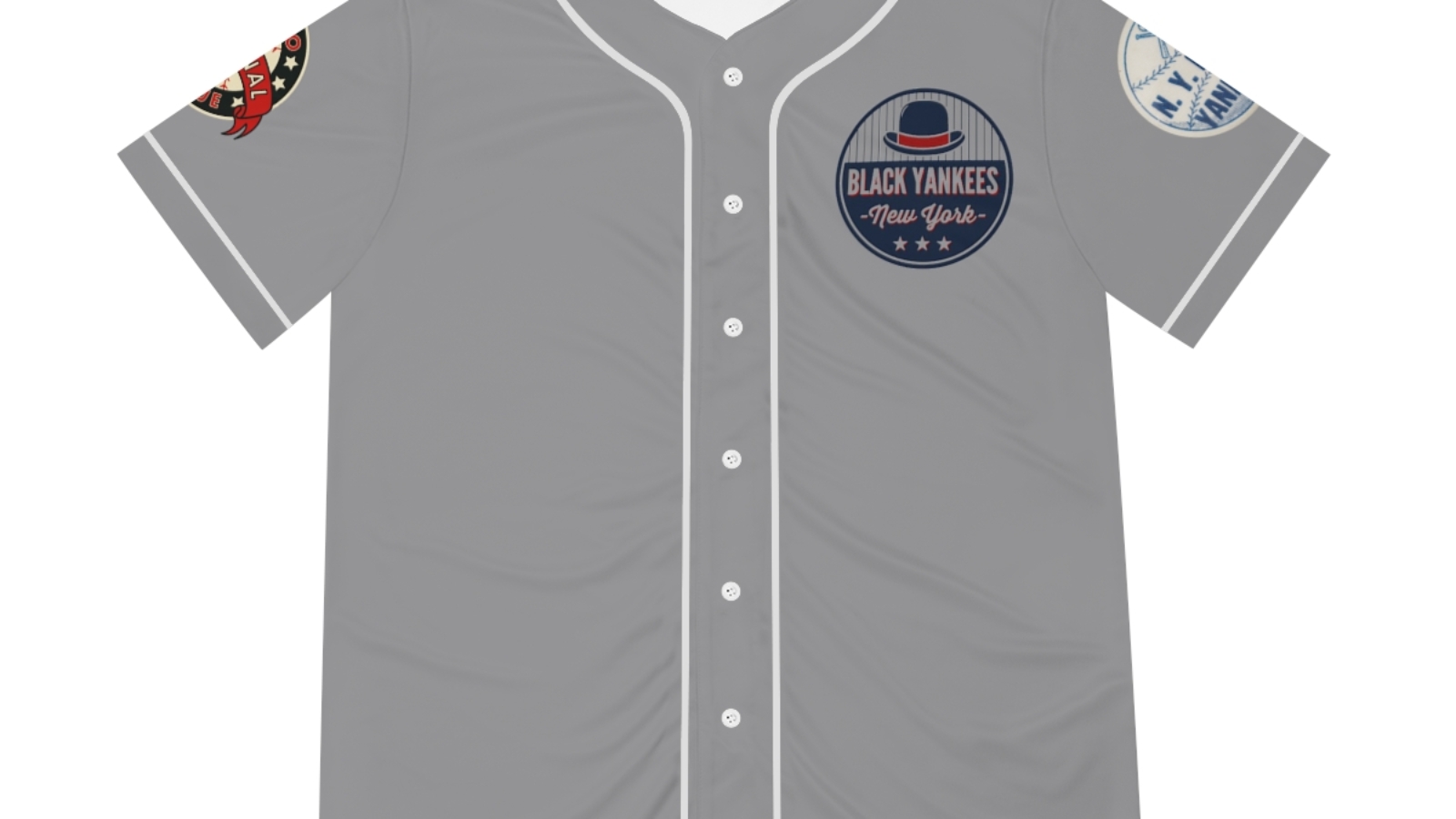
There are moments in sports culture when history unexpectedly finds a new generation. Sometimes it happens through documentaries. Sometimes it happens through live events, anniversaries, museums, or archival discoveries. In 2026, one of the most powerful examples of that resurgence is happening through gaming culture, collectible merchandise, and apparel design simultaneously. The release of MLB The Show 26 and the launch of Season 4 of its groundbreaking “Storylines: The Negro Leagues” mode has become far more than another sports gaming update. It has evolved into a cultural bridge connecting baseball history, Black excellence, nostalgia, education, and modern fandom in a way few sports properties have managed successfully.

That cultural shift is exactly where the expanding non-MLB product collection at Pro Merch is positioning itself. While mainstream sports apparel often revolves around officially licensed league branding and repetitive retail cycles, Pro Merch’s growing non-MLB catalog is operating in a completely different lane. It is becoming a destination for fans who want baseball culture beyond corporate branding, beyond predictable merchandising, and beyond the narrow limitations of modern sports retail.
With the spotlight now turning toward the Negro Leagues through one of the largest sports gaming franchises in the world, the timing could not be more important.
The release of “Storylines: The Negro Leagues — Season 4: A Symphony of Greatness” inside MLB The Show 26 represents one of the most ambitious historical storytelling projects ever incorporated into a sports video game. Released globally on March 17, 2026, following early access beginning March 13 for Digital Deluxe Edition players, the mode continues the franchise’s evolving partnership with the preservation and celebration of Black baseball history. Narrated once again by Negro Leagues Baseball Museum President Bob Kendrick, the experience blends documentary filmmaking, playable gameplay moments, archival storytelling, and immersive historical recreation into a format that younger audiences can engage with naturally.
That matters enormously.
For decades, many Negro Leagues legends remained underrepresented in mainstream baseball education. Entire generations grew up hearing only fragments about icons whose influence fundamentally shaped professional baseball in America. Players like Roy Campanella, Mamie Johnson, George Suttles, and John Henry Lloyd are no longer being treated as historical footnotes. They are being reintroduced as central figures in baseball history through interactive media capable of reaching millions of players globally.
The emotional impact of that approach cannot be overstated. Instead of merely reading statistics or watching a short clip online, gamers actively recreate pivotal career moments. They step into the batter’s box. They pitch critical innings. They relive defining performances. The result transforms historical appreciation from passive observation into personal participation.
That evolution creates a massive ripple effect throughout baseball culture itself, including apparel, collectibles, memorabilia, and independent merchandise brands.
This is where Pro Merch’s non-MLB collection becomes especially relevant.
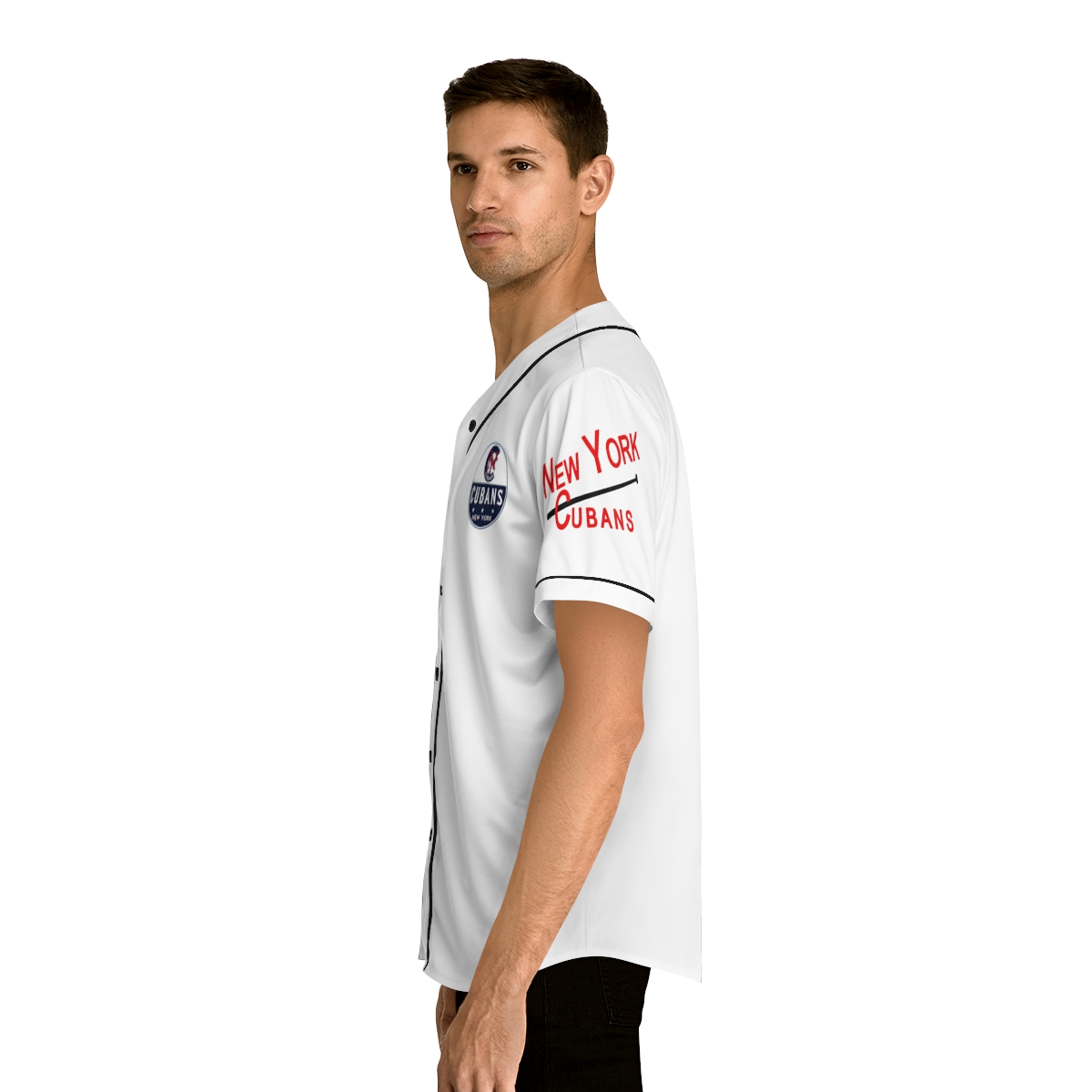
The modern sports fan increasingly wants products tied to identity, storytelling, heritage, authenticity, and culture instead of simply another standardized jersey or mass-produced logo shirt. Consumers today are drawn toward apparel that represents meaning and emotional connection. They want pieces that feel tied to movements, moments, forgotten histories, underground communities, or deeper appreciation of sports culture itself.
The growing non-MLB category at Pro Merch’s Non-MLB Collection reflects that evolution directly. Rather than limiting baseball merchandise exclusively to active Major League branding structures, the collection embraces the broader ecosystem surrounding the sport — independent culture, vintage aesthetics, heritage appreciation, storytelling-driven apparel, and designs that connect emotionally with serious fans.
That distinction matters because baseball itself is changing.
The audience consuming baseball in 2026 no longer exists solely inside stadiums or television broadcasts. Baseball culture now intersects with streaming platforms, gaming communities, digital collectibles, nostalgia media, documentary filmmaking, social history, and online storytelling ecosystems. Younger audiences often encounter historic players first through TikTok clips, YouTube documentaries, streaming content, retro fashion, or sports gaming modes before they ever encounter them through traditional broadcasts.
MLB The Show 26 understands that reality. Pro Merch appears to understand it too.
The “Storylines” mode succeeds because it approaches baseball history cinematically rather than academically. The mode’s structure allows players to engage emotionally with the figures involved instead of simply absorbing information. Mamie “Peanut” Johnson’s inclusion, for example, carries enormous historical significance. As the first and only female pitcher to play in the Negro Leagues, her legacy challenges decades of assumptions surrounding gender and professional baseball opportunity. Her dominance despite her small stature remains one of the most compelling stories in baseball history. Introducing her to younger audiences through gameplay creates emotional accessibility that textbooks alone rarely achieve.
Likewise, Roy Campanella’s journey from the Negro Leagues to becoming a three-time National League MVP with the Brooklyn Dodgers represents one of the defining transitions in baseball’s integration era. George “Mule” Suttles’ legendary power hitting and iconic 50-ounce bat feel almost mythical by modern standards. John Henry “Pop” Lloyd’s reputation as arguably the finest shortstop the Negro Leagues ever produced reinforces the depth of elite talent that existed outside Major League Baseball’s segregated system.
All of these stories contribute to a broader reexamination of baseball heritage happening right now across media, fashion, and collectibles.
For apparel brands and merchandise platforms, this cultural moment creates enormous opportunity — but only for companies capable of treating the history with authenticity rather than superficial marketing.
That is why the structure of Pro Merch’s non-MLB line feels especially timely.
The collection exists within a larger movement where fans increasingly seek alternatives to over-commercialized league merchandise. Vintage aesthetics continue dominating sports fashion trends. Heritage-inspired graphics are outperforming generic team branding online. Independent sports merchandise brands are experiencing growth because fans want individuality and narrative identity instead of mass-market sameness.
There is also a broader cultural reevaluation happening around overlooked sports histories. Negro Leagues appreciation has grown significantly over the past decade thanks to museums, documentaries, historians, archival restoration projects, and now gaming integration. The visibility generated by MLB The Show 26 dramatically accelerates that awareness.
Importantly, the game does not simply present history as nostalgia. It presents it as living influence.
Unlockable rewards inside the mode reinforce that immersion further. Players can earn digital recreations of historic stadiums including Mack Park, Bush Stadium, and Terrapin Park Stadium. Authentic uniforms from franchises such as the Kansas City Monarchs, Baltimore Elite Giants, and Indianapolis Clowns deepen the historical authenticity. Competitive player cards allow these legends to exist actively inside online gameplay ecosystems rather than remaining isolated within a museum-style mode.
That integration matters because it normalizes Negro Leagues greatness as part of mainstream baseball identity instead of separate historical trivia.
Merchandising connected to this larger cultural movement naturally becomes more meaningful. Apparel transforms from decoration into participation in preserving and amplifying baseball history.
The strongest sports merchandise always reflects more than fandom alone. It reflects identity, memory, emotional attachment, and cultural awareness. Fans wear apparel connected to stories they believe matter. They wear products tied to moments they want represented publicly. They wear designs that communicate appreciation beyond surface-level branding.
That is why independent merchandise ecosystems continue gaining momentum across sports culture.
The sports fan of 2026 wants depth.
They want the documentary.
They want the gaming experience.
They want the collectible.
They want the history.
They want the apparel.
They want the story behind all of it.
That interconnected ecosystem is becoming the future of sports merchandising.
Pro Merch’s non-MLB category sits directly inside that emerging lane. It speaks to fans who care about baseball culture broadly, not merely official licensing structures. It creates space for appreciation of heritage, nostalgia, forgotten narratives, and the emotional architecture surrounding the game itself.
There is also something especially powerful about this moment occurring through interactive technology. Sports video games historically focused almost entirely on current rosters, franchise modes, and competition. The “Storylines” initiative fundamentally changes expectations for what sports gaming can accomplish educationally and culturally. Instead of using history as decoration, the mode uses gameplay as preservation.
That concept aligns naturally with the evolution of modern merchandise branding.
Consumers increasingly gravitate toward products attached to authentic storytelling ecosystems. Brands capable of participating in those ecosystems meaningfully gain credibility and longevity. Generic merchandise disappears quickly. Story-driven merchandise builds communities.
As baseball culture continues expanding beyond traditional boundaries, expect the demand for heritage-inspired, non-mainstream baseball apparel to continue growing rapidly. Younger collectors increasingly value authenticity, niche identity, and historical depth. Vintage-inspired sportswear continues dominating both streetwear and online sports fashion markets. Negro Leagues appreciation continues accelerating. Sports gaming audiences continue expanding globally.
All of those trends are converging simultaneously.
For Pro Merch, that creates a major opportunity to position its non-MLB product line not simply as alternative baseball merchandise, but as part of a broader cultural movement surrounding sports history, identity, preservation, and storytelling.
The success of MLB The Show 26’s “Storylines: The Negro Leagues” mode demonstrates something critical about the modern sports audience: fans are hungry for substance again. They want context. They want history. They want emotional resonance attached to what they consume.
The brands that understand that shift will dominate the next generation of sports culture merchandising.
The ones that do not will continue producing interchangeable products that disappear into endless digital retail noise.
Right now, baseball history is reaching millions of younger fans through gaming technology in ways the industry has never seen before. That renewed awareness is reshaping conversations around apparel, collectibles, storytelling, and fan identity across the entire baseball ecosystem.
And for companies willing to embrace baseball culture beyond the obvious, this moment may only be the beginning.