
 Cart is empty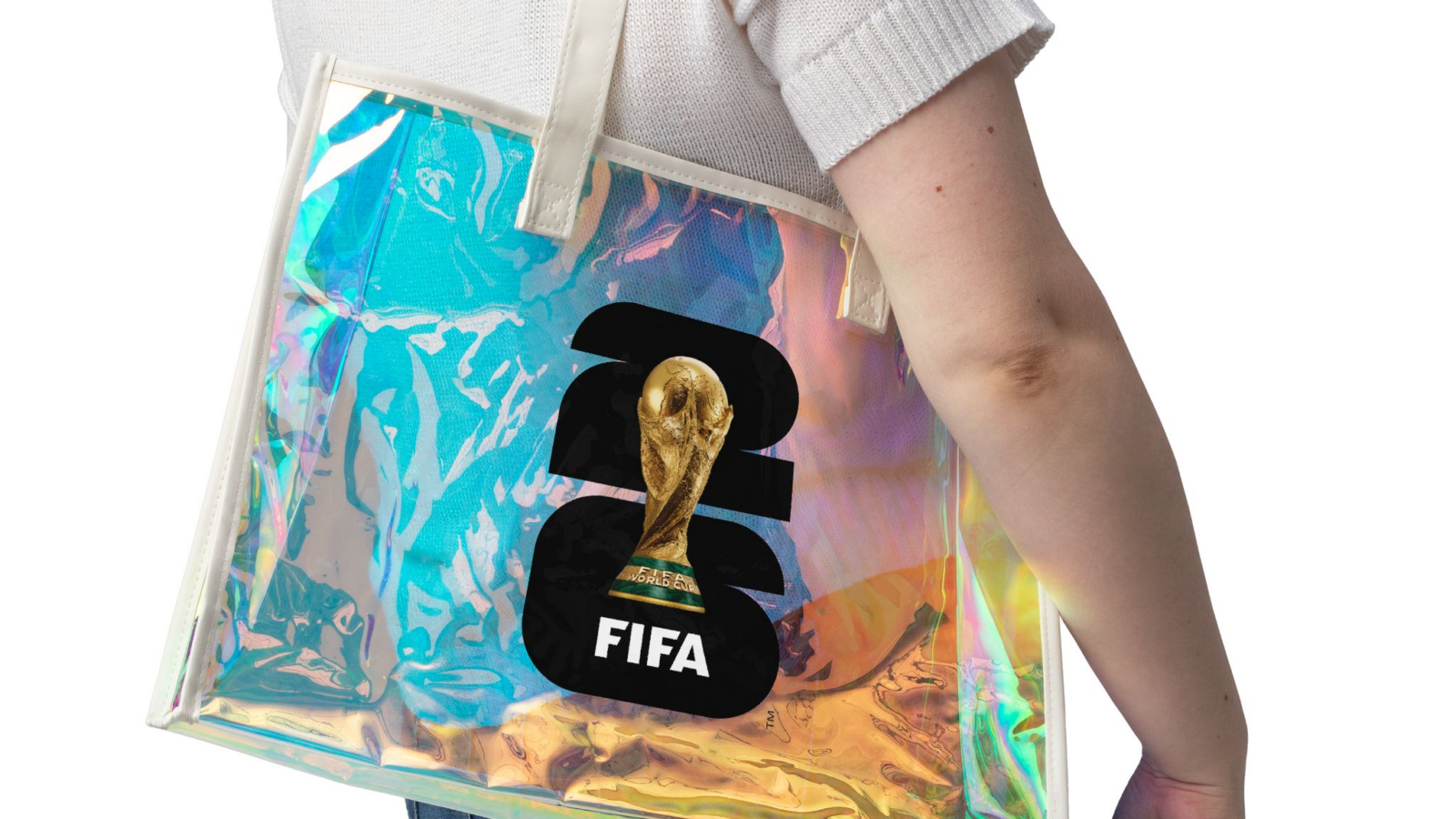
Global sport is currently operating in a rare state of simultaneous volatility across every major league and competition cycle, where roster movement, tournament progression, contract resets, and historic milestones are all colliding within the same news window. It is not one dominant storyline driving attention, but a synchronized surge across multiple disciplines that is redefining how fans consume sport in real time. Basketball is undergoing franchise-altering shifts at the very top of its hierarchy. Soccer is deep into World Cup knockout intensity where legacies are being reshaped in 90-minute increments. Hockey is resetting its financial ceiling through record-setting contracts and free agency disruption. Tennis is balancing generational transition with veteran resilience under physical strain. Baseball is layering milestone achievements with cultural rituals that have become as recognizable as the sport itself.

In this environment, sports consumption is no longer segmented by league or season. It is continuous, algorithmically amplified, and emotionally interwoven across disciplines. Fans are tracking LeBron James’ next destination while simultaneously following Kylian Mbappé’s tournament dominance, NHL contract escalations, Wimbledon injury updates, and MLB managerial milestones—all within the same feed cycle. That compression of attention has fundamentally changed the commercial architecture around sport, particularly in apparel, identity branding, and fan merchandise ecosystems.
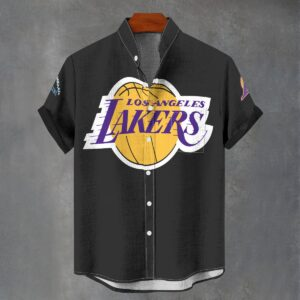
The most immediate shockwave in basketball comes from the rupture at the very top of the league structure, where LeBron James has informed the Los Angeles Lakers that he will not return, triggering a franchise-defining free agency cycle that immediately reshapes competitive balance across the NBA. At the same time, Kawhi Leonard’s expected return to Toronto reintroduces championship history into the present tense of roster construction, effectively collapsing past and present narratives into a single strategic loop. Early signings such as Norman Powell to Chicago and John Collins to Detroit further illustrate how quickly mid-tier roster structures are being locked in before the market fully stabilizes.
This kind of rapid player movement is mirrored across hockey, where the NHL has entered a financial escalation phase defined by Bowen Byram’s record-setting extension with the Chicago Blackhawks, establishing a new benchmark for defenseman valuation, while Sergei Bobrovsky’s entry into unrestricted free agency adds immediate uncertainty at the highest level of goaltending supply. These movements are not isolated—they represent structural inflation in athlete valuation that directly influences how fans perceive team identity stability and long-term competitive windows.
In soccer, the World Cup knockout phase is delivering its own parallel narrative intensity. Kylian Mbappé’s continued scoring surge for France reinforces his position as a defining figure of the tournament cycle, while Mexico’s breakthrough knockout victory signals a historic resurgence that reshapes regional football narratives extending beyond Europe’s traditional dominance. At the same time, managerial fallout in the Netherlands following Ronald Koeman’s resignation underscores how quickly tactical narratives can shift into institutional restructuring during high-stakes international competition.

Tennis adds another layer of unpredictability at Wimbledon, where Serena Williams’ injury setback introduces uncertainty into what is already one of the most emotionally charged late-career arcs in modern sport, while Aryna Sabalenka’s progression through the draw reflects the ongoing consolidation of a new competitive elite. The contrast between physical limitation and competitive continuity defines the tournament’s underlying tension.
Baseball continues to deliver its own form of historical layering. Dave Roberts becoming the fastest manager to reach 1,000 wins adds a structural milestone to a season already defined by momentum shifts, while the Miami Marlins’ record-breaking June performance signals how quickly team trajectories can change within compressed scheduling environments. Even the recurring cultural marker of “Bobby Bonilla Day” reinforces how baseball’s financial structures have become part of its annual identity ritual, blending sport with long-term economic storytelling.
Within this multi-sport acceleration cycle, the commercial layer of sport becomes more important than ever. This is where Pro Merch operates—not as a passive retailer, but as a responsive cultural distribution system built around the reality that fandom is no longer isolated by league or season. Instead, it exists as a unified consumption environment where NBA jerseys, World Cup kits, NHL gear, and tennis-inspired apparel all compete within the same attention economy.

The expansion of the FIFA World Cup 2026 cycle, represented globally as FIFA World Cup 2026, is only one part of that ecosystem. While the tournament represents the most globally concentrated moment of football engagement, it is now functioning alongside equally powerful narratives in basketball free agency, hockey contract restructuring, tennis Grand Slam volatility, and MLB milestone storytelling. The modern fan does not experience these events sequentially; they experience them simultaneously.
Pro Merch’s product architecture reflects this reality by positioning its catalog as a cross-sport identity platform rather than a single-event merchandising channel. Its soccer and futbol category tied to the World Cup cycle is one pillar within a broader structure that responds to how fans actually move between sports narratives in real time. A supporter tracking Mbappé’s scoring surge may also be reacting to LeBron’s free agency decision or following NHL contract records within the same engagement window. The apparel ecosystem must therefore be able to operate across shifting emotional states rather than static team allegiance.

The FIFA World Cup 2026 collection itself is designed with this fluidity in mind. It draws from global football aesthetics but is constructed to function within a broader lifestyle context where sport is inseparable from fashion and identity signaling. Apparel is no longer limited to match-day consumption; it is part of daily visual language. That shift is critical when global attention is fragmented across multiple elite competitions occurring simultaneously.
What emerges from this moment is a convergence economy in sports culture. Basketball, soccer, hockey, tennis, and baseball are no longer independent silos of engagement. They are overlapping systems of narrative production, each generating their own peaks of attention that feed into a unified global sports discourse. Merchandise platforms that succeed in this environment are those that understand not just individual leagues, but the combined psychological rhythm of global fandom.
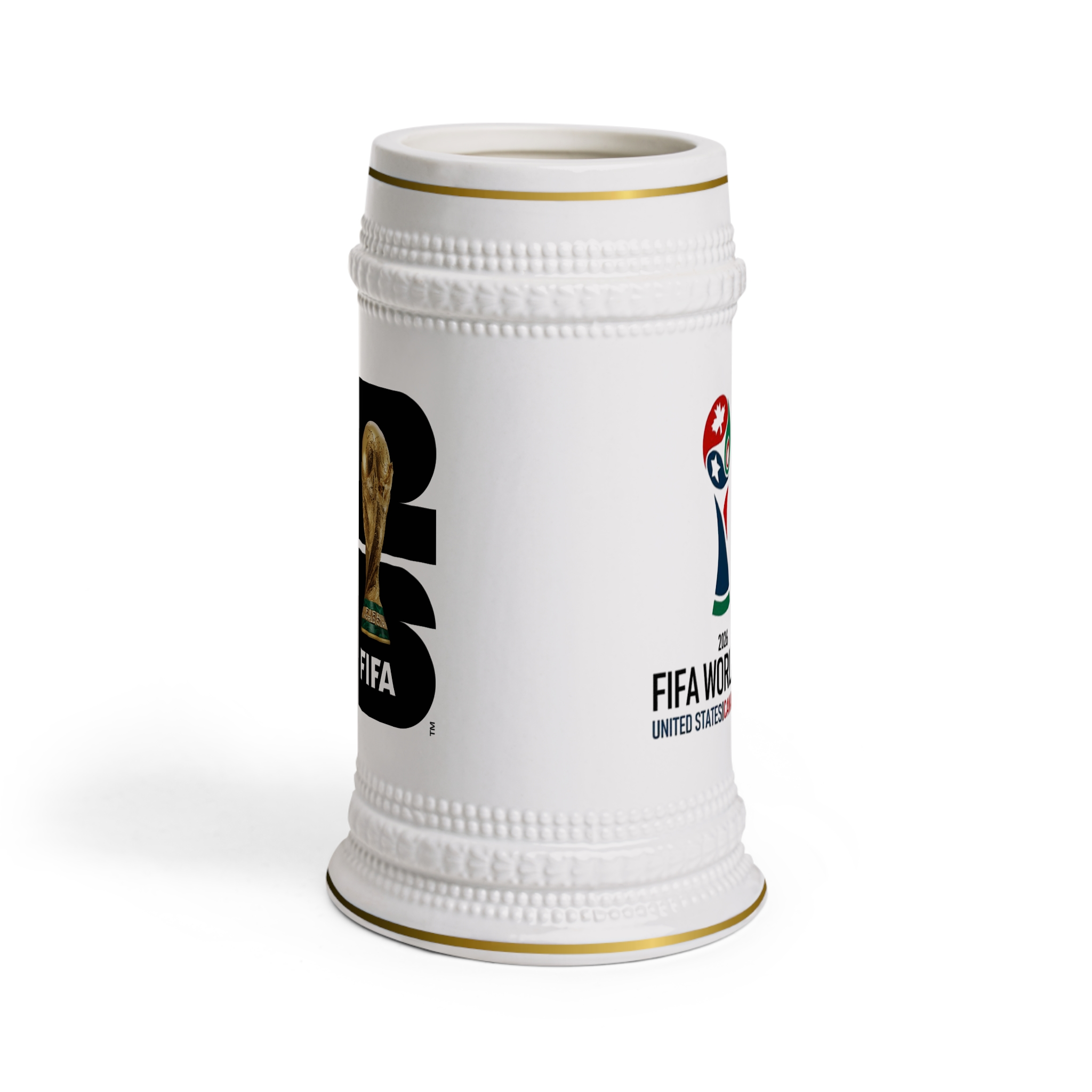
Pro Merch’s positioning reflects that understanding. Its FIFA World Cup 2026 product line is not isolated from NBA free agency narratives or NHL contract escalation cycles; it exists within the same attention ecosystem. The modern fan might move from watching Mbappé’s knockout-stage dominance to reacting to LeBron’s league-shifting decision to tracking Wimbledon injuries and MLB milestones—all while consuming apparel content across the same digital platforms.
This convergence defines the current sports moment more accurately than any single headline. It is not about one league dominating the conversation, but about multiple elite systems peaking at the same time. Within that compressed attention field, Pro Merch is building a merchandise framework that reflects how fans actually live with sport today: constantly, across disciplines, and without boundaries.