
 Cart is empty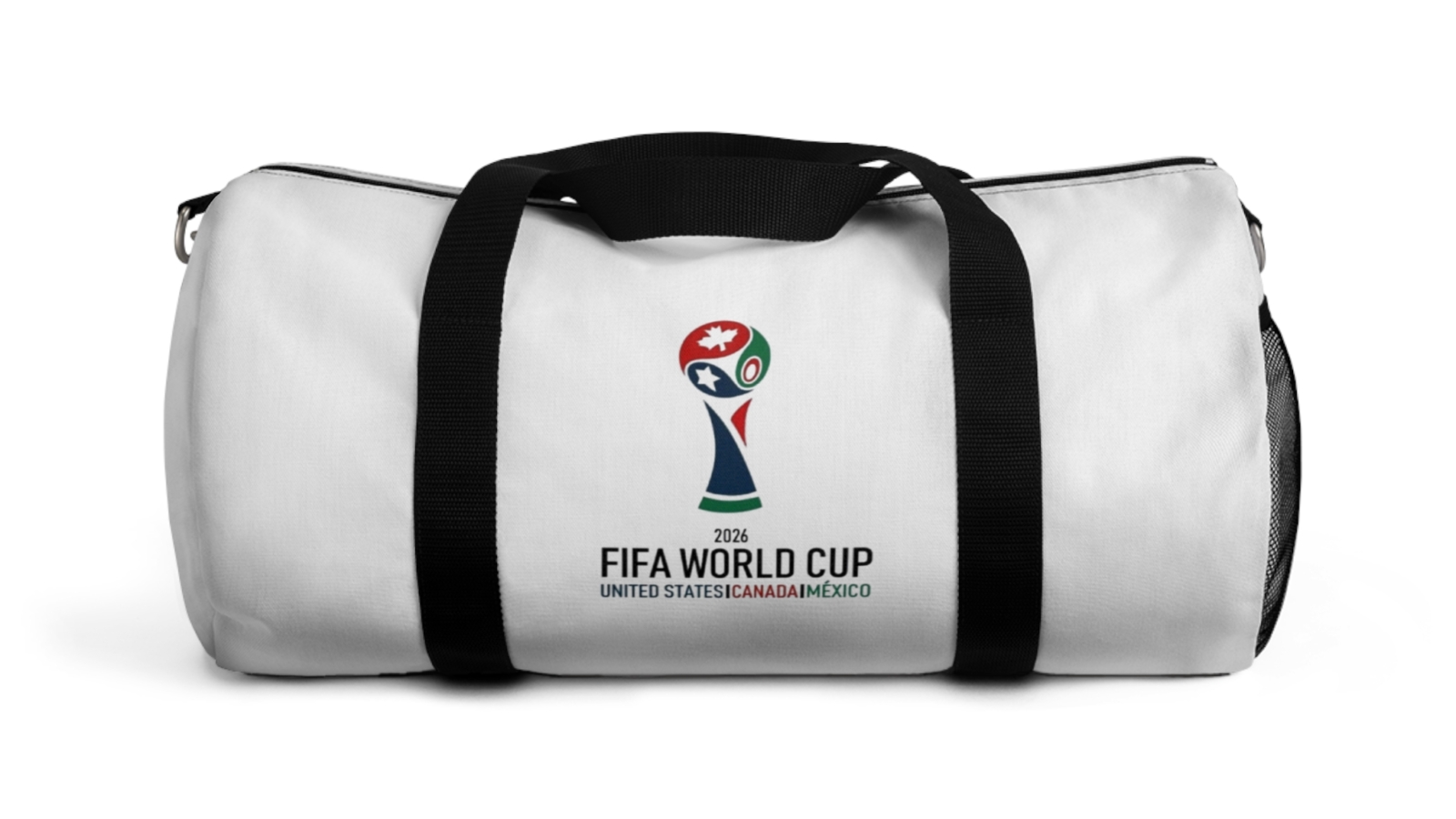
The countdown has become real. With exactly 26 days remaining until the opening kickoff of the 2026 FIFA World Cup on June 11, the atmosphere surrounding global soccer has shifted from anticipation into full-scale international obsession. Across the United States, Canada, and Mexico, stadiums are preparing for historic attendance numbers, broadcasters are reshaping sports television strategy around the tournament, national federations are finalizing rosters under immense pressure, and fans around the world are now entering the final sprint toward what is expected to become the largest and most commercially explosive sporting event ever staged.
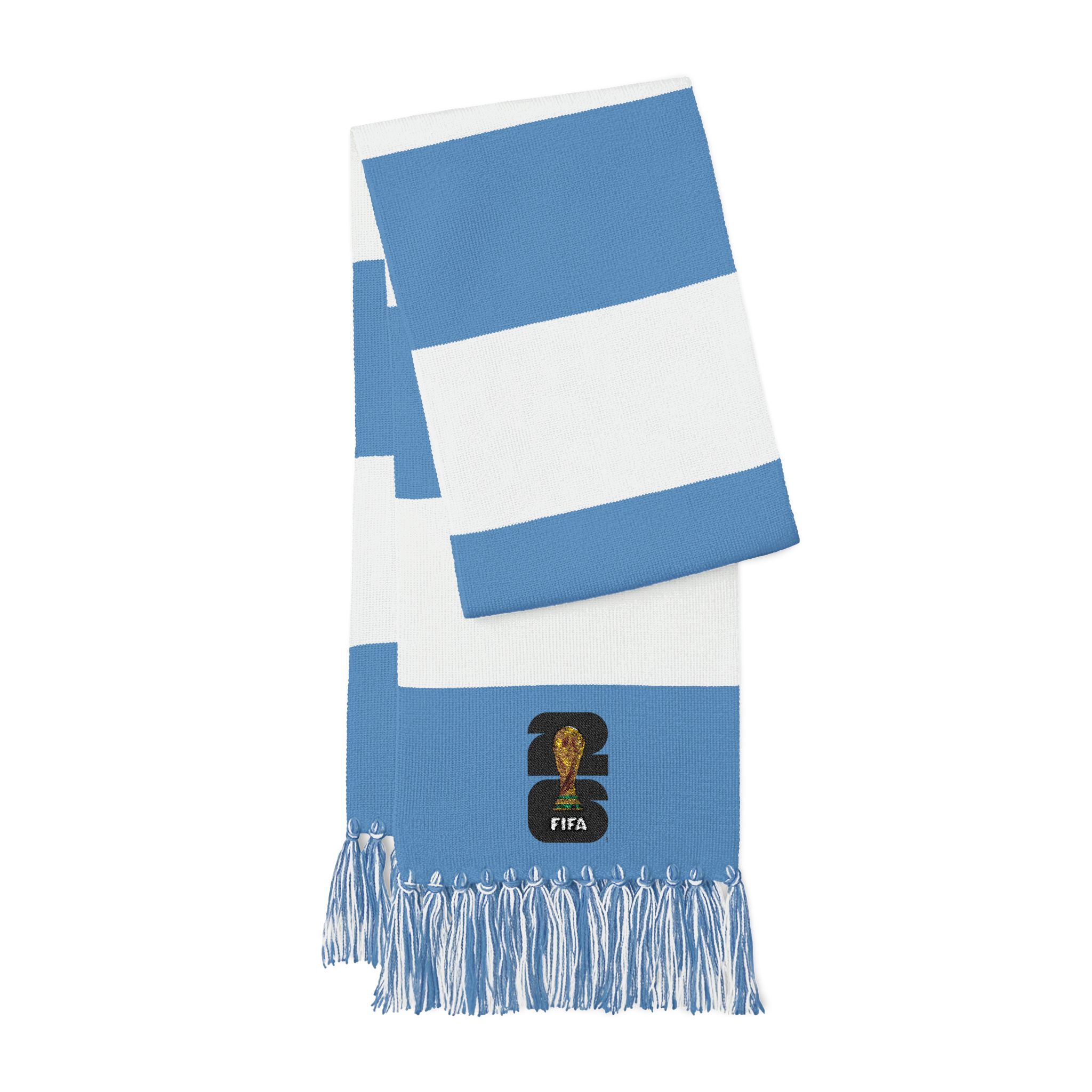
At the center of that momentum is the rapidly expanding collection now available through Pro Merch and its growing line of officially inspired 2026 FIFA World Cup apparel, collectibles, fanwear, and tournament-driven merchandise built specifically for the modern global football audience. Through the evolving FIFA World Cup 2026 Collection, the brand is positioning itself directly inside the cultural explosion surrounding the tournament while delivering a merchandise lineup designed for hardcore supporters, international travelers, collectors, streetwear audiences, and casual fans preparing for a once-in-a-generation summer across North America.
This World Cup is already different before a single match has been played.
The expanded 48-team format has transformed the tournament into the largest FIFA competition in history. The schedule now stretches across 104 matches, creating a nearly month-long global sports takeover that will dominate television ratings, streaming platforms, travel markets, sports betting conversations, music culture, nightlife, fashion, and social media ecosystems simultaneously. Every major sportswear company, entertainment conglomerate, streaming platform, and hospitality brand is now fighting for position ahead of kickoff, and the merchandise landscape surrounding the event has become one of the most competitive and lucrative sectors in sports retail.
That is precisely why the current Pro Merch rollout arrives at the perfect time.

The modern soccer fan no longer buys merchandise strictly as memorabilia. The category has evolved into lifestyle identity, travel culture, street fashion, event participation, and digital-era fandom expression. The strongest football merchandise now exists somewhere between sportswear, music culture, tourism branding, and collector culture. The Pro Merch approach reflects that evolution by leaning heavily into tournament energy rather than limiting itself to generic match-day apparel. The collection captures the emotional scale of the event itself — the tension, the spectacle, the international unity, and the historic atmosphere that only the FIFA World Cup can create.
The timing of this expansion could not be more significant because the headlines surrounding the tournament continue accelerating at an extraordinary pace.
One of the biggest developments shaking the sports and entertainment industries this week came with FIFA’s official confirmation that the 2026 World Cup Final will feature the first-ever World Cup Final Halftime Show. The move immediately ignited global debate across soccer circles, entertainment media, and broadcasting analysts because it fundamentally changes one of the sport’s longest-standing traditions. FIFA confirmed that Shakira, Madonna, and BTS will co-headline the historic production during the championship match at MetLife Stadium on July 19.
The production itself is being curated by Chris Martin alongside Global Citizen, with participating artists donating their performances to help launch the FIFA Global Citizen Education Fund. The expanded halftime spectacle is expected to dramatically exceed soccer’s traditional 15-minute halftime structure, representing another sign that FIFA is aggressively transforming the tournament into a broader entertainment ecosystem aimed directly at younger global audiences and streaming-first viewers.
That entertainment-first philosophy is also extending into the opening ceremonies. Katy Perry, Future, LISA, Tyla, and Anitta are all now confirmed as part of opening-week festivities, with Perry set to headline the massive Los Angeles celebration on June 12. The crossover between sports and entertainment has never been larger, and merchandise tied to those moments is already becoming one of the fastest-growing sectors in tournament retail.
That reality is helping fuel extraordinary interest in World Cup apparel and event-based collectibles.
Fans are no longer preparing for only matches. They are preparing for a month-long cultural event spread across multiple nations, cities, concerts, fan festivals, sponsor activations, nightlife districts, and streaming experiences. Merchandise has become part of the travel identity itself. Jerseys, hats, scarves, commemorative graphics, tournament-inspired apparel, and country-themed lifestyle designs now function as social currency inside the global sports conversation.
The Pro Merch collection leans directly into that evolution by emphasizing tournament atmosphere rather than limiting its identity to traditional soccer retail templates. The visual identity surrounding FIFA World Cup 2026 has become especially powerful because this tournament represents a convergence of eras: classic football tradition colliding with modern entertainment economics, streaming dominance, influencer culture, and worldwide digital fandom.
Meanwhile, the actual football storylines entering the tournament continue becoming more dramatic by the day.
Didier Deschamps officially unveiled France’s 26-man roster, led by captain Kylian Mbappé and superstar winger Ousmane Dembélé. The announcement instantly triggered international debate due to several high-profile omissions, including Eduardo Camavinga and Randal Kolo Muani. France enters the competition once again viewed as one of the favorites to lift the trophy, but expectations surrounding the squad remain enormous after years of near-constant international success.
Sweden’s roster announcement also generated headlines after former Chelsea F.C. manager Graham Potter selected Premier League stars Alexander Isak and Viktor Gyökeres while confirming that Dejan Kulusevski will miss the tournament because of lingering knee problems.
Japan suffered one of the tournament’s most devastating injury setbacks after confirmation that star winger Kaoru Mitoma will miss the entire competition. The announcement dramatically changes Japan’s attacking profile heading into group-stage play and reshapes expectations surrounding one of Asia’s most exciting national programs.
Brazil’s situation remains perhaps the most fascinating storyline of all. Legendary manager Carlo Ancelotti has openly acknowledged uncertainty regarding whether global icon Neymar should make the final roster. The decision has become one of the biggest unresolved questions in international football because Neymar remains one of the sport’s most commercially powerful figures despite ongoing durability concerns.
Those roster developments matter enormously to merchandise culture because player-driven fandom now heavily dictates global apparel demand. Every roster reveal immediately shifts purchasing behavior. Fans buy based on breakout stars, emotional narratives, farewell tournaments, injury recoveries, and legacy storylines. The World Cup creates emotional investment unlike any other sporting event because entire nations rally around players who can become immortalized in a single summer.
The scale of global media investment surrounding the tournament continues growing as well.
After months of tense negotiations, China Media Group officially finalized a massive agreement with FIFA for the 2026 and 2030 men’s tournament cycles. The deal guarantees extensive multi-platform coverage across China and reconnects FIFA with one of the largest soccer audiences on Earth. Industry analysts view the agreement as a critical commercial victory because it restores full-scale access to more than 200 million Chinese football fans ahead of the expanded tournament.
That agreement further reinforces what brands like Pro Merch already understand: the 2026 FIFA World Cup is not simply a sports event. It is a worldwide commercial ecosystem that will touch virtually every entertainment and consumer category imaginable.
The fan experience itself is also rapidly taking shape.
FIFA recently opened a surprise Last-Minute Sales Phase, releasing fresh ticket inventory for all 104 matches across the United States, Canada, and Mexico. Demand has remained extraordinary as supporters continue locking in travel plans, hospitality packages, and tournament itineraries. The organization also finalized its comprehensive 35-page Stadium Code of Conduct, outlining updated fan policies for venues throughout the competition.
Among the most notable changes, empty reusable water bottles will be permitted inside stadiums, while vuvuzelas, whistles, air horns, and most bag types have officially been prohibited. These updated regulations reflect FIFA’s attempt to modernize crowd management while balancing security concerns across the largest World Cup footprint in tournament history.
The U.S. State Department also announced a major logistical breakthrough by waiving the controversial $5,000 to $15,000 tourist visa bond requirement for ticket holders from 50 previously restricted nations. The decision is expected to dramatically ease international travel complications and could significantly increase overseas attendance throughout the tournament.
All of this momentum ultimately feeds directly back into merchandise demand.
Fans traveling internationally want commemorative apparel. Supporters attending matches want collectible gear tied to cities, stadiums, dates, and tournament memories. Casual viewers want wearable pieces that connect them emotionally to the event even if they never attend a match. Soccer culture has become inseparable from apparel culture, and that intersection is exactly where Pro Merch appears determined to expand aggressively.
The company’s FIFA World Cup 2026 category reflects a broader shift occurring across modern sports retail. Consumers increasingly want merchandise that feels current, culturally aware, and visually connected to the larger energy surrounding an event. Generic products no longer dominate the category the way they once did. Fans now seek designs that capture emotion, atmosphere, nostalgia, and identity simultaneously.
That demand is only going to intensify over the next several weeks.
Once opening kickoff arrives, the tournament will effectively consume global attention around the clock. International rivalries, dramatic upsets, viral goals, celebrity appearances, fan culture moments, and nonstop social media reaction will fuel one of the largest sports conversations in modern history. Every dramatic match result will immediately influence merchandise demand. Every breakout star will create new apparel trends. Every unforgettable moment will fuel collector culture.
For brands operating in the football merchandise space, the window ahead represents one of the biggest opportunities of the decade.
The 2026 FIFA World Cup is poised to redefine what global sports events look like in the streaming era. It is larger, louder, more entertainment-focused, more internationally connected, and more commercially expansive than any tournament before it. The fusion of elite football, global music culture, worldwide travel, and digital-first fan engagement has created a completely different kind of sports experience.
And with the countdown now officially under one month, the global soccer machine is no longer warming up.
It has already begun.