
 Cart is empty
The Major League Baseball trade deadline is always the most compressed and most consequential decision-making period in any sport’s calendar. No other professional league produces anything quite like it: a fixed moment in time, months in the planning but decided in days, where the distance between a franchise’s present and its future can be altered permanently by a single phone call between general managers who have been circling each other for weeks. The 2026 edition of this annual reckoning, with the official deadline locked for August 3 at 6:00 PM Eastern Time, is setting up to be one of the most active and most consequential trade deadline periods in recent memory. The number of legitimate, impact-level players available on the open market is extraordinary. The range of contenders with the prospect capital and the organizational willingness to pay it is equally extraordinary. And at the center of it all is a back-to-back Cy Young Award winner named Tarik Skubal who may or may not be a Detroit Tiger when August 4 arrives, and a San Diego Padres closer named Mason Miller who throws 102 miles per hour and whose availability has divided the baseball intelligence community in ways that make every subsequent report feel like a plot twist. Pro Merch, the premier destination for officially licensed MLB merchandise across all 30 franchises with 885 products in the MLB catalog, is the place to gear up for every team that is buying, every team that is selling, and every team that is trying to do both simultaneously before the clock runs out.
The Soccer Sidebar: Messi, MLS, and Real Madrid’s European Power Move
The baseball deadline is not the only sports market generating significant transaction news this week. In Major League Soccer, the upcoming 2026 MLS All-Star Game will proceed without Lionel Messi, who has been officially announced as unavailable due to injury. Messi’s absence is excused in full this year, a significant distinction from his previous suspension absence that generated considerable controversy and that the league handled differently. For MLS and the Inter Miami CF fan community that follows the global conversation around the sport’s greatest player, the news is disappointing but fully contextual: a player who has been carrying the weight of a complete FIFA World Cup tournament through July is not in the same physical condition as a player who spent the summer in preparation mode, and Messi’s long-term health appropriately takes precedence over a single exhibition match. The MLS All-Star Game will go on, and the talent pool available to replace Messi in the Inter Miami lineup will provide its own compelling exhibition of the league’s current quality.
In European club football, Real Madrid has launched a shock transfer bid of 100 million euros to hijack RB Leipzig’s African wonderkid winger Yan Diomandé from Paris Saint-Germain, who had been in advanced negotiations for the same player over the course of several months. The Real Madrid move represents the specific kind of financial and institutional power that the Spanish club has deployed throughout its history to destabilize competing bids when a player becomes available, and the challenge it presents to PSG’s pursuit will dominate the European transfer window conversation in the days ahead. For fans of European club football who follow the Pro Merch Premier League section across Arsenal, Chelsea, Liverpool, Manchester City, Manchester United, and the rest of the top-flight English clubs, the Diomandé saga is a reminder of how the European transfer market operates at its highest level and of the specific gravitational pull that Real Madrid exerts on every transaction it enters.
The King Chooses Philadelphia: LeBron James Signs with the 76ers, Ends a 43-Year Championship Drought Hunt, and Gives the City of Brotherly Love Its Most Exciting Roster in a Generation
The basketball world stopped on Friday when LeBron James, the NBA’s all-time leading scorer, announced that Philadelphia will be the final destination of the greatest career the sport has ever seen. At 41 years old, coming off a season in which he averaged 20.9 points, 7.2 assists, and 6.1 rebounds per game for the Los Angeles Lakers, James signed a two-year, $8 million deal with the Philadelphia 76ers, choosing the City of Brotherly Love over Cleveland, Miami, Golden State, and at least seven other reported suitors. He took a fraction of what he earned last season not because no one would pay him more, but because he looked at a roster built around Joel Embiid, Jaylen Brown, Tyrese Maxey, and VJ Edgecombe and saw the clearest path to a fifth championship he has found since his last title in 2020. Philadelphia has not won an NBA championship since 1983. That drought is now LeBron James’s personal project, and the Eastern Conference knows exactly what that means. Shop the Philadelphia 76ers collection at Pro Merch and represent the most anticipated roster in basketball.
Patrick Kane Comes Home, Connor Bedard Signs the Richest Rookie Extension in Modern NHL History, and the League Remakes Itself: The 2026 NHL Free Agency Period and the Pro Merch Collection Built for Every Fan It Affects

The NHL offseason delivered its most consequential week in years, and the city of Chicago was at the center of all of it. Patrick Kane, the three-time Stanley Cup champion who spent the prime years of his career turning the United Center into the loudest building in hockey, signed a two-year, $16 million contract to come home to the Chicago Blackhawks, the franchise that drafted him first overall in 2007 and that built a dynasty around his brilliance. Hours later, the Blackhawks announced that Connor Bedard, the most celebrated young player in the sport, had signed a five-year, $75 million extension at $15 million per season, the richest rookie extension in the modern NHL era. Add Bowen Byram, already signed to the richest defenseman contract in league history at $12.5 million per year, and the Chicago rebuild is no longer a rebuild in any meaningful sense of the word. It is a program with a plan and the players to execute it. Across the rest of the league, Trevor Zegras landed in Philadelphia, JJ Peterka headed to Boston, Cole Perfetti committed to Winnipeg, Connor McMichael signed long-term in St. Louis, and Jet Greaves closed what insiders described as the widest arbitration gap in NHL history to stay in Columbus. The league looks different. Shop the NHL collection at Pro Merch and find the gear for wherever your team just landed.
This is the full story of the 2026 MLB Trade Deadline. Every name that matters, every suitor that has been identified, every organizational decision that will define the next three to five years of a franchise’s competitive window, told in the full context that the moment deserves.
Tarik Skubal and the Question That Has Consumed the Entire Baseball Industry
No player in the 2026 trade deadline conversation generates more discussion, more insider reporting, more conflicting signals, and more genuine organizational anxiety than Tarik Skubal of the Detroit Tigers. The left-hander is the reigning back-to-back American League Cy Young Award winner, the best pitcher available on the trade market and, by the consensus of virtually every evaluator across the league, the best player available on the trade market in any position. He is a pending free agent at the end of the 2026 season, under the remaining $32 million of a contract that will expire when the year ends. He has no trade protection. And he just threw a 12-strikeout gem against the Kansas City Royals on Friday night, his latest demonstration that the elbow surgery that delayed the start of his 2026 season has not diminished any of the qualities that made him the most dominant starting pitcher in baseball for the past two seasons.
The specific complication that has defined the Skubal conversation all summer is that the Detroit Tigers are not a bad team. In the weeks leading up to the deadline, the Tigers have won 15 of their last 20 games. A.J. Hinch, their manager, captured the organizational mood precisely when he told reporters before a game against the Chicago Cubs: “We’ve been playing Game 7 since May.” A team that has decided to play every game like an elimination game does not have the psychological disposition of a franchise preparing to sell its best player. And yet the financial reality is stark: Skubal becomes a free agent at the end of this season, which means that if the Tigers do not trade him, they get nothing for him except the remaining games he pitches and whatever playoff series he might help carry them to. The market for a two-time Cy Young winner with his combination of stuff, command, and competitive track record does not appear often, and front offices across the league are watching the Tigers’ decision-making with the specific attention of organizations that know they need to have a plan ready if Detroit decides to move.
The Tampa Bay Rays have been the most consistently cited destination throughout the summer, with MLB Network’s Joel Sherman going as far as predicting that if Skubal is traded, the Rays will be the team that gets him. The Los Angeles Dodgers have also been prominent in the reporting, as have the Milwaukee Brewers, the Atlanta Braves, and the Philadelphia Phillies. The Athletic has reported that a third organizational path is under serious consideration in Detroit: dealing Skubal in a package structured specifically to return both a pitcher under team control who can fill his innings in the near term and future assets, allowing the Tigers to absorb the loss of their ace without simply gutting their competitive outlook entirely. That creative structure, if it comes to pass, would be among the more sophisticated deadline transactions in recent memory and would reflect front office thinking that goes well beyond the simple sell-high calculation that most deadline trades involve. For fans of the Detroit Tigers, the next nine days represent either the end of an era or the beginning of a genuine playoff push, and both outcomes are entirely plausible. Pro Merch carries the Tigers’ licensed merchandise for fans watching this unfold from every vantage point.
The Friday night performance against the Royals was the kind of display that makes the decision harder for Detroit and more urgent for everyone else. Twelve strikeouts. Dominant command. The back-to-back Cy Young form fully present and fully accounted for. Skubal has one more start scheduled before the deadline, which means the league will have at least one more data point before the clock stops, and that data point will either be another dominant performance that drives Detroit’s price up further or a rough outing that introduces a measure of doubt into a market that has been operating on near-universal certainty about his excellence. Either way, the resolution of the Skubal situation will be the single most consequential transaction of the 2026 deadline period regardless of how many other names change uniforms between now and August 3.
Mason Miller and the Padres’ Most Difficult Decision

The Mason Miller situation at the San Diego Padres is, in many respects, the deadline’s most genuinely complicated question precisely because the intelligence from inside the organization is so dramatically at odds with the intelligence from outside it. The Athletic’s Dennis Lin, who covers the Padres as closely as any reporter in the business, has reported that sources familiar with the team’s thinking say Miller seems likely to remain with the club through the deadline. ESPN’s Buster Olney, who covers the broader market from the perspective of executives across the league, has reported that multiple front offices from other teams told him they believe Miller is going to be traded. Both of these reports can be simultaneously accurate, reflecting the genuine internal ambivalence of an organization that has not yet decided which direction to go and that is receiving offers from multiple teams while debating whether the asset value of trading Miller outweighs the competitive value of keeping him.
What is beyond dispute is that Miller is one of the most valuable assets in the sport and that the organizations that want him are willing to pay substantial prices to acquire him. MLB Network’s Jon Heyman has identified the Pittsburgh Pirates, the Seattle Mariners, and the New York Yankees as the top three suitors, all building packages centered around young starting pitchers, which is precisely the currency that an organization in San Diego’s situation would most want to receive. The Padres are two games back of a wild-card spot, which means they are not in the comfortable position of a team that has already clinched and can sell freely. They are in the more fraught position of a team that is close enough to the playoff picture that dealing their best reliever could end their own season prematurely, but that has also been presented with offers whose long-term value may exceed what another October run realistically delivers. The report that San Diego is demanding an “overwhelming” package to consider the trade reflects exactly that tension: the price is being set high enough that only a truly extraordinary offer would justify the risk of weakening a team that still has a realistic postseason path.
The Milwaukee Brewers, who have been aggressively pursuing both Skubal and Miller simultaneously according to MLB.com’s Adam McCalvy, add an additional dimension to the Miller market. A team that enters the negotiations willing to make competitive offers for both the premium starter and the premium closer is a team that has made a clear organizational commitment to winning in 2026, and the Brewers’ presence in the bidding presumably elevates the asking prices for everyone involved. For Milwaukee Brewers fans who have been following this front office’s deadline positioning, the reporting suggests an organization that believes this roster is genuinely capable of a deep playoff run if it can acquire the pitching necessary to support it.
The Full Market: Every Premium Name That Could Move Before August 3
The Skubal and Miller conversations have dominated the headline real estate in the trade deadline coverage, but the market beyond those two names is exceptionally deep, and the full picture of what is available over the next nine days is worth documenting in detail because the combined effect of all these transactions will reshape the competitive landscape of both leagues for the remainder of this season and potentially well beyond it.
Freddy Peralta of the New York Mets has emerged as one of the most coveted starting pitcher targets for teams that are unable to acquire Skubal, either because Detroit ultimately keeps him or because the price exceeds their available prospect capital. Peralta is entering his final year before free agency, giving him the same deadline urgency that Skubal carries, and his strikeout rate and arsenal quality make him a genuine rotation upgrade for any team that acquires him. The Chicago Cubs are heavily rumored to be building a multi-pitcher package to bring him to the North Side, which would represent a significant aggressive posture from an organization that has been deliberate about its competitive timeline.
Kevin Gausman of the Toronto Blue Jays is the veteran arm whose availability reflects the Blue Jays’ broader organizational situation. Toronto, heavily injured and in last place in the American League East, is trending firmly toward the seller side of the deadline equation, and Gausman is the most prominent name they have available to move despite the partial no-trade clause that complicates the transaction. A veteran starter of his experience and track record, heading to a contender with genuine playoff ambitions, represents exactly the kind of rotation upgrade that October-bound teams seek and that a rebuilding franchise can convert into the future assets it needs to accelerate the next cycle.
Reid Detmers and José Soriano of the Los Angeles Angels represent a different kind of opportunity, and one that is arguably more valuable in the long run than a rental starter. Los Angeles Angels interim GM John Mozeliak has made clear that he is willing to open the organization’s vault of controllable young talent, and both Detmers and Soriano are under team control through 2028, which means any team that acquires either of them is not renting a pitcher for a playoff run. They are acquiring a pitcher who will be in their rotation for the next two and a half seasons, giving the transaction a fundamentally different character from the typical deadline deal. The bidding wars that have reportedly developed around both names reflect the specific scarcity of young, controllable, high-quality starting pitching in the current market and the premium that organizations are willing to pay to acquire it when it becomes available.
Clay Holmes of the New York Mets is the reliever market’s most interesting complication: a high-leverage, shutdown-caliber arm who has been recovering ahead of schedule from a fractured right fibula suffered in May and who is expected to finish his rehab assignment shortly. Holmes is widely expected to opt out of his contract at the end of the season, making him a rental piece whose value to a contending team is entirely confined to this playoff run. But as a rental, he represents the kind of high-leverage bullpen arm that eliminates entire lineup matchup problems in October and that teams with deep enough prospect capital are willing to pay premium prices to acquire. His return from injury ahead of schedule has energized the market around him, because a fully healthy Clay Holmes in August and September is a materially different asset than an injured Clay Holmes on a timeline.
Aroldis Chapman of the Boston Red Sox presents one of the deadline’s more delicate organizational situations. The veteran left-hander has been a shutdown force for Boston, and the Red Sox, despite having their historic 15-game winning streak snapped during the week, bounced back immediately and entered Saturday holding the second American League Wild Card position. A team in the playoff picture does not sell its best reliever unless the return is extraordinary, and the reports around Chapman reflect exactly that tension: Boston’s management is hesitant to move a player who is contributing to their own playoff push, but Chapman remains a game-changing bullpen chip for any top contender if the right package materializes. A.J. Minter of the Atlanta Braves is widely regarded as a top-five reliever target on the open market, drawing attention from teams specifically seeking late-game situational lefty options, a role in which Minter has been one of the most effective practitioners in the league.
On the position player side, Luis Arráez of the San Francisco Giants is the most analytically compelling name in the market. Currently chasing his fourth batting title with a .320 average, Arráez refused multi-year extension offers from San Francisco and is an impending free agent, making him a near-lock to be traded to a contender that needs exactly what he provides: elite contact, minimal strikeouts, and the specific kind of professional at-bat quality that winning October teams require at the top of a lineup. USA Today has named Arráez as a likely target for the Tampa Bay Rays in connection with their Skubal pursuit, suggesting that the Rays may be building toward a comprehensive deadline upgrade rather than a single transaction.
Zach Neto of the Los Angeles Angels represents one of the rarest commodities in the current deadline market: a controllable, power-hitting shortstop available for sale. Neto is under team control until 2029, which means a team that acquires him at this deadline is not renting a middle infield piece for a playoff run. They are adding a cornerstone position player at a premium offensive position for the next three seasons. The Boston Red Sox are heavily tracking him as a primary fit to address their injured middle infield, which is a significant organizational commitment of attention and resources toward a player whose acquisition would constitute one of the more impactful deadline transactions in recent memory if it comes to pass.
Jonah Heim of the Oakland Athletics addresses the scarcest positional commodity in the current market. Catching depth is genuinely thin across Major League Baseball, and the Athletics are expected to move their veteran backstop given his expiring contract and his organization’s current competitive positioning. Heim brings extensive postseason experience and a defensive quality that catching-deficient contenders covet, and the New York Yankees, who rank last in the majors in catcher productivity by the most recent measures, have been identified as a primary destination. Adding Heim would address a clear weakness in a New York lineup that is otherwise built for October and that is also in pursuit of Mason Miller to address their bullpen. The Yankees’ ambition at this deadline appears to be comprehensive rather than targeted, which is consistent with their organizational history and their current competitive positioning.

The Cam Schlittler Story Nobody Is Talking About Enough
In the middle of all the deadline drama, the New York Yankees quietly sent out one of the most dominant individual starting pitcher performances of the season on Friday night. Cam Schlittler, who has been one of the genuine surprises of the 2026 season, recorded 12 strikeouts with no walks and only three hits allowed over seven and a third shutout innings in a 1-0 win over the Philadelphia Phillies. Schlittler now carries a 2.07 ERA, a 30.5 percent strikeout rate, and a 4.9 percent walk rate over 130 and a third innings. Those are not merely good numbers. They are historically excellent numbers for a young pitcher in a full season, and they raise a genuinely interesting organizational question for the Yankees: if you have a pitcher performing at this level from within your own system, how much of your prospect capital should you be spending at the deadline to acquire external pitching? The answer for an organization with championship ambitions in 2026 is probably still “enough to win now,” but the Schlittler context makes every Yankees deadline acquisition a calculation against what they already have rather than a simple identification of a need.
The Pro Merch MLB Collection and Why the Deadline Is the Best Time to Represent Your Team
The MLB Trade Deadline is, among other things, an occasion when the sports merchandise market reflects the emotional stakes of the moment in real time. Fans of contending teams buying pieces to push for a championship do not simply watch their front offices act. They want gear that marks their team as a genuine October contender, as an organization that took the deadline seriously and emerged with something that changes the calculation for the rest of the season. And fans of teams that sell at the deadline, that trade away a player they have grown to love in exchange for the future capital that rebuilds become, want to mark the complexity of that moment in a different way: with something that honors what was before acknowledging what comes next.
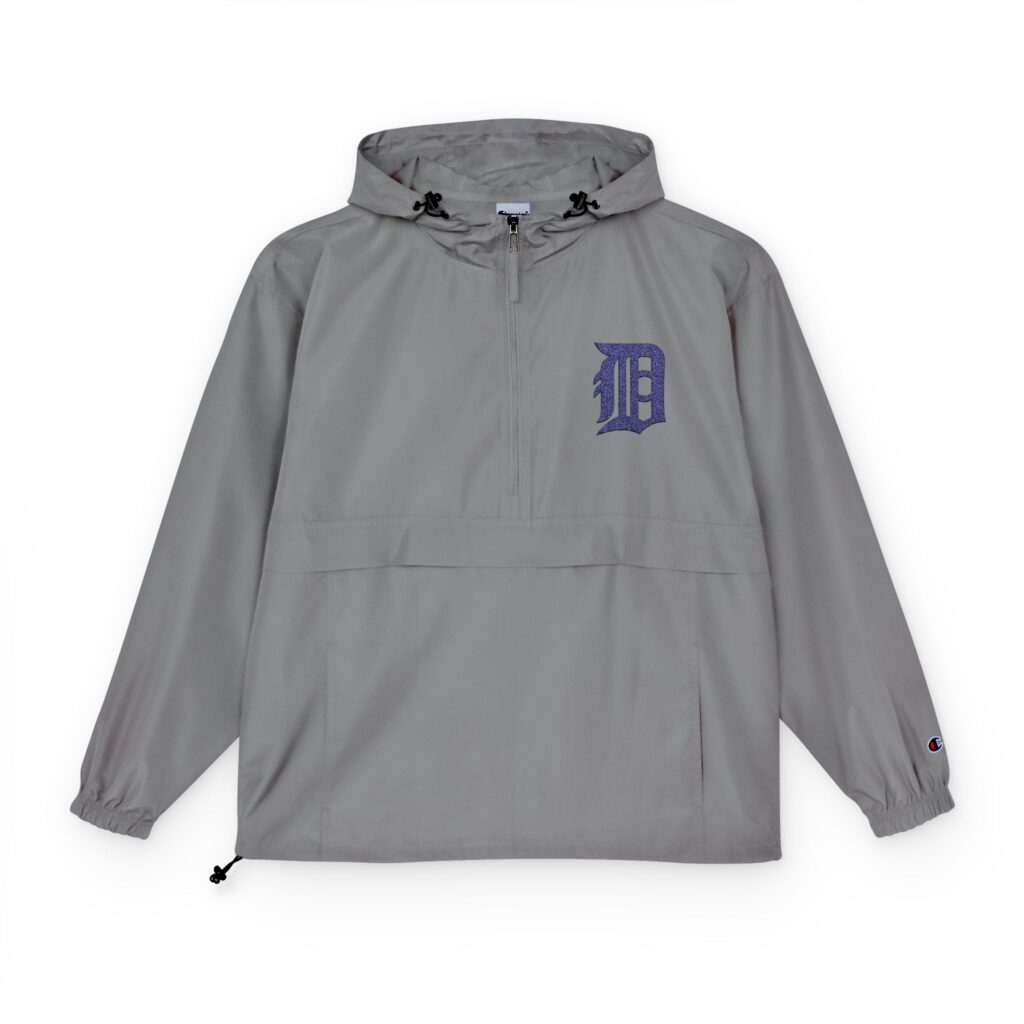
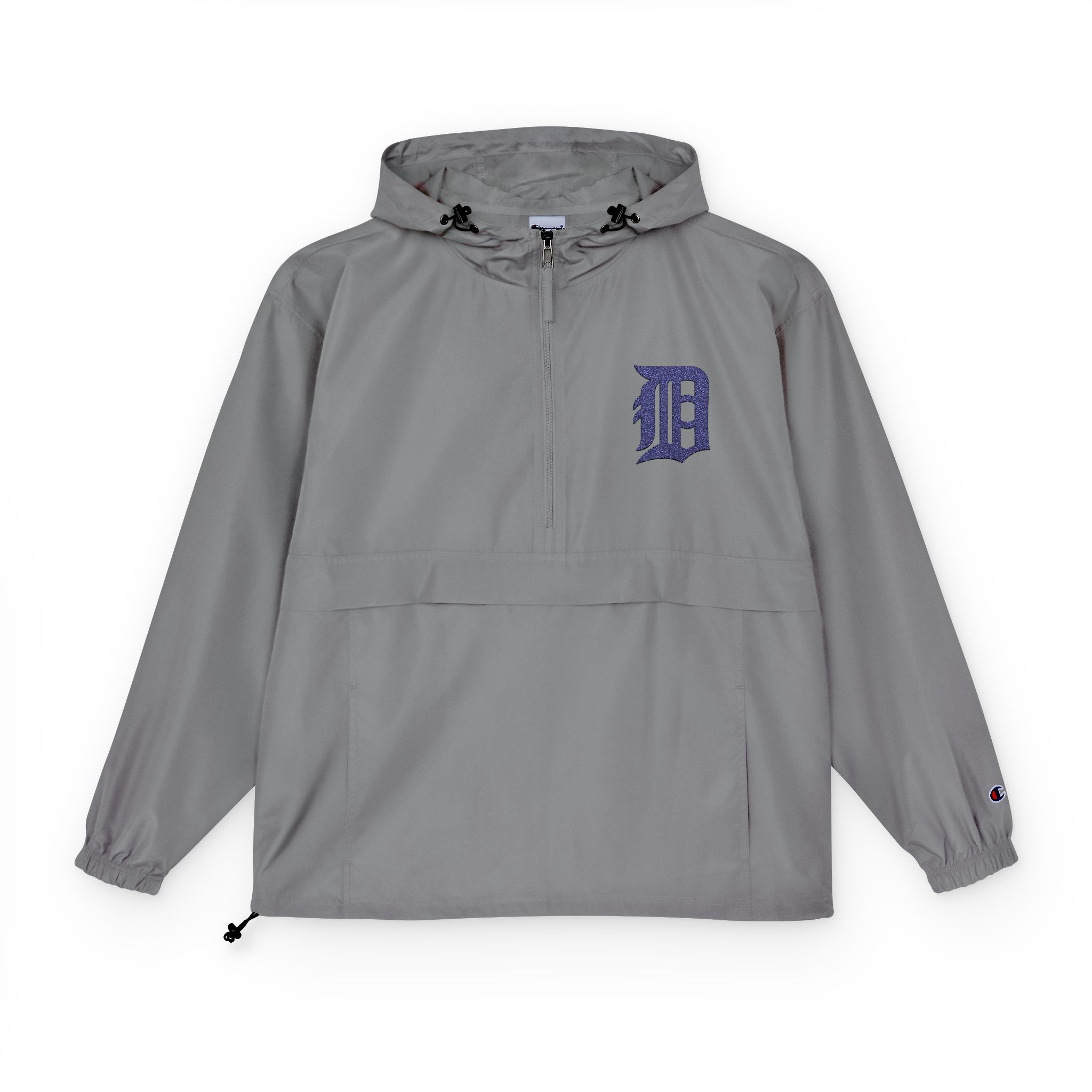
The Pro Merch MLB catalog with 885 licensed products across all 30 franchises is organized to serve both of those fan experiences with equal depth and equal commitment to quality. The anchor products that define the collection give every fan in every market access to licensed gear that reflects the standard of what Pro Merch carries across every sport it covers. The Champion Unisex Packable Anorak Jacket, priced from $69.98 to $73.97 depending on team and size, is the definitive outerwear piece for the baseball fan who wants to represent their team in something that holds up in any context. Lightweight enough to pack into a bag for a day game, durable enough to wear through a full season of outdoor baseball, and designed with the color accuracy and graphic treatment that distinguish genuine Champion products from mass-market alternatives, the Anorak is available across the catalog for teams including the Los Angeles Dodgers, San Diego Padres, San Francisco Giants, Colorado Rockies, and Arizona Diamondbacks, with the full catalog expanding throughout the season.
The Port Authority Men’s Collective Soft Shell Jacket at $89.99 to $104.22 sits at the premium tier of the outerwear catalog, a structured and polished piece that translates from the ballpark to a professional environment without losing the team identity that makes it worth wearing. Both lines serve the fan who wants something worth owning for the long term rather than a disposable souvenir, and both are available in multiple size variants through the individual product pages.
Every franchise with a stake in the 2026 deadline has a fully stocked section in the Pro Merch MLB catalog. The Detroit Tigers, whose Skubal decision is consuming the industry. The San Diego Padres, weighing their Miller options. The Tampa Bay Rays, most consistently linked to the biggest prize. The New York Yankees, pursuing Miller and Heim simultaneously. The Milwaukee Brewers, checking in on both Skubal and Miller. The Chicago Cubs, building a Peralta package. The Atlanta Braves, searching for rotation depth while considering Minter’s availability. The Boston Red Sox, riding a wild-card position and pursuing Zach Neto for the middle infield. The New York Mets, navigating the Peralta and Holmes conversations from the seller’s side. The Toronto Blue Jays, trending toward full seller mode with Gausman as the primary asset. The Los Angeles Angels, opening the vault with Detmers, Soriano, and Neto all available. The Pittsburgh Pirates and Seattle Mariners as identified Miller suitors. The San Francisco Giants as the Arráez seller and a team watching Heliot Ramos enter the conversation. The Oakland Athletics, moving Heim to a catching-needy contender. And the Minnesota Twins, whose Joe Ryan situation adds yet another starting pitcher dimension to a market already loaded with rotation options.
Every one of these franchises, and all 30 teams across the league, is represented at Pro Merch with the same depth and the same commitment to quality that defines the full catalog. The Houston Astros, Texas Rangers, Kansas City Royals, Baltimore Orioles, Cleveland Guardians, Cincinnati Reds, Miami Marlins, Washington Nationals, Philadelphia Phillies, St. Louis Cardinals, Chicago White Sox, and Los Angeles Angels all have dedicated sections with the full range of licensed products that every fan of every team deserves access to.
Nine days. Every phone in every front office is ringing. Every prospect list in every organization is being revisited. Every contender is calculating whether the pieces it has are enough to go deep in October or whether one more arm, one more bat, one more proven playoff performer changes the probability in a meaningful way. And every fan of every team is watching all of it unfold in real time, with the specific mixture of hope and anxiety that baseball’s trade deadline always produces and that no other annual event in any sport quite replicates. The gear to mark where your team stands is at Pro Merch. Shop the full MLB collection and the complete store at Pro-Merch.com. The deadline does not wait, and neither should you.