Ted Lasso sends five million new visitors to Kansas City. The $35 million expansion is gaining real momentum. Josh Gibson leads baseball’s all-time record books. And four new legends enter the Hall of Game. The Negro Leagues are having their greatest cultural moment in a generation.
Negro Leagues Today — September 7, 2026: Ted Lasso Sparks 5,000% Surge, $35M Expansion, Hall of Game Class, and Josh Gibson Leads Baseball’s Record Books
Pro Merch · Negro Leagues Report · September 7, 2026
The Game That Refused to Be Forgotten
Ted Lasso sends five million new visitors to Kansas City. The $35 million expansion is gaining real momentum. Josh Gibson leads baseball’s all-time record books. And four new legends enter the Hall of Game. The Negro Leagues are having their greatest cultural moment in a generation.
5,000% Visitor Surge · NLBMTed Lasso Season 4$35M Campus ExpansionHall of Game Class 2026Josh Gibson · All-Time LeaderPhiladelphia Stars Memorial Park
Ted Lasso Puts the Negro Leagues Baseball Museum in Front of the Entire World
Ted Lasso Season 4 · Feature Storyline · NLBM Kansas City
“The museum can hardly handle it.” — Bob Kendrick, NLBM President
⚡ Online Interest Surge: Over 5,000% Overnight
Nobody on the museum’s staff saw it coming at this scale. The Ted Lasso Season 4 premiere included a storyline where the character Higgins visits the Negro Leagues Baseball Museum in Kansas City, a plot point that lasted a few minutes of screen time and sent global interest in the institution into a level of viral orbit that museum president Bob Kendrick described with a candor that is both funny and genuinely staggering. The museum can hardly handle it. That’s the quote. Not “we’re experiencing increased traffic.” Not “interest is up significantly.” The museum can hardly handle the wave.
Online interest surged by over 5,000 percent, almost overnight, exposing millions of international fans who had never heard of the Negro Leagues Baseball Museum — or in some cases had never heard of the Negro Leagues themselves — to one of the most important cultural and historical institutions in American sport. That’s what great television does at its best: it points people toward things that were already worth their attention and reminds them to go look. The NLBM was always worth finding. Ted Lasso just made five million more people find it at once.
The museum is located in Kansas City, Missouri, in the 18th and Vine District, and it carries the most comprehensive archive of Black baseball history that exists anywhere on earth. Bob Kendrick has run it with the specific combination of scholarly rigor and evangelical enthusiasm that this institution demands. His response to the surge was not to manage it down to a manageable level. It was to say the museum can hardly handle it and let that statement do what statements of that kind do when they land in the right news cycle: spread everywhere immediately.
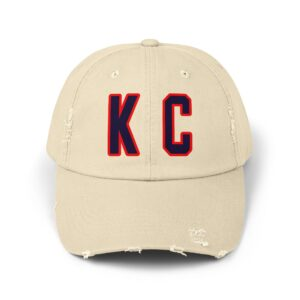
The timing of the Ted Lasso surge is not simply fortunate. It’s the kind of alignment that looks like luck from the outside and looks like years of institutional work from the inside. The NLBM has been building its public profile, its digital presence, and its community relationships for over three decades. The Negro Leagues merchandise collection at Pro Merch exists within that same ecosystem: a serious, historically grounded set of products for fans who want to carry this history with them. The distressed caps at $34.98 representing the Kansas City Monarchs, the Homestead Grays, the Pittsburgh Crawfords, the Newark Eagles, and eleven other legendary franchises are not novelty items. They are tangible pieces of a story that five million new people just discovered through a streaming drama about an English football club.
◆ · · · ◆
The $35 Million “Their Legacy Plays On” Expansion Is Getting Real
Capital Campaign
$35M+
“Their Legacy Plays On” ongoing campaign
KC Royals Commitment
$5M
Anchor gift from MLB franchise
New Facility Size
35,000 sq ft
Triple the current footprint
Target Completion
2027
Connected to the Paseo YMCA birthplace
This isn’t a renovation. It’s a resurrection.
The visitor boom from the Ted Lasso effect couldn’t have arrived at a better moment for the museum’s capital campaign. The $35-plus million “Their Legacy Plays On” expansion was already in motion before Higgins walked through those doors on screen, anchored by a $5 million commitment from the Kansas City Royals that signaled the kind of institutional backing that makes other donors follow. That combination of MLB franchise investment and a globally recognized streaming show’s story power is exactly the kind of dual momentum that museum capital campaigns usually only dream about.
The new facility will measure 35,000 square feet, triple the size of the current space, and will be physically connected back to the Paseo YMCA. That building is not a peripheral detail. The Paseo YMCA is where eight Black team owners gathered on February 13, 1920 to formally organize what became the Negro National League. It’s the room where Rube Foster, the father of Black professional baseball, presided over one of the most consequential organizational meetings in American sports history. Reconnecting the museum to that physical site makes the expansion not just a larger building but a completion of a circle that has been waiting to be closed for over a century. Target completion is 2027. The campaign is building. The timing, with five million new visitors just discovering the institution’s existence, couldn’t be better calibrated.
◆ · · · ◆
The Hall of Game Class of 2026: Four Legends Who Played with Unmistakable Swag
The Negro Leagues Baseball Museum’s Hall of Game is not the Baseball Hall of Fame in Cooperstown. It’s something different, and the difference matters. The Hall of Game honors former Major League Baseball players who brought to the game the specific passion, skill, and style that defines the Negro Leagues tradition. “Swag” is the word the museum uses, and it’s the right word: a quality of play that is confident, expressive, and deeply connected to the cultural roots from which Black baseball grew. The 2026 class, inducted by NLBM president Bob Kendrick, adds four names to that honor roll.
🏆
Ralph Garr
“The Roadrunner”
🏆
Reggie Smith
“Spike”
🏆
Gary Matthews Sr.
“Sarge”
🏆
Andre Thornton
“Thunder”
Ralph “The Roadrunner” Garr played with a speed and a contact-hitting aggression that connected directly to the Negro Leagues offensive tradition: get on base, move fast, put pressure on the defense constantly. Reggie “Spike” Smith brought a competitive intensity and versatility across positions that made him one of the most complete players of his era. Gary “Sarge” Matthews Sr. led with the combination of veteran authority and physical presence that the nickname captures perfectly. And Andre “Thunder” Thornton generated power from the right side with the kind of quiet, consistent menace that pitchers hate and teammates love. All four played the game with something that statistics don’t fully capture but that anyone who watched them recognized immediately. The Hall of Game was built for players exactly like these four.
◆ · · · ◆
The Philadelphia Stars Get Their Own Memorial Park — and It’s Beautiful
In Philadelphia, in the lead-up to the MLB All-Star Game, MLB and Phillies Charities unveiled the official transformation plans for what is now called the Miller-Parker Philadelphia Stars Negro League Memorial Park. The park honors the Philadelphia Stars, one of the most important Negro Leagues franchises in the sport’s history, who played from 1933 to 1952 in a city that has always had a complicated but genuine relationship with Black baseball.
The park features statues and community art dedicated to the Stars and their legacy, turning a piece of Philadelphia’s physical landscape into a permanent acknowledgment of what the franchise meant to the city and to the players who wore the uniform. Statues. Art. Public space. These are not temporary installations. They are the kind of civic commitment that says a community has decided to make a specific piece of history permanent rather than merely remembered. For fans of the Philadelphia Stars and for anyone who cares about the full story of American baseball, this park is a meaningful addition to the city’s relationship with its own history.
Josh Gibson Leads All of Baseball. The Record Books Are Still Being Corrected.
Josh Gibson
MLB’s All-Time Career Batting Average Leader · All-Time OPS Leader
.372
Career Batting Average Ahead of Ty Cobb
1.177
Career OPS Ahead of Babe Ruth
2,300+
Players Being Accurately Preserved
Following MLB’s historic decision to officially incorporate Negro Leagues statistics from 1920 to 1948 into its master database, Josh Gibson was crowned baseball’s all-time career batting average leader. The Negro League Statistical Review Committee continues rolling out data updates uncovering thousands of new box scores, ensuring every player’s record is accurate and permanent.
The work being done by the Negro League Statistical Review Committee is not glamorous. It’s archival research: going through newspapers from cities across the country, reconstructing box scores from games played in the 1920s, 1930s, and 1940s in front of crowds that history largely forgot to document, matching player identities across different team rosters and different spelling conventions for the same name, building a statistical record from the ground up with the same rigor that Cooperstown applies to the major leagues. Over 2,300 players are in the process of being accurately preserved. Each one of them was a professional baseball player. Each one of them played the game at the highest level. The record now reflects that.
Josh Gibson’s numbers are not projections or estimates. They are the result of that painstaking verification process applied to one of the most extraordinary offensive careers the sport has ever produced. A .372 career batting average ahead of Ty Cobb. A 1.177 OPS ahead of Babe Ruth. These are not approximations. They are the actual record of what Josh Gibson did at the plate across his career, now officially part of the same database that houses every major league statistic from every era of integrated professional baseball. The record book finally tells the truth. It took a century. It’s here now.
The Homestead Grays, whose dynasty of nine consecutive Negro National League pennants from 1937 to 1945 placed them among the most dominant teams in the history of professional baseball in any league, are where Josh Gibson’s records live in their most concentrated form. The Pittsburgh Crawfords assembled what many historians consider the single greatest roster in Negro Leagues history in the mid-1930s: Gibson, Satchel Paige, Cool Papa Bell, Judy Johnson, and Oscar Charleston all on the same team, all playing in the same Hill District ballpark, all doing things that the official record books were not keeping track of at the time. They’re keeping track now. Both franchises are fully represented in the Pro Merch Negro Leagues collection with distressed caps at $34.98 that carry the full weight of what these organizations were and what they are finally being recognized as being.
Honor the History. Wear the Legacy.
The Pro Merch Negro Leagues collection covers 14 legendary franchises including the Kansas City Monarchs, Homestead Grays, Pittsburgh Crawfords, Newark Eagles, Chicago American Giants, Birmingham Black Barons, and Philadelphia Stars. Unisex distressed caps at $34.98, multiple variants per franchise. The record books finally tell the truth. The gear is here to mark it.
What’s happening with the Negro Leagues right now is not a moment. It’s a convergence. A globally beloved television show sends millions of new people to a museum in Kansas City. That museum is in the middle of its most ambitious expansion in its history, backed by MLB franchise money and a capital campaign whose title says everything that needs to be said: Their Legacy Plays On. The record books have been corrected with the kind of scholarly rigor and institutional commitment that they deserved from the beginning. Josh Gibson is where the numbers always said he should be, at the top of every list that matters. Four new legends enter the Hall of Game representing the style and substance that the Negro Leagues tradition produced across its decades of extraordinary play. A Philadelphia park is being permanently dedicated to the Stars franchise that helped define Black baseball in the East. And the Pro Merch Negro Leagues collection carries merchandise that honors this history with the seriousness it has always deserved.
Shop the full Negro Leagues collection and the complete Pro Merch store at Pro-Merch.com. Customer service is at 1.609.206.5763 and by email. These franchises waited long enough to be seen. Don’t make them wait any longer on your shelf.
There is a version of baseball history that was written in pencil for most of the twentieth century — sketched lightly into the margins of the sport’s official record, acknowledged only partially, celebrated inconsistently, and for far too long treated as something adjacent to the main story rather than essential to it. That version of history is now being corrected in real time, with a force and a seriousness of purpose that would have seemed impossible just a decade ago. The Negro Leagues are having their greatest moment of institutional recognition since their players walked off the field for the last time, and the cultural energy surrounding that recognition is growing more powerful with every passing month. A $35 million museum expansion in Kansas City. Statistical integration into Major League Baseball’s official all-time record books. Josh Gibson confirmed as the greatest hitter in the history of the sport by any analytical measure. Satchel Paige’s legacy expanded with newly discovered data. Turkey Stearnes gaining five and a half wins above replacement in a single data update. Congressional honors. State resolutions. Museum exhibits from Alabama to Washington D.C. The story of Black baseball in America is being told at a volume and with a clarity it has never had before. And right in the center of that cultural moment, Pro Merch is delivering the most carefully curated and historically serious Negro Leagues merchandise collection available anywhere online — 57 products across 14 legendary franchises, each one a statement about whose history deserves to be worn, collected, and carried forward.
This is not a trend. This is a reckoning. And Pro Merch is ready for it.
The $35 Million Expansion That Changes Everything for the Negro Leagues Baseball Museum
The most consequential development in the institutional life of Negro Leagues baseball in decades was announced earlier this year, and it deserves to be understood in full because it reframes everything that follows. The Negro Leagues Baseball Museum in Kansas City, Missouri — the only institution of its kind in the world, the physical home of the most important archive of Black baseball history that exists — has announced a $35 million expansion project that will transform the organization from a beloved but space-constrained cultural landmark into a state-of-the-art campus capable of telling this story at the scale it actually deserves.
The project is anchored at a location that carries almost unbearable historical significance: the Paseo YMCA building, the exact building where eight Black team owners gathered on February 13, 1920 to formally organize what would become the Negro National League. The room where Andrew “Rube” Foster — the father of Black baseball, the visionary who understood that Black players needed their own organized professional league to survive and thrive in an America that had shut them out of the majors — presided over the founding meeting of one of the most important institutions in American sports history. That building will now anchor a 30,000-square-foot campus featuring immersive, state-of-the-art storytelling technology, a seven-story hotel that will bring visitors to the 18th and Vine District from across the country, and public pedestrian plazas designed to make this corner of Kansas City a gathering place for everyone who wants to understand what happened here. The revitalization of the 18th and Vine District, which was once the cultural and commercial heart of Kansas City’s Black community and which the museum has been working to restore for years, gets its most powerful catalyst yet with this expansion. What was once penciled into the margins is now being carved in stone, and the scale of the investment reflects a genuine understanding of how large this story actually is.
For collectors, for students of the game, for anyone who has ever looked at a Kansas City Monarchs cap and felt something stir — this expansion matters. It means the objects that carry this history, the merchandise that honors these teams and these players and these decades of extraordinary baseball played under extraordinary circumstances, now exist within a broader cultural conversation that is only growing louder. The Negro Leagues collection at Pro Merch is part of that conversation.
The Statistics That Rewrote the Record Books: Gibson, Paige, Stearnes, and the Data That Changed Everything
The most dramatic single development in the official history of baseball in recent memory — a development whose implications are still being fully processed by the sports world — came when Major League Baseball formally integrated Negro League statistics into the official MLB record books. What had been treated for generations as a separate, parallel body of statistics, acknowledged in spirit but excluded from the ledger that counts, was finally brought into the main record. The results were stunning, and the data refinements that historians and researchers have been rolling out since that initial integration have only deepened the picture.
Josh Gibson now stands as the greatest hitter in the recorded history of Major League Baseball by any analytical measure. His career batting average of .372 places him ahead of Ty Cobb, who held that distinction for nearly a century. His career OPS of 1.177 surpasses even Babe Ruth, whose offensive dominance had defined the ceiling of what was considered possible at the plate. These are not approximations or estimates based on incomplete data — they are the result of years of painstaking historical research, of historians going through box scores and game logs and newspaper records from cities across the country, reconstructing the statistical record of a league that played professional baseball at the highest level for decades while being systematically excluded from the only record book that history was keeping. Gibson hit. He hit at a rate and with a power that no one in the history of the game has matched. The record book now says so.
Satchel Paige, perhaps the most famous name to emerge from the Negro Leagues, has seen his official major league profile expanded with the addition of eight games, eight wins, and 2.1 wins above replacement — a reflection of newly verified game data that strengthens what was already an extraordinary legacy. Paige’s story is well known in broad strokes: the dominant pitcher who was finally allowed into the majors in 1948 at the age of 42 and proceeded to help the Cleveland Indians win the World Series, the player who became the oldest rookie in major league history, the legend whose best years were spent entirely in the Negro Leagues because the major leagues would not have him. The refined data adds precision to what was always clear in principle: Paige was one of the greatest pitchers the sport has ever seen, and the record now reflects that more fully.
Turkey Stearnes, the Hall of Fame outfielder who played the majority of his career with the Detroit Stars, gained the largest analytical boost in the most recent Baseball Reference data quality update — an additional 5.5 wins above replacement that moves him even higher on the all-time lists. Stearnes was a left-handed power hitter with exceptional speed and defensive range, a player whose combination of tools would have made him a star in any era and in any league. The Detroit Stars, his primary home, were one of the anchor franchises of the Negro National League, and Stearnes was their greatest player. The Pro Merch Detroit Stars collection honors a franchise whose history was always worth preserving and whose greatest player is now, finally, getting the analytical credit his career earned.
What these statistical updates do, collectively, is something more important than moving names up a list. They establish, with the authority of modern baseball research and the imprimatur of Major League Baseball’s own record-keeping apparatus, that the Negro Leagues were not a lesser form of the game. They were not a parallel universe of baseball where the standards were different and the competition was softer. They were professional baseball at the highest level, played by men who were denied access to the major leagues not because of any deficiency in their talent but because of the color of their skin. The record book now reflects that truth. The merchandise that honors these teams reflects it too.
The Franchises: Fourteen Teams, One Extraordinary Legacy
The Pro Merch Negro Leagues collection covers 14 franchises, each with its own history, its own city, its own cast of legends, and its own place in the larger story of Black baseball in America. Understanding each of them is understanding the full scope of what the Negro Leagues were and what they meant.
The Kansas City Monarchs are the franchise that most people think of first when they think of the Negro Leagues, and for good reason. The Monarchs were the most dominant team in Black baseball history, winning more championships than any other franchise and producing more Hall of Fame talent per roster than perhaps any team in the history of professional sports. Satchel Paige spent the prime years of his career as a Monarch. Jackie Robinson played for the Monarchs before Branch Rickey came calling. Ernie Banks, Willard Brown, and Bullet Rogan all wore Monarchs uniforms. The organization was a model of professionalism, stability, and sustained excellence in a circuit that faced the constant external pressures of segregation and the internal pressures of limited resources. Wearing a Kansas City Monarchs cap is not just a style choice — it is an alignment with the most successful franchise in the history of an extraordinary league.
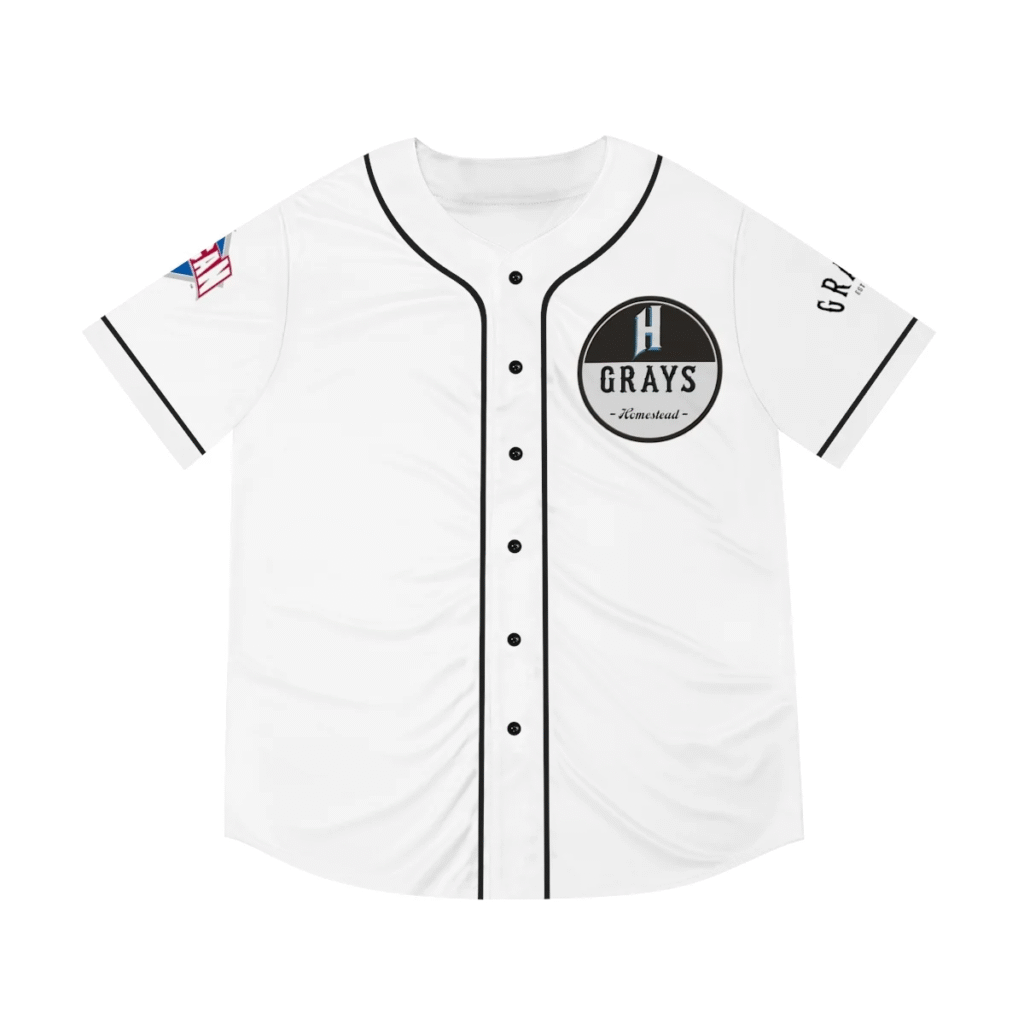
The Homestead Grays were the Monarchs’ primary rival for the title of greatest Negro Leagues franchise, and the argument between their respective partisans is one of the most spirited in the sport’s historical community. The Grays claimed nine consecutive Negro National League pennants between 1937 and 1945, a stretch of dominance that has no equivalent in the history of organized baseball. They did it with Josh Gibson behind the plate and Buck Leonard at first base — a combination that was the Negro Leagues’ answer to Babe Ruth and Lou Gehrig, and that the Washington Nationals recently honored with a high-profile legacy panel bringing together historians and former players to outline the lasting impact of the franchise on the game and on the community. Gibson’s all-time records in batting average and OPS, now officially part of baseball’s record books, are Grays records in every meaningful sense. The Homestead Grays collection at Pro Merch honors a dynasty that has never received the mainstream recognition it deserves and that is finally getting it.
The Pittsburgh Crawfords assembled what many historians consider the single greatest roster in Negro Leagues history during the mid-1930s, when owner Gus Greenlee brought together five future Hall of Famers on a single team. Josh Gibson. Satchel Paige. Cool Papa Bell. Judy Johnson. Oscar Charleston. Five of the greatest baseball players ever to take a field, playing together in Pittsburgh’s Hill District, entertaining a community that was as devoted to the Crawfords as any fanbase in the history of the sport. The Crawfords were not just a great team — they were a cultural institution for Black Pittsburgh, a source of community pride and economic vitality in a neighborhood that needed both. Their caps and jerseys carry the weight of that history, and the Pro Merch Pittsburgh Crawfords collection makes that history wearable.
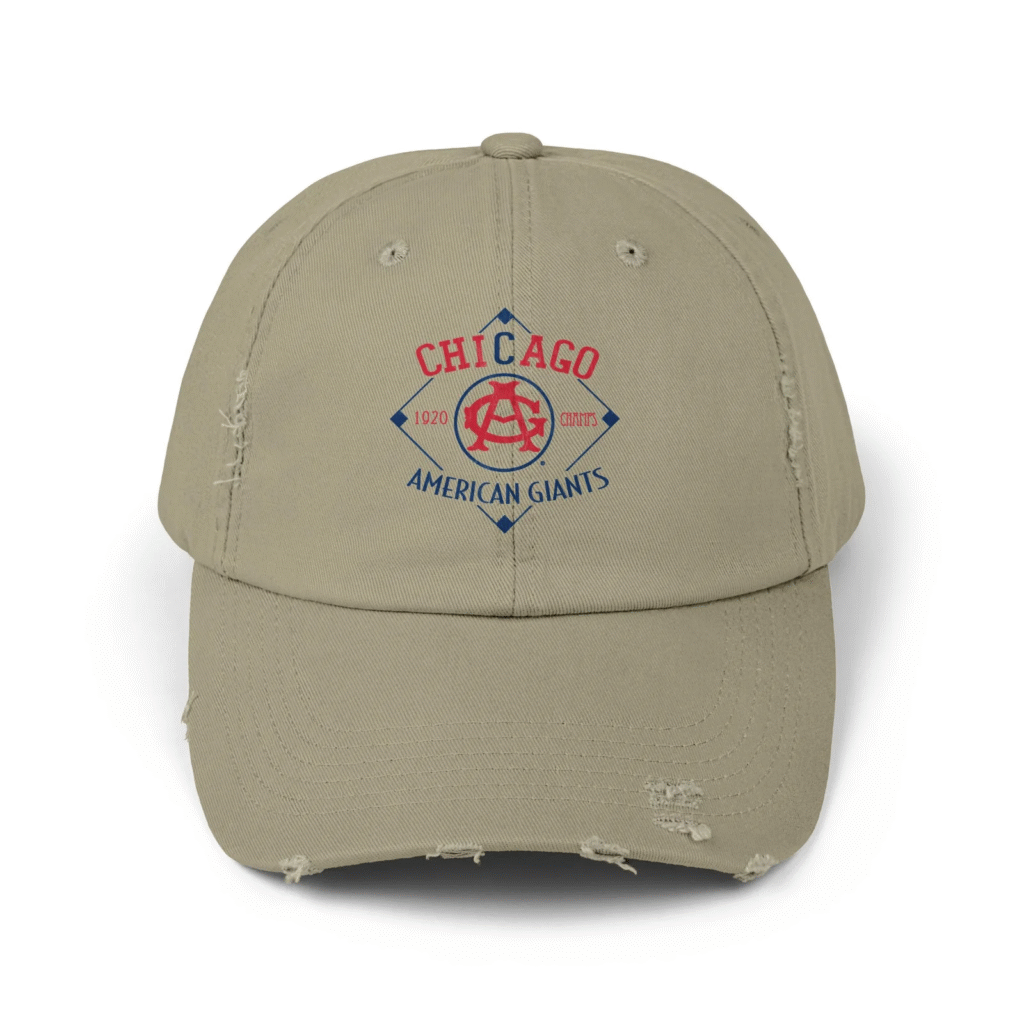
The Chicago American Giants were the franchise that Rube Foster himself built and managed — the team through which he demonstrated that Black baseball, run with professional discipline and competitive rigor, could succeed on its own terms. Foster’s American Giants won three consecutive Negro National League championships in the league’s early years and established Chicago’s South Side as one of the great centers of Black baseball culture in America. The franchise’s connection to the founding of the league itself gives the Chicago American Giants a place in Negro Leagues history that is different in kind from even the most successful franchises — they are part of the origin story. The Chicago American Giants collection at Pro Merch carries that founding significance in every stitch.
The Newark Eagles gave the world Monte Irvin and Larry Doby — two players who would go on to integrate the National and American Leagues respectively, who would become Hall of Famers in their own right, and who learned to be major league caliber players in Newark’s Ruppert Stadium in front of one of the most passionate Negro Leagues fanbases anywhere on the East Coast. The Eagles were owned by Effa Manley, who remains the only woman inducted into the Baseball Hall of Fame and whose combination of business acumen, community advocacy, and competitive intensity made the Newark Eagles one of the best-run organizations in the history of the sport. Honoring the Eagles is honoring Manley’s legacy as much as it is honoring the players, and the Newark Eagles collection at Pro Merch does both.
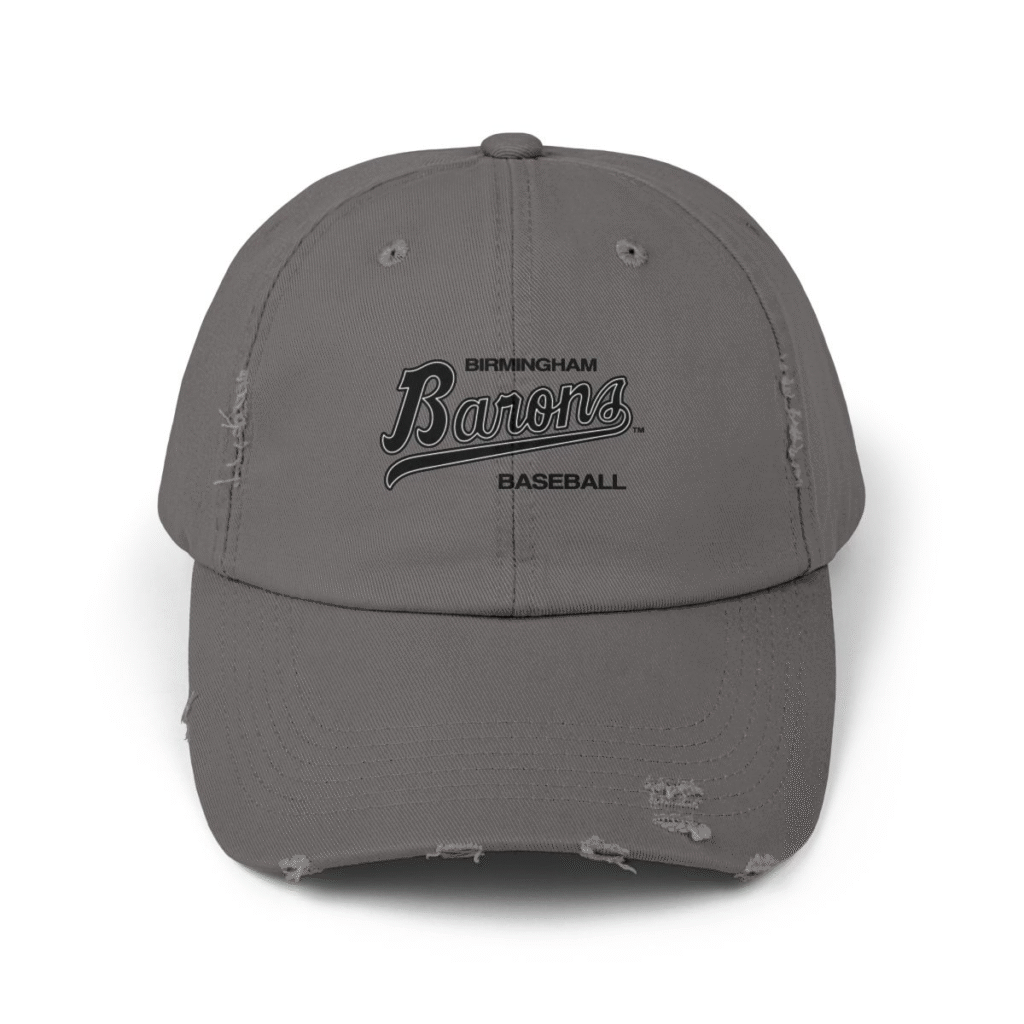
The Birmingham Black Barons produced Willie Mays, who arrived at the franchise as a teenager and dazzled even the most seasoned Negro Leagues veterans before the New York Giants came to sign him. The Black Barons played in a city that was, in many respects, the epicenter of American racial tension in the twentieth century, and the fact that they sustained a professional baseball organization of this quality in that environment speaks to the extraordinary resilience and determination of the Black community in Birmingham. The regional exhibit now being completed at Riverwalk Stadium in Montgomery, Alabama — tucked inside a century-old train shed and designed to highlight the Southern playing roots of both Willie Mays and Hank Aaron — will bring this history to a new audience in the Deep South, and the Birmingham Black Barons collection at Pro Merch belongs in every Alabama baseball fan’s closet.
The Baltimore Elite Giants are the franchise that produced Roy Campanella, the three-time National League MVP and Brooklyn Dodgers Hall of Famer who learned to catch behind the plate in the Negro Leagues before he ever put on Dodger blue. The Elite Giants were one of the Eastern Negro Leagues’ most competitive franchises across multiple decades, and Baltimore’s Black baseball community was as devoted to them as any city in the circuit. The Atlanta Black Crackers, whose very name reflects the complex and challenging cultural landscape of Black life in the Jim Crow South, represent a chapter of the Negro Leagues story that is less widely known than the Northern franchises but no less important in understanding the full geographic scope of the sport. The Cuban X Giants reflect the extraordinary international dimension of Black baseball, drawing players from Cuba who brought a stylistic richness and technical sophistication to the game that influenced American baseball for generations. The New York Black Yankees and New York Cubans represent the two distinct Black baseball franchises that competed in the nation’s largest city, each with its own identity and its own loyal following in different neighborhoods of New York. The Hilldale Athletic Club of Darby, Pennsylvania is one of the sport’s founding institutions, a semiprofessional club that became one of the first great professional franchises in Eastern Black baseball. The Philadelphia Stars, whose upcoming celebration at the Negro Leagues Family Alliance Annual Fundraising Gala in Philadelphia on July 10, 2026 — held in conjunction with MLB All-Star Week and designed to fund inner-city youth sports, tech education, and community mentoring programs — brings the franchise’s legacy directly into the present moment of the game’s relationship with the communities it came from.
The Product: Unisex Distressed Caps That Carry History on Every Thread
The primary product form in the Pro Merch Negro Leagues collection is the unisex distressed cap — and the choice of that specific form factor is worth understanding, because it is not arbitrary. At $34.98 each, these caps are priced to be worn, not stored. They are designed for the person who wants to carry this history with them in their daily life, who wants to start conversations about the Kansas City Monarchs at a coffee shop or the Pittsburgh Crawfords on the subway, who understands that the most powerful kind of historical education is the kind that happens because someone noticed what you were wearing and asked about it.
The distressed finish is a design choice that does genuine work. It acknowledges that these are old teams — that the Kansas City Monarchs and the Homestead Grays and the Pittsburgh Crawfords are organizations whose peak years are decades in the past — while simultaneously presenting them as living things, as franchises whose legacies are active and growing rather than fixed and fading. A brand-new, pristine cap representing a team from the 1930s carries a certain cognitive dissonance that a distressed finish resolves. It says: this history has been through things. It has texture. It has depth. It has earned the wear marks that it carries, and those marks are part of what makes it worth wearing. The caps are unisex, which means they are designed for everyone — for the baseball historian who has been following Negro Leagues scholarship for years, for the young fan discovering these teams for the first time because of the statistical integration news, for the person who simply wants to wear something beautiful with an extraordinary story behind it.
The Nationwide Momentum: Tributes, Exhibits, and Legislative Recognition Spreading Across the Country
What is happening right now with the cultural and institutional recognition of Negro Leagues baseball is not a single event or a single announcement — it is a wave, and it is building. The evidence is everywhere, from museum construction sites in Alabama to state legislatures in Pennsylvania to dugouts in Washington where the ghosts of the Homestead Grays are being formally acknowledged.
The Washington Nationals recently hosted a high-profile Negro Leagues Legacy Panel ahead of a home stand against Kansas City, bringing together historians, former players, and cultural advocates to examine the lasting impact of the Homestead Grays — the franchise that played its home games at Griffith Stadium in Washington alongside the Senators and that drew some of the largest crowds in the city’s baseball history. The Grays’ connection to Washington was never truly severed when the franchise dissolved; it lived in the community’s memory, in the stories passed down through generations of Washington baseball fans who knew that Josh Gibson and Buck Leonard had played on this ground. The panel honored that memory publicly and gave it the institutional recognition it deserves. The Homestead Grays cap at Pro Merch is, in this context, not just a piece of merchandise — it is a participation in the conversation that the Nationals and the museum community and the historians are all having about what this franchise meant and what it means still.
In Alabama, construction is completing on a brand new regional Negro Leagues Baseball Museum exhibit at Riverwalk Stadium in Montgomery — inside a century-old train shed that carries its own architectural history — designed to highlight the Southern playing roots of Willie Mays and Hank Aaron. Both men grew up in Alabama and both played in the Negro Leagues before reaching the major leagues. Mays with the Birmingham Black Barons, Hank Aaron with the Indianapolis Clowns. Their paths to Cooperstown ran through Black baseball stadiums in Southern cities that history has not always treated fairly. The Montgomery exhibit changes that, making the South’s role in producing two of the greatest players the sport has ever seen a story that can be told and experienced on the ground where it happened.
In Pennsylvania, the state House of Representatives passed House Resolution 481, officially establishing an annual Negro Leagues Day in the Commonwealth — a legislative recognition that gives the history of Black baseball in Pennsylvania, from the Hilldale Athletic Club in Darby to the Philadelphia Stars to the Homestead Grays’ eastern operations, an official ceremonial home on the state calendar. Pennsylvania’s connection to Negro Leagues baseball runs deep: the Commonwealth produced several of the most important franchises in the history of the sport and was home to some of its greatest players. The resolution acknowledges that history in a way that creates a permanent annual occasion for reflection, education, and celebration.
And in Philadelphia, the Negro Leagues Family Alliance’s Annual Fundraising Gala on July 10, 2026 — held in conjunction with Major League Baseball’s All-Star Week as it returns to the city that gave the world the Philadelphia Stars — brings together the historical celebration and the forward-looking mission in a single evening. The gala is designed to fund inner-city youth sports programs, technology education initiatives, and community mentoring — connecting the legacy of men who played baseball under the most difficult imaginable conditions to the futures of young people in the communities those men came from. That connection is not incidental. It is the whole point.
Why Pro Merch Is the Right Place to Honor This History
There are places online where you can find merchandise with Negro Leagues team names on it. There are mass-market retailers who carry a Kansas City Monarchs hat alongside thousands of other products in a catalog so large that no individual item carries any particular meaning. Pro Merch is not that kind of retailer, and the difference matters when the history involved is as significant as this.
Pro Merch, a division of Sunset Entertainment & Media, has built its entire identity around the proposition that sports merchandise should be worth owning — that the products it sells should honor the authenticity of the teams and organizations they represent, that the collection should be curated rather than aggregated, and that the fans who shop there deserve access to gear that carries real historical and cultural weight. The Negro Leagues collection, with 57 products across 14 franchises at $34.98 each, reflects that philosophy at every level. The distressed caps are not generic. Each one is tied to a specific franchise with a specific history and a specific community of players and fans who made that franchise real. The Pittsburgh Crawfords cap is not interchangeable with the Newark Eagles cap — they represent different cities, different eras, different rosters of extraordinary players, different chapters of the same extraordinary story.
The broader Pro Merch catalog — spanning the NFL across all 32 franchises, MLB across all 30 teams, the NBA, the NHL with its WHA vintage section covering organizations like the New England Whalers and the Winnipeg Jets in their original forms, the NCAA across every major conference including a dedicated HBCU section, the MLS covering all 29 active clubs, the Premier League, and the FIFA World Cup 2026 collection with 73 products — exists to serve every corner of the sports fan universe. But the Negro Leagues section is, in an important sense, where the store’s deepest commitment to the idea that all of sports history deserves to be honored manifests most clearly. These are teams that were excluded from the official story for generations. They are now being brought back into it with the kind of sustained, serious attention that the evidence of their excellence always demanded. Pro Merch has been part of that effort from the beginning, and the collection continues to grow as the cultural moment grows around it.
The Negro Leagues collection is organized for easy navigation by franchise, with individual team pages for each of the 14 organizations making it simple to find the specific cap, the specific franchise, the specific piece of this history that you want to carry with you. The products ship with the care and quality assurance that Pro Merch brings to everything in its catalog. Customer service is available at 1.609.206.5763 for any questions. And the story behind every product in this collection — the history of Black baseball in America, the players who made it great, the communities that sustained it, and the record books that are finally telling the truth about what those players accomplished — is one that grows richer and more important with every passing month.
The game that was excluded from history is now the story history is telling. Wear the cap. Know the names. Pass it on.
There are moments in sports culture when history unexpectedly finds a new generation. Sometimes it happens through documentaries. Sometimes it happens through live events, anniversaries, museums, or archival discoveries. In 2026, one of the most powerful examples of that resurgence is happening through gaming culture, collectible merchandise, and apparel design simultaneously. The release of MLB The Show 26 and the launch of Season 4 of its groundbreaking “Storylines: The Negro Leagues” mode has become far more than another sports gaming update. It has evolved into a cultural bridge connecting baseball history, Black excellence, nostalgia, education, and modern fandom in a way few sports properties have managed successfully.
That cultural shift is exactly where the expanding non-MLB product collection at Pro Merch is positioning itself. While mainstream sports apparel often revolves around officially licensed league branding and repetitive retail cycles, Pro Merch’s growing non-MLB catalog is operating in a completely different lane. It is becoming a destination for fans who want baseball culture beyond corporate branding, beyond predictable merchandising, and beyond the narrow limitations of modern sports retail.
With the spotlight now turning toward the Negro Leagues through one of the largest sports gaming franchises in the world, the timing could not be more important.
The release of “Storylines: The Negro Leagues — Season 4: A Symphony of Greatness” inside MLB The Show 26 represents one of the most ambitious historical storytelling projects ever incorporated into a sports video game. Released globally on March 17, 2026, following early access beginning March 13 for Digital Deluxe Edition players, the mode continues the franchise’s evolving partnership with the preservation and celebration of Black baseball history. Narrated once again by Negro Leagues Baseball Museum President Bob Kendrick, the experience blends documentary filmmaking, playable gameplay moments, archival storytelling, and immersive historical recreation into a format that younger audiences can engage with naturally.
That matters enormously.
For decades, many Negro Leagues legends remained underrepresented in mainstream baseball education. Entire generations grew up hearing only fragments about icons whose influence fundamentally shaped professional baseball in America. Players like Roy Campanella, Mamie Johnson, George Suttles, and John Henry Lloyd are no longer being treated as historical footnotes. They are being reintroduced as central figures in baseball history through interactive media capable of reaching millions of players globally.
The emotional impact of that approach cannot be overstated. Instead of merely reading statistics or watching a short clip online, gamers actively recreate pivotal career moments. They step into the batter’s box. They pitch critical innings. They relive defining performances. The result transforms historical appreciation from passive observation into personal participation.
That evolution creates a massive ripple effect throughout baseball culture itself, including apparel, collectibles, memorabilia, and independent merchandise brands.
This is where Pro Merch’s non-MLB collection becomes especially relevant.
The modern sports fan increasingly wants products tied to identity, storytelling, heritage, authenticity, and culture instead of simply another standardized jersey or mass-produced logo shirt. Consumers today are drawn toward apparel that represents meaning and emotional connection. They want pieces that feel tied to movements, moments, forgotten histories, underground communities, or deeper appreciation of sports culture itself.
The growing non-MLB category at Pro Merch’s Non-MLB Collection reflects that evolution directly. Rather than limiting baseball merchandise exclusively to active Major League branding structures, the collection embraces the broader ecosystem surrounding the sport — independent culture, vintage aesthetics, heritage appreciation, storytelling-driven apparel, and designs that connect emotionally with serious fans.
That distinction matters because baseball itself is changing.
The audience consuming baseball in 2026 no longer exists solely inside stadiums or television broadcasts. Baseball culture now intersects with streaming platforms, gaming communities, digital collectibles, nostalgia media, documentary filmmaking, social history, and online storytelling ecosystems. Younger audiences often encounter historic players first through TikTok clips, YouTube documentaries, streaming content, retro fashion, or sports gaming modes before they ever encounter them through traditional broadcasts.
MLB The Show 26 understands that reality. Pro Merch appears to understand it too.
The “Storylines” mode succeeds because it approaches baseball history cinematically rather than academically. The mode’s structure allows players to engage emotionally with the figures involved instead of simply absorbing information. Mamie “Peanut” Johnson’s inclusion, for example, carries enormous historical significance. As the first and only female pitcher to play in the Negro Leagues, her legacy challenges decades of assumptions surrounding gender and professional baseball opportunity. Her dominance despite her small stature remains one of the most compelling stories in baseball history. Introducing her to younger audiences through gameplay creates emotional accessibility that textbooks alone rarely achieve.
Likewise, Roy Campanella’s journey from the Negro Leagues to becoming a three-time National League MVP with the Brooklyn Dodgers represents one of the defining transitions in baseball’s integration era. George “Mule” Suttles’ legendary power hitting and iconic 50-ounce bat feel almost mythical by modern standards. John Henry “Pop” Lloyd’s reputation as arguably the finest shortstop the Negro Leagues ever produced reinforces the depth of elite talent that existed outside Major League Baseball’s segregated system.
All of these stories contribute to a broader reexamination of baseball heritage happening right now across media, fashion, and collectibles.
For apparel brands and merchandise platforms, this cultural moment creates enormous opportunity — but only for companies capable of treating the history with authenticity rather than superficial marketing.
That is why the structure of Pro Merch’s non-MLB line feels especially timely.
The collection exists within a larger movement where fans increasingly seek alternatives to over-commercialized league merchandise. Vintage aesthetics continue dominating sports fashion trends. Heritage-inspired graphics are outperforming generic team branding online. Independent sports merchandise brands are experiencing growth because fans want individuality and narrative identity instead of mass-market sameness.
There is also a broader cultural reevaluation happening around overlooked sports histories. Negro Leagues appreciation has grown significantly over the past decade thanks to museums, documentaries, historians, archival restoration projects, and now gaming integration. The visibility generated by MLB The Show 26 dramatically accelerates that awareness.
Importantly, the game does not simply present history as nostalgia. It presents it as living influence.
Unlockable rewards inside the mode reinforce that immersion further. Players can earn digital recreations of historic stadiums including Mack Park, Bush Stadium, and Terrapin Park Stadium. Authentic uniforms from franchises such as the Kansas City Monarchs, Baltimore Elite Giants, and Indianapolis Clowns deepen the historical authenticity. Competitive player cards allow these legends to exist actively inside online gameplay ecosystems rather than remaining isolated within a museum-style mode.
That integration matters because it normalizes Negro Leagues greatness as part of mainstream baseball identity instead of separate historical trivia.
Merchandising connected to this larger cultural movement naturally becomes more meaningful. Apparel transforms from decoration into participation in preserving and amplifying baseball history.
The strongest sports merchandise always reflects more than fandom alone. It reflects identity, memory, emotional attachment, and cultural awareness. Fans wear apparel connected to stories they believe matter. They wear products tied to moments they want represented publicly. They wear designs that communicate appreciation beyond surface-level branding.
That is why independent merchandise ecosystems continue gaining momentum across sports culture.
The sports fan of 2026 wants depth.
They want the documentary. They want the gaming experience. They want the collectible. They want the history. They want the apparel. They want the story behind all of it.
That interconnected ecosystem is becoming the future of sports merchandising.
Pro Merch’s non-MLB category sits directly inside that emerging lane. It speaks to fans who care about baseball culture broadly, not merely official licensing structures. It creates space for appreciation of heritage, nostalgia, forgotten narratives, and the emotional architecture surrounding the game itself.
There is also something especially powerful about this moment occurring through interactive technology. Sports video games historically focused almost entirely on current rosters, franchise modes, and competition. The “Storylines” initiative fundamentally changes expectations for what sports gaming can accomplish educationally and culturally. Instead of using history as decoration, the mode uses gameplay as preservation.
That concept aligns naturally with the evolution of modern merchandise branding.
Consumers increasingly gravitate toward products attached to authentic storytelling ecosystems. Brands capable of participating in those ecosystems meaningfully gain credibility and longevity. Generic merchandise disappears quickly. Story-driven merchandise builds communities.
As baseball culture continues expanding beyond traditional boundaries, expect the demand for heritage-inspired, non-mainstream baseball apparel to continue growing rapidly. Younger collectors increasingly value authenticity, niche identity, and historical depth. Vintage-inspired sportswear continues dominating both streetwear and online sports fashion markets. Negro Leagues appreciation continues accelerating. Sports gaming audiences continue expanding globally.
All of those trends are converging simultaneously.
For Pro Merch, that creates a major opportunity to position its non-MLB product line not simply as alternative baseball merchandise, but as part of a broader cultural movement surrounding sports history, identity, preservation, and storytelling.
The success of MLB The Show 26’s “Storylines: The Negro Leagues” mode demonstrates something critical about the modern sports audience: fans are hungry for substance again. They want context. They want history. They want emotional resonance attached to what they consume.
The brands that understand that shift will dominate the next generation of sports culture merchandising.
The ones that do not will continue producing interchangeable products that disappear into endless digital retail noise.
Right now, baseball history is reaching millions of younger fans through gaming technology in ways the industry has never seen before. That renewed awareness is reshaping conversations around apparel, collectibles, storytelling, and fan identity across the entire baseball ecosystem.
And for companies willing to embrace baseball culture beyond the obvious, this moment may only be the beginning.
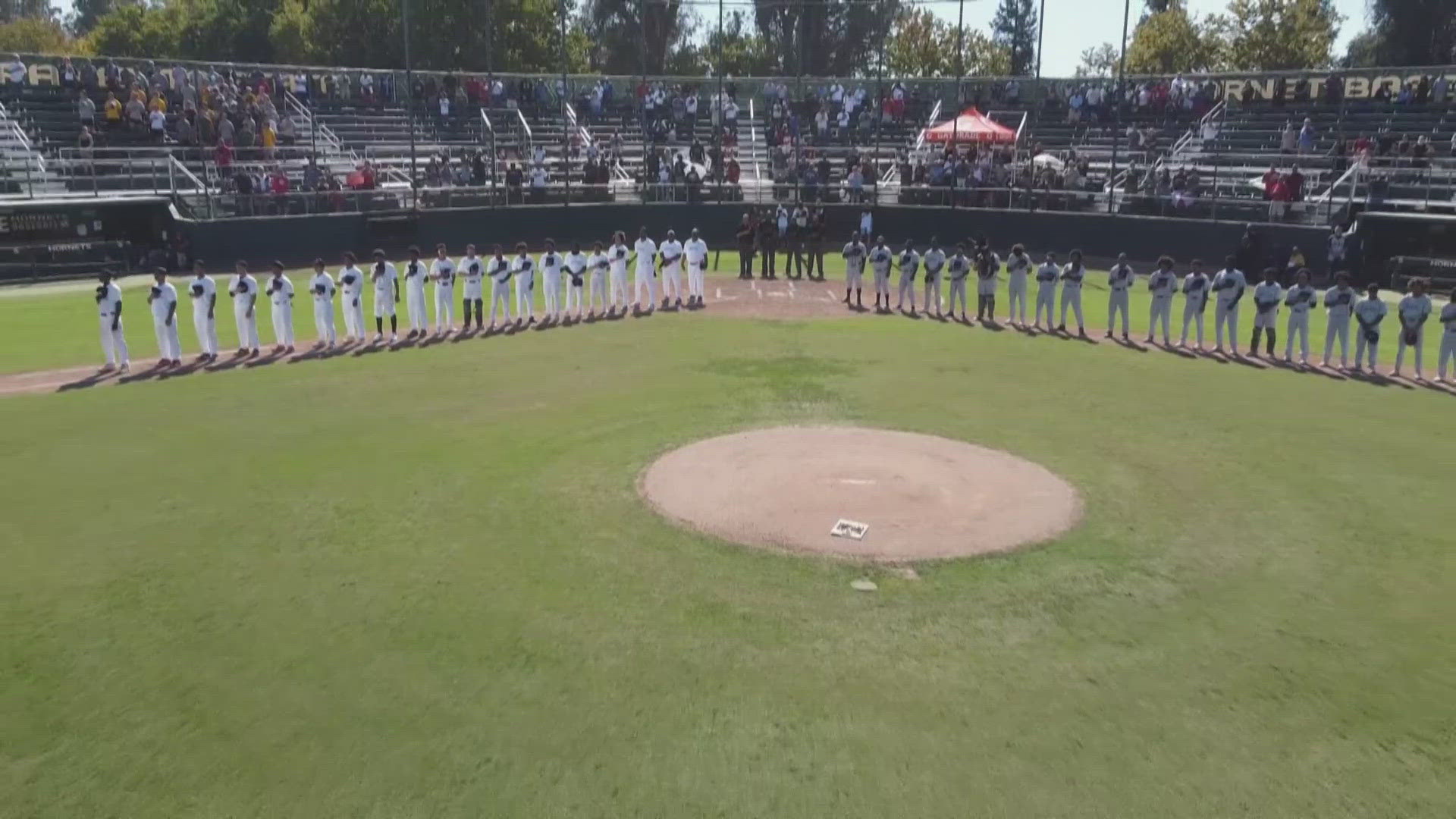
Sacramento recently hosted a remarkable celebration of baseball heritage and community impact: the Fifth Annual Honorary Negro League Baseball Game, held on September 21, 2025, at Sacramento State’s John Smith Field. The event has become a premier platform for honoring the legacy of the Negro Leagues while giving talented Black and Brown high school athletes a chance to showcase their skills for college and professional scouts.
Bridging History and Opportunity
The game was founded by Todd Sullivan, owner of Perfect Game Pitching Solutions, in the wake of the COVID-19 pandemic. Recognizing a gap in exposure and opportunity for young athletes in Northern and Central California, Sullivan created the game to connect promising players with scouts and college programs. Over its five-year history, the event has produced tangible results: at least one player annually has received a college scholarship or been selected for MLB Develops, turning local talent into real opportunities.
Players from across the region participate in teams adorned in classic Negro League jerseys, celebrating the rich history of Black baseball while competing at the highest level. In past years, jerseys have honored legendary teams like the Birmingham Black Barons and the Indianapolis Clowns, allowing players and fans alike to connect with the sport’s storied past.
Legendary Guests and Community Celebration
The Honorary Negro League Game attracts not just players, but baseball icons and community leaders. The 2025 edition featured legendary MLB figures Dusty Baker and Greg Vaughn, providing inspiration and guidance for the next generation of athletes. Beyond the diamond, the event has evolved into a full community celebration, including a Health Fair, support for Black-owned businesses, fundraising for the Negro Leagues Baseball Museum, and engagement with local youth programs.
Organizers stress that the event is more than just a game—it’s a legacy tribute. Young athletes are reminded of the challenges and triumphs of the Negro League players who paved the way, creating a bridge between history and present-day opportunity.
Pro Merch Honors the Legacy
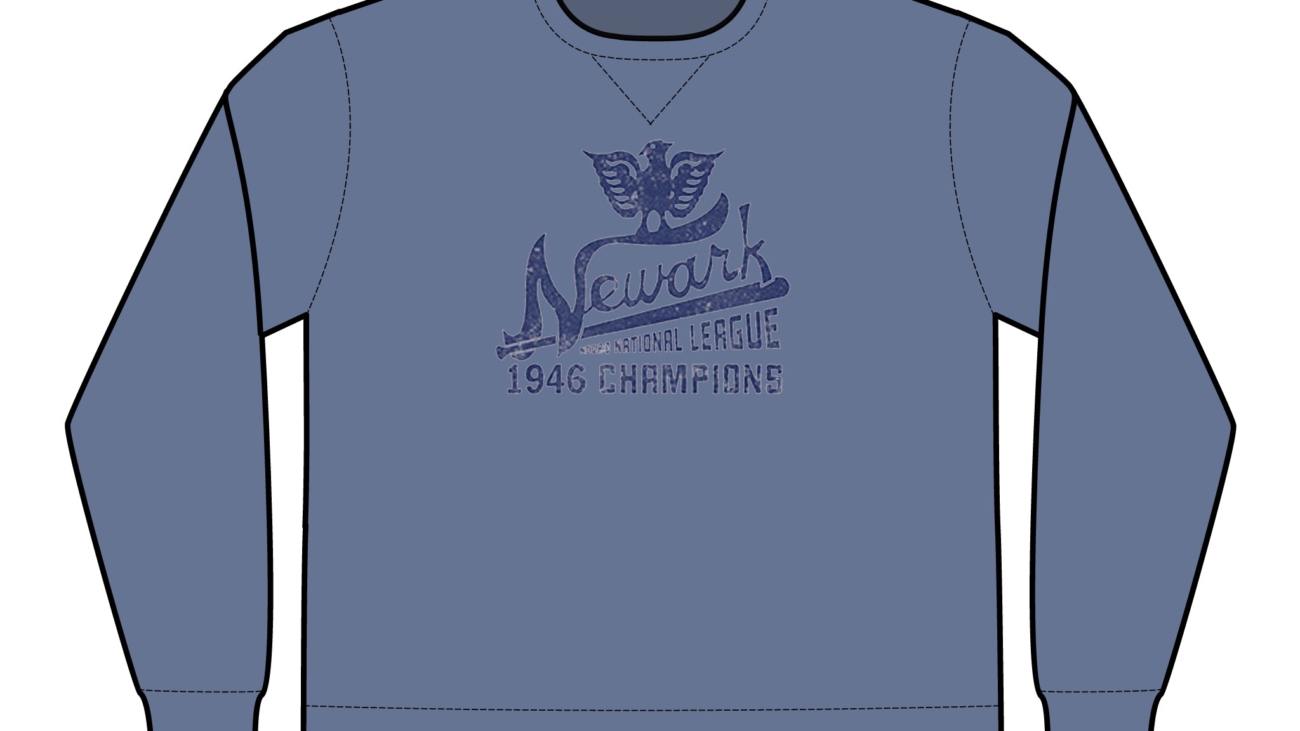
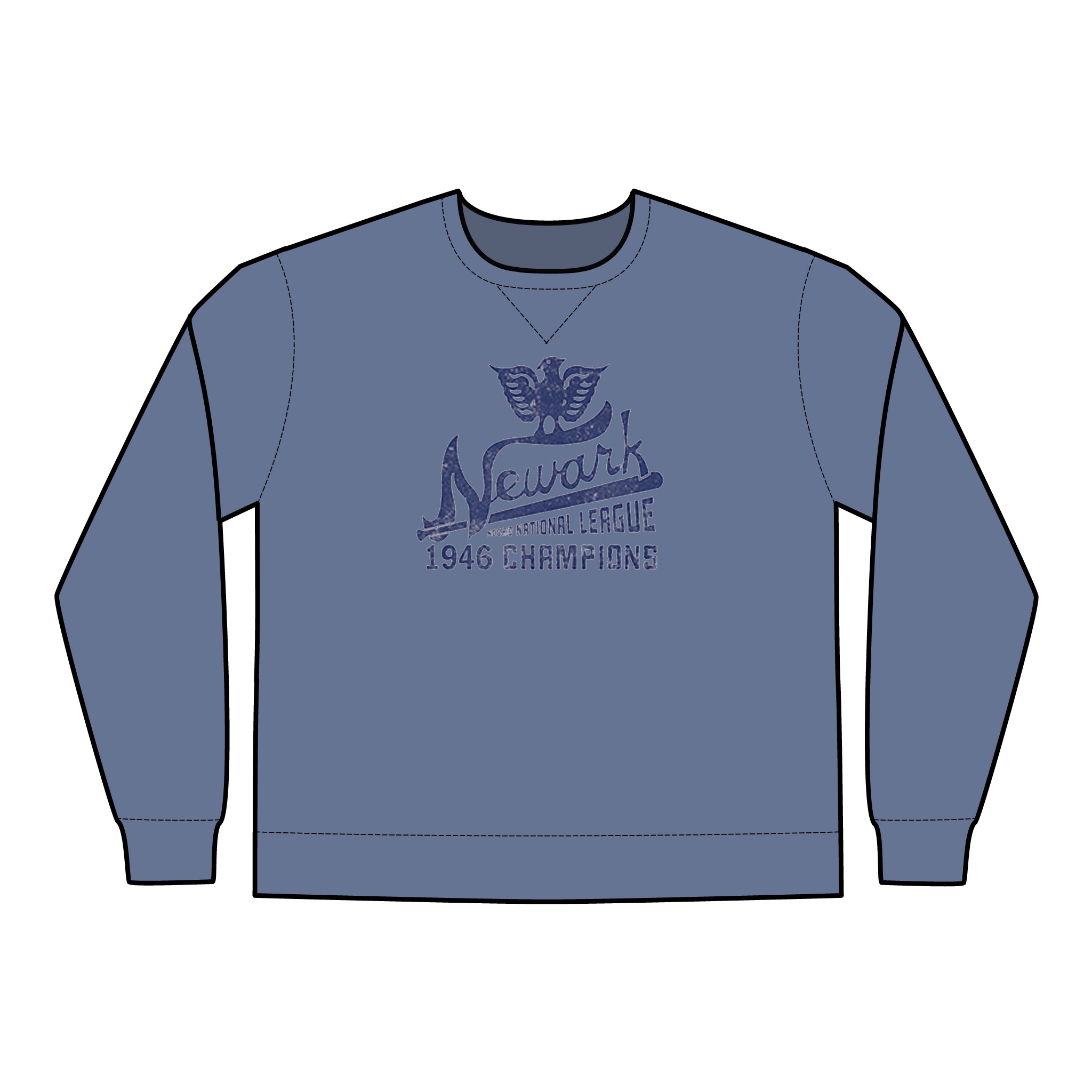
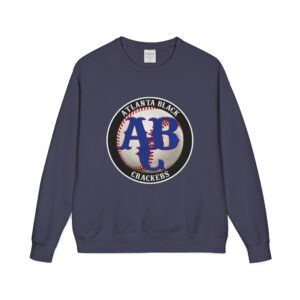
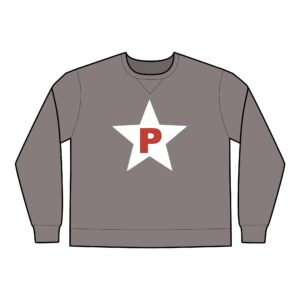
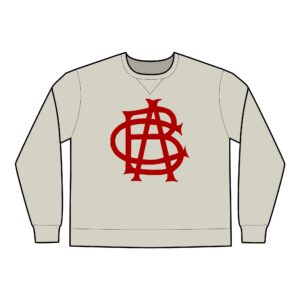
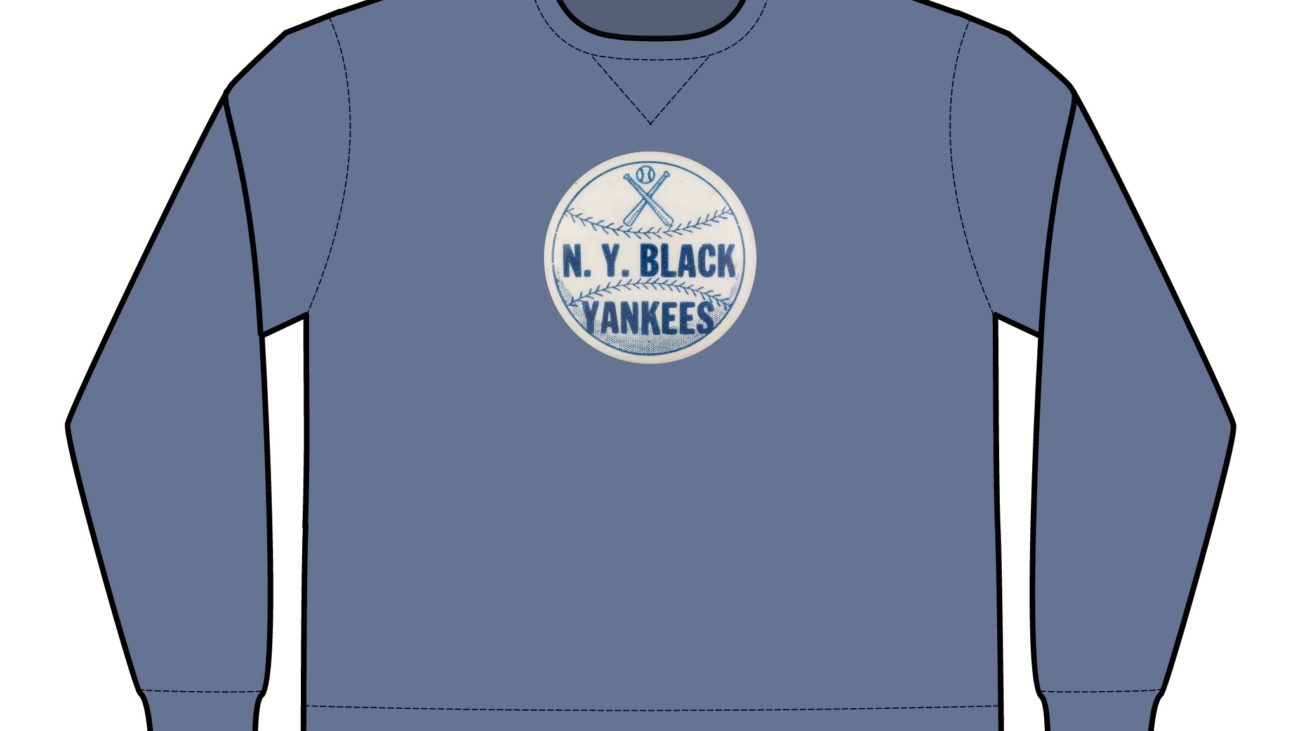
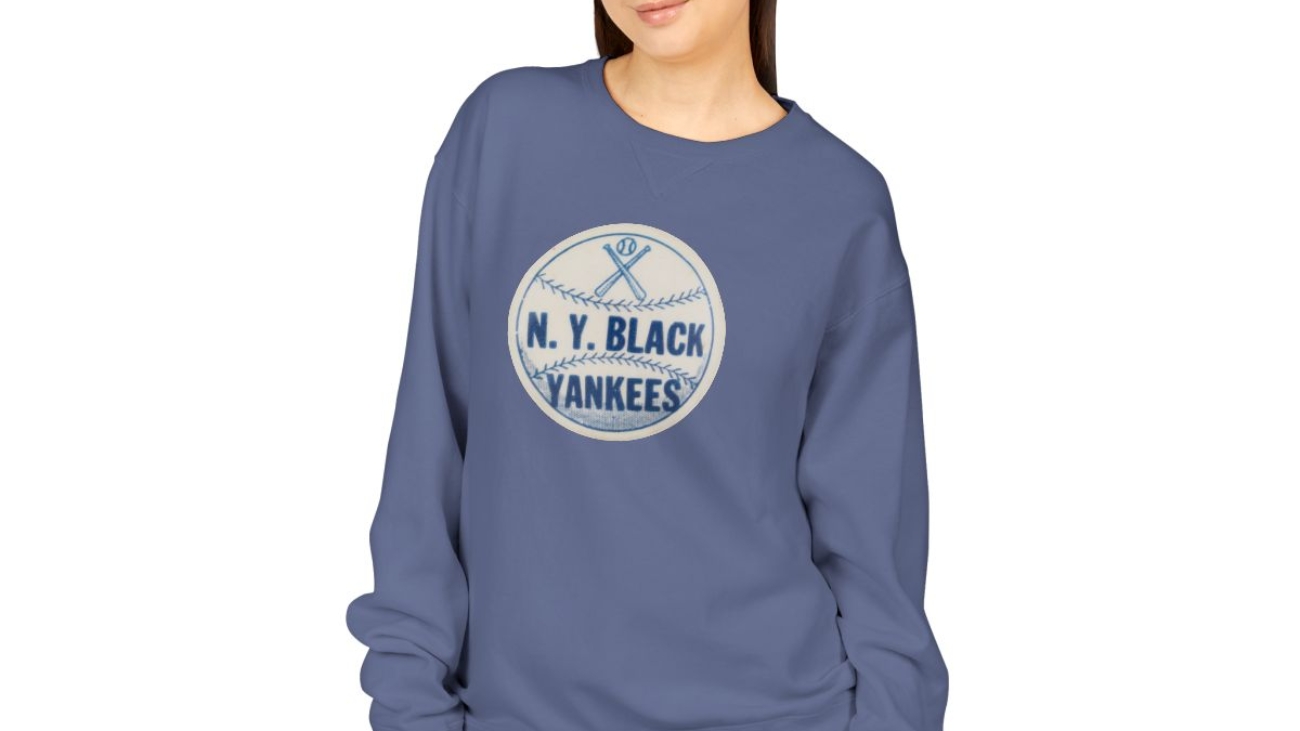
Fans of the Negro Leagues can now celebrate this history in style with the Pro Merch Negro Leagues Unisex ComfortWash® Garment Dyed Crewneck Sweatshirt collection. These vintage-inspired sweatshirts are made from a cotton-rich blended fleece, offering warmth without bulk, with a garment-dyed, retro finish that evokes the classic feel of Negro League uniforms.
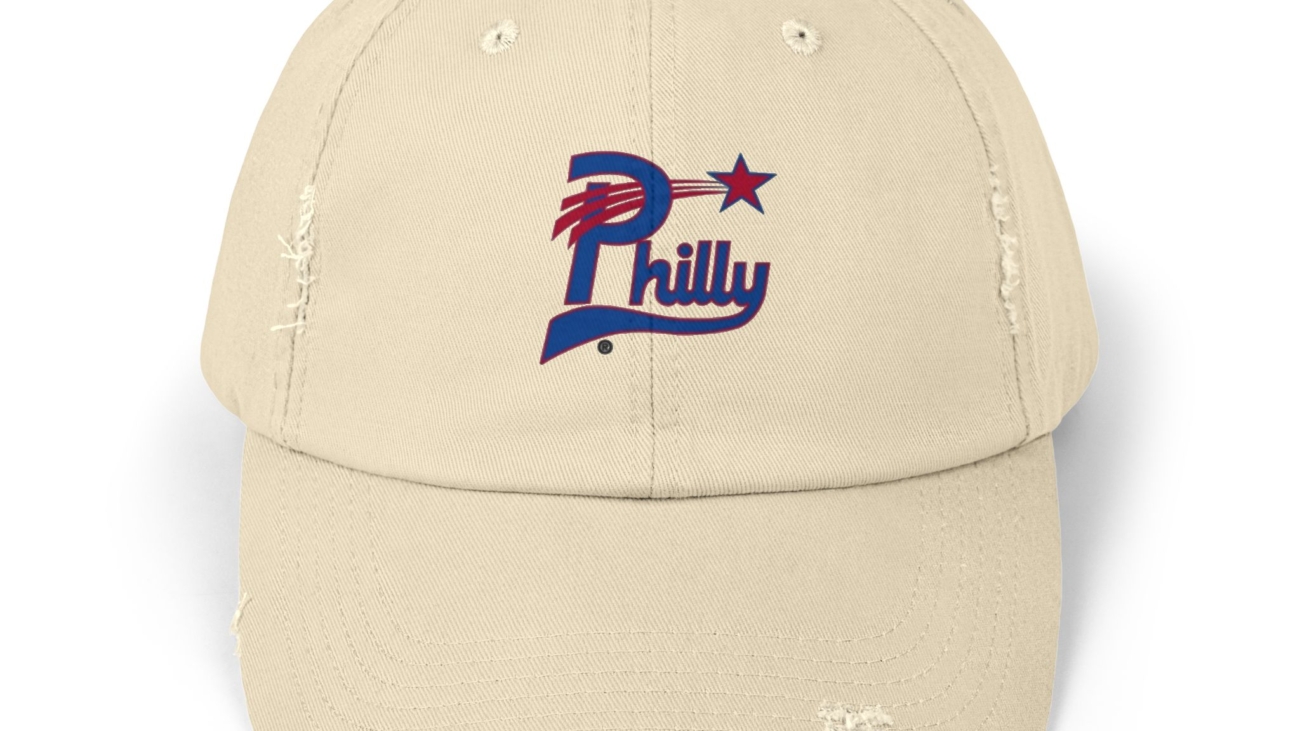
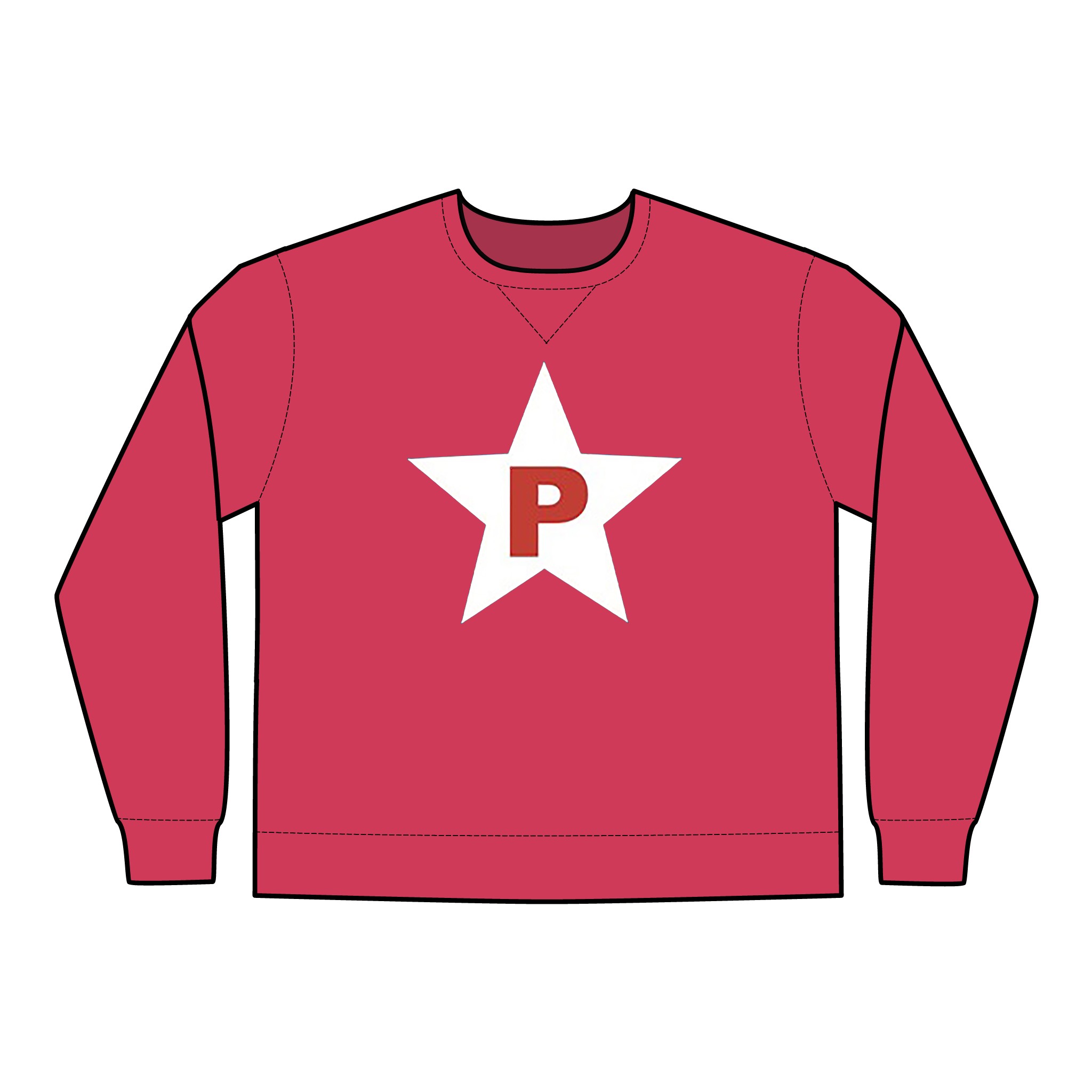
Pro Merch offers an extensive range of team options, including the Birmingham Black Barons, Chicago American Giants, Philadelphia Stars, Detroit Stars, and more. Each sweatshirt is a versatile wardrobe staple, pairing perfectly with jeans, sweats, or leggings for a casual yet historically significant look. Explore the full Pro Merch collection here to find your favorite piece of baseball history.
More Than a Game
The Honorary Negro League Game is a celebration of diversity, talent, and the enduring spirit of baseball. It provides young athletes with exposure, connects communities with their history, and shines a spotlight on Black excellence in sports. Each swing, pitch, and catch is a tribute to the legends of the past, while simultaneously giving today’s players a chance to write their own future.
With Pro Merch, fans and athletes alike can carry that legacy off the field, showcasing their appreciation for the sport’s rich history and timeless style. From classic team sweatshirts to championship commemoratives, the collection ensures that the Negro League spirit remains alive and accessible for every baseball enthusiast.
The Fifth Annual Honorary Negro League Baseball Game in Sacramento proves that baseball is not only a game—it’s a living celebration of heritage, community, and opportunity, one that continues to inspire generations.
The story of baseball cannot be told without the Negro Leagues. For decades, these leagues showcased some of the greatest talent the sport has ever seen, even as segregation kept their players out of Major League Baseball. Today, their impact is being honored in ways long overdue—both through MLB’s official recognition of their statistics and through expanded efforts to preserve their legacy.
At Pro Merch, we’re proud to celebrate the history of the game beyond the Major Leagues, offering gear and collectibles that honor legendary teams like the Kansas City Monarchs, Homestead Grays, and beyond. Just as these players broke barriers on the field, we believe their legacy should live on for generations of fans and players alike.
On May 29, 2024, Major League Baseball made history by officially integrating Negro Leagues statistics into its record books. This decision recognized seven Negro Leagues that operated between 1920 and 1948 as “Major Leagues,” a monumental step in acknowledging the extraordinary skill and contributions of Black ballplayers who were excluded from MLB because of segregation.
The record books immediately changed:
Josh Gibson now stands as MLB’s all-time career leader in batting average (.372), slugging percentage (.718), and OPS (1.177). His .466 batting average in 1943 with the Homestead Grays is now considered the highest single-season average in MLB history.
Oscar Charleston, Jud Wilson, Turkey Stearnes, Buck Leonard, and Mule Suttles all rank among the greatest hitters in MLB’s statistical history.
On the pitching side, Satchel Paige’s 1.01 ERA for the 1944 Kansas City Monarchs is now the third-best single-season mark ever recorded.
This recognition not only restores rightful honor to these legends but also reshapes the way we view baseball’s past.
The Negro Leagues Baseball Museum Expands
In Kansas City, the Negro Leagues Baseball Museum (NLBM) is embarking on an ambitious $30 million expansion. The project will create a state-of-the-art facility triple the size of the current museum, located next to the Buck O’Neil Education and Research Center—the very site where the Negro National League was founded in 1920.
The expansion will also include a hotel and parking garage, forming a “Negro Leagues Campus” at the heart of Kansas City’s historic 18th & Vine Jazz District. Backed by significant contributions, including a $2 million grant from the MLB-MLBPA Youth Development Foundation and $1 million from Bank of America, the project will further elevate the visibility and preservation of this vital chapter of American history.
Celebrating Leadership and Innovation
In addition to honoring players, the NLBM is shining a spotlight on leadership within the Negro Leagues. The museum recently launched its “Leaders & Innovators” campaign to recognize pioneering managers and executives often overlooked after MLB’s integration.
This campaign coincides with the 50th anniversary of Frank Robinson becoming MLB’s first full-time Black manager in 1975. A new exhibit, opened in May 2025, explores these stories of strategy, innovation, and perseverance—proof that the Negro Leagues shaped baseball far beyond the diamond.
The Decline of Black Representation in MLB
While the past is being recognized, the future of Black players in Major League Baseball remains a pressing issue. In 1991, nearly 20% of MLB players were Black. By 2023, that number had dropped below 7%.
Though 2025 saw a slight increase to 6.2%, the numbers remain low. MLB and the Players Association are working to reverse this decline through programs like the MLB Youth Academy, Breakthrough Series, DREAM Series, Nike RBI, and the Hank Aaron Invitational. These initiatives focus on expanding access, opportunity, and development for young Black athletes—a modern continuation of the trailblazing spirit of the Negro Leagues.
The Kansas City Monarchs Carry the Torch
Today, the Kansas City Monarchs live on as an independent baseball team, proudly carrying the name of one of the most storied franchises in Negro Leagues history. With players like outfielder Isiah Gilliam making an impact after returning from international play, the team continues to represent both competitive baseball and the enduring legacy of its namesake.
Fans can keep the spirit alive by supporting teams like the Monarchs and exploring exclusive Negro Leagues-inspired merchandise available at Pro Merch.
Keeping the Legacy Alive
The Negro Leagues represent resilience, innovation, and sheer excellence against impossible odds. With MLB’s integration of their statistics, the NLBM’s expansion, and continued efforts to increase Black representation in baseball, the importance of these leagues is finally being recognized on the scale they deserve.
At Pro Merch, we’re dedicated to honoring this history through authentic merchandise that helps fans connect with the stories and players who redefined the game. From jerseys to collectibles, every piece keeps their spirit alive—because the Negro Leagues were never just a footnote in baseball history; they are baseball history.
We’re excited to announce the newest arrivals at Pro Merch—your ultimate destination for high-quality, exclusive merchandise! If you’re a fan of the Negro Leagues, now’s your chance to pay tribute to the legendary teams that shaped the history of baseball with our premium, comfort-first apparel. Whether you’re a long-time enthusiast or just starting to explore the rich legacy of these teams, we’ve got something special for you.
In collaboration with Pro Merch and Nature’s Sunset, we’re proud to introduce a fresh collection that celebrates the Negro Leagues with a line-up that includes Unisex ComfortWash® Garment Dyed Crewneck Sweatshirts, Unisex Distressed Caps, Men’s Jerseys, and more. These pieces are designed to not only honor the iconic Negro Leagues teams but also keep you stylish and comfortable.
Let’s dive into the exciting new arrivals and the teams they represent!
When it comes to comfort and style, the Unisex ComfortWash® Garment Dyed Crewneck Sweatshirt Collection hits all the right notes. These sweatshirts are the perfect blend of vintage-inspired design and modern-day comfort, featuring a pre-washed, garment-dyed fabric that gives you that soft, well-worn feel from the first wear.
Each sweatshirt in this collection celebrates the legacy of the Negro Leagues, showcasing custom designs and logos from iconic teams like the Kansas City Monarchs, Chicago American Giants, and Indianapolis ABCs. Whether you’re chilling at home or out for a casual day, these sweatshirts are made to keep you cozy while representing some of baseball’s greatest unsung heroes.
Unisex Distressed Cap Collection
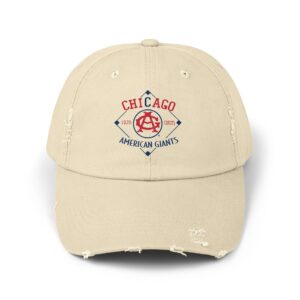
For a fresh, vintage look, check out the Unisex Distressed Cap Collection. These distressed baseball caps are the perfect way to add a little retro flair to your outfit. Crafted with the finest materials, they feature the embroidered logos of legendary Negro Leagues teams, making them a stylish and comfortable way to represent your favorite squad.
Whether you’re wearing the Pittsburgh Crawfords, Brooklyn Royal Giants, or Detroit Stars logo, these caps bring classic baseball style with a modern twist. The adjustable fit and distressed details make these caps perfect for everyday wear, whether you’re headed to a ballgame or just out and about.
Men’s Jersey Collection
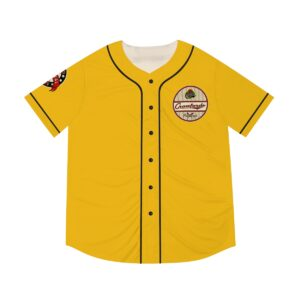
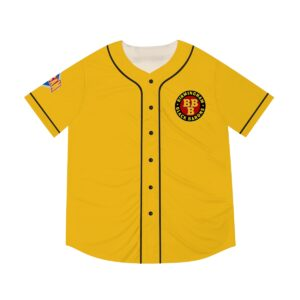
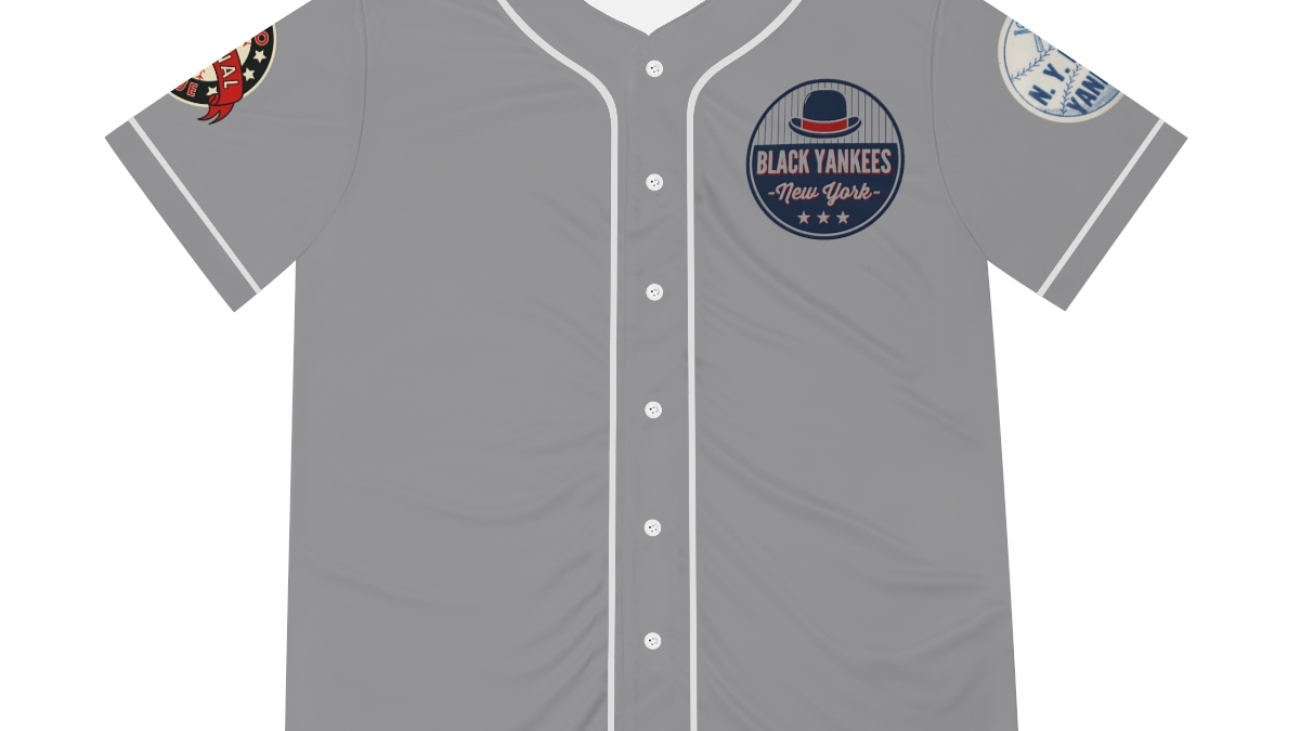
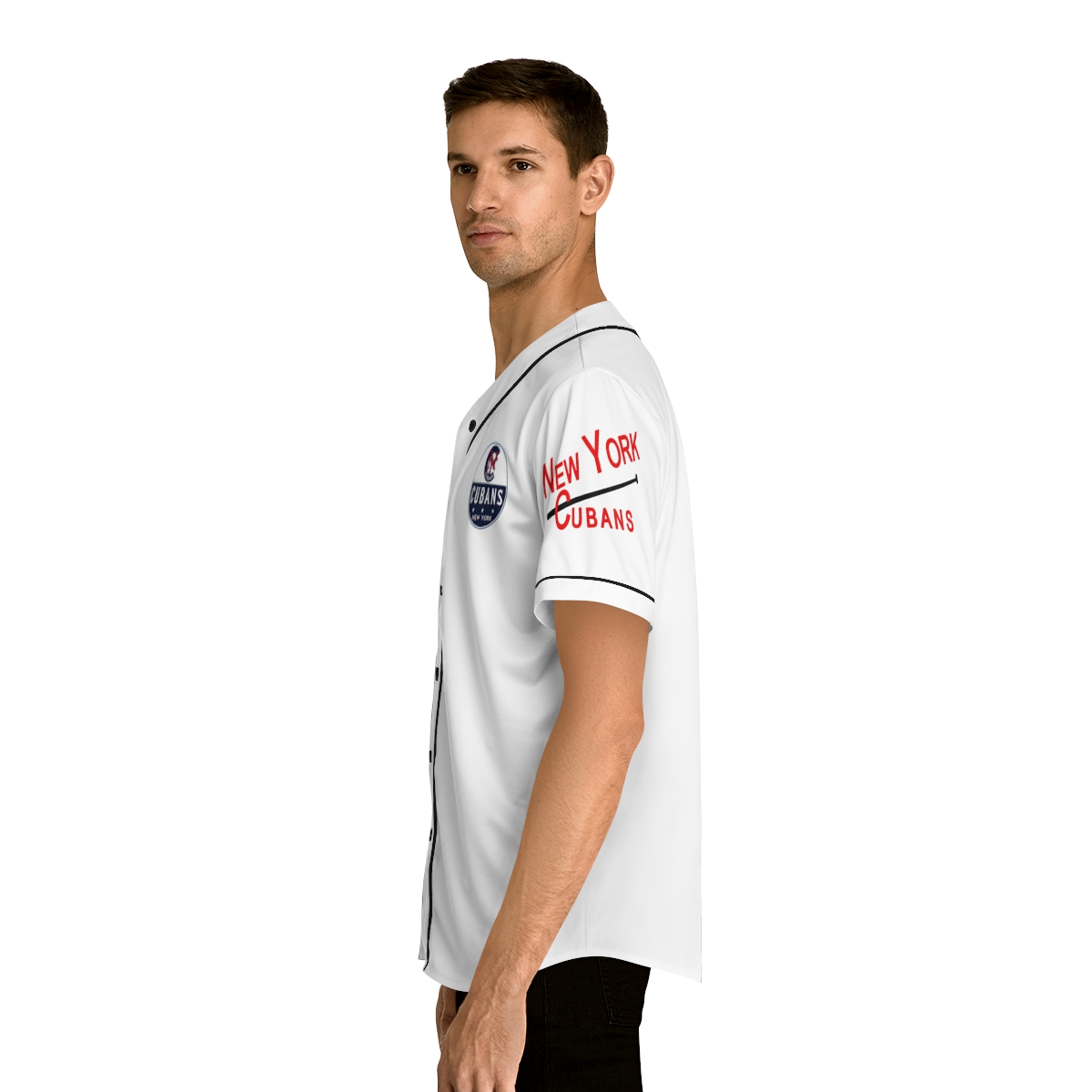
For the serious baseball fan, the Men’s Jersey Collection is a must-have. These authentic, high-quality jerseys are designed to bring the legacy of the Negro Leagues straight to your wardrobe. Showcasing the iconic logos of teams like the Homestead Grays, Birmingham Black Barons, and Newark Eagles, these jerseys let you represent the teams that made history while feeling like part of the action.
Each jersey is made with breathable, lightweight fabric that’s perfect for game days or casual wear. With a classic athletic fit, they provide the perfect balance between style and comfort. Whether you’re a fan of the Cleveland Buckeyes or the Atlanta Black Crackers, our jerseys are a great way to pay tribute to these historical teams.
Iconic Teams and Their Legacy
The Negro Leagues weren’t just about baseball—they were about resilience, innovation, and the fight for equality. From the Kansas City Monarchs to the Chicago American Giants, the teams of the Negro Leagues produced some of the most talented and influential players in baseball history. Many of these players, like Satchel Paige, Josh Gibson, and Buck O’Neil, forever changed the game.
These collections honor the spirit of these teams and their pioneering players. Whether you’re a fan of the Indianapolis Clowns, the New York Cubans, or the Detroit Stars, each piece of apparel is a tribute to their extraordinary contributions to the game.
Here’s just a glimpse at some of the legendary teams represented in our collection:
Kansas City Monarchs – One of the most iconic and successful teams in Negro Leagues history.
Chicago American Giants – A powerful squad known for their dominance in the 1920s.
Indianapolis ABCs – A team that helped define the future of Black baseball.
Memphis Red Sox – A legendary team with players who went on to break barriers.
Birmingham Black Barons – Known for their athleticism and incredible roster.
Homestead Grays – A team that produced some of the greatest players ever to step on a diamond.
Brooklyn Royal Giants – A historic team that played a pivotal role in the evolution of the league.
Pittsburgh Crawfords – A squad that changed the game with their unmatched talent.
And there’s so much more! You’ll also find gear from the Baltimore Black Sox, Newark Eagles, Indianapolis Clowns, and other legendary teams that made the Negro Leagues a force to be reckoned with.
Why You Should Support the Negro Leagues’ Legacy
The Negro Leagues represent a powerful chapter in the history of both baseball and social justice. These teams faced immense adversity, but they also produced some of the most talented athletes to ever play the game. By wearing this exclusive merchandise, you’re not just rocking cool gear—you’re helping to preserve the rich legacy of the Negro Leagues.
This collection serves as both a fashion statement and a tribute to the players who fought for their place in baseball history. From Satchel Paige’s legendary pitching to Josh Gibson’s unmatched power, the Negro Leagues proved that baseball is a game for everyone, no matter your race, background, or where you come from.
Shop Now at Pro Merch
Ready to honor the legacy of the Negro Leagues? Head over to Pro Merch to shop the exclusive collection of sweatshirts, jerseys, caps, and more. Whether you’re showing off your support for teams like the New York Black Yankees or Cuban Stars, you’ll find high-quality, timeless pieces that capture the history of this monumental era in baseball.
From game-day gear to everyday wear, Pro Merch has everything you need to wear your pride for the Negro Leagues on your sleeve—literally. Don’t miss out on these exclusive collections that are perfect for baseball fans, history buffs, or anyone who wants to celebrate the incredible legacy of these teams.
Shop the full collection now at Pro Merch and show your pride for the Negro Leagues and the athletes who made baseball a sport for the people.
Product Listing – Negro Leagues Collection
Unisex ComfortWash® Garment Dyed Crewneck Sweatshirt – Vintage-style sweatshirts with the logos of Negro Leagues teams like the Kansas City Monarchs, Chicago American Giants, and Indianapolis ABCs.
Unisex Distressed Cap – Embroidered with the logos of iconic teams like the Detroit Stars, Pittsburgh Crawfords, and Atlanta Black Crackers.
Men’s Jersey – Authentic jerseys representing legendary teams such as the Homestead Grays, Newark Eagles, and Cleveland Buckeyes.
Kansas City Monarchs Crewneck Sweatshirt – Cozy and stylish, a great way to show your support for one of the greatest teams in Negro Leagues history.
Chicago American Giants Jersey – A tribute to a powerful team that dominated the 1920s.
Homestead Grays Cap – A vintage-inspired cap honoring one of the most successful teams in history.
Detroit Stars Sweatshirt – Classic design, perfect for both style and comfort.
Shop now at Pro Merch to get your hands on this exclusive Negro Leagues collection. Wear history. Wear pride. Wear baseball.

 Cart is empty