Three teams still undefeated. Oklahoma stuns Texas in the Red River Rivalry. Brewers take NLCS Game 1. Chase Briscoe keeps his NASCAR title alive. And tonight: Bills at Rams, 8:15 PM ET on ESPN/ABC.
NFL Week 5 Fallouts, MNF Rams vs Bills, CFB Red River Shockwave, MLB NLCS Game 1 & NASCAR
Pro Merch · Sports Roundup · Monday, October 12, 2026
Week 5 Fallouts, Tonight’s MNF Blockbuster & More
Three teams still undefeated. Oklahoma stuns Texas in the Red River Rivalry. Brewers take NLCS Game 1. Chase Briscoe keeps his NASCAR title alive. And tonight: Bills at Rams, 8:15 PM ET on ESPN/ABC.
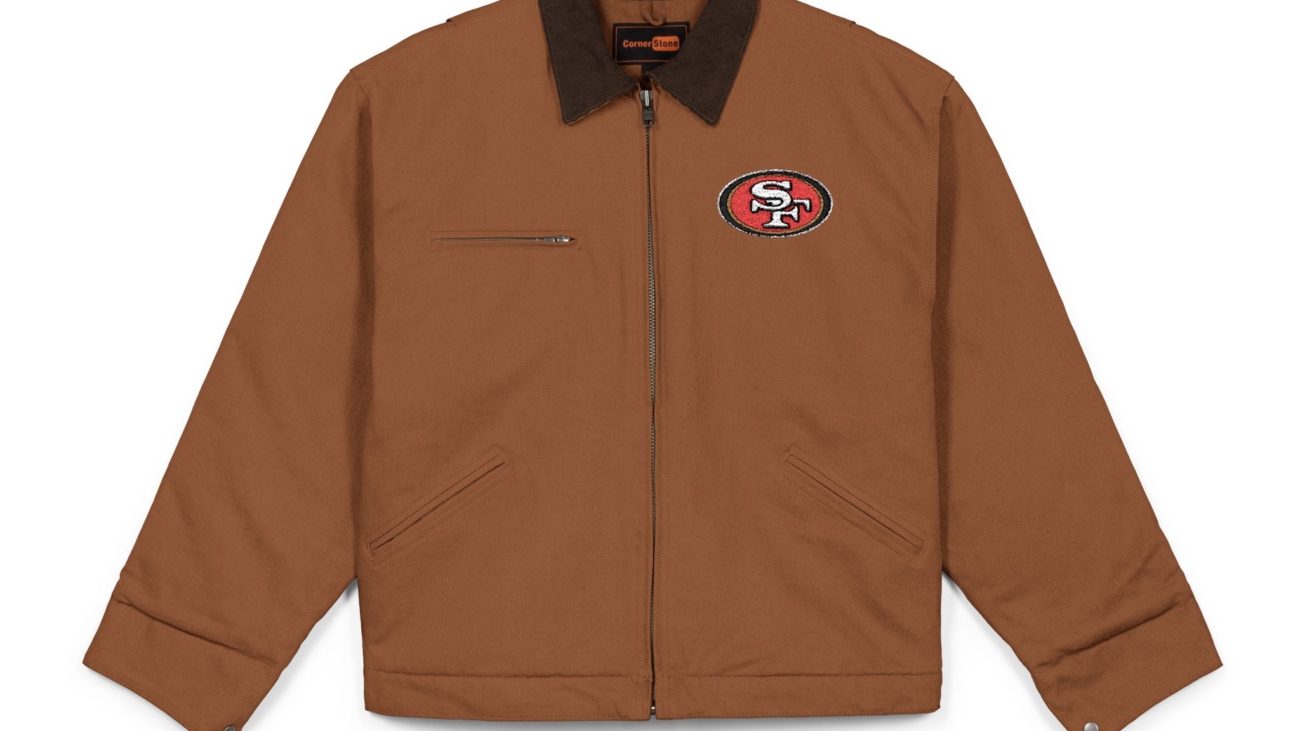
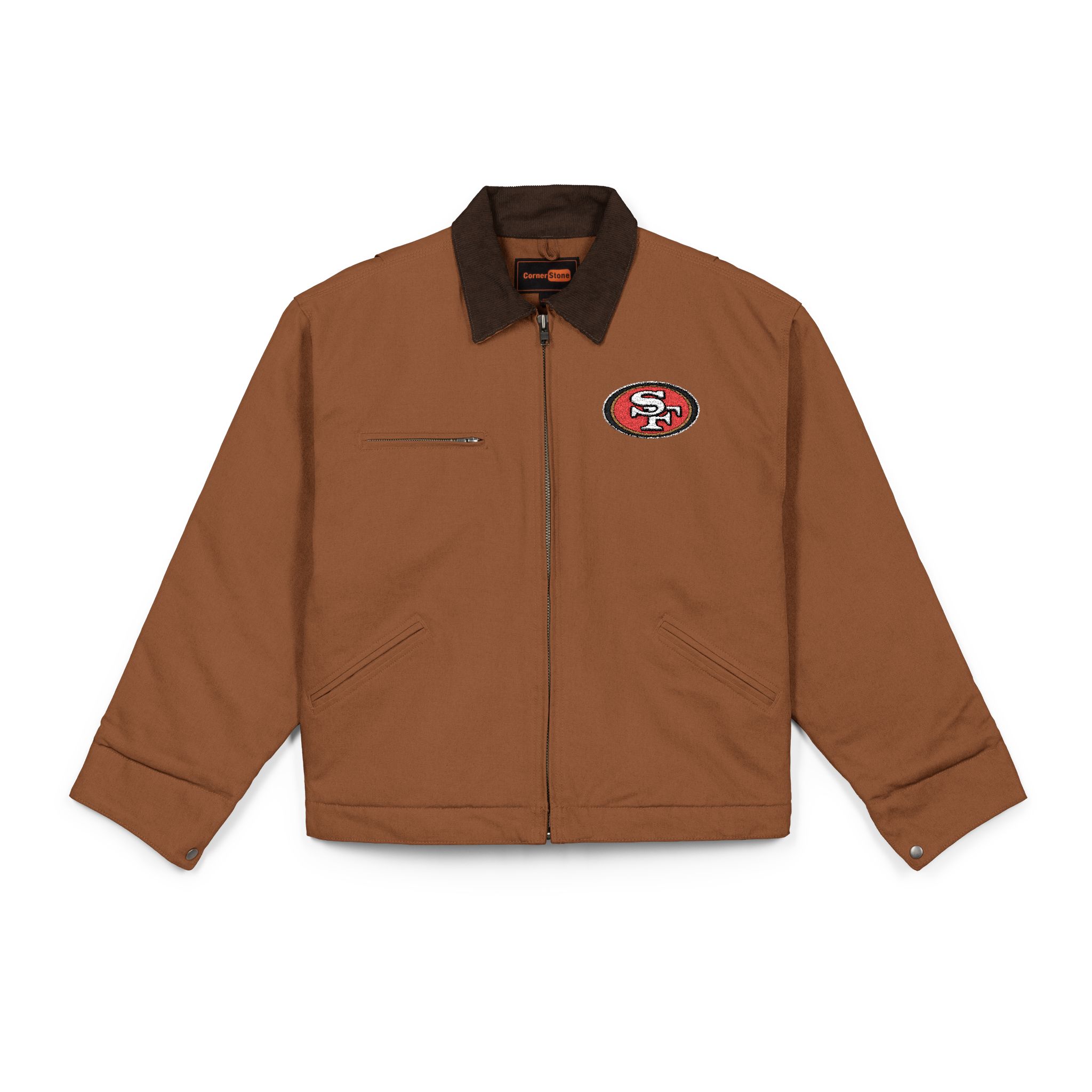
49ers · Vikings · Chiefs: 5-0Texans Trade for Marvin Harrison Jr.Oklahoma Stuns No. 1 TexasBrewers Lead NLCS 1-0Tonight: Bills at Rams · 8:15 ET
49ers, Vikings & Chiefs — The NFL’s Last Three Perfect Teams
Through five weeks the San Francisco 49ers, Minnesota Vikings, and Kansas City Chiefs stand alone as the NFL’s only remaining undefeated teams. The 49ers cemented their spot with a thrilling 32-29 road victory over the Seattle Seahawks, grinding out a win in one of the toughest road environments in the NFC West. Minnesota’s aggressive defensive scheme under coordinator Brian Flores continues to suffocate opposing offenses, while Kansas City, on a bye this week, enters the back half of their schedule with the league’s cleanest record and Patrick Mahomes fully healthy.
Texans Snap Losing Streak, Then Acquire Marvin Harrison Jr. from Arizona
The Houston Texans snapped their disastrous 0-4 start with a dominant 26-3 blowout over the Tennessee Titans, and then immediately sent shockwaves through the league by executing a massive trade with the Arizona Cardinals to acquire star receiver Marvin Harrison Jr. The move reunites Harrison with his former college quarterback C.J. Stroud, giving Houston’s offense the elite pass-catching weapon it has desperately needed since the season began. The Tennessee Titans meanwhile absorbed their most lopsided loss of the year, falling to 0-5 in the process.
Ravens Win Without Lamar · Commanders Let Time Expire for Stunning Tie
The Baltimore Ravens rallied to defeat the Atlanta Falcons in overtime despite playing the entire game without Lamar Jackson, a testament to the depth and resilience of a roster built to win at multiple levels. The backup performance under the circumstances was among the more impressive organizational efforts of the week.
Meanwhile, the Washington Commanders suffered one of the most painful clock-management disasters of the NFL season, letting time expire in overtime against the New York Giants to settle for a 27-27 tie. A game Washington had every opportunity to win ended in a result that nobody in the organization will feel good about heading into this week’s film session.
Oklahoma Stuns No. 1 Texas — AP Poll & Playoff Race in Immediate Chaos
College football underwent a massive shakeup on Saturday when Oklahoma shocked rivals and top-ranked Texas at the Cotton Bowl in Dallas, throwing the AP Poll and College Football Playoff projections into immediate chaos. The Sooners played their most complete game of the season at the most consequential possible moment, and the result leaves the SEC and the broader playoff picture genuinely scrambled heading into Week 7.
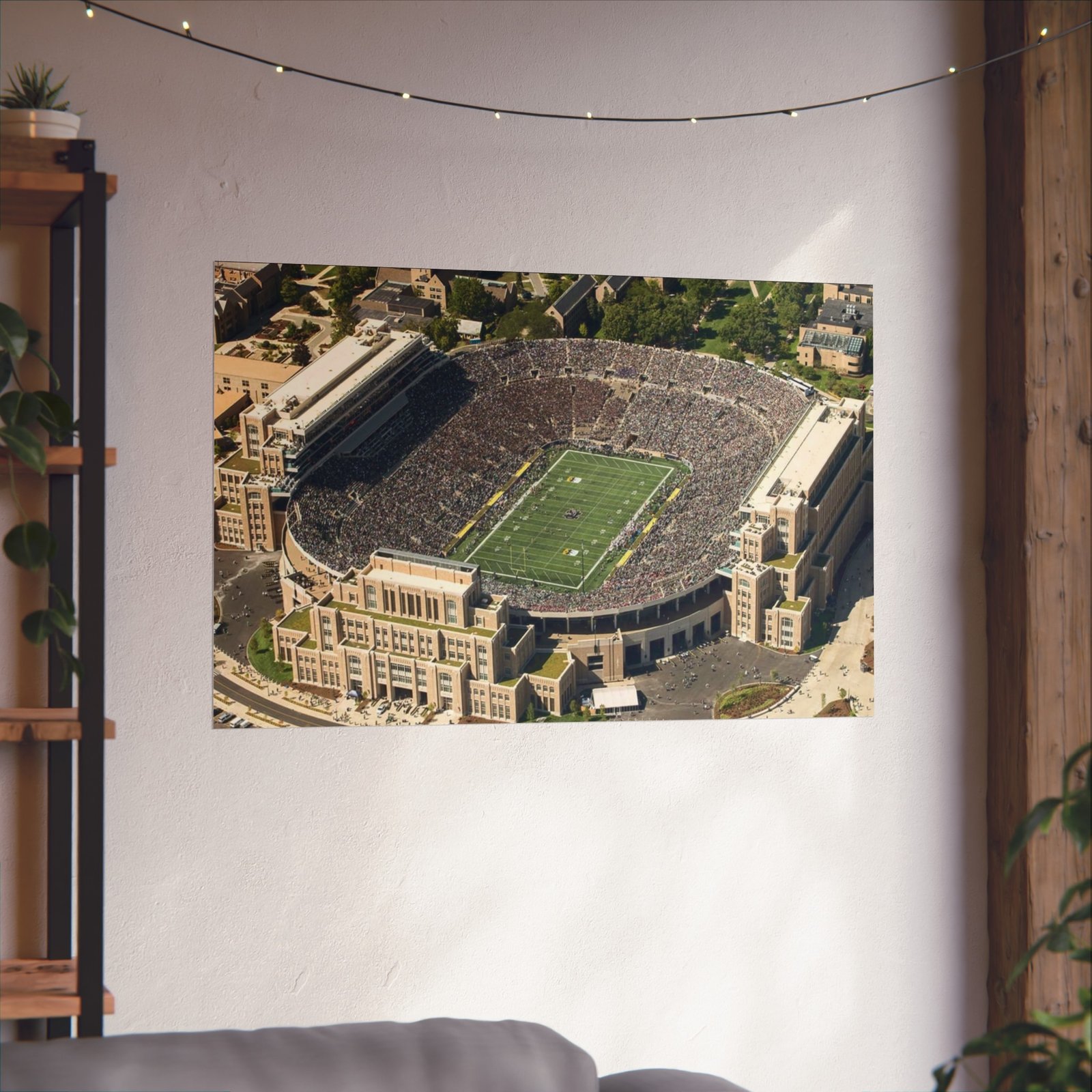
Meanwhile, undefeated UCLA is climbing fast following a signature win over Oregon, and the national attention now turns to an enormous upcoming top-10 showdown between No. 2 Notre Dame and No. 8 BYU in Provo.
Brewers 1, Dodgers 0 — Milwaukee Takes Series Lead Behind Clutch Bullpen & Luis Lara
The Milwaukee Brewers took a 1-0 series lead over the Los Angeles Dodgers in Game 1 of the National League Championship Series behind a masterful bullpen performance and a clutch RBI single from Luis Lara. Milwaukee’s bullpen depth, which has been the organizational calling card all season, was on full display in exactly the kind of high-leverage late-game situation the postseason demands.
Over in the ALCS, the Tampa Bay Rays are heavily favored as they prepare to square off against the Cleveland Guardians in what projects to be a compelling pitching-heavy series.
Chase Briscoe Captures Charlotte — Playoff & Championship Ambitions Still Alive
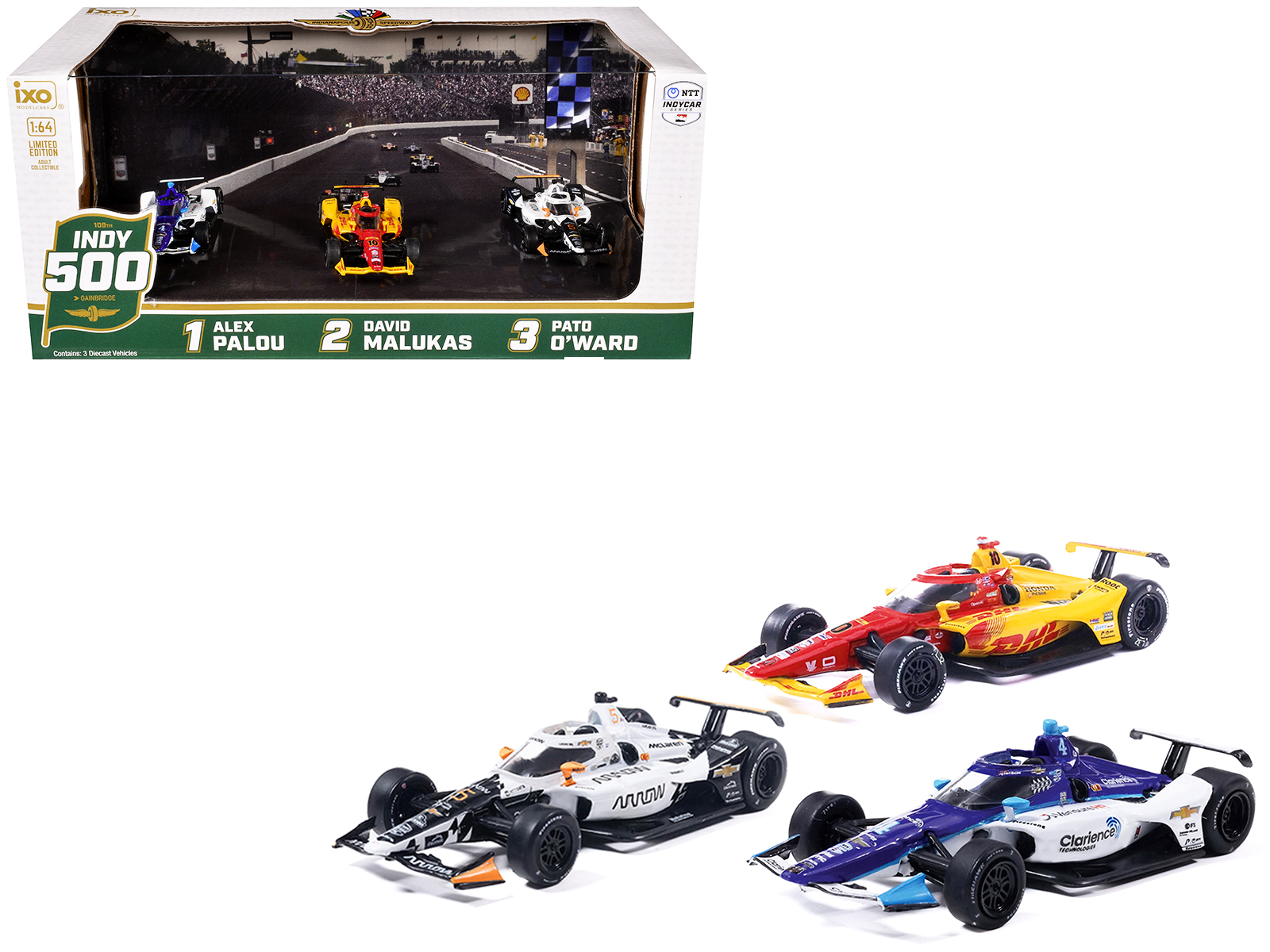
Chase Briscoe kept his playoff and championship hopes firmly alive with a dramatic photo-finish result at Charlotte Motor Speedway, continuing the incredible run that began with his back-to-back Southern 500 victories at Darlington earlier this postseason. The Pro Merch Auto Racing collection carries 65 IXO Models diecast cars spanning the full NTT IndyCar Series at 1/18 scale from $81.11 and 1/64 scale from $20.68 — the most precise representations of American open-wheel racing available anywhere in the licensed collectibles market.
Oddsmakers lean toward the home team covering in a tight, explosive affair
Moneyline
Rams -176 / Bills +146
Rams moderate home favorites; Bills offer strong underdog value
Over/Under
54.5 Points
Expected to be a high-flying shootout between two elite offenses
Key Players to Watch Tonight
LA Rams: Matthew Stafford will target a healthy Puka Nacua and Davante Adams all night. Kyren Williams is the engine of the offense and will see a massive spike in targets. Aaron Donald returns to anchor a defensive front that gets elite pressure with a four-man rush.
Buffalo Bills: Josh Allen managing a knee makes James Cook’s ground effectiveness critical. If DJ Moore is sidelined with a shoulder injury, rookie Keon Coleman steps into the primary target share in what would be his biggest game to date.
Every Team in Tonight’s Game — and Every Game This Week — at Pro Merch
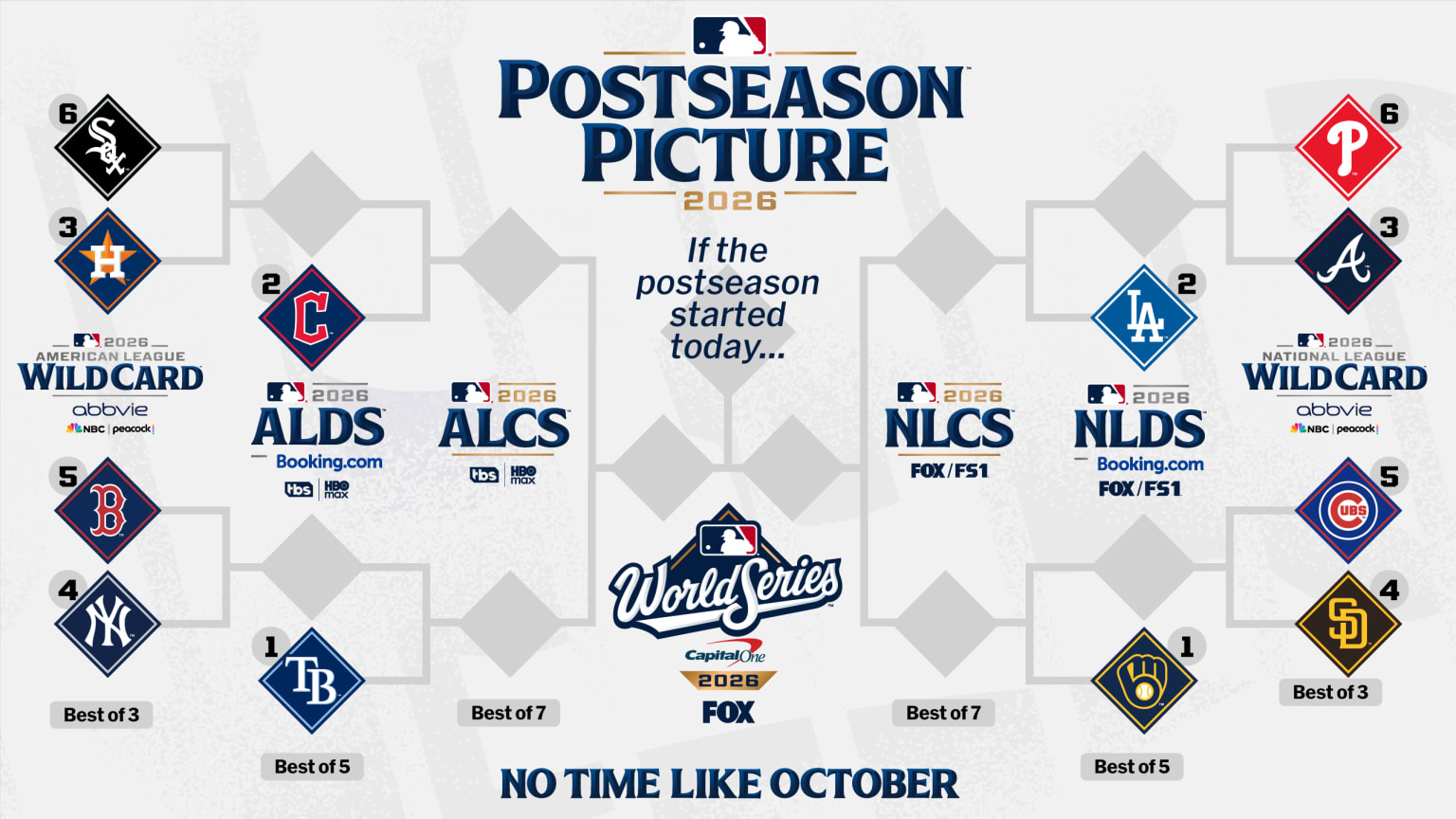
Chicago, New York, and San Diego close out their Wild Card series in commanding fashion.
MLB · Postseason Wrap-Up
Three Teams Sweep Their Way Into the Division Series
Chicago, New York, and San Diego close out their Wild Card series in commanding fashion.
Pro Merch News
The White Sox danced their way past Houston to punch their ticket to the next round. The Yankees ran over the Red Sox, breaking the game open with a six-run inning. And the Padres finished the job in a rematch with the Cubs, closing out a series that had been building since the regular season.
28th career postseason homer leaves him one shy of the all-time record
Staff Picks
White Sox dancing into October
Chicago’s pregame ritual has players and coaches showing off their moves to keep the clubhouse loose — and now the whole playoff audience gets to see it too.
ABS Challenge
First postseason game ever to end on a pitch challenge
The final pitch of the Phillies’ Game 2 win was first called a ball — until catcher J.T. Realmuto, who thrived on challenges all season, tapped his helmet and flipped the call.
Belli to Belli
Belli to Belli
The night in the Bronx opened with Clay Bellinger throwing the first pitch to his son. Hours later, Cody capped the Wild Card Series with a three-run blast of his own.
Acuña Brothers
The Acuña brothers are stealing the show
Luisangel and Ronald Jr. became the first brothers to each swipe multiple bags in the same postseason — and the first to each steal two bases in a single inning, on the same day.
Shop the Postseason
Gear up for every team still fighting for October.
Ten teams have clinched. Three days left in the regular season. Wild Card races are tightening, tiebreaker scenarios are live, and four teams locked up postseason berths on Thursday alone.
10 Teams Clinched3 Days LeftWild Card Series: Sept 29Division Series: Oct 3AL & NL Bracket Set
Wild Card Series begin Sept. 29 · Division Series begin Oct. 3 · Click any team to shop their gear at Pro Merch
· · ⚾ · ·
Who Has Clinched a Playoff Spot?
✅ Tampa Bay Rays✅ Milwaukee Brewers✅ Los Angeles Dodgers✅ New York Yankees✅ Atlanta Braves✅ Boston Red Sox✅ Chicago White Sox✅ Chicago Cubs✅ Cleveland Guardians✅ San Diego Padres
All three NL divisions have been decided. The Brewers clinched the NL Central on Sept. 15, the Dodgers won the NL West on Sept. 17, and the Braves wrapped up the NL East on Sunday. The Red Sox secured an AL Wild Card on Sunday. The Rays clinched the AL East on Tuesday, which locked the Yankees into the top AL Wild Card spot. The Cubs and Padres clinched NL Wild Cards on Thursday, while the White Sox and Guardians also clinched postseason spots on Thursday with the AL Central winner still undetermined.
Phillies can clinch a postseason berth with a win vs. Rays AND a D-backs loss to Padres
🔴
Red Sox can clinch the No. 5 seed in the AL with a win in either game of today’s doubleheader vs. Cubs OR a White Sox loss vs. Rockies
🟤
Padres can clinch the No. 4 seed and home-field advantage in the NL Wild Card Series with a win vs. D-backs AND losses by Phillies (vs. Rays) and Cubs (both games at Red Sox)
🔵
Cubs can clinch no worse than the No. 5 seed with two wins vs. Red Sox OR one win and a Phillies loss vs. Rays
An 8-2 win over the Reds sends L.A. back to the postseason with a three-peat now firmly in sight.
Pro Merch News · September 18, 2026
0
Straight postseason berths
0
Consecutive NL West titles
0
Division titles since 1969, most in MLB
The Dodgers made it official Thursday afternoon at Great American Ball Park, beating the Reds 8-2 to reclaim the NL West title for a fifth straight year. It came just three days after the club popped champagne for clinching a playoff spot, and this time the clubhouse celebration carried extra weight — a division banner the team hopes is only the first prize of several still to come this fall.
President of baseball operations Andrew Friedman said the grind of a long season can make it hard to see the bigger picture, but that this group has pushed through its share of setbacks and is now turning its full attention to October. Manager Dave Roberts has made peace with the pressure that comes with the job, noting that in Los Angeles, anything short of a championship is treated as falling short of the standard.
“That’s kind of part of what you signed up with the Dodgers.”
Dave Roberts, Manager
Kyle Tucker carried the offense with a four-hit, three-RBI afternoon, coming up a triple short of the franchise’s first cycle since 2017. Freddie Freeman, Max Muncy, Josue De Paula and Miguel Rojas all chipped in RBIs of their own to back a bullpen day on the mound: Justin Wrobleski opened with three perfect innings, Landon Knack worked four scoreless frames around a Blake Treinen solo homer allowed, and Seth Halvorsen closed things out despite giving up a run in the ninth.
With nine games left on the regular-season slate, the Dodgers are doing this without their full roster. Shohei Ohtani sits on the 15-day injured list alongside first-time All-Star Andy Pages, and a six-man rotation carried for most of the year has been trimmed to four healthy, stretched-out starters — part of why Thursday turned into a bullpen game in the first place. Max Muncy summed up the pattern that’s carried the team through the last few seasons: when key players go down, someone else has consistently stepped up to cover the gap.
The Dodgers are expecting reinforcements before October and would love to lock up a first-round bye, which would send them straight into the NL Division Series with five extra days of rest. Right now they hold a four-game cushion over Atlanta for the National League’s No. 2 seed.
Chasing a Three-Peat
This roster isn’t perfect — but then again, neither were the back-to-back champions of 2024 and 2025. Having already become the first team in 25 years to successfully defend a title, the Dodgers are now chasing something baseball hasn’t seen since the Yankees’ 1998-2000 run: three straight World Series championships.
Deadline addition Tarik Skubal wasn’t around for Roberts’ spring training message about staying locked on the present, but he got a feel for it firsthand after arriving in the middle of a season-high seven-game losing streak. What he found was a clubhouse that didn’t panic, which he believes is exactly why this group tends to hold up when the games get tightest. Mookie Betts put it simply: it’s the same goal and largely the same group every year, and the job now is to stop overthinking the path and just get back to where they’ve been before.
Legal drama, roster crunch, and kickoff countdowns — today’s biggest stories across every sport.
🏈 NFL
Jed York Arrested in Police Sting
San Francisco 49ers owner Jed York was arrested as part of a police sting operation and charged with disorderly conduct after being accused of engaging in prostitution. The arrest immediately became one of the biggest off-field storylines in the league, given York’s high profile as the face of one of the NFL’s marquee franchises.
Every team in the league is racing to get down to a 53-man roster, and the moves are already piling up ahead of the deadline. Notable early cuts include the Commanders releasing former starting safety Will Harris and the Jets closing out their kicking competition by cutting Cade York.
Minnesota Vikings wide receiver Jeshaun Jones was hit with a three-game suspension for violating the league’s substance abuse policy, while New York Giants wide receiver Calvin Austin was carted off the field with what appeared to be a severe knee injury.
Seattle Mariners slugger Cal Raleigh homered in his first at-bat against the Phillies, tying a franchise record by hitting home runs in four consecutive at-bats, the latest exclamation point on a monster season.
Rookie phenom Paul Skenes tossed six shutout innings to lead the Pittsburgh Pirates to a 1-0 win over the San Diego Padres, putting Pittsburgh on the verge of a series sweep.
Los Angeles Dodgers owner Mark Walter is reportedly unwinding parts of his broader sports portfolio amid an ongoing federal probe, a move that could ripple into upcoming league salary-cap discussions.
The college football season officially kicks off this Saturday with eight games involving FBS teams, headlined by a high-profile rematch between North Carolina and TCU at noon ET.
Five-time US Open champion Roger Federer delighted fans at Arthur Ashe Stadium with a special exhibition match against longtime rival and friend Andy Roddick, giving the crowd a nostalgic throwback ahead of this year’s tournament.
World No. 1 Jannik Sinner has officially withdrawn from the tournament due to a lingering knee injury, opening up the draw and shaking up the title conversation heading into the first round.
The cornfields of Iowa host the third MLB Field of Dreams Game tonight as the Philadelphia Phillies take on the Minnesota Twins in one of baseball’s most magical settings. First pitch: 7:30 PM ET on Netflix.
MLB at Field of Dreams 2026: Phillies vs. Twins in the Cornfields of Iowa
MLB at Field of Dreams 2026 · August 13, Dyersville, Iowa
If You Build It, They Will Come Back.
The cornfields of Iowa host the third MLB Field of Dreams Game tonight as the Philadelphia Phillies take on the Minnesota Twins in one of baseball’s most magical settings. First pitch: 7:30 PM ET on Netflix.
7:30 PM ET · NetflixDyersville, Iowa7,800 Capacity · Sold Out25+ Hall of FamersKevin Costner in Attendance
First Pitch
7:30 PM ET
Pregame coverage 6:30 PM ET
Where to Watch
Netflix Only
Exclusively streamed worldwide
Home Team
Minnesota Twins
First specialty game in franchise history
Capacity
~7,800 Fans
Tickets long sold out
Parking Opens
2:00 PM ET
Plan to arrive early
Series Note
Game 1 of 3
Continues at Target Field, Aug. 15
🎬 Watch: MLB at Field of Dreams 2026
Baseball’s Most Magical Night Is Back
It’s been four years. The corn is ready.
The last time Major League Baseball brought a game to the cornfields of Dyersville, Iowa, it was 2022, the Chicago Cubs against the Cincinnati Reds, and the whole country stopped to watch a game played in a setting that reminded everyone why baseball, at its best, is not just a sport but a piece of American mythology. Before that it was 2021, the New York Yankees against the Chicago White Sox, the inaugural edition, orange sunset painting the Iowa sky behind players walking out of the corn for the first time like something pulled from the film that made this field famous in the first place. Tonight is the third edition. The site has been refurbished and refreshed. And the Philadelphia Phillies and Minnesota Twins get the honor of carrying the tradition forward in the cornfields of Iowa.
Kevin Costner is attending. The man who played Ray Kinsella, the Iowa farmer who built a baseball diamond on faith and heard a voice that said “if you build it, he will come,” will be in the stands tonight watching his fictional creation become reality for the third time. That detail is not a marketing gimmick. It’s genuinely moving, the same way the whole event is genuinely moving, in the specific way that baseball earns when it gets out of its own way and lets the sport speak for itself in a setting this extraordinary.
For the first time in four years, MLB at Field of Dreams returns to the iconic Iowa ballpark inspired by the beloved 1989 film. The Minnesota Twins take on the Philadelphia Phillies in a special regular season game, streamed live from Dyersville, Iowa.
The custom-built stadium holds approximately 7,800 fans. Every ticket sold out long ago. There’s no outfield seating because there’s nothing beyond the fence except corn, and the corn is the whole point. The game officially counts as a Twins home game, a fact that makes this the first specialty game in Minnesota franchise history. After tonight, a scheduled off-day breaks the series before the clubs resume at Target Field in Minneapolis on Saturday, August 15.
· · 🌽 · ·
Tonight’s Pitching Matchup: Crafty Veteran vs. Flamethrower
The contrast on the mound tonight is almost too clean to be accidental. A veteran right-hander who has been navigating a difficult season against a young arm having his breakout year. Aaron Nola has not been the pitcher Phillies fans know and love this season, which makes his Field of Dreams assignment either an inspired reset or a risky gamble depending on how the next nine innings go. Taj Bradley, on the other hand, has been one of the quieter success stories of the American League in 2026, posting numbers that should be drawing significantly more national attention than they have.
Statistic
Aaron Nola (PHI)
Taj Bradley (MIN)
Season Record
3–9
9–4
ERA
5.47
3.76
Strikeouts
129
148
Innings Pitched
TBD
131⅔
Style
Crafty, offspeed-heavy veteran
Power arm, high-strikeout closer
Nola’s strikeout total, 129, still ranks 28th in the league despite his struggles, which tells you something important about his underlying competitiveness even in a season that has not gone his way. The Field of Dreams is not the place anyone wants to be humiliated on national television, and Nola has been around long enough to know how to find something extra when the setting calls for it. Bradley, meanwhile, has been quietly dominant, and his 148 strikeouts in 131 and a third innings represent a rate that belongs in a completely different conversation than the one his name has been getting. Tonight could change that.
· · 🌽 · ·
Throwback Uniforms That Belong in a Museum
Philadelphia Phillies
1939–41 Road Grays
Classic road gray threads from one of the most visually distinctive eras in the franchise’s long history, rendered faithfully for one night on an Iowa diamond.
Minnesota Twins
1961 Metropolitan Stadium
Home whites that harken to the franchise’s very first season in Minneapolis after moving from Washington. Pinstriped, classic, and genuinely beautiful on a summer night in Iowa.
Both teams walk through the corn in historically accurate threads, which is exactly right for an event that is fundamentally about connecting the present to the past. The Twins’ 1961 look is particularly resonant: the franchise’s first season in Minnesota, a team arriving in a new city and building something from the ground up. The Phillies’ 1939–41 road grays belong to a completely different era of the franchise’s story, a chapter that most living fans never witnessed firsthand. Tonight both teams will wear those uniforms, walk out of the corn, and play a game that matters for the Wild Card race. It shouldn’t make complete sense. But it absolutely does.
· · 🌽 · ·
Hall of Fame Royalty and the Ghost Players
Confirmed Hall of Fame Attendees (25+ Living Members)
Mike SchmidtSteve CarltonJoe MauerRod Carew+ 21 More Legends
More than 25 living members of the Baseball Hall of Fame will take part in an on-field pregame ceremony that begins at 6:30 PM Eastern on Netflix. Mike Schmidt. Steve Carlton. Joe Mauer. Rod Carew. These are not promotional appearances. These are the men who defined the sport across generations, standing in a cornfield in Iowa because this event asks the right question: what does baseball mean, and why does it endure?
The Ghost Players, the touring theatrical group of actors and former players who have been keeping the spirit of the Field of Dreams movie alive through live performances for years, will carry on their own tradition alongside the professional game. Their commitment to the specific nostalgia and emotional current that runs through the 1989 film is a genuine piece of baseball culture, and their passion for Iowa and for the game itself has been documented with the kind of affection that the sport reserves for things it genuinely loves. Tonight they’ll be there, in the corn, part of something that’s bigger than any single game.
[Your Story Here: if you’ve ever had a conversation with someone who has never seen the film and tried to explain why a cornfield in Iowa can make a grown adult get a little misty-eyed, this is the night that does the explaining for you.]
· · 🌽 · ·
The Playoff Stakes Hiding Inside a Magical Setting
Philadelphia Phillies
64–58
Fighting for a Wild Card spot in the National League. Every win in Iowa counts toward October positioning.
Minnesota Twins
60–62
Quietly ranked eighth in the majors in runs scored. Battling for Wild Card life in the American League.
Here’s the thing nobody says enough about this event. It’s not an exhibition. It’s not a ceremonial game where the result gets quietly filed away under “fun night.” Both the Phillies and the Twins are genuinely fighting for postseason berths in their respective leagues, and tonight’s game is the opener for a three-game series that continues at Target Field on Saturday. The Iowa corn doesn’t care about Wild Card math. But the front offices do. Every inning in Dyersville matters. Every run scored against the Twins’ American League playoff position. Every run scored against the Phillies’ National League standing. The movie-magic setting is real. The stakes underneath it are equally real.
The Twins have also been busy at the deadline. They acquired Mick Abel from Philadelphia in exchange for closer Jhoan Duran, a transaction that directly connects these two franchises in a way that adds another layer of intrigue to tonight’s matchup. Duran, acquired by the Phillies for their bullpen push, was a Twin as recently as last week. Abel, now pitching for Minnesota, was a Phillie. Tonight both organizations are starting a different chapter of a story that the deadline just wrote in the last seventy-two hours.
Own a Piece of This Season at Pro Merch
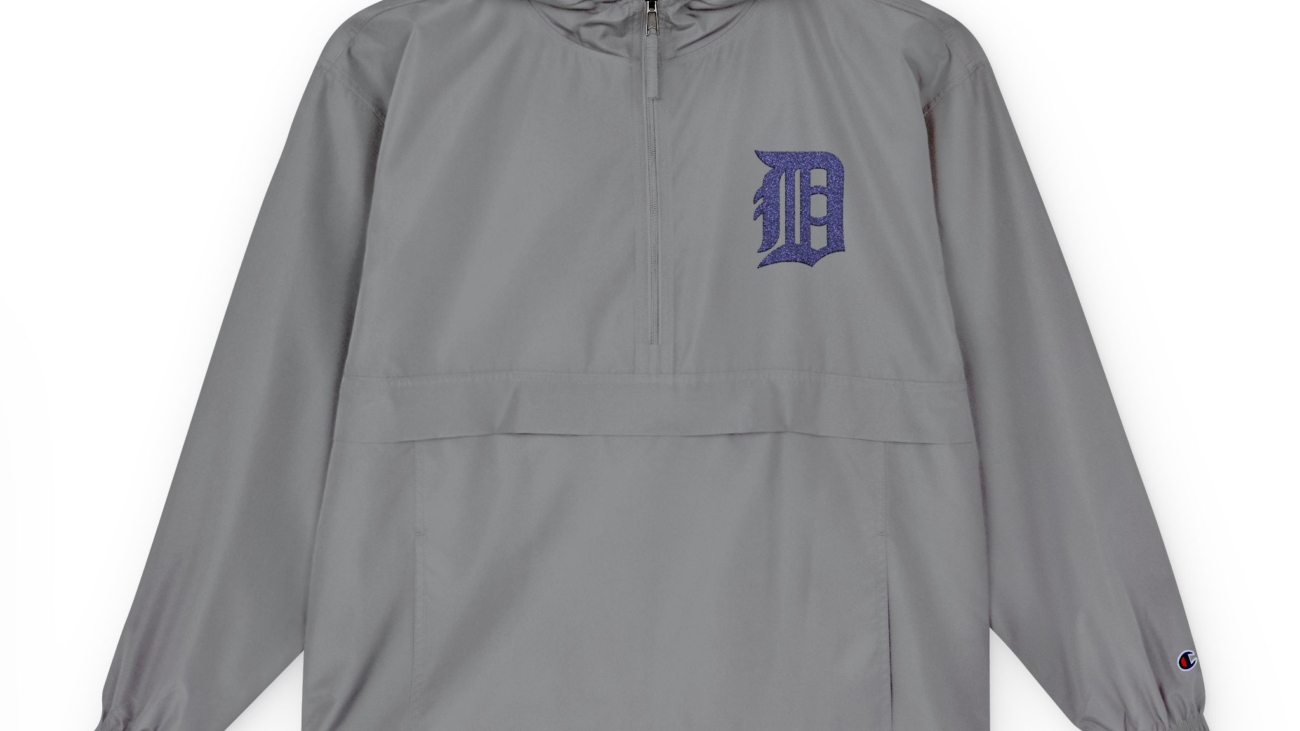
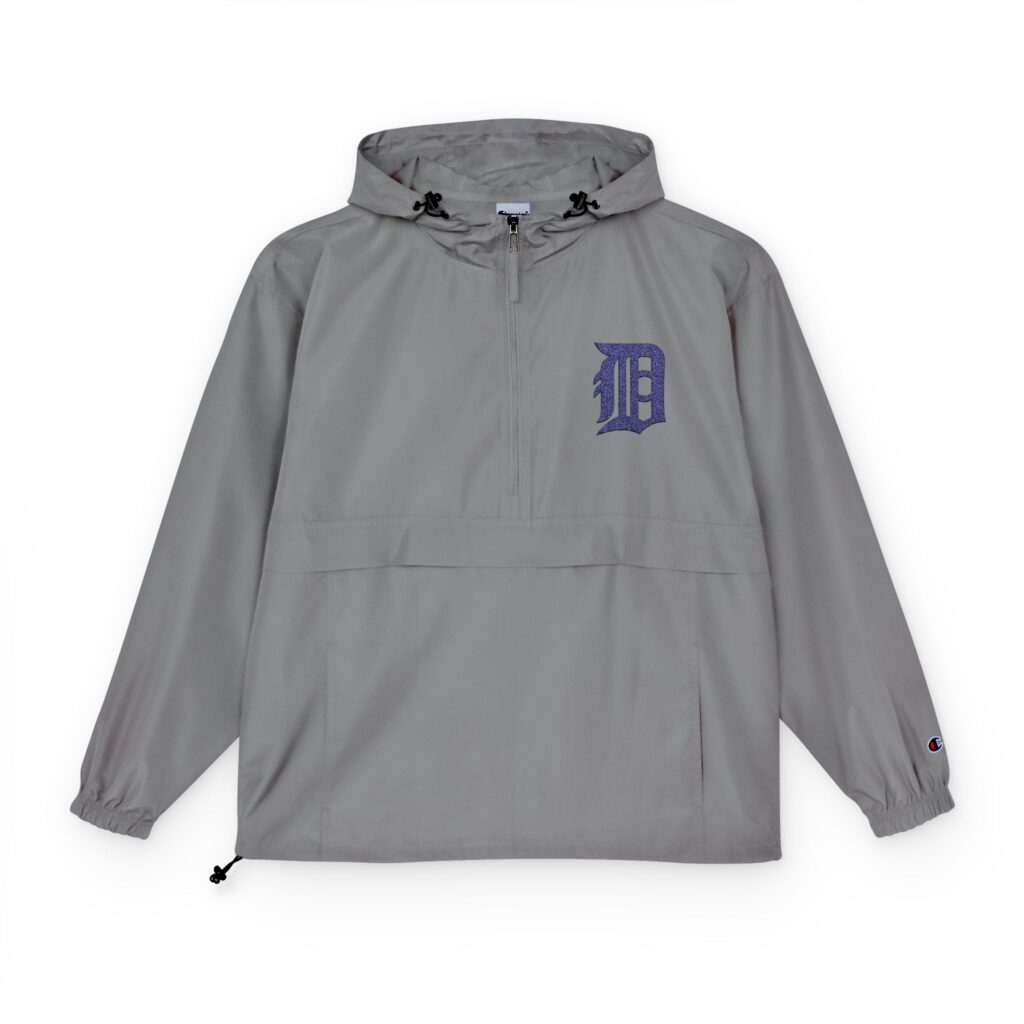
The Phillies and Twins sections at Pro Merch carry officially licensed gear for both franchises. The full MLB catalog covers all 30 teams with 885 products, from Champion Packable Anorak Jackets at $69.98 to $73.97 to the complete licensed fanwear range for every club in the sport.
Why the Field of Dreams Game Is the Best Thing Baseball Does All Year
No other sport does this. Full stop.
Baseball has a lot of problems in 2026. Pace of play debates, attendance challenges in certain markets, the ongoing tension between the analytically optimized version of the game and the version casual fans want to watch on a Tuesday night. The sport is genuinely wrestling with real questions about its own future. And then it goes to Iowa and builds a stadium in a cornfield and invites 25 Hall of Famers and Kevin Costner and the Ghost Players and two teams fighting for Wild Card spots, and the whole conversation about the sport’s problems goes quiet for nine innings.
That’s what this event does. It reminds you why you fell in love with the game in the first place, before box scores and launch angles and bullpen usage rates became the vocabulary of fandom. It does that by going somewhere beautiful and simple and making the game look the way it looked when you were a kid. Throwback uniforms. A custom stadium with corn beyond the fence. Sunset over Iowa. Hall of Famers on the grass. Players walking out of the corn like they’ve always done it. It’s a trick, in a sense, a deliberate construction of nostalgia. But it works every single time because the underlying thing it’s pointing to, a sport played outdoors in summer by people who love it, is genuinely worth all the ceremony surrounding it.
The Field of Dreams Game works because baseball, at its core, earns the nostalgia. The game being played tonight in Dyersville is the same game those Hall of Famers played. The rules are recognizable. The rhythms are familiar. The smell of a baseball, the sound of a wood bat making contact on a perfectly thrown pitch, the physics of a 95-mile-per-hour fastball and the human being who has learned to hit one, none of that has changed. The setting makes that continuity visible. And making something visible that’s always been true is the whole point of art.
[Your Story Here: the moment tonight when the players walk out of the corn, if you’re watching alone or with someone who doesn’t care about baseball at all, pay attention to the look on their face. It’s the same look every time.]
Tonight’s game opens on Netflix at 6:30 PM Eastern with pregame coverage, first pitch at 7:30. The Phillies bring their star-laden lineup to a setting that levels everything. The Twins, quietly eighth in the majors in runs scored and playing their first-ever specialty game as the home team, have every reason to make this a night to remember. Nola against Bradley. 1939 road grays against 1961 Metropolitan Stadium whites. October math hidden inside a movie-magic cornfield.
Get on Netflix at 6:30. Get the full MLB catalog at Pro Merch open in another tab. And enjoy a night that baseball gives itself, and all of us, maybe once in a decade.
📻
Tomorrow Morning: Pro Merch Radio Show
Beyond the movie nostalgia and special atmosphere, tonight’s game serves as the opener for an important three-game cross-league series that carries vital playoff weight. Both the Phillies (64–58) and the Twins (60–62) are fighting tightly contested battles for Wild Card spots in their respective leagues, making every inning in the Iowa corn matter immensely for October positioning
The Pro Merch Catalog: Every Team, Every Sport, Right Now
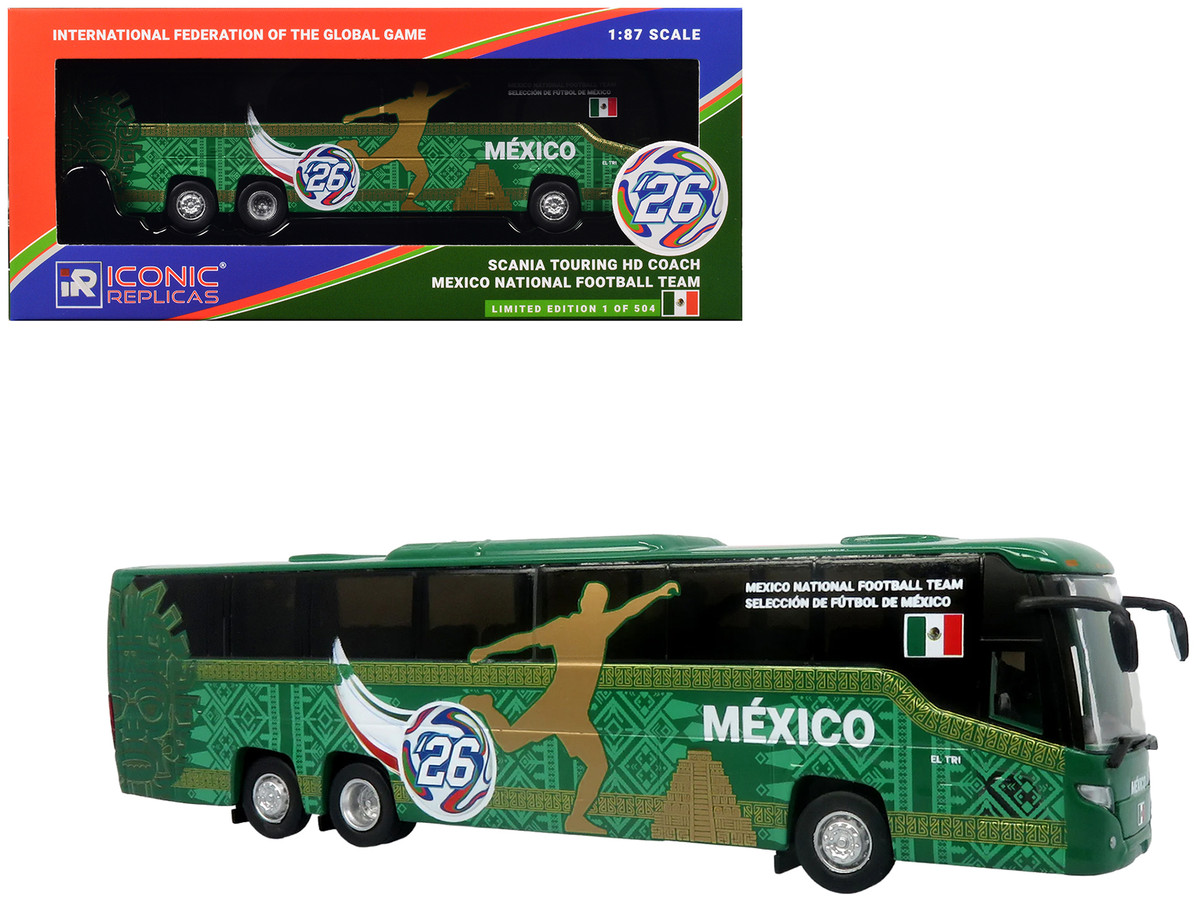
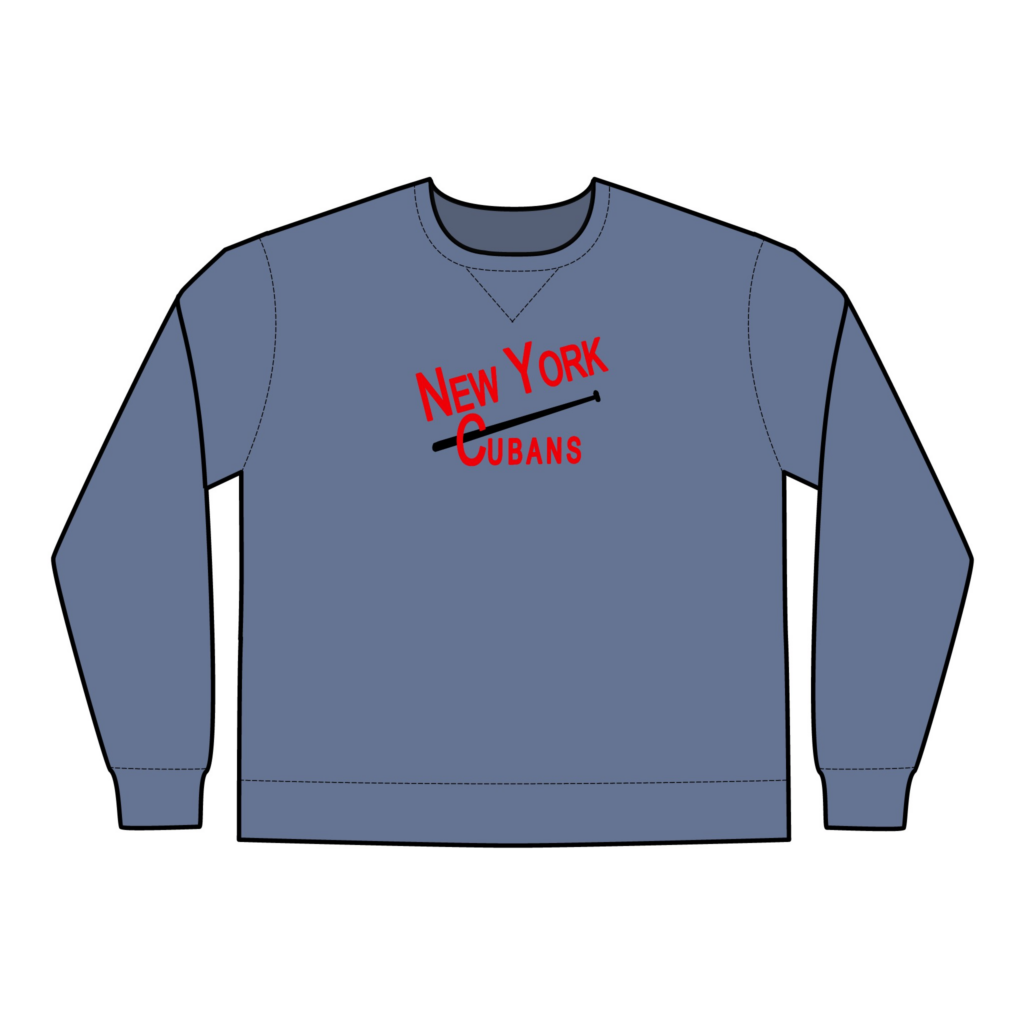
The MLB section at Pro Merch carries 885 licensed products across all 30 franchises. The NFL catalog covers all 32 teams as training camp runs at full speed across the league. The NHL collection spans all 32 active franchises plus the WHA vintage series. The NBA section covers every franchise in a league whose offseason just sent LeBron James to the 76ers. The Negro Leagues collection honors 14 legendary franchises at $34.98. The Pro Merch Vintage Series carries 526 hand-inspected, one-of-one throwback pieces. And the FIFA World Cup 2026 collection still has Iconic Replicas coach buses limited to 504 pieces worldwide at $57.15.
Shop the complete store at Pro-Merch.com. Customer service is at 1.609.206.5763 and by email for any questions about products, sizing, or ordering.
Tonight, it’s cornfields and baseball and 25 Hall of Famers and Kevin Costner and a Wild Card race hiding inside a movie-magic setting. That’s not a bad Thursday.
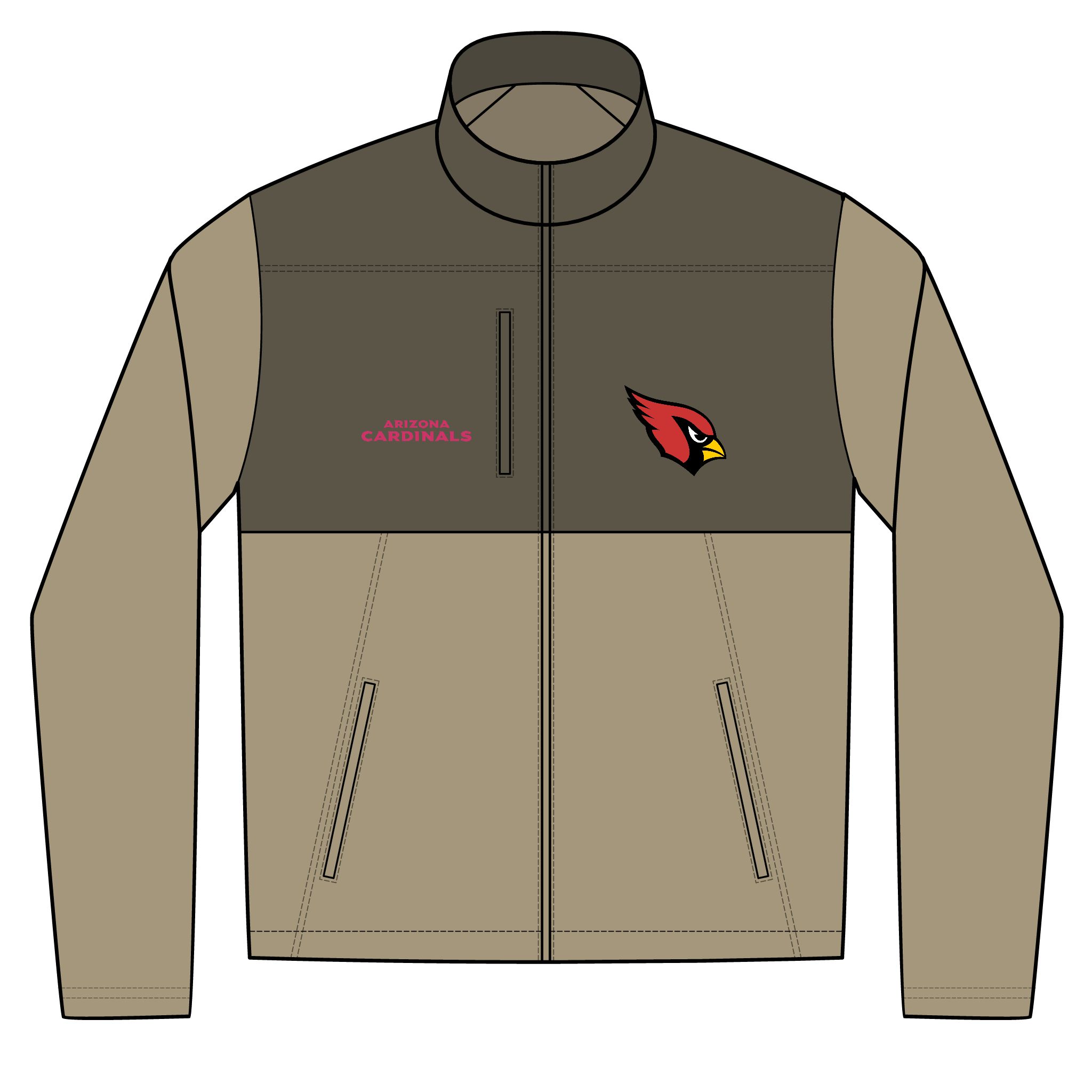
The Carolina Panthers held off the Arizona Cardinals 33-30 in a back-and-forth 2026 Hall of Fame Game. Even in the loss, Cardinals rookie third-round quarterback Carson Beck stole the spotlight with a standout debut performance.
The USA Today preseason coaches poll has been released, with Ohio State opening at No. 1 and Oregon right behind at No. 2. Georgia, Texas, and Notre Dame round out the top five.
Philadelphia pulled out a dramatic 12th-inning walk-off win over Toronto on a clutch single from Derek Hill, outlasting the Blue Jays after Toronto’s Ernie Clement had tied the game with an RBI double earlier.
Speculation is building around Wild defenseman Quinn Hughes, with talk of a shorter three-year deal that could line up his free agency with his brother Jack’s contract with the Devils.
LeBron James has signed with the 76ers, choosing Philadelphia over a possible reunion in Miami or Cleveland and setting up a fresh chapter in a new city.
Mexico’s Under-20 men’s national team captured the Concacaf title with a 2-0 win over the United States at the Azteca, in a final marked by a controversial VAR-assisted red card.
Manchester City midfielder Rodri is reported to be in the final stages of a blockbuster move to FC Barcelona, following weeks of intense negotiations between the two clubs.
Some things don’t get reproduced. They get rediscovered.
That’s the difference between buying a vintage piece and buying something that’s made to look vintage. One has a history attached to it. The other is a costume. And if you’ve ever worn something genuinely old, something with the faded letters of a team that played in a stadium that doesn’t exist anymore, you know the feeling is completely different from pulling on something that arrived pre-distressed from a factory in 2024. Different weight. Different character. Different conversation starter.
The Pro Merch Vintage Series just dropped 526 pieces of the real thing. Not reproductions. Not “vintage-inspired.” Actual curated throwback apparel and gear spanning the MLB, NFL, NBA, NHL, NCAA, MLS, Premier League, WHA, and historic Negro League teams, all hand-inspected, cleaned, and graded before they ever hit the catalog. Every single item in this collection is a one-of-one. When it’s gone, it’s gone. No restock. No second run. Just gone.
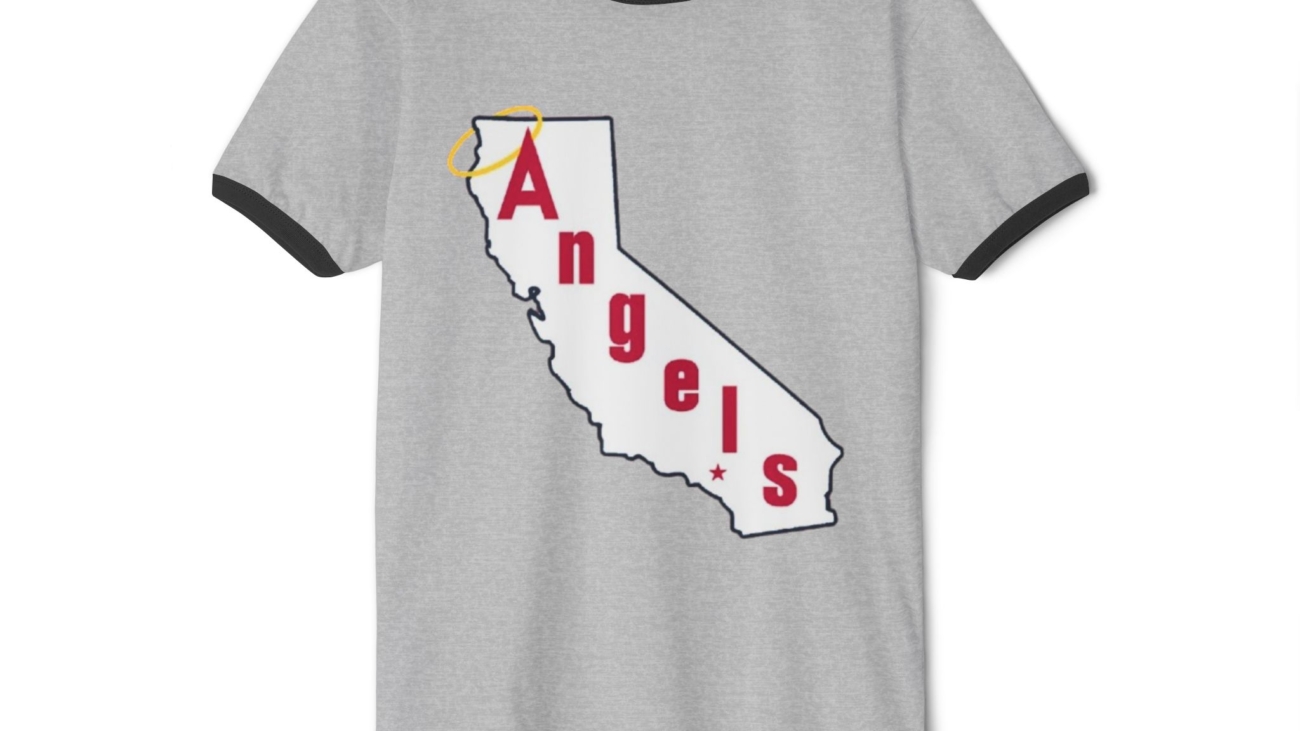
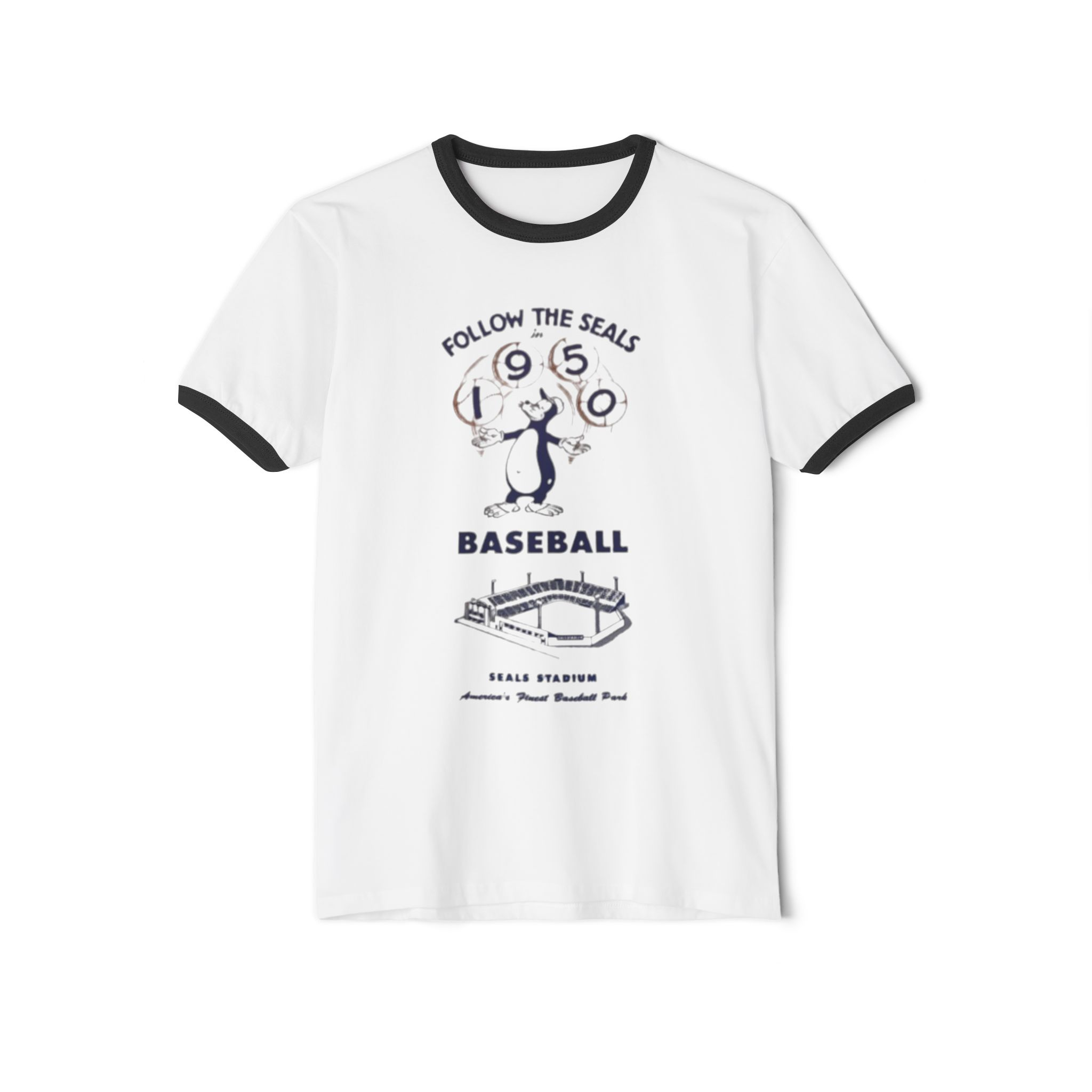
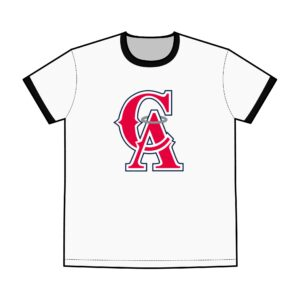
The Cotton Ringer Tees: The 1970s and 80s Look That Never Actually Left
Start here, because this is where the collection’s heartbeat lives.
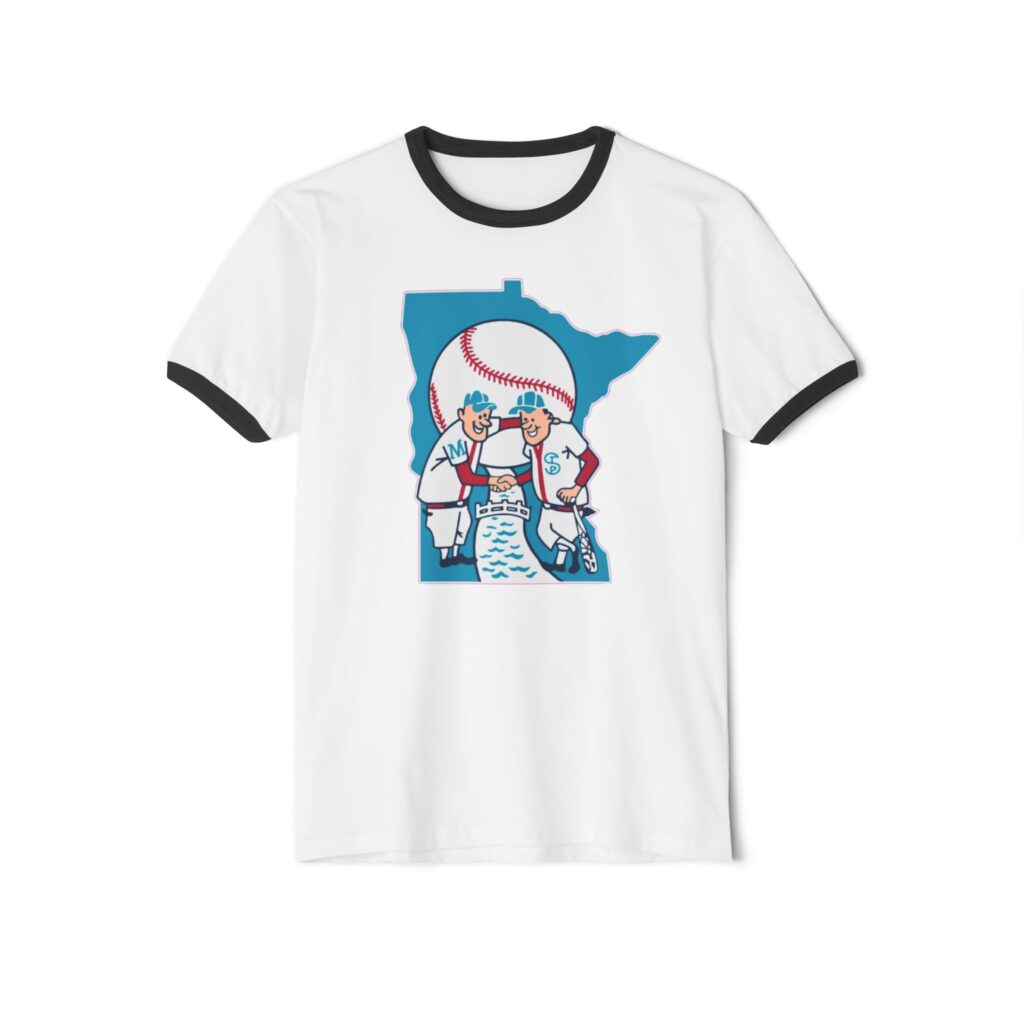
The classic cotton ringer tee, with its contrasting collar and cuffs and the kind of fabric weight that modern athletic wear has completely abandoned in the pursuit of synthetic stretch, is the single most recognizable silhouette from the golden era of American sports fandom. You wore one to the game. Your dad wore one to the game. And somewhere in a box in someone’s attic, there’s one from 1979 that looks better now than it did then.
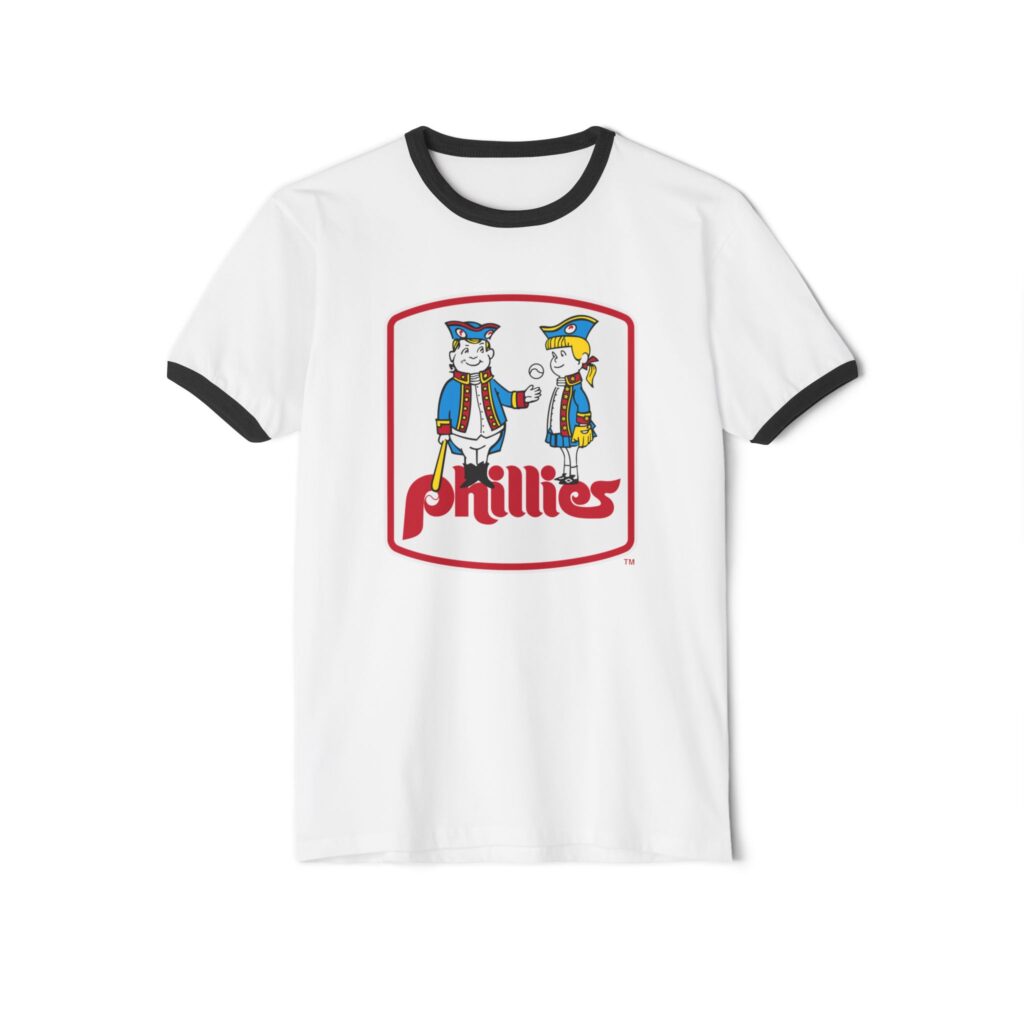
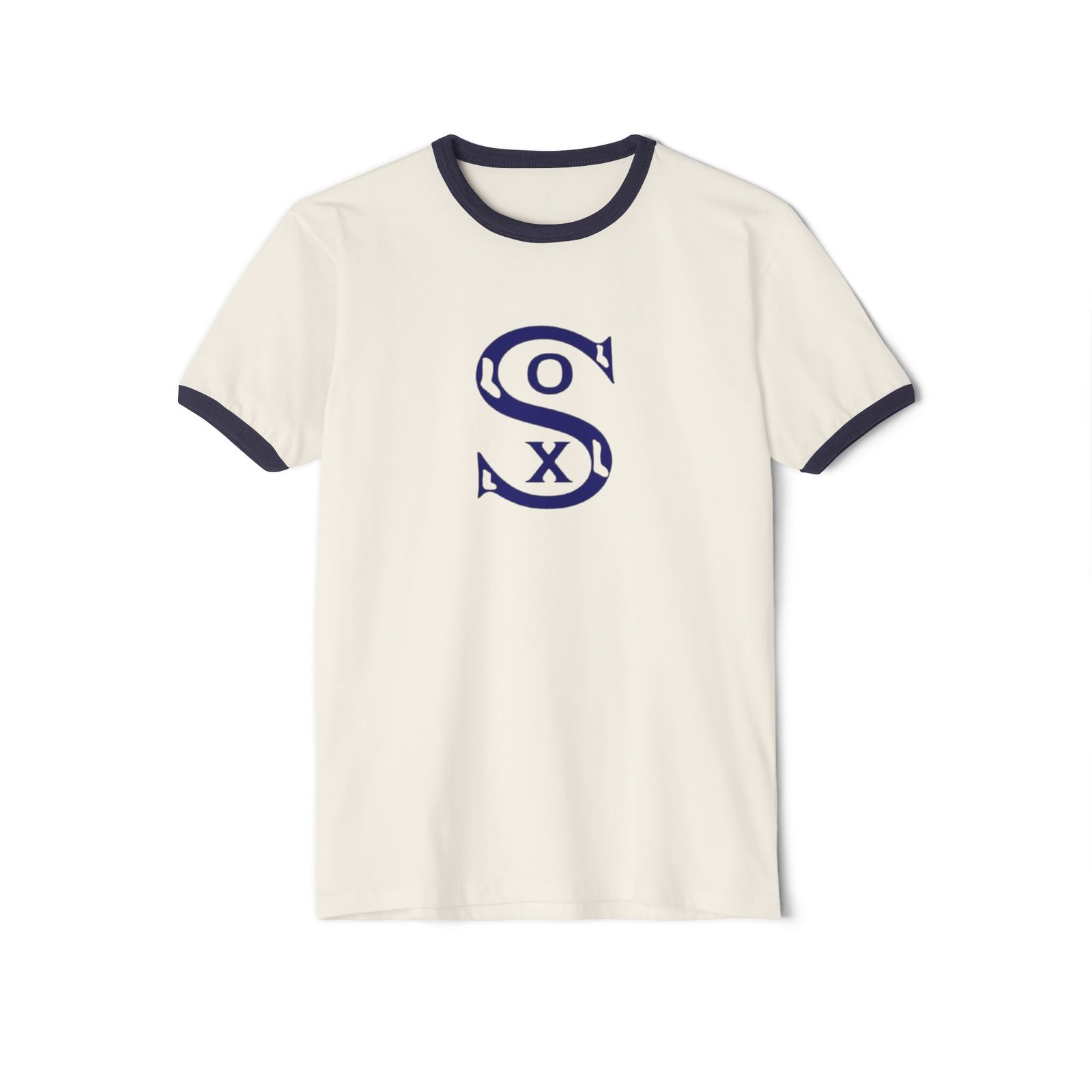
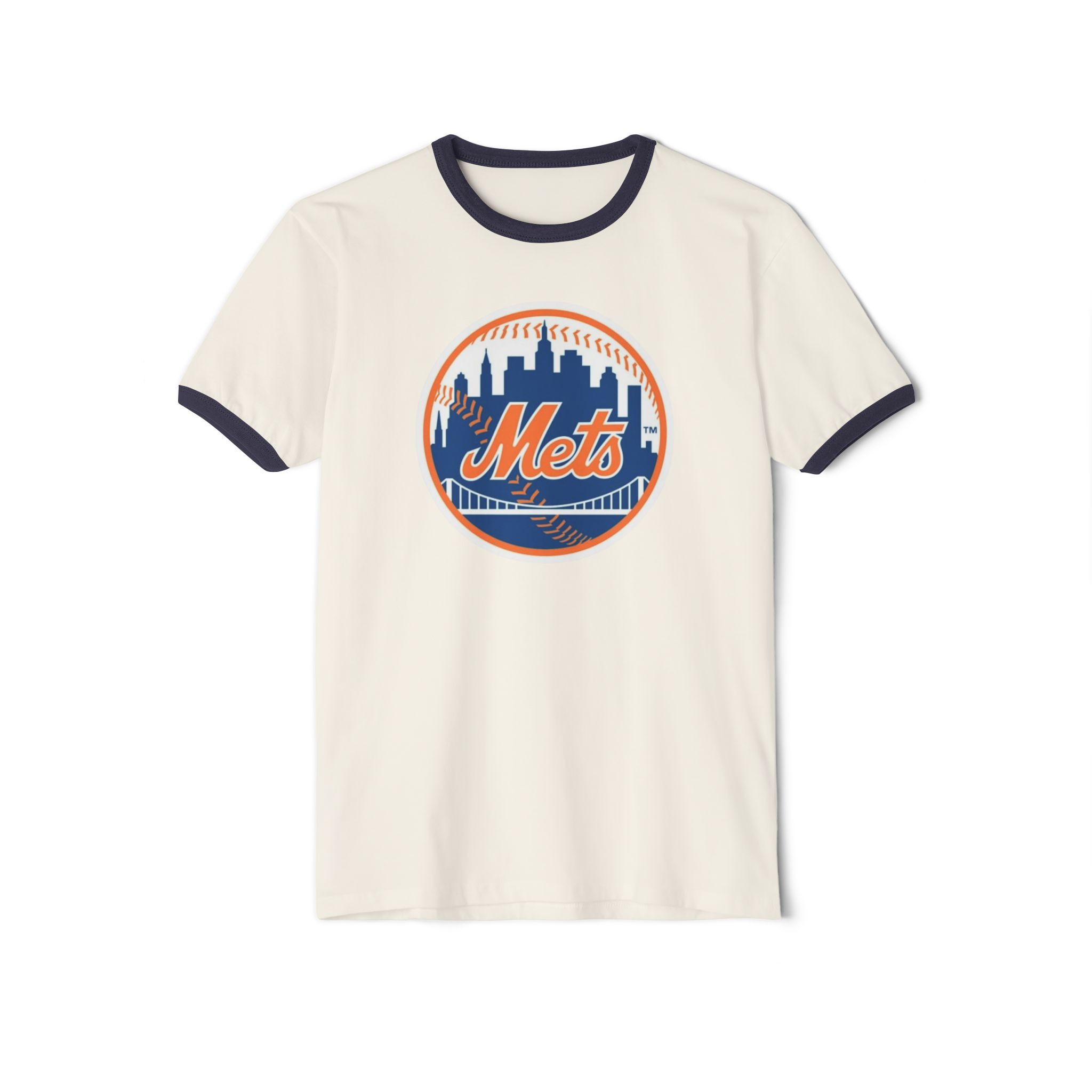
The New York Mets ringer tees in the collection feature classic Mr. Met graphics, one of the most beloved mascot designs in the history of the sport, rendered on cotton with the kind of authentic retro color treatment that the franchise’s own modern merchandise has largely abandoned. Multiple variants are available: the Mr. Met Unisex Cotton Ringer T-Shirt at $49.98 to $54.98, the Mr. Met Men’s Staple Ringer Tee at $49.98, and the standard Mets Unisex Cotton Ringer at the same price range. Different fits, same unmistakable energy.
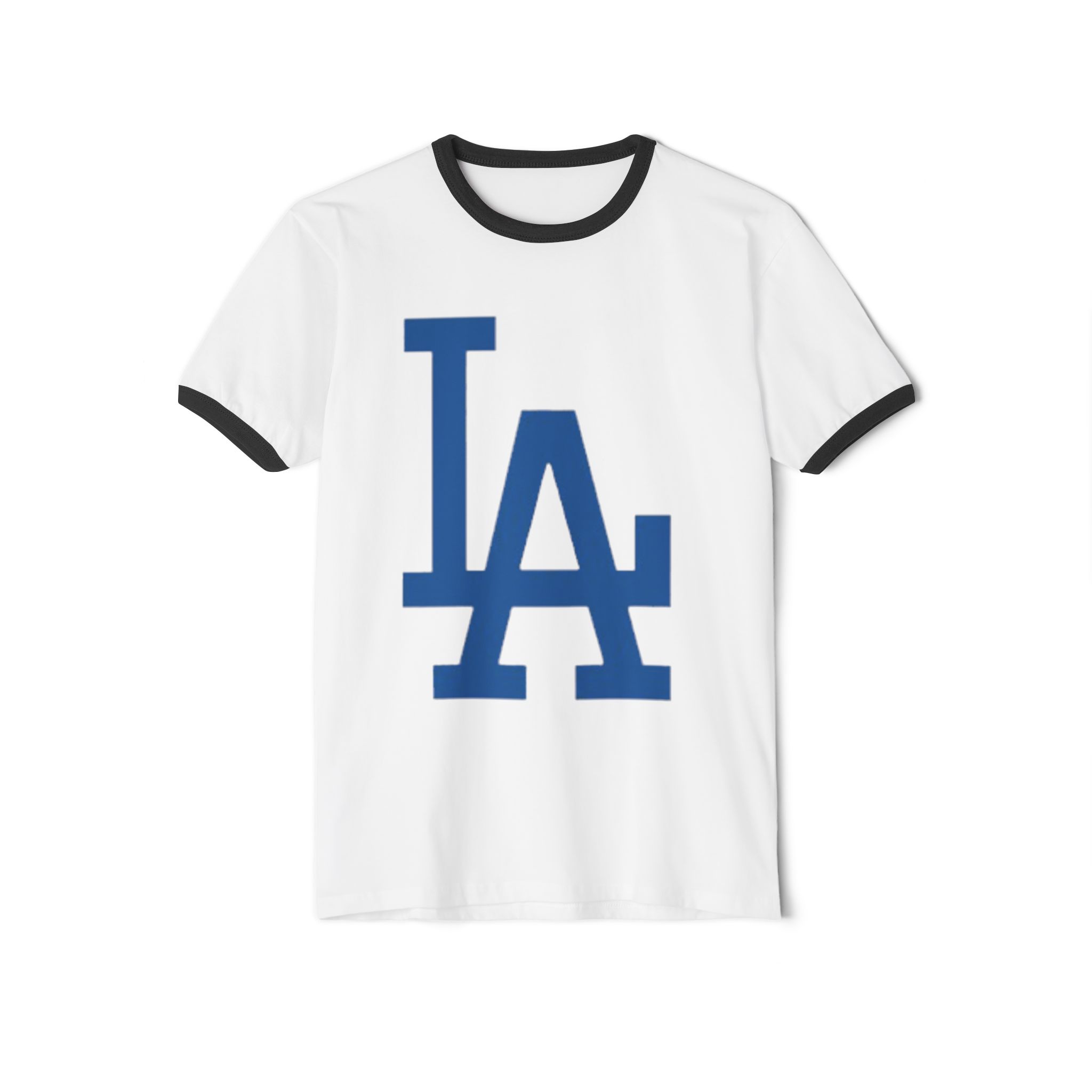
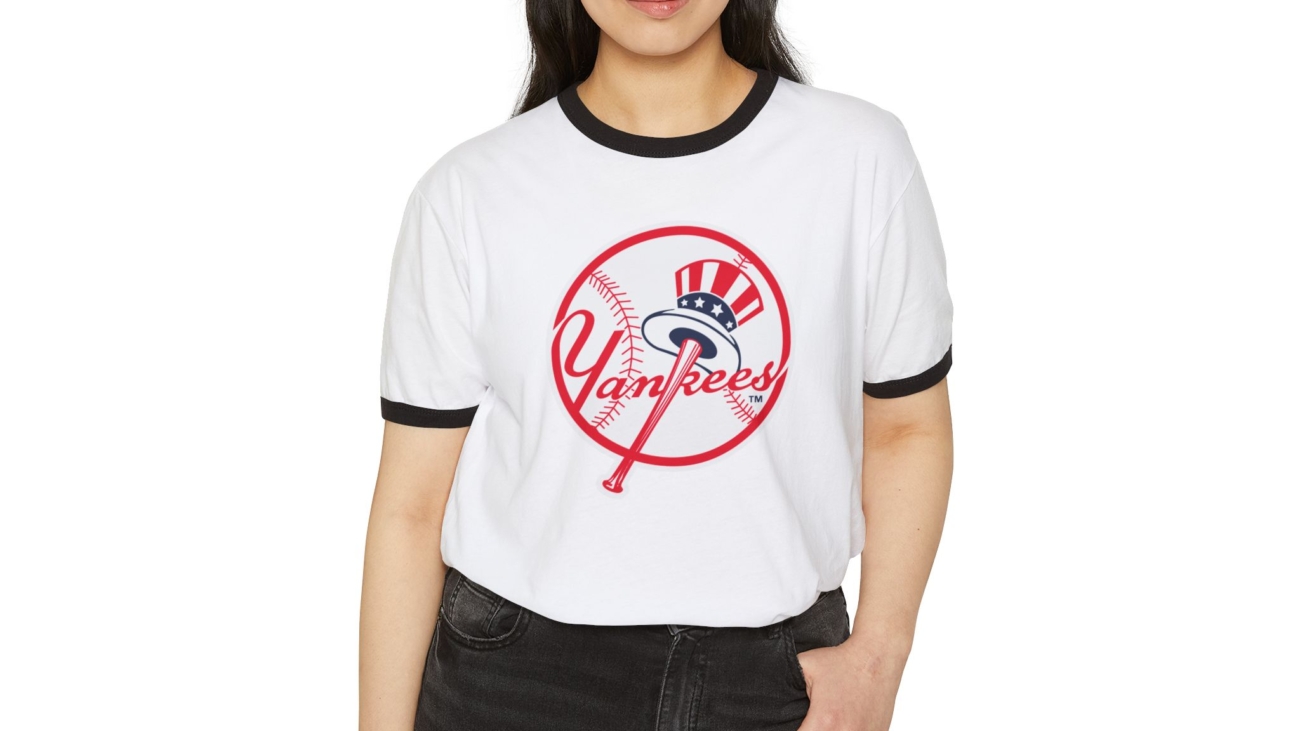
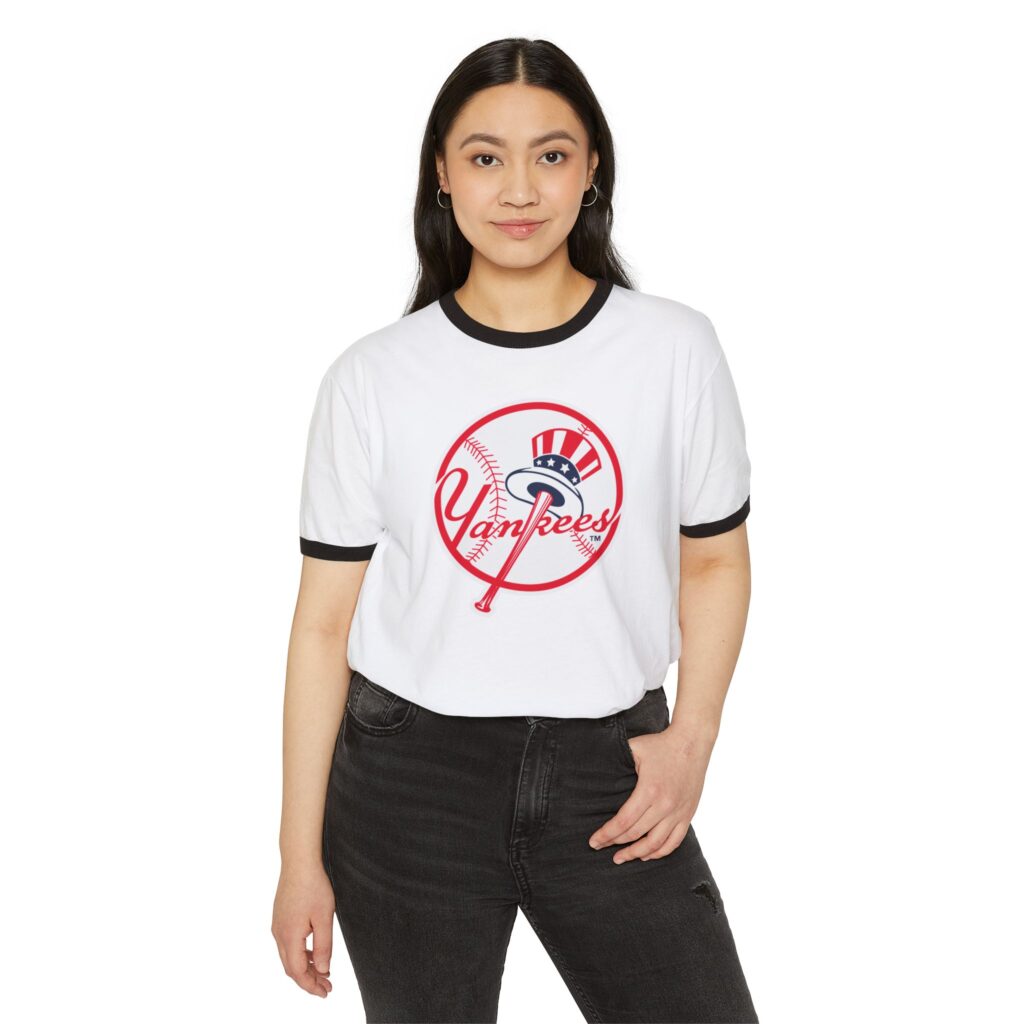
The New York Yankees ringer options carry that specific combination of brand authority and vintage restraint that only the Yankee aesthetic can produce at its best. The Unisex Cotton Ringer at $49.98 to $54.98 and the Men’s Staple Ringer Tee at $49.98 are both in the collection, and both look exactly like what they are: pieces that connect a living franchise to its most storied decades. The Los Angeles Dodgers variants follow the same format and the same price point, the Dodger blue rendered in the cotton-weight fabric and ringer construction that belongs to a specific era of Los Angeles baseball that modern gear can’t quite replicate no matter how hard it tries.
Fifty bucks for a genuine vintage-sourced cotton ringer tee from one of the most iconic franchises in American sports. That’s not a steep ask. That’s a bargain for something you’ll still be wearing in ten years.
The Hockey Vault: NHL Classics and the WHA Teams Nobody Else Carries
This is where the collection gets genuinely interesting for the serious collector. Because the NHL gear is great, and we’ll get to it, but the World Hockey Association pieces are the ones that most vintage sports apparel retailers either don’t bother with or can’t find in any volume worth stocking.
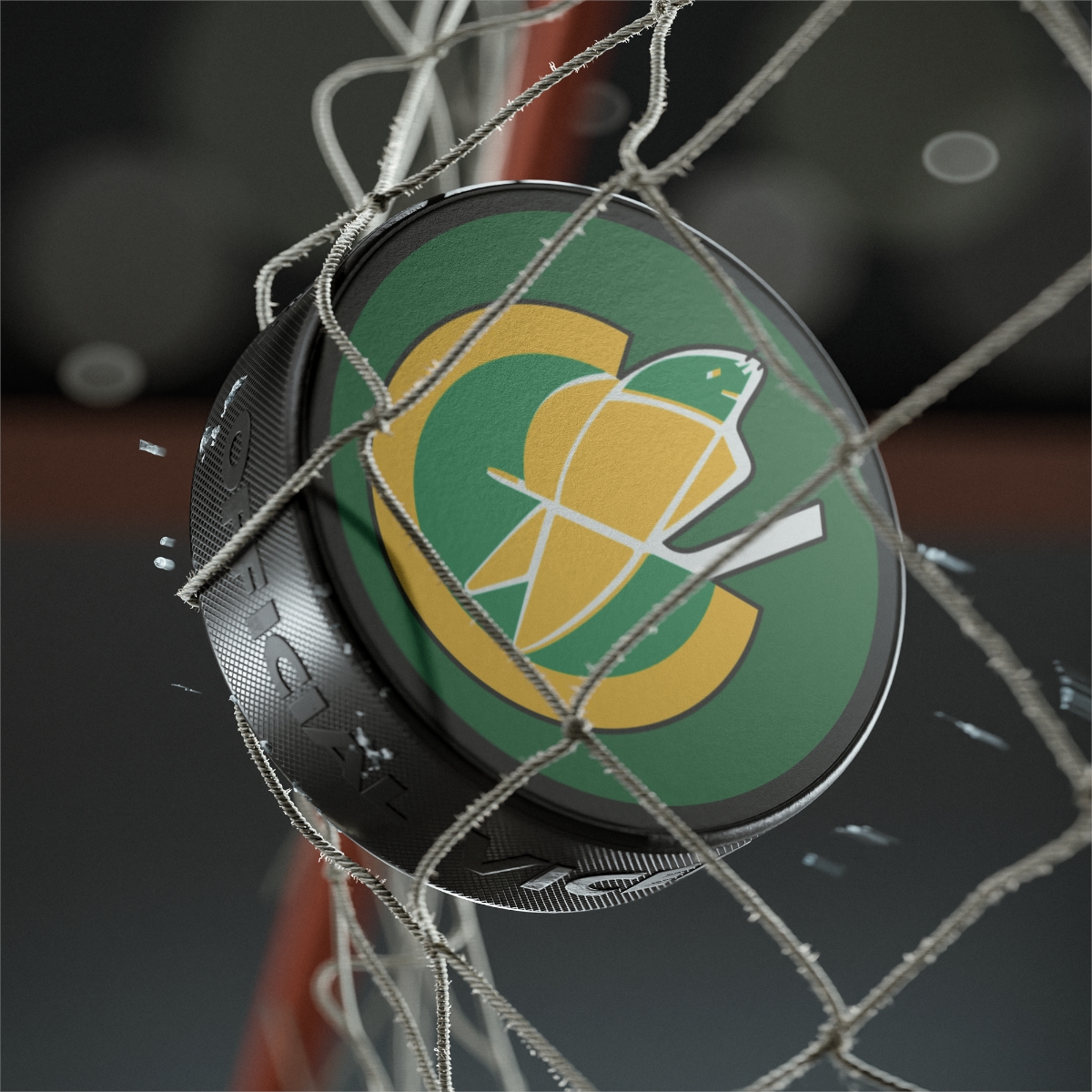
The WHA operated from 1972 to 1979 as the NHL’s rival league, and the franchises it fielded, the Philadelphia Blazers, the New England Whalers, the Calgary Cowboys, the California Golden Seals, the Ottawa Senators in their WHA form, and the Winnipeg Jets as they originally existed, are organizations whose merchandise has been almost entirely absent from the licensed apparel market since they folded nearly fifty years ago. Finding genuine pieces from these franchises, pieces that carry the original colorways and the graphic design sensibilities of a league that was visually more adventurous than the NHL it was competing with, is legitimately difficult. The Pro Merch WHA section has them.
The New England Whalers, in particular, represent one of the more underappreciated design legacies in North American hockey history. The team eventually became the Hartford Whalers in the NHL, whose logo and color scheme has retained a cult following for decades, but the Whalers’ WHA identity carries its own weight for anyone who followed the league when it was actually operating. Owning a piece from that era isn’t nostalgia. It’s the kind of specific historical knowledge that real fans carry.
For current NHL teams, the collection covers the full roster, from the Boston Bruins to the Chicago Blackhawks to the Detroit Red Wings to the Montreal Canadiens and every franchise in between, with vintage pieces that reflect the specific visual identities these organizations carried during their most celebrated decades.
Negro League Apparel: Honoring the Teams That Baseball Tried to Forget
This section deserves its own treatment, because it’s the one that separates the Pro Merch Vintage Series from virtually every other sports apparel collection in the market.
The Kansas City Monarchs. The Homestead Grays. The Newark Eagles. The Pittsburgh Crawfords. The Chicago American Giants. The Birmingham Black Barons, where a teenager named Willie Mays learned to play the game. These are not secondary franchises. They are the organizations that housed some of the most extraordinary athletic talent the sport has ever produced, operated in a country that excluded those players from the major leagues based solely on race, and produced decades of professional baseball at the highest level while being systematically written out of the official record. Major League Baseball finally integrated Negro League statistics into its official record books in recent years. Josh Gibson now holds the all-time career batting average at .372, ahead of Ty Cobb. Satchel Paige’s legacy grows with every newly verified game added to his profile.
The vintage apparel honoring these teams is not a novelty category. It’s a historical obligation that most of the sports merchandise market has completely ignored. Pro Merch’s Negro Leagues collection covers all fourteen iconic franchises, and within the Vintage Series you’ll find pieces that carry the full cultural weight of what these organizations meant and what they continue to mean as the record books are finally corrected.
Global Football, College Gear, and the Full Breadth of Items
The reach of the Vintage Series extends well past American professional sports, and that’s a feature, not an afterthought.
The MLS section covers all 29 active clubs, from Atlanta United FC to the Vancouver Whitecaps, with vintage-adjacent pieces that honor the relatively short but genuinely passionate history of American professional soccer. This is a collection that arrives in a summer when the 2026 FIFA World Cup just concluded on American, Canadian, and Mexican soil, a summer when soccer’s fan base in this country is larger and more engaged than it has ever been. The timing couldn’t be better. The Premier League section covers Arsenal, Chelsea, Liverpool, Manchester City, Manchester United, and the rest of the top-flight English clubs for fans whose soccer allegiances cross the Atlantic in both directions.
The NCAA catalog spans the ACC, Big Ten, Big 12, SEC, Big East, and American conferences, with a dedicated HBCU section that carries the same historical seriousness as the Negro Leagues collection. College sports fandom runs generationally deep in this country, and vintage college gear carries a specific nostalgic charge that professional team merchandise can’t quite replicate. There’s something about a genuinely old piece of gear from your school that sits differently than anything the bookstore sells.
The NBA pieces span the league’s full thirty franchises. The NFL vintage items cover all 32 teams. And the MLB portion, the numerical core of this collection, carries throwback apparel for every active franchise alongside the historic and Negro Leagues teams described above.
526 items. Every major sport. Every meaningful era. And because every single piece is genuinely vintage, individually sourced, hand-inspected, and one-of-one, the collection shrinks every day without replacement.
Tomorrow’s Radio Show: Join the Conversation
Tomorrow morning, catch the full breakdown of the Pro Merch Vintage Series on the radio show. We’ll be going through the most coveted pieces in the drop, talking about what makes genuine vintage different from the mass-produced stuff that’s flooding the market right now, discussing the WHA franchises that almost nobody else carries, and taking your calls on what you’re hunting for and whether we’ve got it. If you’ve been looking for a specific team, a specific era, or a specific style, tune in.
Bring your wish list. We’ll see what we can do.
The One-of-One Rule: Why You Shouldn’t Wait
Every piece in the Pro Merch Vintage Series is a unique item. Not “limited edition.” Not “while supplies last.” Literally one. When the New York Mets Mr. Met ringer tee in your size sells, that specific item is gone and it’s not coming back, because there was only one of it in the first place. This is not a marketing device. It’s just the structural reality of stocking genuine vintage apparel versus manufacturing reproductions.
The sports merchandise market is full of retailers who’ve figured out that people will pay a premium for anything that looks old. So they manufacture old-looking things and charge accordingly. We went the other direction. Months of sourcing and verifying actual pieces, hand-inspecting every item before it enters the inventory, grading it honestly so you know what you’re buying, and then pricing it at a point that makes the collection accessible rather than exclusive. A genuine vintage-sourced cotton ringer tee from one of baseball’s most storied franchises for under fifty-five dollars. A piece of WHA history for a league that most people under forty have never seen represented in a retail context. Negro League apparel that carries the full weight of a chapter of baseball that the sport is only now beginning to properly acknowledge.
That’s the Pro Merch Vintage Series. 526 items and shrinking. Browse the full collection at Pro-Merch.com, explore the complete store, and find the piece that belongs in your collection before someone else does. Customer service is at 1.609.206.5763 and by email if you’ve got questions.
The Major League Baseball trade deadline is always the most compressed and most consequential decision-making period in any sport’s calendar. No other professional league produces anything quite like it: a fixed moment in time, months in the planning but decided in days, where the distance between a franchise’s present and its future can be altered permanently by a single phone call between general managers who have been circling each other for weeks. The 2026 edition of this annual reckoning, with the official deadline locked for August 3 at 6:00 PM Eastern Time, is setting up to be one of the most active and most consequential trade deadline periods in recent memory. The number of legitimate, impact-level players available on the open market is extraordinary. The range of contenders with the prospect capital and the organizational willingness to pay it is equally extraordinary. And at the center of it all is a back-to-back Cy Young Award winner named Tarik Skubal who may or may not be a Detroit Tiger when August 4 arrives, and a San Diego Padres closer named Mason Miller who throws 102 miles per hour and whose availability has divided the baseball intelligence community in ways that make every subsequent report feel like a plot twist. Pro Merch, the premier destination for officially licensed MLB merchandise across all 30 franchises with 885 products in the MLB catalog, is the place to gear up for every team that is buying, every team that is selling, and every team that is trying to do both simultaneously before the clock runs out.
The Soccer Sidebar: Messi, MLS, and Real Madrid’s European Power Move
The baseball deadline is not the only sports market generating significant transaction news this week. In Major League Soccer, the upcoming 2026 MLS All-Star Game will proceed without Lionel Messi, who has been officially announced as unavailable due to injury. Messi’s absence is excused in full this year, a significant distinction from his previous suspension absence that generated considerable controversy and that the league handled differently. For MLS and the Inter Miami CF fan community that follows the global conversation around the sport’s greatest player, the news is disappointing but fully contextual: a player who has been carrying the weight of a complete FIFA World Cup tournament through July is not in the same physical condition as a player who spent the summer in preparation mode, and Messi’s long-term health appropriately takes precedence over a single exhibition match. The MLS All-Star Game will go on, and the talent pool available to replace Messi in the Inter Miami lineup will provide its own compelling exhibition of the league’s current quality.
In European club football, Real Madrid has launched a shock transfer bid of 100 million euros to hijack RB Leipzig’s African wonderkid winger Yan Diomandé from Paris Saint-Germain, who had been in advanced negotiations for the same player over the course of several months. The Real Madrid move represents the specific kind of financial and institutional power that the Spanish club has deployed throughout its history to destabilize competing bids when a player becomes available, and the challenge it presents to PSG’s pursuit will dominate the European transfer window conversation in the days ahead. For fans of European club football who follow the Pro Merch Premier League section across Arsenal, Chelsea, Liverpool, Manchester City, Manchester United, and the rest of the top-flight English clubs, the Diomandé saga is a reminder of how the European transfer market operates at its highest level and of the specific gravitational pull that Real Madrid exerts on every transaction it enters.
The King Chooses Philadelphia: LeBron James Signs with the 76ers, Ends a 43-Year Championship Drought Hunt, and Gives the City of Brotherly Love Its Most Exciting Roster in a Generation
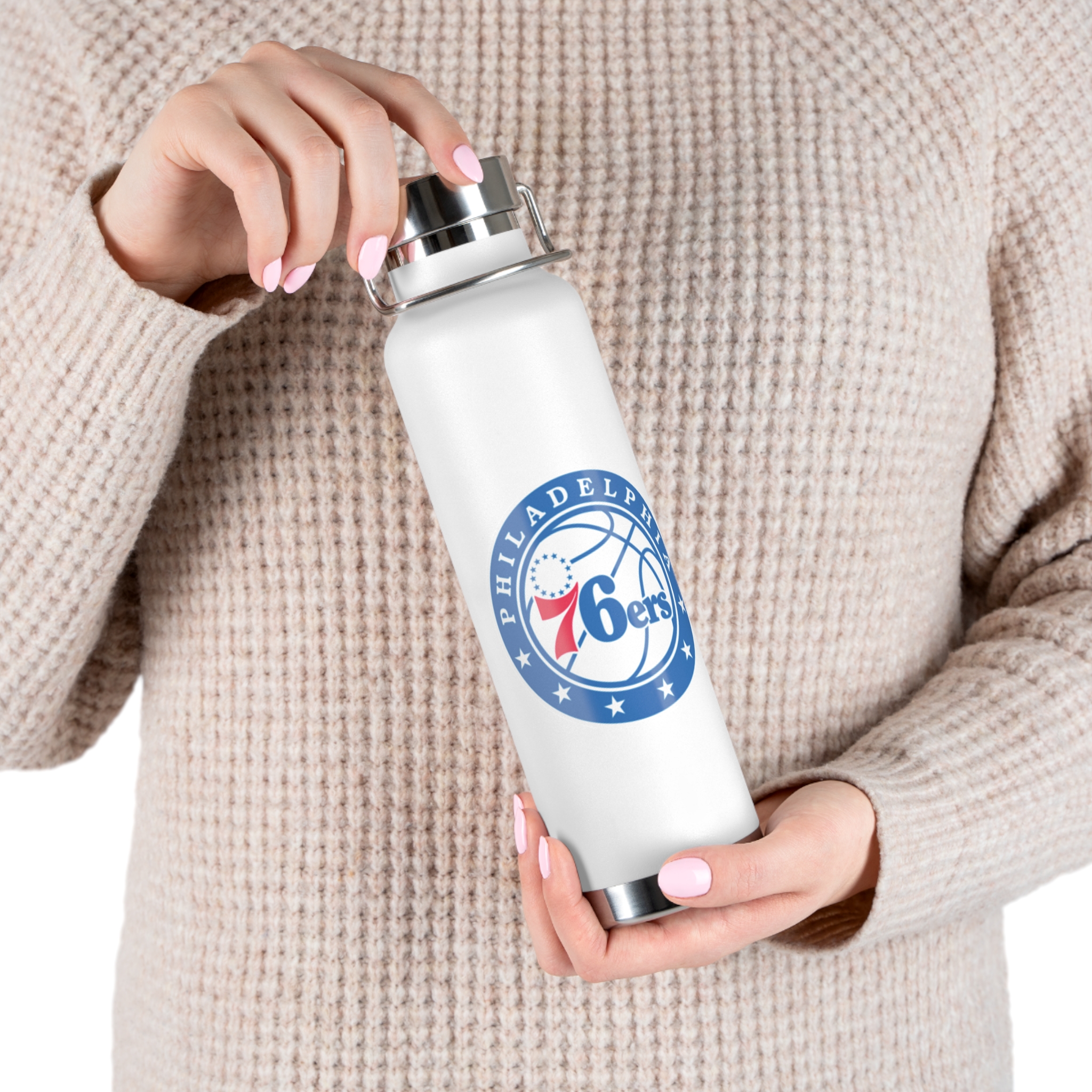
The basketball world stopped on Friday when LeBron James, the NBA’s all-time leading scorer, announced that Philadelphia will be the final destination of the greatest career the sport has ever seen. At 41 years old, coming off a season in which he averaged 20.9 points, 7.2 assists, and 6.1 rebounds per game for the Los Angeles Lakers, James signed a two-year, $8 million deal with the Philadelphia 76ers, choosing the City of Brotherly Love over Cleveland, Miami, Golden State, and at least seven other reported suitors. He took a fraction of what he earned last season not because no one would pay him more, but because he looked at a roster built around Joel Embiid, Jaylen Brown, Tyrese Maxey, and VJ Edgecombe and saw the clearest path to a fifth championship he has found since his last title in 2020. Philadelphia has not won an NBA championship since 1983. That drought is now LeBron James’s personal project, and the Eastern Conference knows exactly what that means. Shop the Philadelphia 76ers collection at Pro Merch and represent the most anticipated roster in basketball.
Patrick Kane Comes Home, Connor Bedard Signs the Richest Rookie Extension in Modern NHL History, and the League Remakes Itself: The 2026 NHL Free Agency Period and the Pro Merch Collection Built for Every Fan It Affects
The NHL offseason delivered its most consequential week in years, and the city of Chicago was at the center of all of it. Patrick Kane, the three-time Stanley Cup champion who spent the prime years of his career turning the United Center into the loudest building in hockey, signed a two-year, $16 million contract to come home to the Chicago Blackhawks, the franchise that drafted him first overall in 2007 and that built a dynasty around his brilliance. Hours later, the Blackhawks announced that Connor Bedard, the most celebrated young player in the sport, had signed a five-year, $75 million extension at $15 million per season, the richest rookie extension in the modern NHL era. Add Bowen Byram, already signed to the richest defenseman contract in league history at $12.5 million per year, and the Chicago rebuild is no longer a rebuild in any meaningful sense of the word. It is a program with a plan and the players to execute it. Across the rest of the league, Trevor Zegras landed in Philadelphia, JJ Peterka headed to Boston, Cole Perfetti committed to Winnipeg, Connor McMichael signed long-term in St. Louis, and Jet Greaves closed what insiders described as the widest arbitration gap in NHL history to stay in Columbus. The league looks different. Shop the NHL collection at Pro Merch and find the gear for wherever your team just landed.
This is the full story of the 2026 MLB Trade Deadline. Every name that matters, every suitor that has been identified, every organizational decision that will define the next three to five years of a franchise’s competitive window, told in the full context that the moment deserves.
Tarik Skubal and the Question That Has Consumed the Entire Baseball Industry
No player in the 2026 trade deadline conversation generates more discussion, more insider reporting, more conflicting signals, and more genuine organizational anxiety than Tarik Skubal of the Detroit Tigers. The left-hander is the reigning back-to-back American League Cy Young Award winner, the best pitcher available on the trade market and, by the consensus of virtually every evaluator across the league, the best player available on the trade market in any position. He is a pending free agent at the end of the 2026 season, under the remaining $32 million of a contract that will expire when the year ends. He has no trade protection. And he just threw a 12-strikeout gem against the Kansas City Royals on Friday night, his latest demonstration that the elbow surgery that delayed the start of his 2026 season has not diminished any of the qualities that made him the most dominant starting pitcher in baseball for the past two seasons.
The specific complication that has defined the Skubal conversation all summer is that the Detroit Tigers are not a bad team. In the weeks leading up to the deadline, the Tigers have won 15 of their last 20 games. A.J. Hinch, their manager, captured the organizational mood precisely when he told reporters before a game against the Chicago Cubs: “We’ve been playing Game 7 since May.” A team that has decided to play every game like an elimination game does not have the psychological disposition of a franchise preparing to sell its best player. And yet the financial reality is stark: Skubal becomes a free agent at the end of this season, which means that if the Tigers do not trade him, they get nothing for him except the remaining games he pitches and whatever playoff series he might help carry them to. The market for a two-time Cy Young winner with his combination of stuff, command, and competitive track record does not appear often, and front offices across the league are watching the Tigers’ decision-making with the specific attention of organizations that know they need to have a plan ready if Detroit decides to move.
The Tampa Bay Rays have been the most consistently cited destination throughout the summer, with MLB Network’s Joel Sherman going as far as predicting that if Skubal is traded, the Rays will be the team that gets him. The Los Angeles Dodgers have also been prominent in the reporting, as have the Milwaukee Brewers, the Atlanta Braves, and the Philadelphia Phillies. The Athletic has reported that a third organizational path is under serious consideration in Detroit: dealing Skubal in a package structured specifically to return both a pitcher under team control who can fill his innings in the near term and future assets, allowing the Tigers to absorb the loss of their ace without simply gutting their competitive outlook entirely. That creative structure, if it comes to pass, would be among the more sophisticated deadline transactions in recent memory and would reflect front office thinking that goes well beyond the simple sell-high calculation that most deadline trades involve. For fans of the Detroit Tigers, the next nine days represent either the end of an era or the beginning of a genuine playoff push, and both outcomes are entirely plausible. Pro Merch carries the Tigers’ licensed merchandise for fans watching this unfold from every vantage point.
The Friday night performance against the Royals was the kind of display that makes the decision harder for Detroit and more urgent for everyone else. Twelve strikeouts. Dominant command. The back-to-back Cy Young form fully present and fully accounted for. Skubal has one more start scheduled before the deadline, which means the league will have at least one more data point before the clock stops, and that data point will either be another dominant performance that drives Detroit’s price up further or a rough outing that introduces a measure of doubt into a market that has been operating on near-universal certainty about his excellence. Either way, the resolution of the Skubal situation will be the single most consequential transaction of the 2026 deadline period regardless of how many other names change uniforms between now and August 3.
Mason Miller and the Padres’ Most Difficult Decision
The Mason Miller situation at the San Diego Padres is, in many respects, the deadline’s most genuinely complicated question precisely because the intelligence from inside the organization is so dramatically at odds with the intelligence from outside it. The Athletic’s Dennis Lin, who covers the Padres as closely as any reporter in the business, has reported that sources familiar with the team’s thinking say Miller seems likely to remain with the club through the deadline. ESPN’s Buster Olney, who covers the broader market from the perspective of executives across the league, has reported that multiple front offices from other teams told him they believe Miller is going to be traded. Both of these reports can be simultaneously accurate, reflecting the genuine internal ambivalence of an organization that has not yet decided which direction to go and that is receiving offers from multiple teams while debating whether the asset value of trading Miller outweighs the competitive value of keeping him.
What is beyond dispute is that Miller is one of the most valuable assets in the sport and that the organizations that want him are willing to pay substantial prices to acquire him. MLB Network’s Jon Heyman has identified the Pittsburgh Pirates, the Seattle Mariners, and the New York Yankees as the top three suitors, all building packages centered around young starting pitchers, which is precisely the currency that an organization in San Diego’s situation would most want to receive. The Padres are two games back of a wild-card spot, which means they are not in the comfortable position of a team that has already clinched and can sell freely. They are in the more fraught position of a team that is close enough to the playoff picture that dealing their best reliever could end their own season prematurely, but that has also been presented with offers whose long-term value may exceed what another October run realistically delivers. The report that San Diego is demanding an “overwhelming” package to consider the trade reflects exactly that tension: the price is being set high enough that only a truly extraordinary offer would justify the risk of weakening a team that still has a realistic postseason path.
The Milwaukee Brewers, who have been aggressively pursuing both Skubal and Miller simultaneously according to MLB.com’s Adam McCalvy, add an additional dimension to the Miller market. A team that enters the negotiations willing to make competitive offers for both the premium starter and the premium closer is a team that has made a clear organizational commitment to winning in 2026, and the Brewers’ presence in the bidding presumably elevates the asking prices for everyone involved. For Milwaukee Brewers fans who have been following this front office’s deadline positioning, the reporting suggests an organization that believes this roster is genuinely capable of a deep playoff run if it can acquire the pitching necessary to support it.
The Full Market: Every Premium Name That Could Move Before August 3
The Skubal and Miller conversations have dominated the headline real estate in the trade deadline coverage, but the market beyond those two names is exceptionally deep, and the full picture of what is available over the next nine days is worth documenting in detail because the combined effect of all these transactions will reshape the competitive landscape of both leagues for the remainder of this season and potentially well beyond it.
Freddy Peralta of the New York Mets has emerged as one of the most coveted starting pitcher targets for teams that are unable to acquire Skubal, either because Detroit ultimately keeps him or because the price exceeds their available prospect capital. Peralta is entering his final year before free agency, giving him the same deadline urgency that Skubal carries, and his strikeout rate and arsenal quality make him a genuine rotation upgrade for any team that acquires him. The Chicago Cubs are heavily rumored to be building a multi-pitcher package to bring him to the North Side, which would represent a significant aggressive posture from an organization that has been deliberate about its competitive timeline.
Kevin Gausman of the Toronto Blue Jays is the veteran arm whose availability reflects the Blue Jays’ broader organizational situation. Toronto, heavily injured and in last place in the American League East, is trending firmly toward the seller side of the deadline equation, and Gausman is the most prominent name they have available to move despite the partial no-trade clause that complicates the transaction. A veteran starter of his experience and track record, heading to a contender with genuine playoff ambitions, represents exactly the kind of rotation upgrade that October-bound teams seek and that a rebuilding franchise can convert into the future assets it needs to accelerate the next cycle.
Reid Detmers and José Soriano of the Los Angeles Angels represent a different kind of opportunity, and one that is arguably more valuable in the long run than a rental starter. Los Angeles Angels interim GM John Mozeliak has made clear that he is willing to open the organization’s vault of controllable young talent, and both Detmers and Soriano are under team control through 2028, which means any team that acquires either of them is not renting a pitcher for a playoff run. They are acquiring a pitcher who will be in their rotation for the next two and a half seasons, giving the transaction a fundamentally different character from the typical deadline deal. The bidding wars that have reportedly developed around both names reflect the specific scarcity of young, controllable, high-quality starting pitching in the current market and the premium that organizations are willing to pay to acquire it when it becomes available.
Clay Holmes of the New York Mets is the reliever market’s most interesting complication: a high-leverage, shutdown-caliber arm who has been recovering ahead of schedule from a fractured right fibula suffered in May and who is expected to finish his rehab assignment shortly. Holmes is widely expected to opt out of his contract at the end of the season, making him a rental piece whose value to a contending team is entirely confined to this playoff run. But as a rental, he represents the kind of high-leverage bullpen arm that eliminates entire lineup matchup problems in October and that teams with deep enough prospect capital are willing to pay premium prices to acquire. His return from injury ahead of schedule has energized the market around him, because a fully healthy Clay Holmes in August and September is a materially different asset than an injured Clay Holmes on a timeline.
Aroldis Chapman of the Boston Red Sox presents one of the deadline’s more delicate organizational situations. The veteran left-hander has been a shutdown force for Boston, and the Red Sox, despite having their historic 15-game winning streak snapped during the week, bounced back immediately and entered Saturday holding the second American League Wild Card position. A team in the playoff picture does not sell its best reliever unless the return is extraordinary, and the reports around Chapman reflect exactly that tension: Boston’s management is hesitant to move a player who is contributing to their own playoff push, but Chapman remains a game-changing bullpen chip for any top contender if the right package materializes. A.J. Minter of the Atlanta Braves is widely regarded as a top-five reliever target on the open market, drawing attention from teams specifically seeking late-game situational lefty options, a role in which Minter has been one of the most effective practitioners in the league.
On the position player side, Luis Arráez of the San Francisco Giants is the most analytically compelling name in the market. Currently chasing his fourth batting title with a .320 average, Arráez refused multi-year extension offers from San Francisco and is an impending free agent, making him a near-lock to be traded to a contender that needs exactly what he provides: elite contact, minimal strikeouts, and the specific kind of professional at-bat quality that winning October teams require at the top of a lineup. USA Today has named Arráez as a likely target for the Tampa Bay Rays in connection with their Skubal pursuit, suggesting that the Rays may be building toward a comprehensive deadline upgrade rather than a single transaction.
Zach Neto of the Los Angeles Angels represents one of the rarest commodities in the current deadline market: a controllable, power-hitting shortstop available for sale. Neto is under team control until 2029, which means a team that acquires him at this deadline is not renting a middle infield piece for a playoff run. They are adding a cornerstone position player at a premium offensive position for the next three seasons. The Boston Red Sox are heavily tracking him as a primary fit to address their injured middle infield, which is a significant organizational commitment of attention and resources toward a player whose acquisition would constitute one of the more impactful deadline transactions in recent memory if it comes to pass.
Jonah Heim of the Oakland Athletics addresses the scarcest positional commodity in the current market. Catching depth is genuinely thin across Major League Baseball, and the Athletics are expected to move their veteran backstop given his expiring contract and his organization’s current competitive positioning. Heim brings extensive postseason experience and a defensive quality that catching-deficient contenders covet, and the New York Yankees, who rank last in the majors in catcher productivity by the most recent measures, have been identified as a primary destination. Adding Heim would address a clear weakness in a New York lineup that is otherwise built for October and that is also in pursuit of Mason Miller to address their bullpen. The Yankees’ ambition at this deadline appears to be comprehensive rather than targeted, which is consistent with their organizational history and their current competitive positioning.
The Cam Schlittler Story Nobody Is Talking About Enough
In the middle of all the deadline drama, the New York Yankees quietly sent out one of the most dominant individual starting pitcher performances of the season on Friday night. Cam Schlittler, who has been one of the genuine surprises of the 2026 season, recorded 12 strikeouts with no walks and only three hits allowed over seven and a third shutout innings in a 1-0 win over the Philadelphia Phillies. Schlittler now carries a 2.07 ERA, a 30.5 percent strikeout rate, and a 4.9 percent walk rate over 130 and a third innings. Those are not merely good numbers. They are historically excellent numbers for a young pitcher in a full season, and they raise a genuinely interesting organizational question for the Yankees: if you have a pitcher performing at this level from within your own system, how much of your prospect capital should you be spending at the deadline to acquire external pitching? The answer for an organization with championship ambitions in 2026 is probably still “enough to win now,” but the Schlittler context makes every Yankees deadline acquisition a calculation against what they already have rather than a simple identification of a need.
The Pro Merch MLB Collection and Why the Deadline Is the Best Time to Represent Your Team
The MLB Trade Deadline is, among other things, an occasion when the sports merchandise market reflects the emotional stakes of the moment in real time. Fans of contending teams buying pieces to push for a championship do not simply watch their front offices act. They want gear that marks their team as a genuine October contender, as an organization that took the deadline seriously and emerged with something that changes the calculation for the rest of the season. And fans of teams that sell at the deadline, that trade away a player they have grown to love in exchange for the future capital that rebuilds become, want to mark the complexity of that moment in a different way: with something that honors what was before acknowledging what comes next.
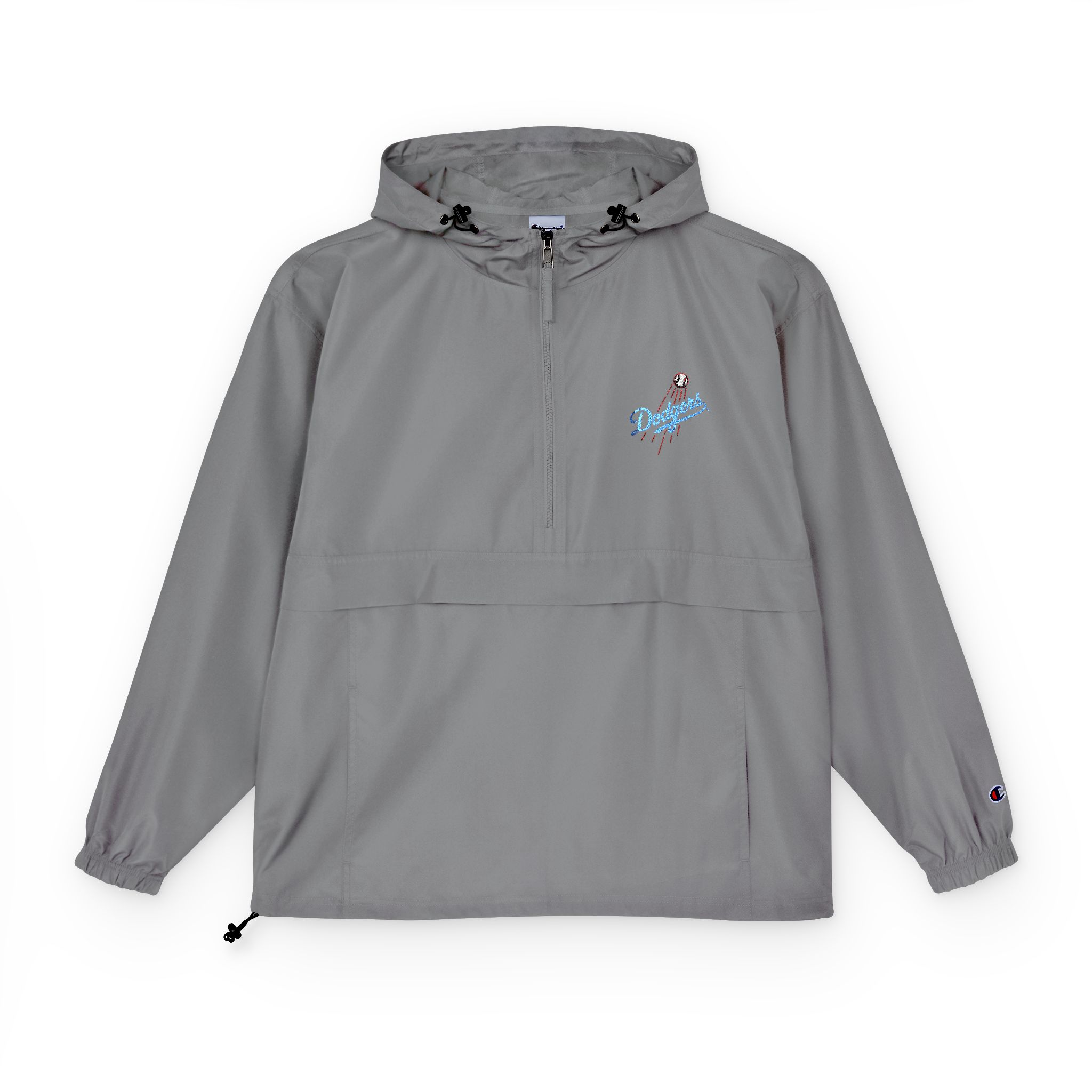
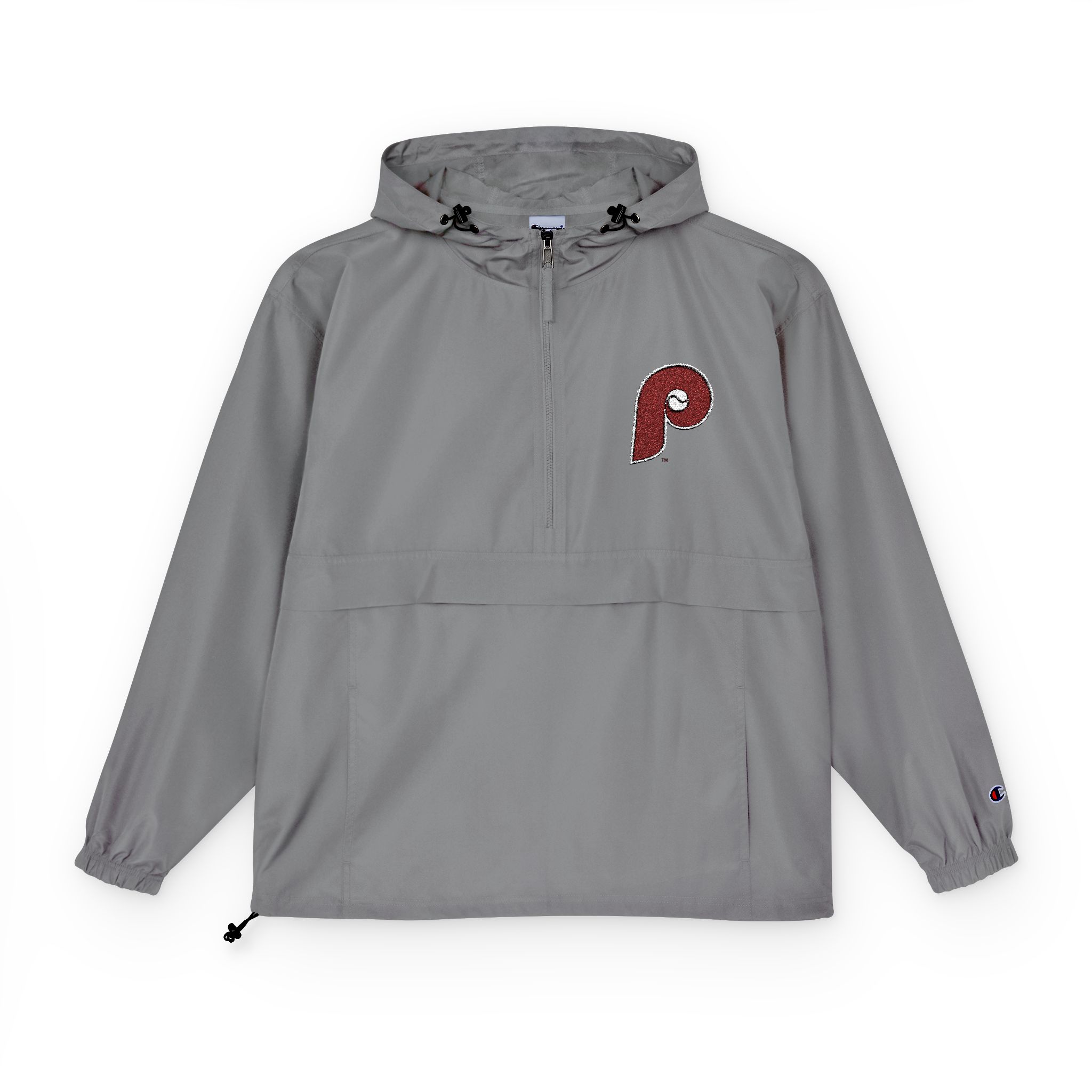
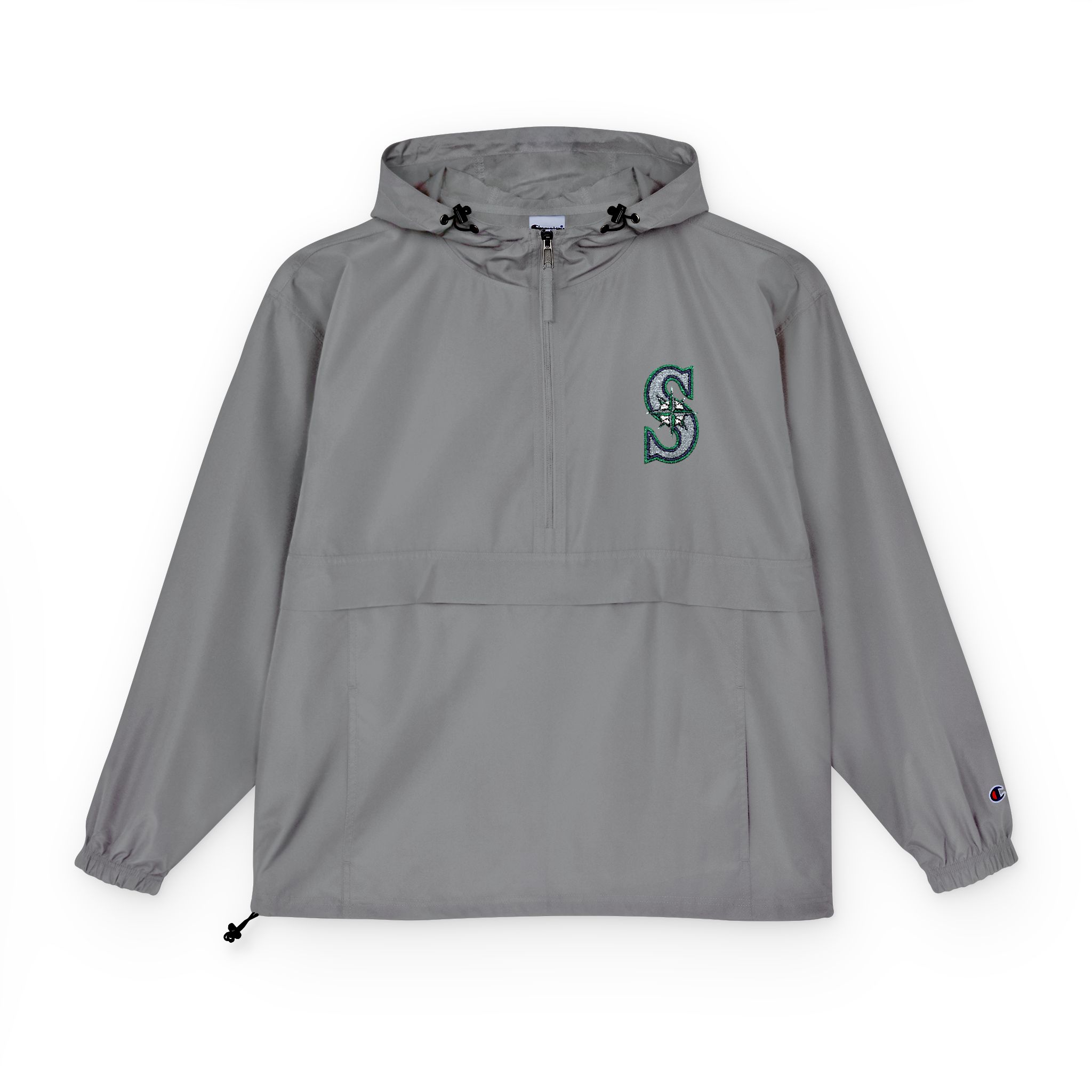
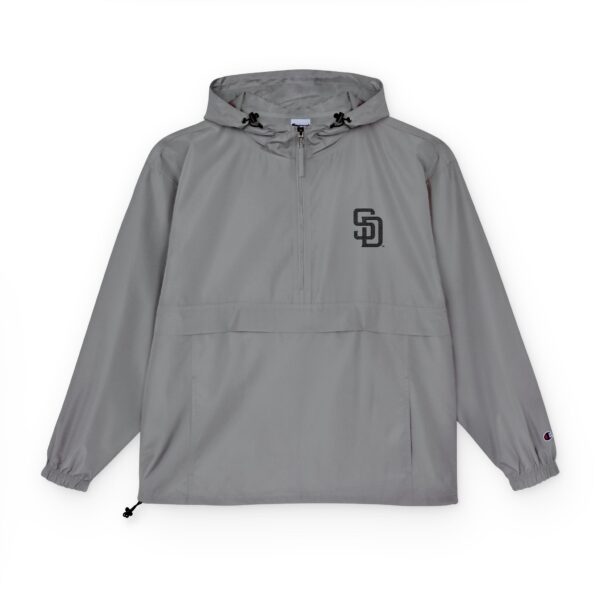
The Pro Merch MLB catalog with 885 licensed products across all 30 franchises is organized to serve both of those fan experiences with equal depth and equal commitment to quality. The anchor products that define the collection give every fan in every market access to licensed gear that reflects the standard of what Pro Merch carries across every sport it covers. The Champion Unisex Packable Anorak Jacket, priced from $69.98 to $73.97 depending on team and size, is the definitive outerwear piece for the baseball fan who wants to represent their team in something that holds up in any context. Lightweight enough to pack into a bag for a day game, durable enough to wear through a full season of outdoor baseball, and designed with the color accuracy and graphic treatment that distinguish genuine Champion products from mass-market alternatives, the Anorak is available across the catalog for teams including the Los Angeles Dodgers, San Diego Padres, San Francisco Giants, Colorado Rockies, and Arizona Diamondbacks, with the full catalog expanding throughout the season.
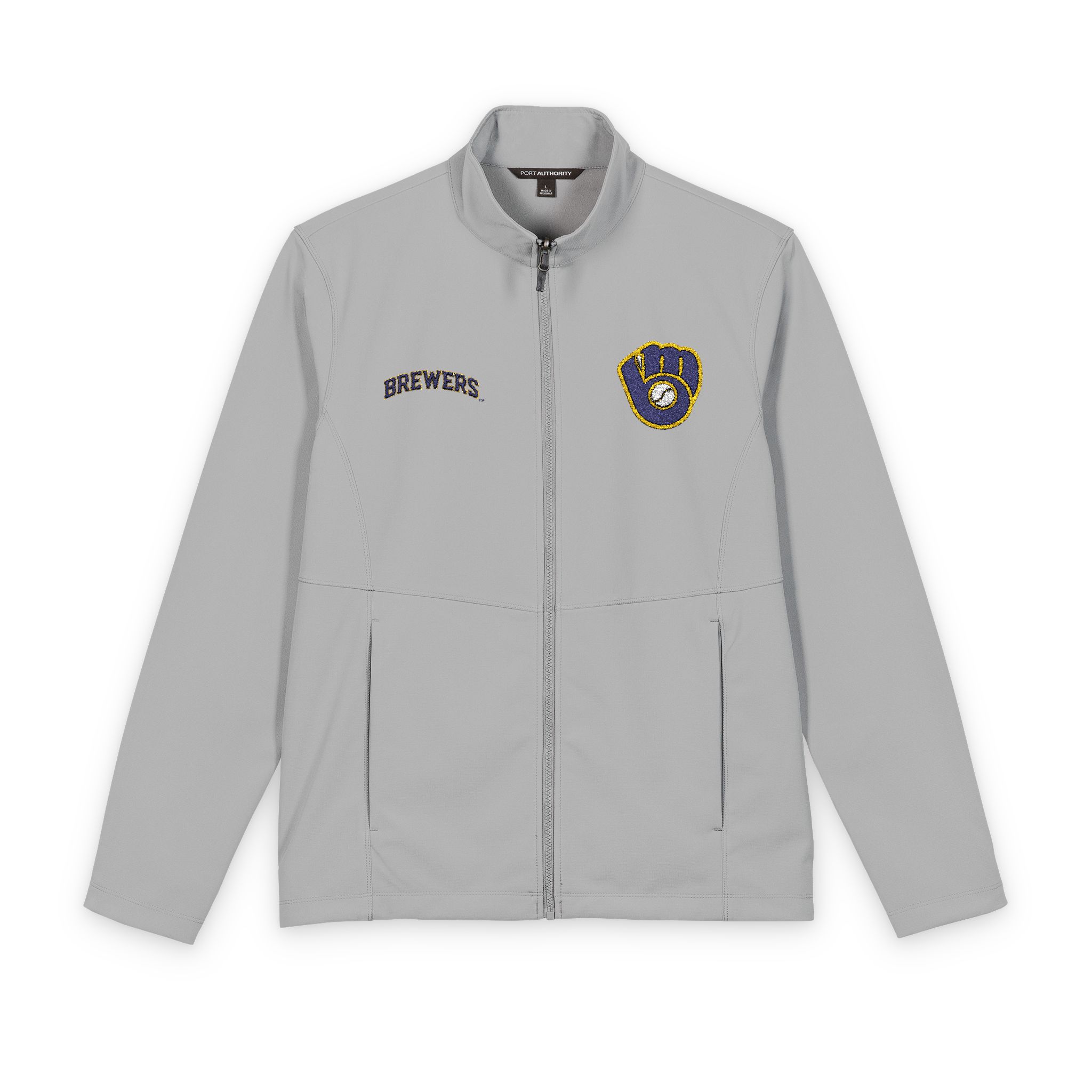
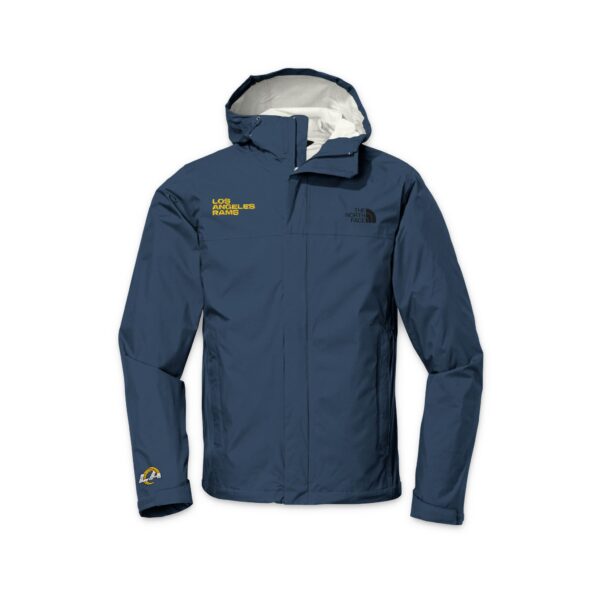
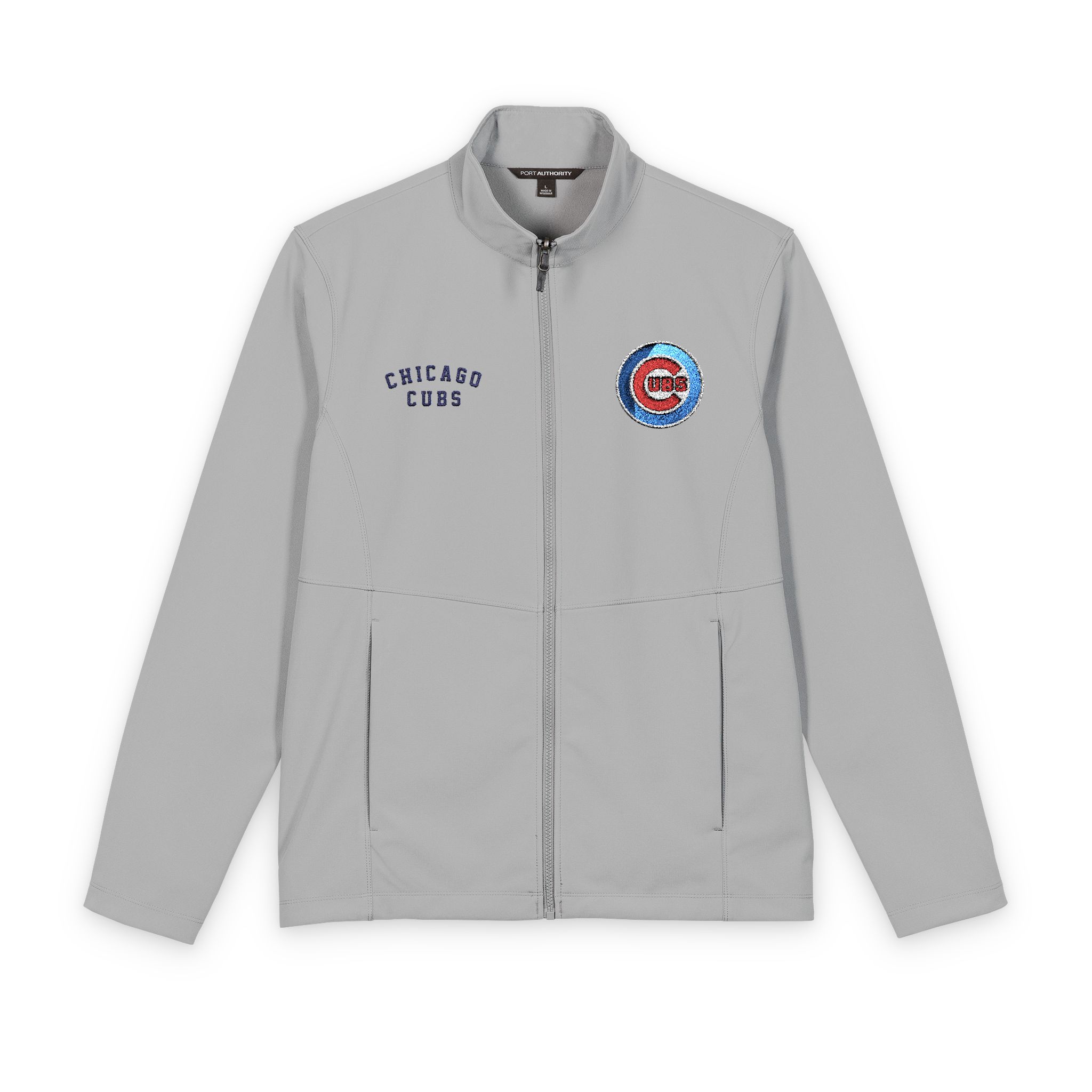
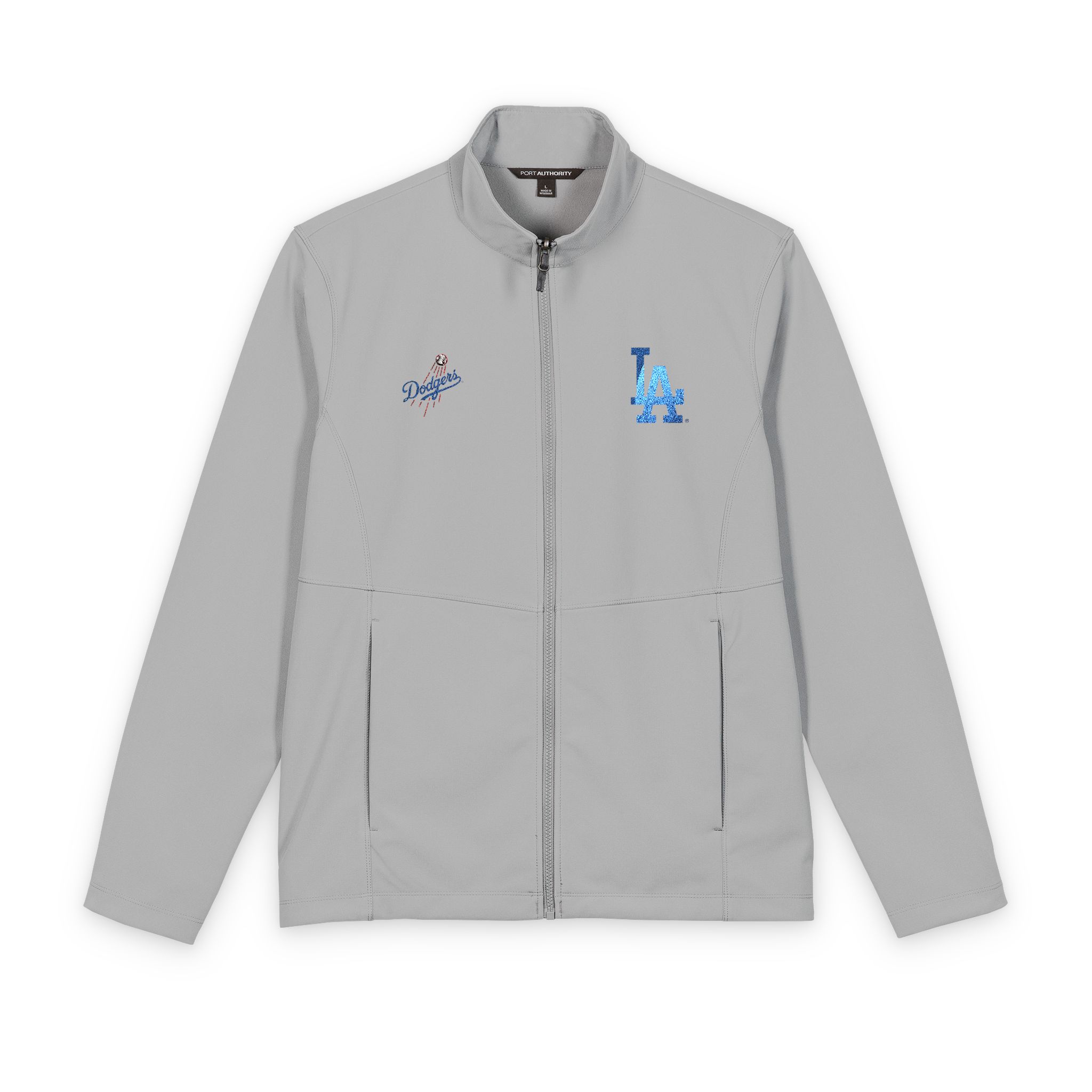
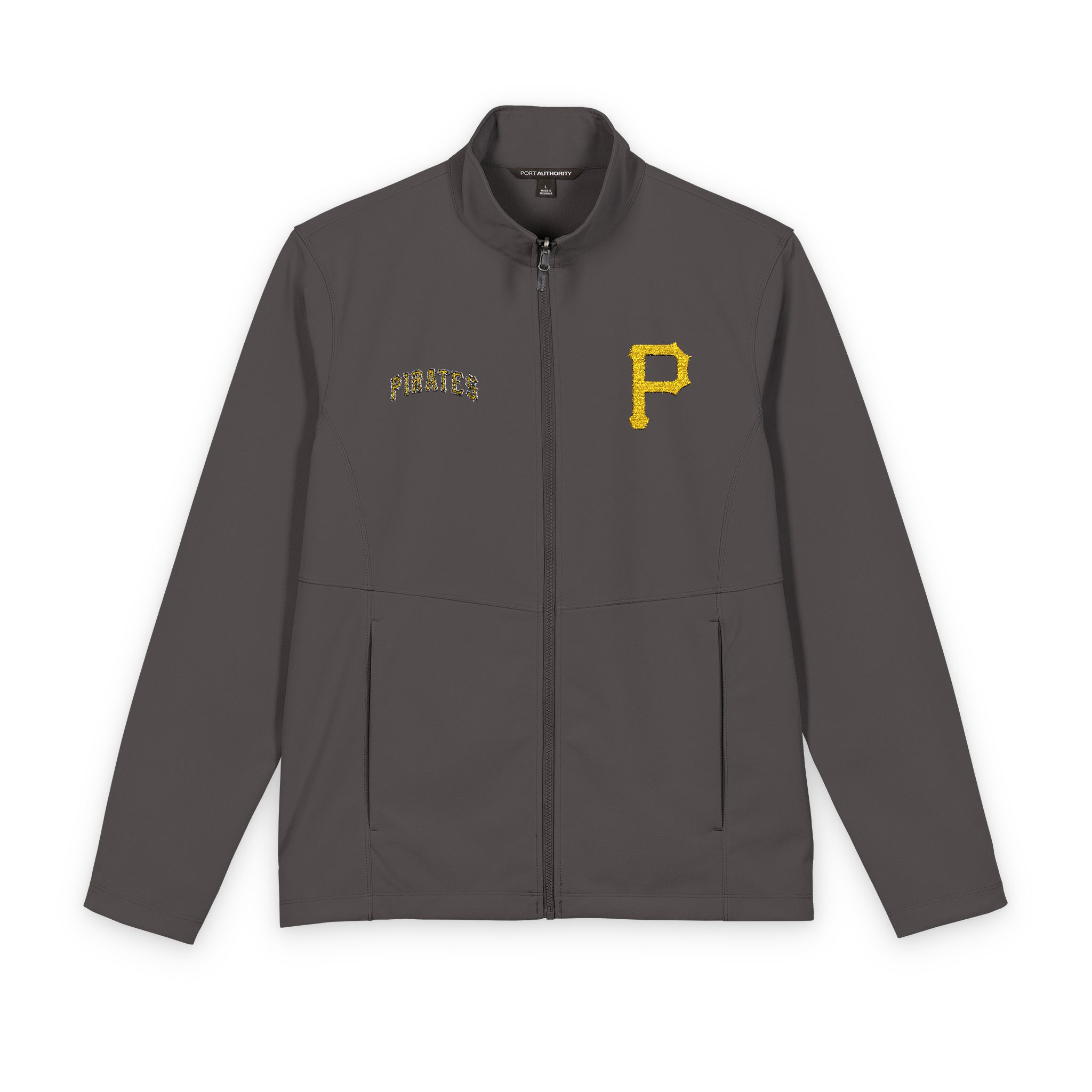
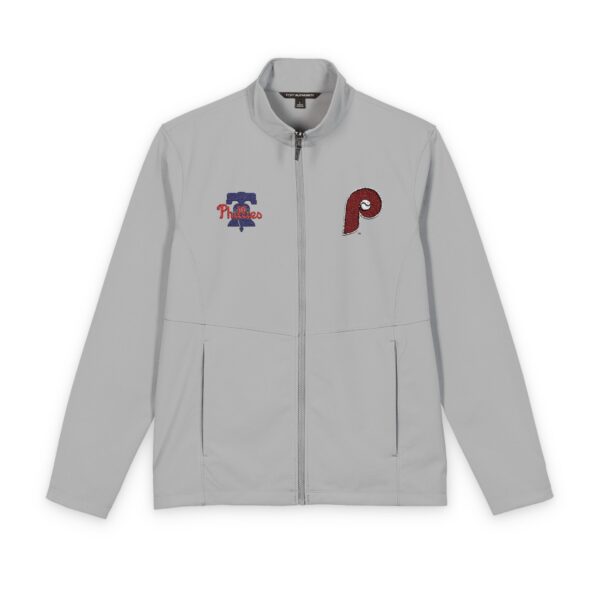
The Port Authority Men’s Collective Soft Shell Jacket at $89.99 to $104.22 sits at the premium tier of the outerwear catalog, a structured and polished piece that translates from the ballpark to a professional environment without losing the team identity that makes it worth wearing. Both lines serve the fan who wants something worth owning for the long term rather than a disposable souvenir, and both are available in multiple size variants through the individual product pages.
Every franchise with a stake in the 2026 deadline has a fully stocked section in the Pro Merch MLB catalog. The Detroit Tigers, whose Skubal decision is consuming the industry. The San Diego Padres, weighing their Miller options. The Tampa Bay Rays, most consistently linked to the biggest prize. The New York Yankees, pursuing Miller and Heim simultaneously. The Milwaukee Brewers, checking in on both Skubal and Miller. The Chicago Cubs, building a Peralta package. The Atlanta Braves, searching for rotation depth while considering Minter’s availability. The Boston Red Sox, riding a wild-card position and pursuing Zach Neto for the middle infield. The New York Mets, navigating the Peralta and Holmes conversations from the seller’s side. The Toronto Blue Jays, trending toward full seller mode with Gausman as the primary asset. The Los Angeles Angels, opening the vault with Detmers, Soriano, and Neto all available. The Pittsburgh Pirates and Seattle Mariners as identified Miller suitors. The San Francisco Giants as the Arráez seller and a team watching Heliot Ramos enter the conversation. The Oakland Athletics, moving Heim to a catching-needy contender. And the Minnesota Twins, whose Joe Ryan situation adds yet another starting pitcher dimension to a market already loaded with rotation options.
Nine days. Every phone in every front office is ringing. Every prospect list in every organization is being revisited. Every contender is calculating whether the pieces it has are enough to go deep in October or whether one more arm, one more bat, one more proven playoff performer changes the probability in a meaningful way. And every fan of every team is watching all of it unfold in real time, with the specific mixture of hope and anxiety that baseball’s trade deadline always produces and that no other annual event in any sport quite replicates. The gear to mark where your team stands is at Pro Merch. Shop the full MLB collection and the complete store at Pro-Merch.com. The deadline does not wait, and neither should you.
Baseball threw a birthday party in Philadelphia, and the American League showed up with champagne. The 96th MLB Midsummer Classic, played Tuesday night at Citizens Bank Park in front of 43,916 fans celebrating both baseball and the 250th anniversary of the signing of the Declaration of Independence, delivered a result that nobody fully anticipated and a performance by the game’s pitchers that will be discussed for years as one of the most dominant exhibitions of run prevention in All-Star Game history. The American League beat the National League 4-0, recording the first All-Star Game shutout since 2013, holding the Senior Circuit to just three singles and two walks across nine innings, striking out 15 batters with ten of the eleven AL pitchers used recording at least one strikeout, and never once allowing a runner to reach second base. Cody Bellinger of the New York Yankees was named the All-Star Game MVP after delivering a two-run single in the decisive first inning, driving in the first two runs of a game that was effectively over before most viewers had settled in with their second drink. It was the American League’s eleventh win in the last thirteen Midsummer Classics, a chapter in a decades-long trend of Junior Circuit dominance that shows no sign of reversing itself. And for Philadelphia, a city that hosted All-Star Week with the specific passionate energy that only Philadelphia brings to anything it loves, the week closed on a bittersweet but undeniably memorable note: the home team lost the game, but the city won the occasion. Pro Merch, the premier destination for officially licensed MLB merchandise across all 30 franchises and 885 products, is where every fan from every team in this game finds the gear to honor the moment.
This is the full story of the 2026 MLB All-Star Game. Every inning, every performance, every moment that made Tuesday night at Citizens Bank Park an evening worth remembering.
The First Inning That Decided Everything
Baseball’s Midsummer Classic has a long tradition of being decided in a single inning, a single swing, a single moment of execution that shifts the entire weight of the evening before the crowd has fully processed what it is watching. The 2026 edition delivered exactly that, and it did so in the most direct way possible: the American League scored three times in the top of the first inning against the hometown starter, the Philadelphia Phillies ace Cristopher Sanchez, and that was the end of the competitive suspense, if not the competitive drama.
The sequence that produced those three runs is worth understanding in full because it captures something about how the AL manufactured its advantage with a precision and a situational intelligence that exhibition games do not always produce. Yordan Alvarez reached on a single. Shea Langeliers and Bobby Witt Jr. both worked walks, loading the bases against a Sanchez who was laboring through a first inning that ultimately required 34 pitches, a significant total for any pitcher in any situation and an especially telling one for a starting pitcher who had been given the ball in front of his home crowd for what was supposed to be a celebration. With two outs and the bases loaded, Cody Bellinger stepped in against Sanchez and lined a sharp single to center field, scoring two runners. His teammate Ben Rice followed immediately with his own single through the middle, scoring a third. Three runs, two singles, a Yankee double tap in the top of the first inning of the All-Star Game, in the Phillies’ own stadium, against the Phillies’ own ace, with the city of Philadelphia watching in stunned silence before the National League had recorded a single out. The 3-0 deficit that the NL dug itself in that half-inning proved to be an insurmountable hole not because the deficit was arithmetically enormous, but because the pitching that followed never gave the NL hitters the slightest opportunity to climb out of it.
Bellinger’s key hit was more than a box score line. It was the punctuation mark on what has been one of baseball’s quieter but more genuinely compelling comeback stories in recent seasons. His own reflection on the evening captured the feeling precisely: the early years of promise, the All-Star selections that seemed routine at the time, the years of struggle and inconsistency that followed, the long road back to competitive health and consistent performance, and now a Midsummer Classic MVP award in one of baseball’s most iconic settings. The New York Yankees section at Pro Merch carries licensed gear for a franchise whose All-Star representative delivered the biggest hit of the evening, and Yankees fans have every reason to feel the specific pride of knowing their man was the one who made the night matter.
The Pitching Performance That Rewrote the Record Books
If Bellinger’s first-inning single was the offense of the evening, the American League pitching staff was the story, and it is a story that deserves to be told in full because what those eleven pitchers accomplished over nine innings is genuinely rare in the history of the sport’s exhibition showcase.
Eleven AL arms combined to hold the National League to three singles and two walks. Not three hits of various types. Three singles, which represent the second fewest hits allowed in All-Star Game history. The NL struck out fifteen times, one short of the nine-inning All-Star Game record of sixteen. Not a single National League runner reached second base across the entire nine innings. The pitchers were not dominant in the vague, impressionistic way that color commentary sometimes uses the word; they were dominant in the precise, statistical, historically verifiable way that leaves no room for qualification. The AL’s pitching staff on Tuesday night in Philadelphia was the most effective collection of arms ever assembled in a single All-Star Game, with the possible exception of games in which the record of sixteen strikeouts was established.
Nick Martinez of the Tampa Bay Rays handled a clean fifth inning and reflected afterward on the collaborative nature of what the AL staff accomplished, crediting the pitchers ahead of him for the strategic foundation that allowed each successive arm to deploy his best pitch in the most favorable count. Foster Griffin, who spent three years pitching in Japan before returning to make his name in the American major leagues, handled a fifth-inning frame with the composure of a veteran, retiring the side in order in what represented one of the more personally meaningful moments of the evening for a pitcher whose journey back to this stage was neither straight nor guaranteed. Mason Miller registered 102 mph on the radar gun to fan Munetaka Murakami in what was one of the more visually arresting individual moments of the game. Aroldis Chapman and Bryan Baker handled the ninth with no resistance, with Baker, in his first-ever All-Star Game appearance, getting the final out to close the shutout. The Boston Red Sox section at Pro Merch carries gear for the franchise whose closer Chapman finished what proved to be an extraordinary collective pitching achievement.
The National League’s lone offensive moment of consequence came in the fourth inning, when Juan Soto singled to break up what had been a no-hit bid through the first three frames. Soto’s hit was among the most celebrated moments of the evening for the Citizens Bank Park crowd, which needed something to cheer about and accepted a routine single as the appropriate occasion. Pete Crow-Armstrong added a single later in the game, and a third hit completed the NL’s three-hit total for the night, but none of the three led to any productive offensive sequence. The pitching simply would not allow it.
Jordan Walker Wins the Home Run Derby, Kyle Schwarber Finishes Second, and Philadelphia Gets a Memorable Week Either Way
The All-Star Game result needs to be understood in the context of the full week that preceded it, because the complete picture of Philadelphia’s Midsummer Classic is considerably richer than a single final score. The Home Run Derby on Monday night produced its own drama, its own story, and its own Philadelphia-flavored emotional experience that the crowd will be discussing alongside the game result for years.
Kyle Schwarber of the Philadelphia Phillies, the hometown favorite competing in his own park in front of his own crowd with 32 home runs entering the event and the second-most homer-friendly environment in baseball for left-handed hitters working in his favor, made it to the Derby final. The city’s investment in his success was total and audible. He came within one home run of winning, ultimately falling 12-11 to Jordan Walker of the St. Louis Cardinals in a final that required every bit of the competitive quality both players brought to the event. Walker’s 22 regular-season home runs entering the Derby had made him one of the less-heralded participants in the field on paper, and his victory over the hometown slugger in what proved to be a genuinely narrow final is the kind of result that the Derby occasionally produces and that makes the event feel like a real competition rather than a predetermined showcase. The St. Louis Cardinals section at Pro Merch carries gear for the franchise whose young outfielder just won the most publicly watched Home Run Derby in recent memory. And while Philadelphia’s crowd experienced the specific frustration of watching Schwarber finish second, the Phillies section at Pro Merch carries gear for a player and a franchise that delivered two consecutive evenings of genuine drama and entertainment.
Mike Trout Returns, Junior Caminero Exits, and the All-Star Week Storylines That Ran Beyond the Box Score
The 2026 All-Star Game was, like all Midsummer Classics, as much about the narrative threads running through it as about the final score, and several of those threads were compelling enough to discuss independently of the pitching dominance and Bellinger’s MVP performance.
Mike Trout made his first All-Star Game appearance since 2019, a fact that requires a moment’s consideration to fully appreciate. Trout is a twelve-time All-Star selection, a player whose career rate statistics place him among the three or four best position players in the history of the sport, and who has spent the years since 2019 battling a series of injuries that have robbed both him and the sport of the performances they deserve. His selection for the 2026 game was not a sentimental gesture; it reflected genuine production in a season where his health has finally allowed him to demonstrate, again, what everyone who has watched him play always knew he was capable of. The AL manager, Toronto Blue Jays skipper John Schneider, placed Trout near the top of the lineup in what appeared to be a deliberate act of respect for a player the Citizens Bank Park crowd greeted with a standing ovation. He went 0-for-3 on the night, dropping his career All-Star batting average to an still-exceptional .350. The 0-for-3 performance will register nowhere in the larger ledger of what Trout’s career represents, and the ovation he received before his first at-bat was one of the more purely baseball moments of the evening. The Los Angeles Angels section at Pro Merch carries gear for the franchise whose greatest player came back to the All-Star stage in 2026 and was welcomed accordingly.
The health scare involving Junior Caminero of the Tampa Bay Rays was the evening’s most alarming moment. Caminero, who had been one of the most dynamic participants in the Home Run Derby the previous night and who entered the game as arguably the most exciting young player in the American League, took a 97 or 98 mph Riley O’Brien sinker directly to his left hand in the third inning. He dropped to the ground immediately, crumpled by the impact of a baseball traveling at nearly 100 miles per hour against his hand, and departed for X-rays. The crowd’s silence during those moments reflected the genuine concern that tends to override everything else in any professional sports setting when a player is hurt, and the fact that the injury appeared to affect his left rather than his throwing hand provided some initial comfort. The Rays and their fans will be following his recovery closely in the days ahead. Tampa Bay Rays fans at Pro Merch are hoping for good news.
Shohei Ohtani, whose knee irritation kept him out of the All-Star Game despite his status as the leading vote-getter among National League position players, was another significant absence. Aaron Judge and Nick Kurtz of the Oakland Athletics also missed the game due to injury. The accumulation of absences meant that the AL roster, in particular, was missing several of its headlining names, which makes the completeness and dominance of the pitching performance even more striking in retrospect. The staff that held the NL to three hits and fifteen strikeouts did so without the full complement of star power that the original rosters had promised.
The evening included moments that extended well beyond the game itself. Kevin Durant was spotted in the crowd, shaking hands with Murakami and Travis Bazzana in an encounter that illustrated both Durant’s well-documented love of baseball and the visual comedy of a 6’11” NBA star making two professional athletes look small by comparison. Jennifer Hudson performed “America the Beautiful” before the game. Boyz II Men performed “I’ll Be There” during the “Stand Up To Cancer” moment in the middle innings. A tribute to “The Sandlot” was incorporated into the evening’s celebrations, nodding to the film’s status as one of American baseball culture’s most beloved artifacts. The fireworks that lit up the Philadelphia skyline throughout the night were visible from the stadium, adding to what the game’s broadcaster described as a genuine birthday bash for a sport and a nation celebrating simultaneously.
Miguel Vargas of the Chicago White Sox added a 433-foot solo home run in the eighth inning off Justin Wrobleski of the Los Angeles Dodgers, extending the AL lead to 4-0 and providing the evening’s only extra-base hit, which came to represent the moment when even the most optimistic NL supporters accepted that the shutout was the story. Vargas joins a small and distinguished list of White Sox players to homer in an All-Star Game, a list that includes Frank Thomas in 1995 and Magglio Ordonez in 2001. For a franchise and a fanbase that has had limited occasion to celebrate in recent seasons, a White Sox All-Star homer in Philadelphia on America’s 250th birthday is the kind of moment worth marking.
The Pro Merch MLB Collection: All 30 Teams, 885 Products, and the Gear to Mark Everything That Happened This Week
All-Star Week in Philadelphia delivered what the best editions of this event always deliver: a week of baseball that transcended the standings, the playoff races, and the individual team narratives that dominate the other 162 games of the season, and created something that belonged to everyone who loves the sport regardless of which team they root for. The Home Run Derby final between Schwarber and Walker, the pitching masterclass by eleven AL arms, Bellinger’s MVP performance, Trout’s return to the All-Star stage, Caminero’s injury scare, the birthday celebration of a country through the lens of its national pastime: these are moments that exist outside any single franchise’s story and that every baseball fan owns equally.
Pro Merch carries the merchandise for all of it. The MLB section at Pro Merch covers all 30 franchises with 885 licensed products, from the anchor outerwear pieces that define the premium tier of the collection to the full range of officially licensed fanwear for every team that participated in this week and every team whose fans were watching from home. The Champion Unisex Packable Anorak Jacket, priced from $69.98 to $73.97, delivers the kind of lightweight, packable, accurately branded outerwear that belongs in the stadium bag of any serious baseball fan. The Port Authority Men’s Collective Soft Shell Jacket, priced from $89.99 to $104.22, is the structured, polished piece for the fan who wants team representation in something that holds up in any environment without qualification. Both lines are available across the catalog for teams including the Los Angeles Dodgers, San Diego Padres, San Francisco Giants, Colorado Rockies, and Arizona Diamondbacks, with the full 30-team catalog expanding throughout the season.
Pro Merch, a division of Sunset Entertainment & Media, has built the most comprehensive officially licensed sports merchandise catalog available from any single online retailer, spanning not just MLB but the NFL across all 32 franchises, the NBA, the NHL with its WHA vintage section, the NCAA across every major conference with dedicated HBCU coverage, the MLS across all 29 active clubs, the Premier League, the FIFA World Cup 2026 collection with 73 products, and the Negro Leagues collection honoring 14 legendary franchises whose players are now officially part of baseball’s all-time statistical record. Every product in the catalog reflects the same standard: quality merchandise from brands that have earned the trust of the people who wear their products, at price points that reflect genuine value, for fans who take their teams as seriously as the teams take themselves.
The 2026 All-Star Game at Citizens Bank Park is over. The American League won. Cody Bellinger is the MVP. Eleven pitchers combined for a shutout that the record books will remember for a long time. Philadelphia hosted an event that the city and the sport will remember together. And the second half of the baseball season begins now, with every team in every division carrying fresh motivation and fresh context from three days in Philadelphia that reminded everyone why this sport, with all its complexity and all its history and all its capacity for unexpected results, is worth caring about the way baseball fans do. Shop the full MLB collection at Pro Merch and the complete store at Pro-Merch.com.

 Cart is empty