 Cart is empty
Leclerc Leads FP1 in Austin as Verstappen Lurks
Ferrari’s upgraded aero package sets the pace at the Circuit of the Americas, with a title bid brewing at Mercedes.
Practice sessions are underway at the Circuit of the Americas in Austin, Texas, for the United States Grand Prix. Charles Leclerc topped the charts for Ferrari in the first free practice session (FP1) earlier today, edging out championship contender Max Verstappen.
Running an upgraded aerodynamic package on his Ferrari, Leclerc posted a session-best lap of 1:36.052. Verstappen finished a close second for Red Bull, just 0.084 seconds off the pace, despite reporting a minor steering friction issue early on.
FP1 by the Numbers
Top Five & Their Gear
Charles Leclerc
Fastest in FP1 with an upgraded aerodynamic package on his Ferrari.
Max Verstappen
Just 0.084 seconds off the pace despite reporting a minor steering friction issue early on.
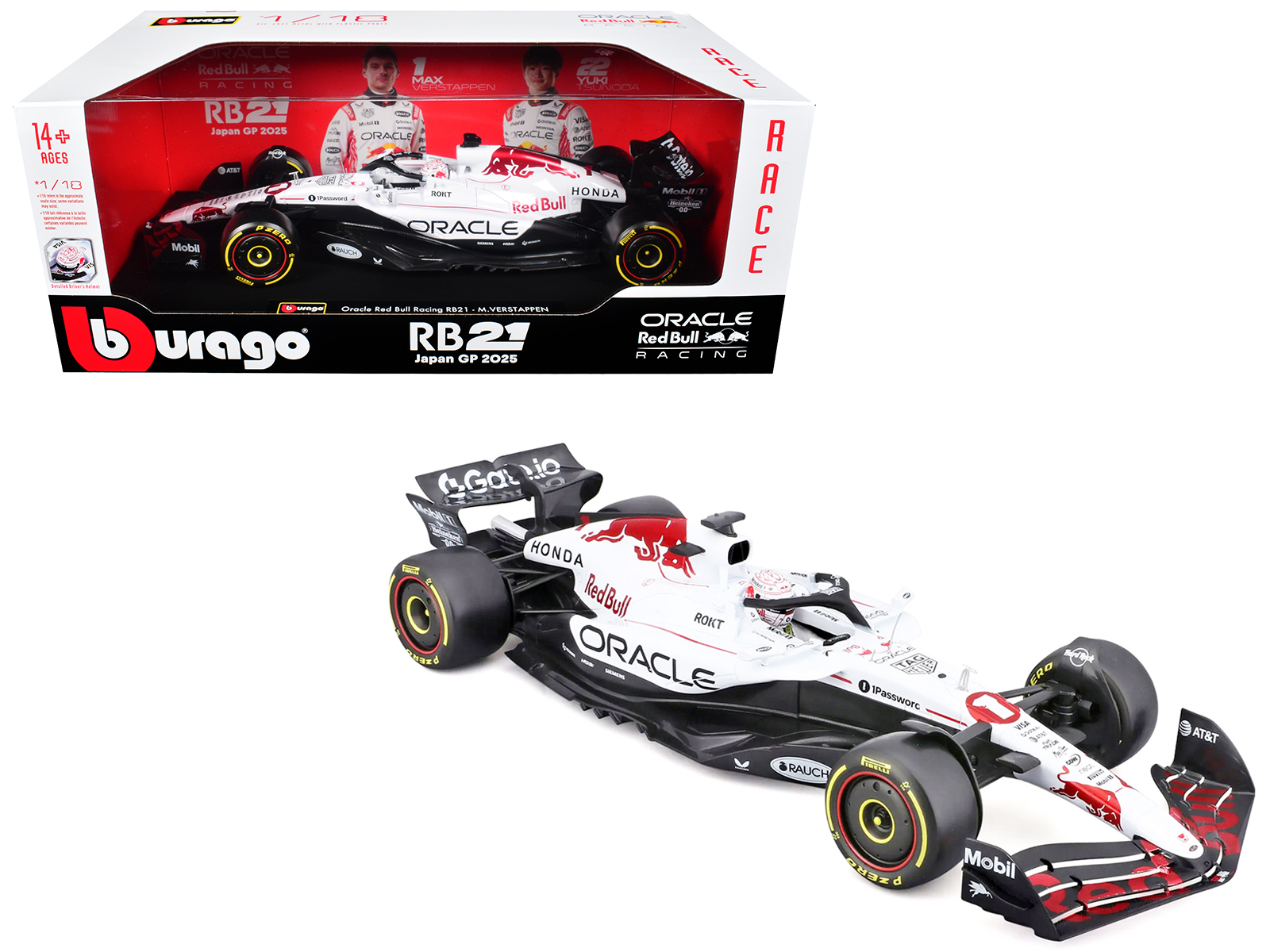
Red Bull Racing RB21 #1 Max VerstappenJapanese GP 2025 · 1/18 diecast · BburagoFrom $88.39
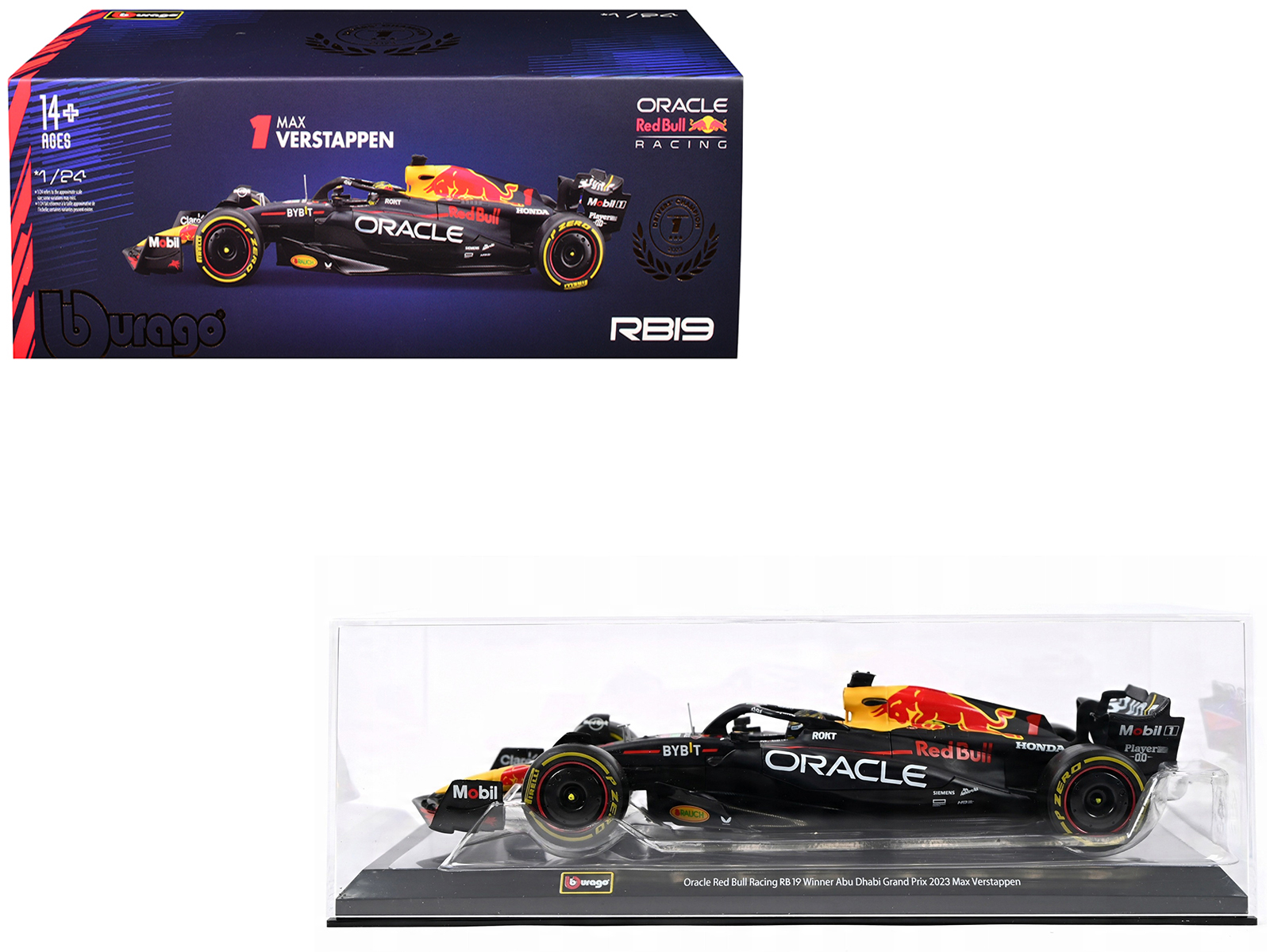 Red Bull Racing RB19 #1 Max Verstappen1/24 diecast · BburagoFrom $46.66
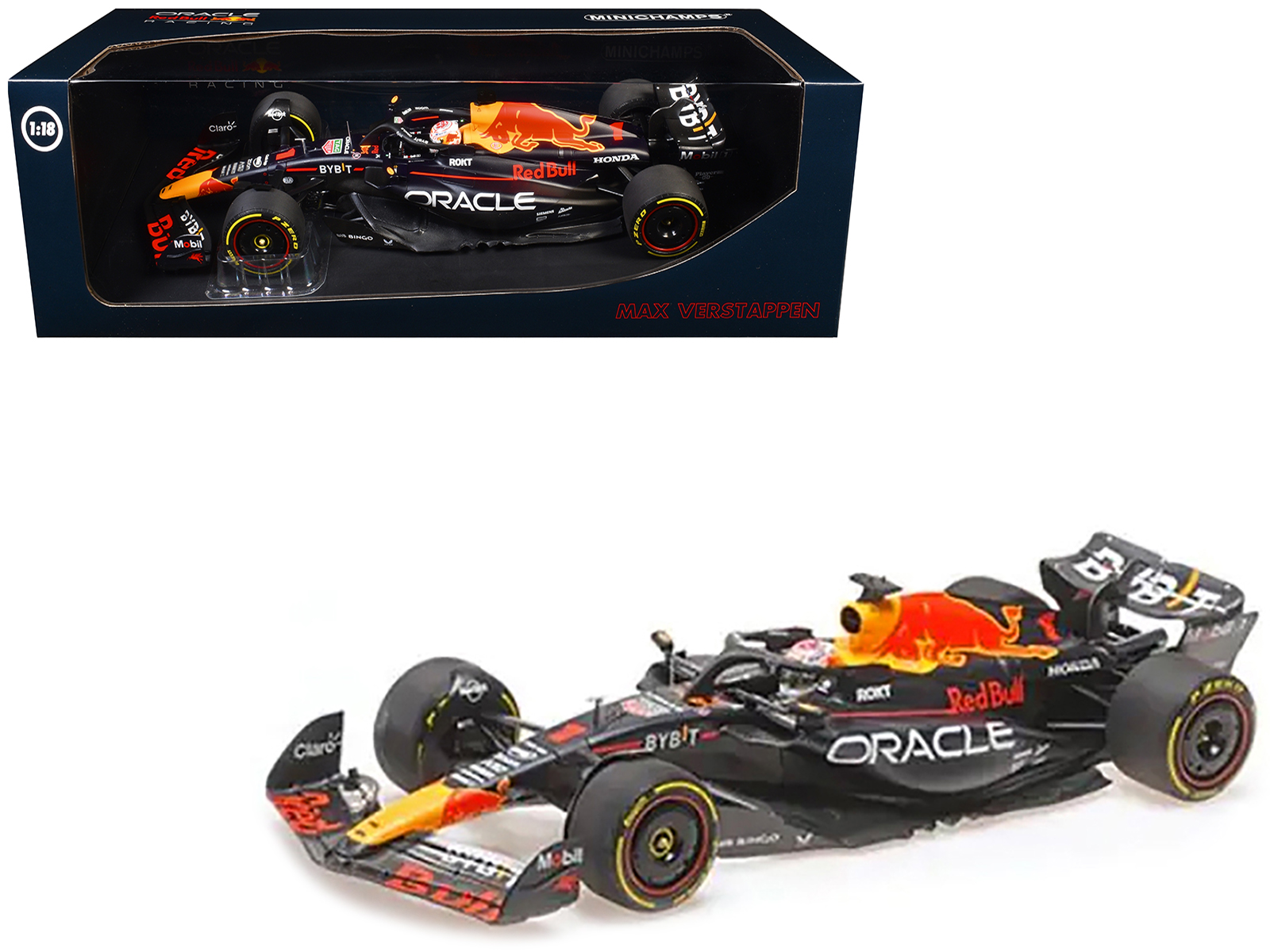 Red Bull Racing RB19 #1 Max VerstappenJapanese GP 2023 · 1/18 diecast · MinichampsFrom $236.59
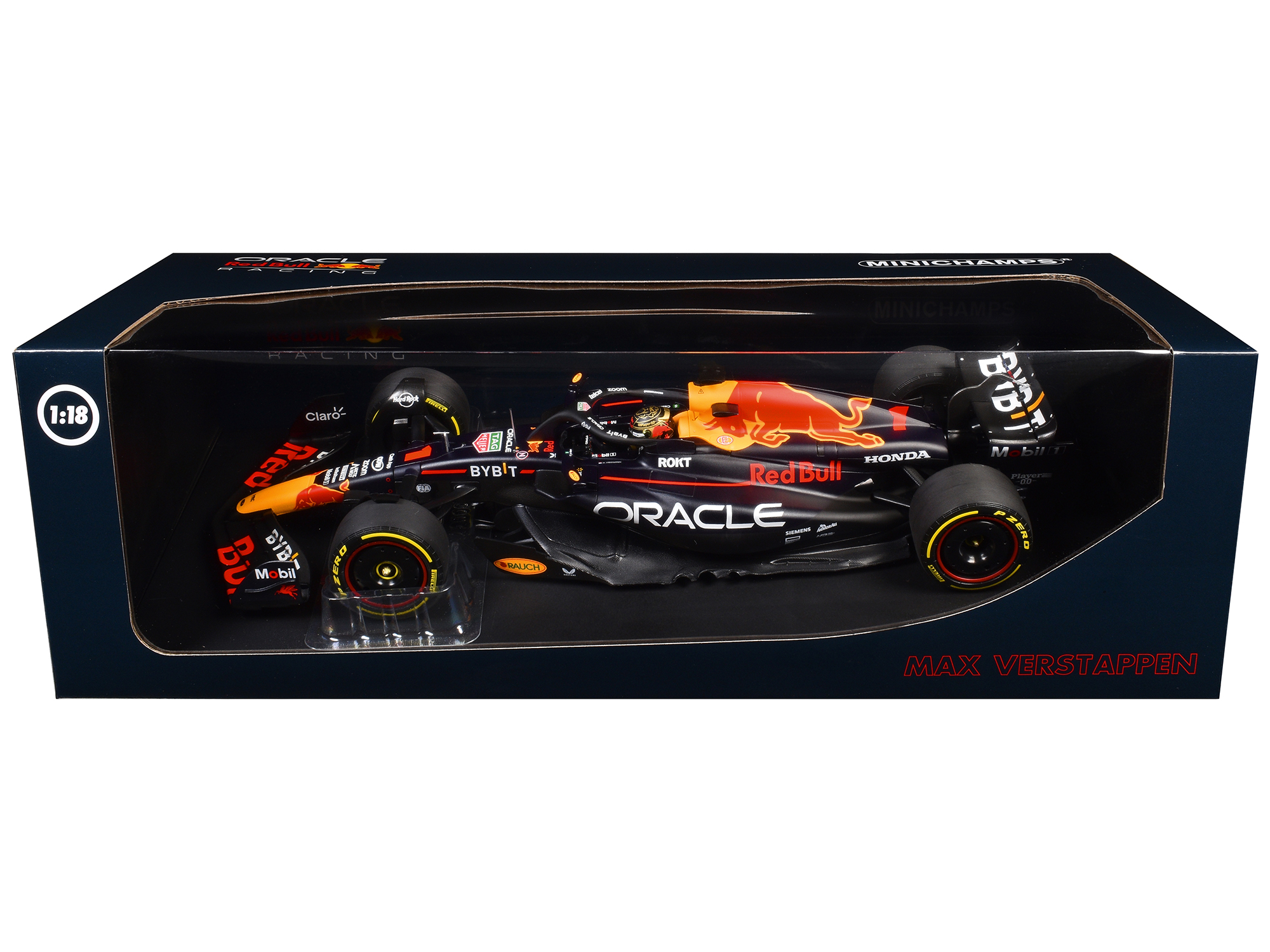 Red Bull Racing RB19 #1 Max VerstappenAbu Dhabi GP 2023 · 1/18 diecast · MinichampsFrom $236.59
Lando Norris
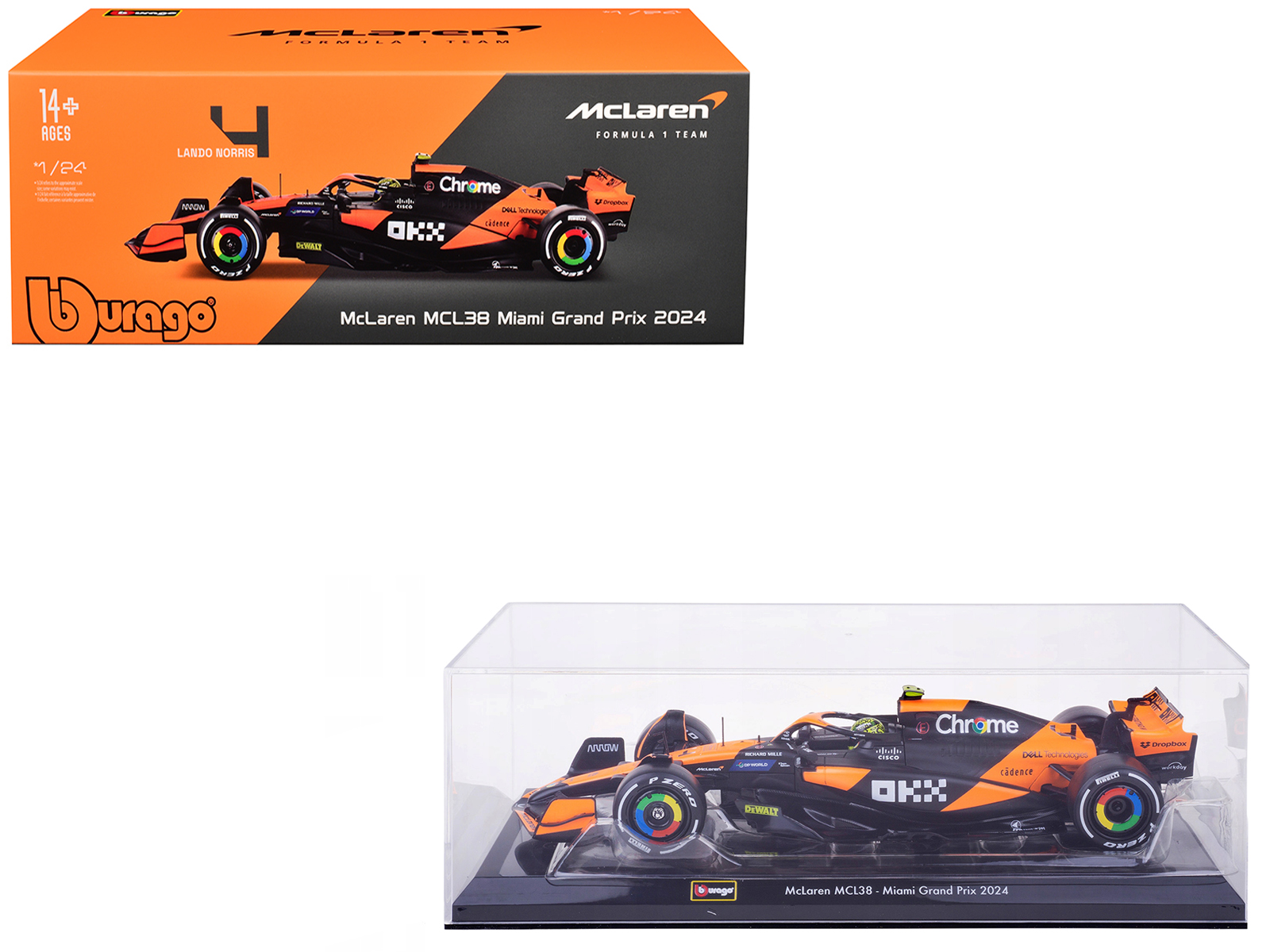
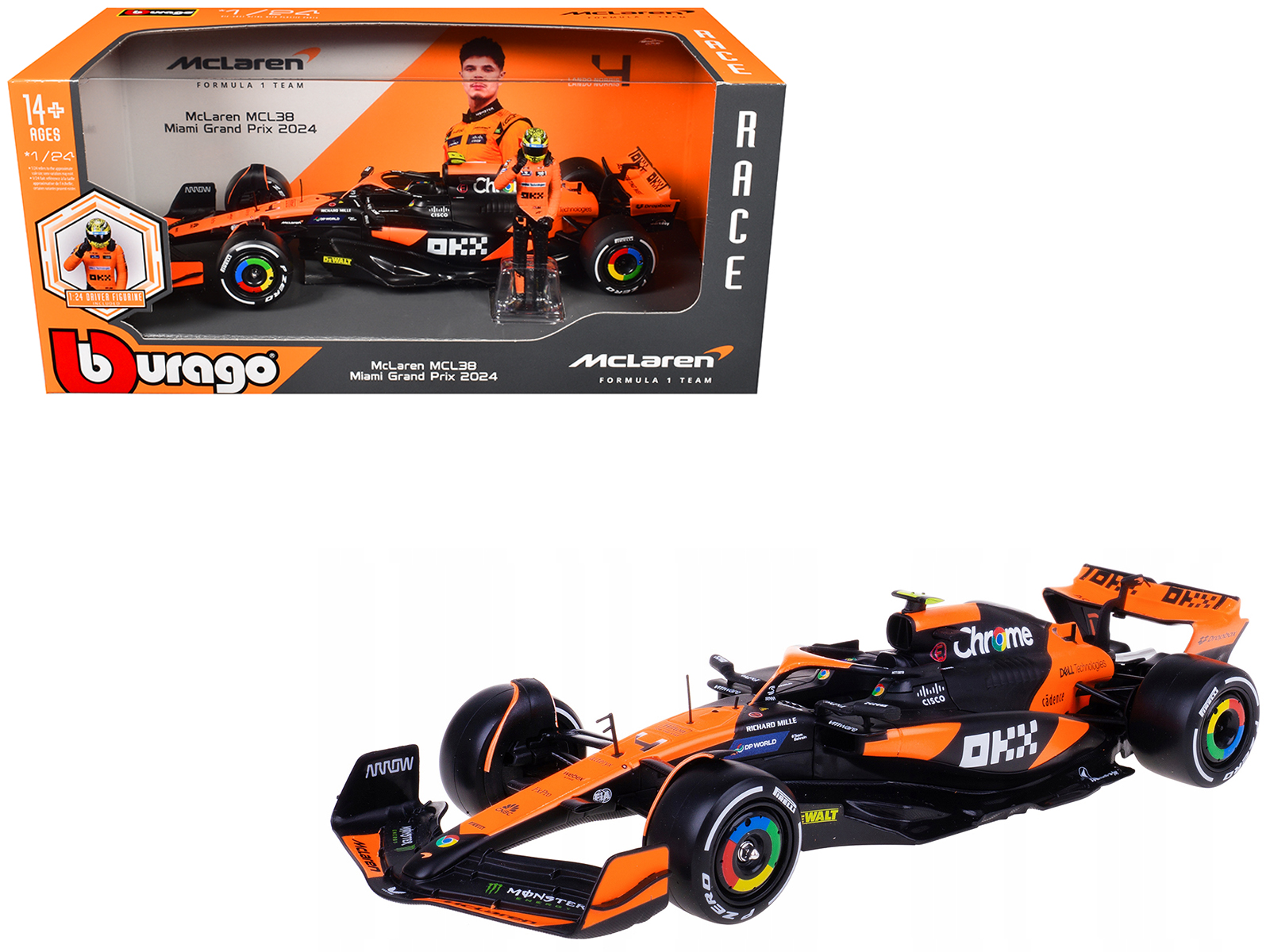
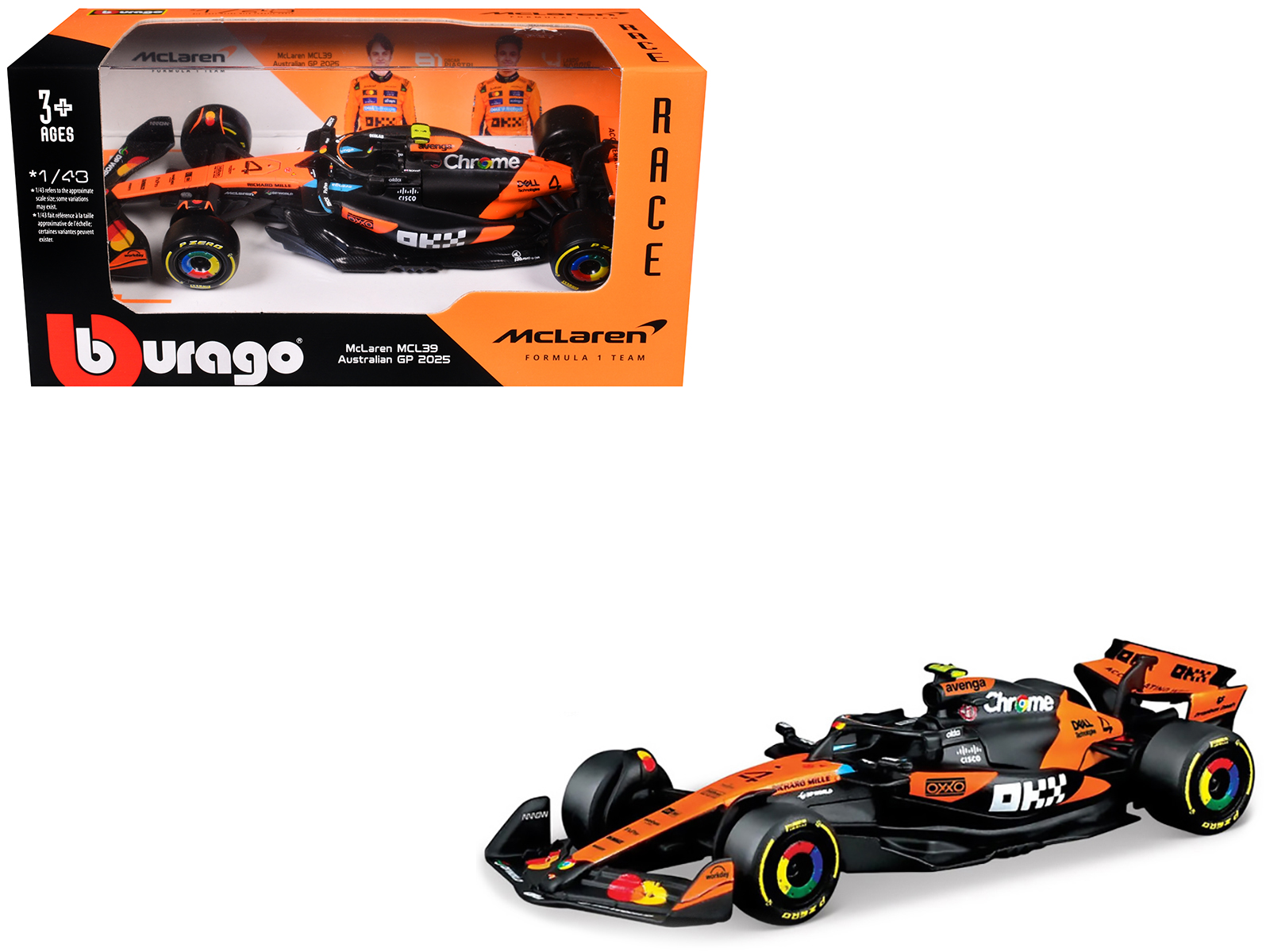
McLaren’s Norris rounds out the top three.
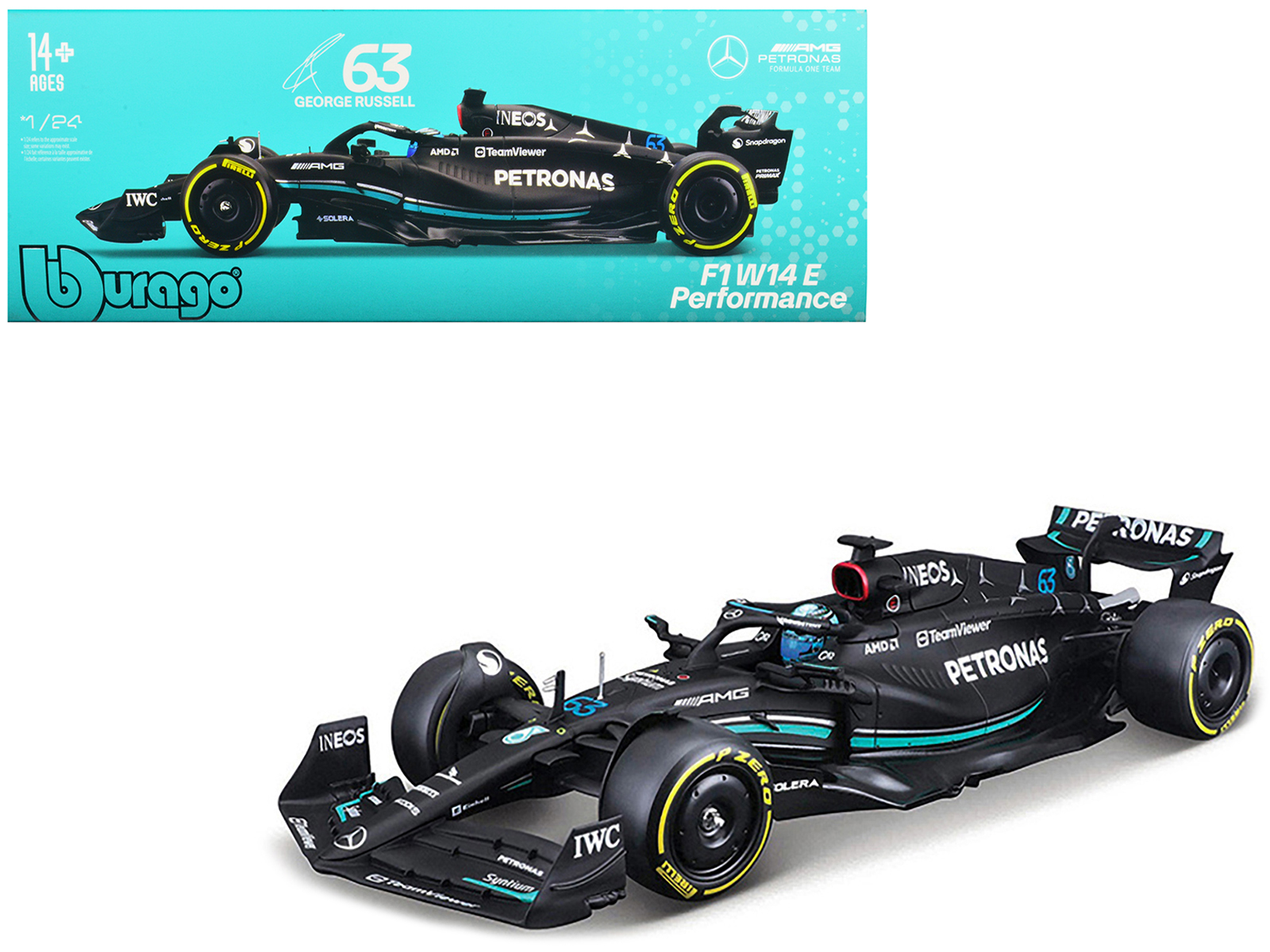
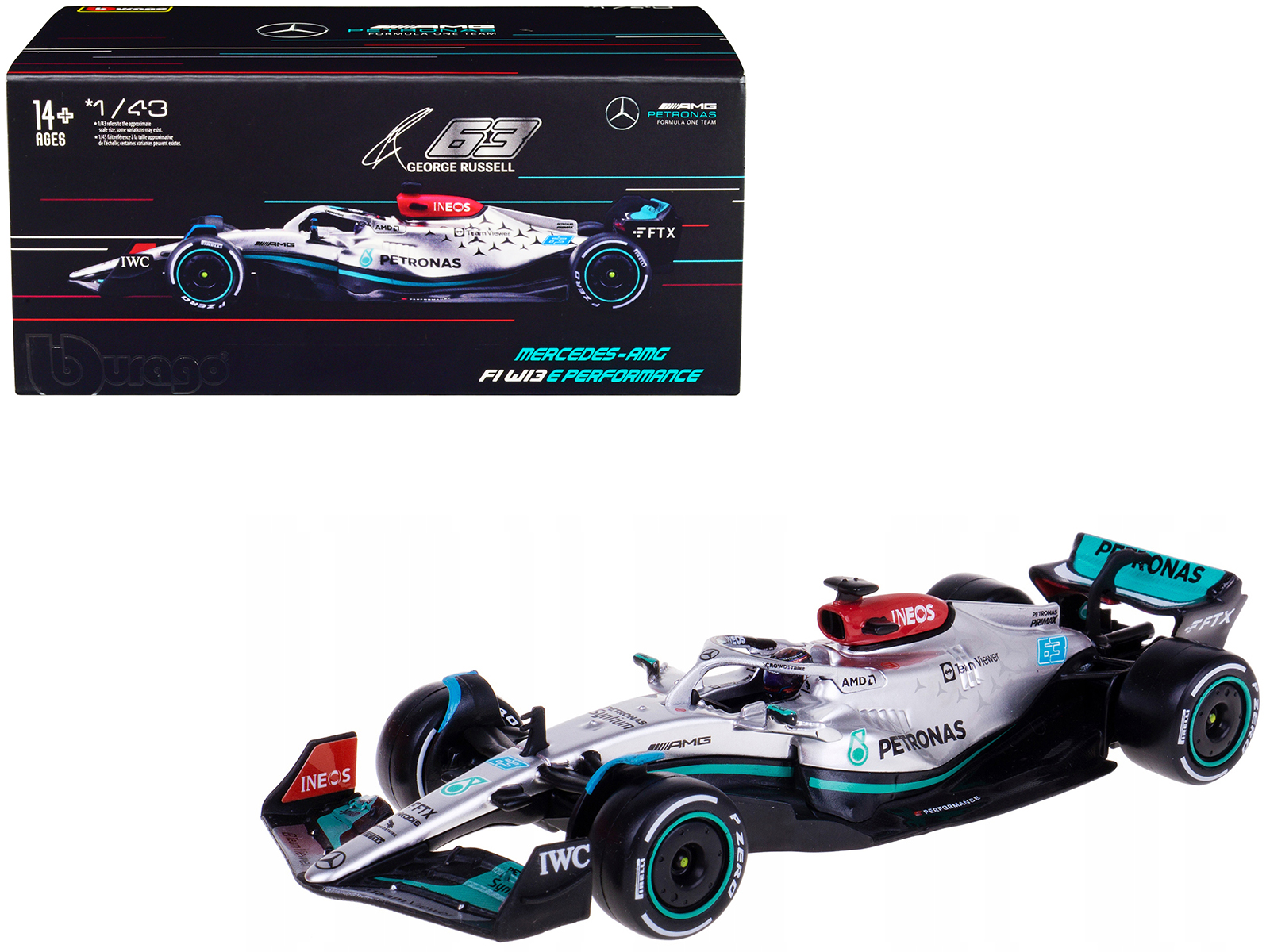
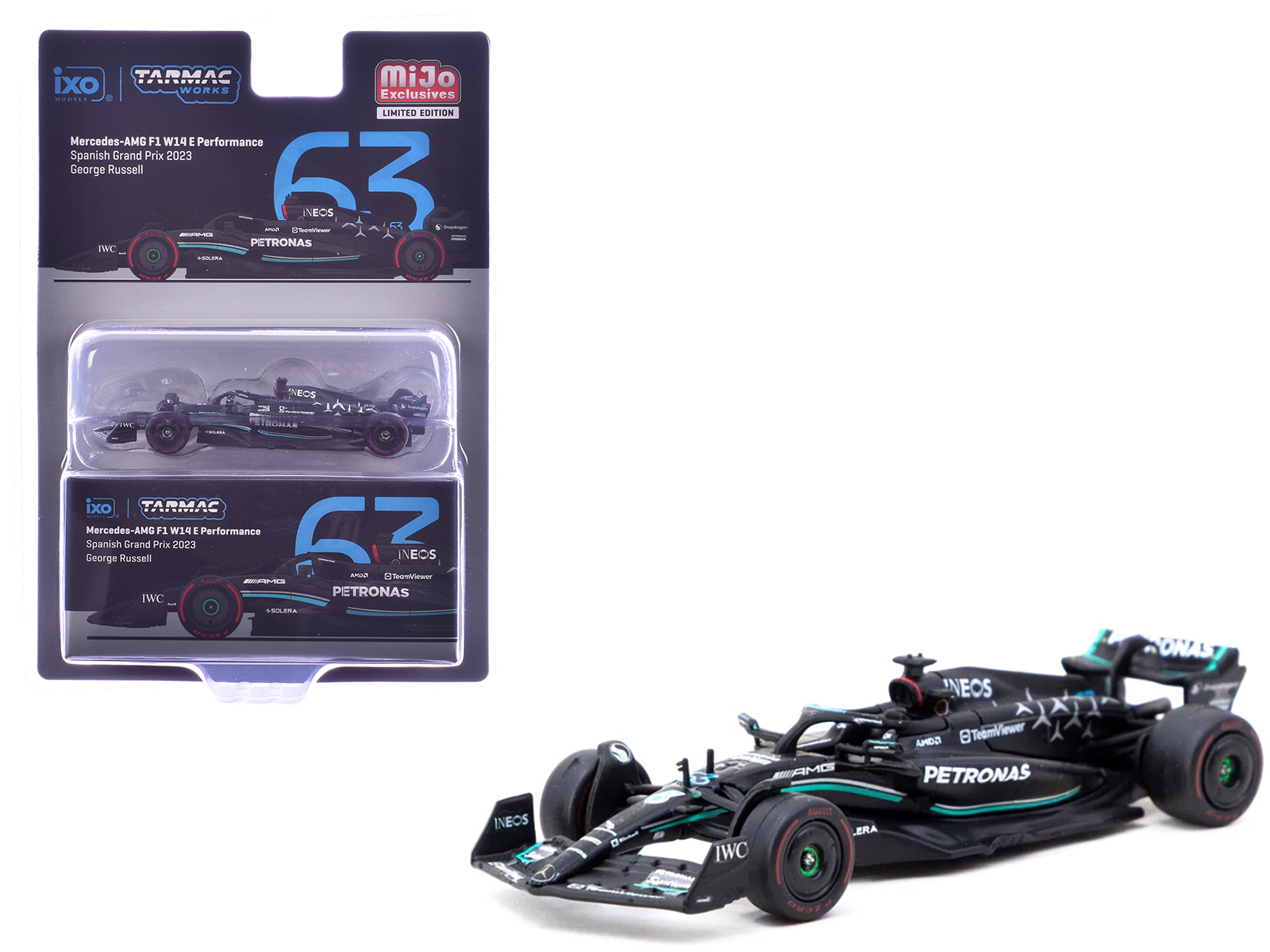
George Russell
Fourth in FP1, completing a top four split among the sport’s grid-leading teams.
Kimi Antonelli
All eyes remain on Mercedes’ young championship leader, who has a mathematical opportunity to secure his maiden drivers’ world title this weekend. He finished the opening session in fifth place.
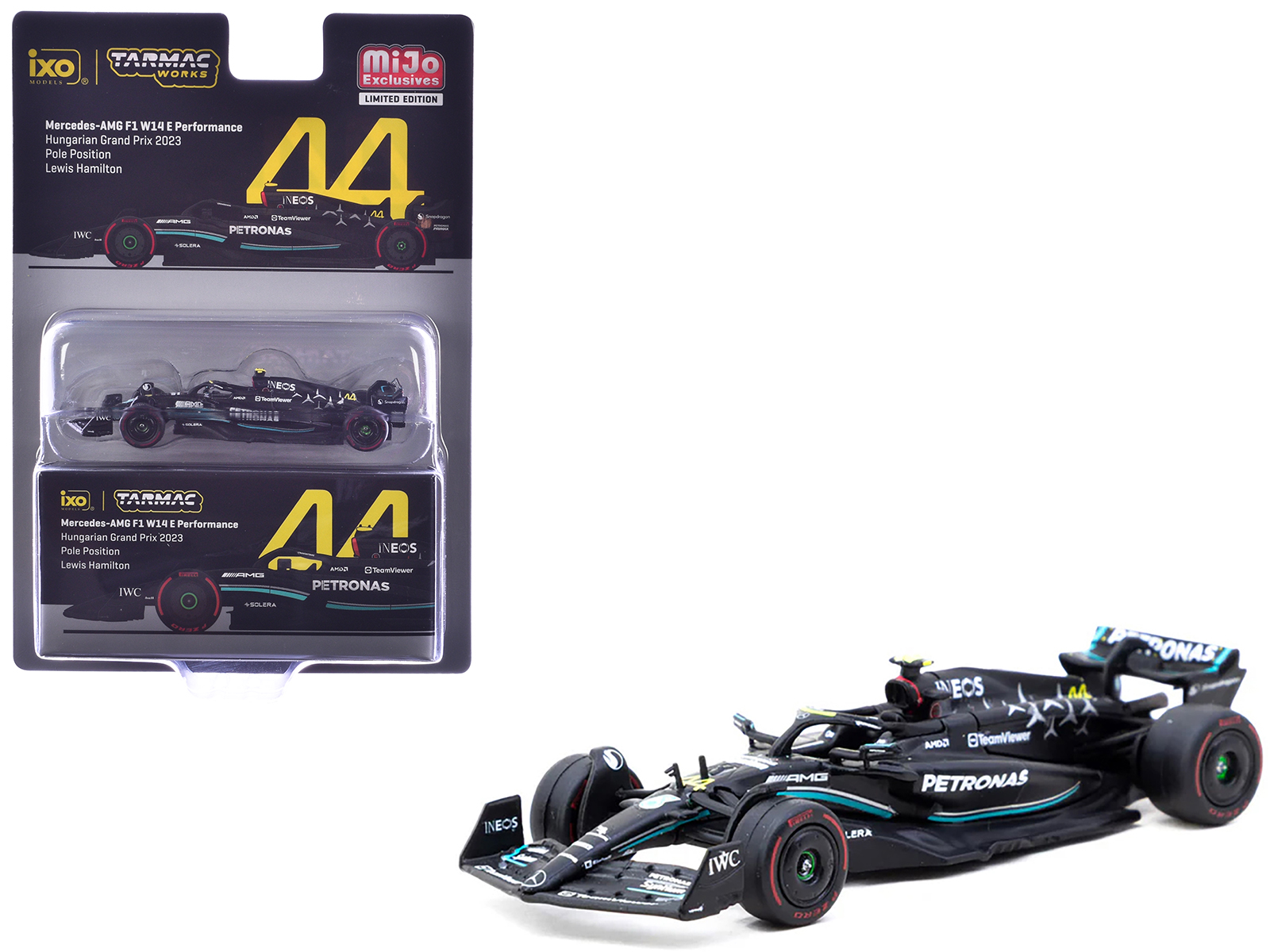
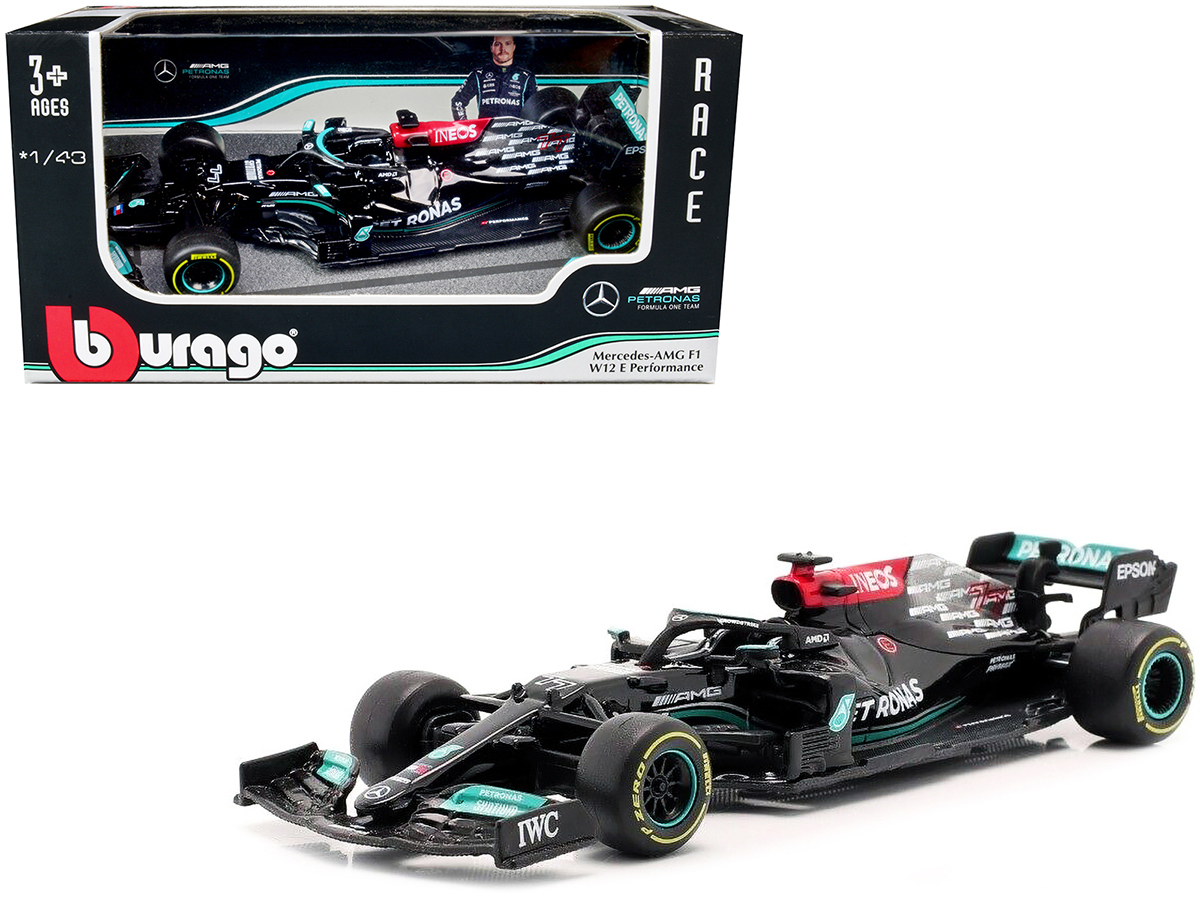
More From the F1 Shop
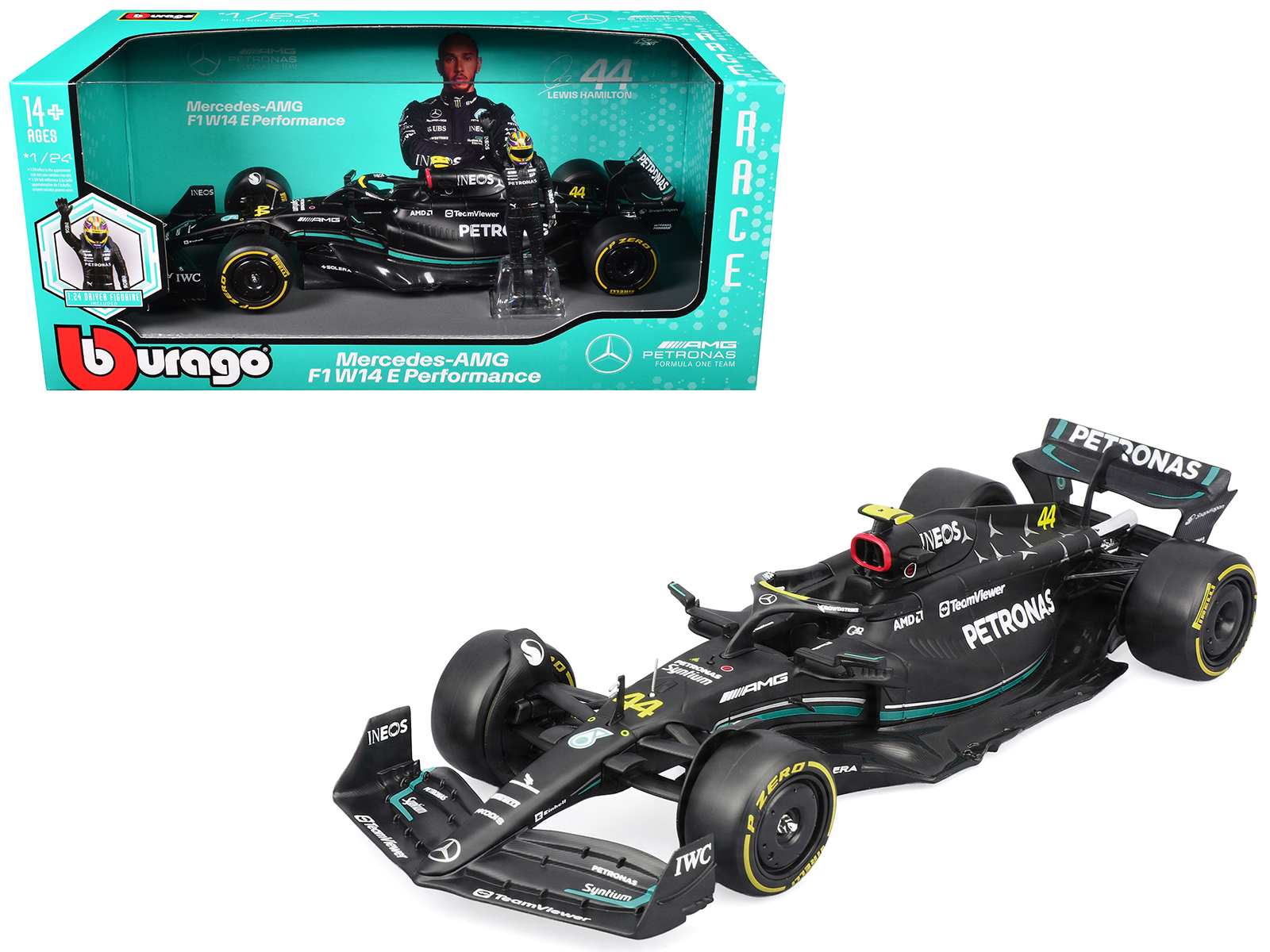
 Mercedes-AMG W14 E Performance #44 Lewis Hamilton1/24 diecast · BburagoFrom $48.48
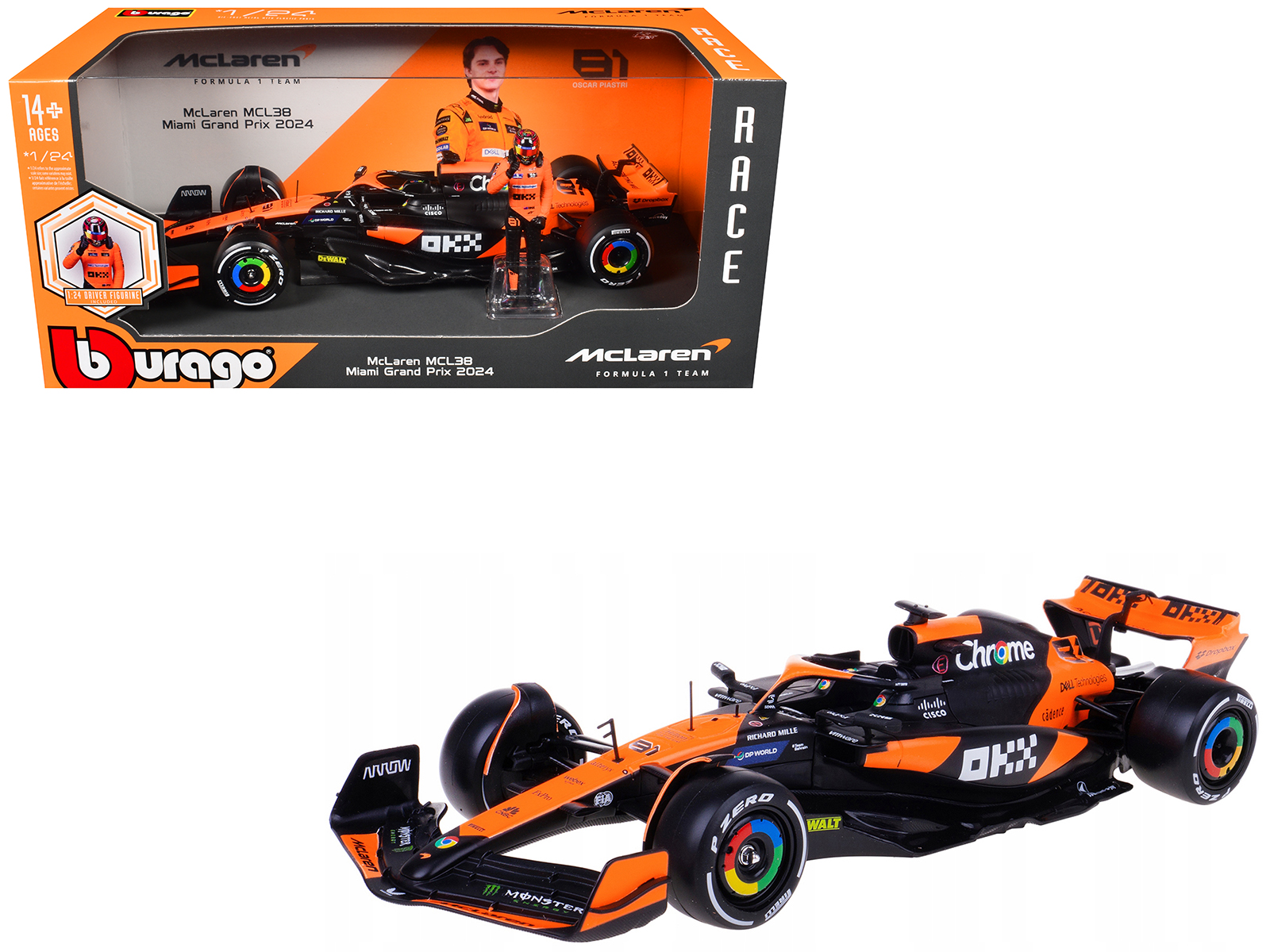 McLaren MCL38 #81 Oscar PiastriMiami GP 2024 · 1/24 diecast · BburagoFrom $46.66
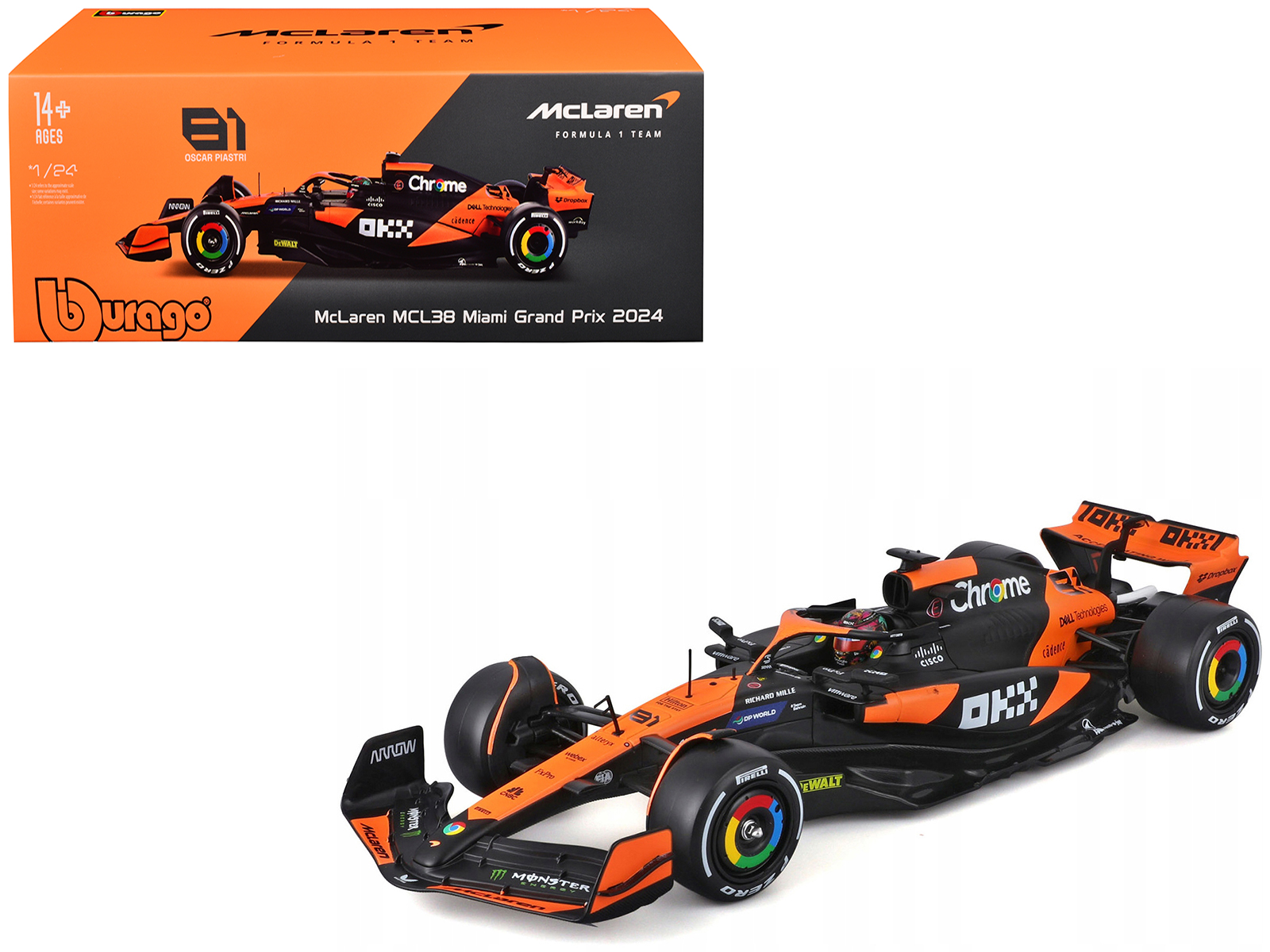 McLaren MCL38 #81 Oscar PiastriMiami GP 2024 · 1/24 diecast · BburagoFrom $48.48
 McLaren M23 #12 Jochen Mass1/87 diecast · BrekinaFrom $33.01
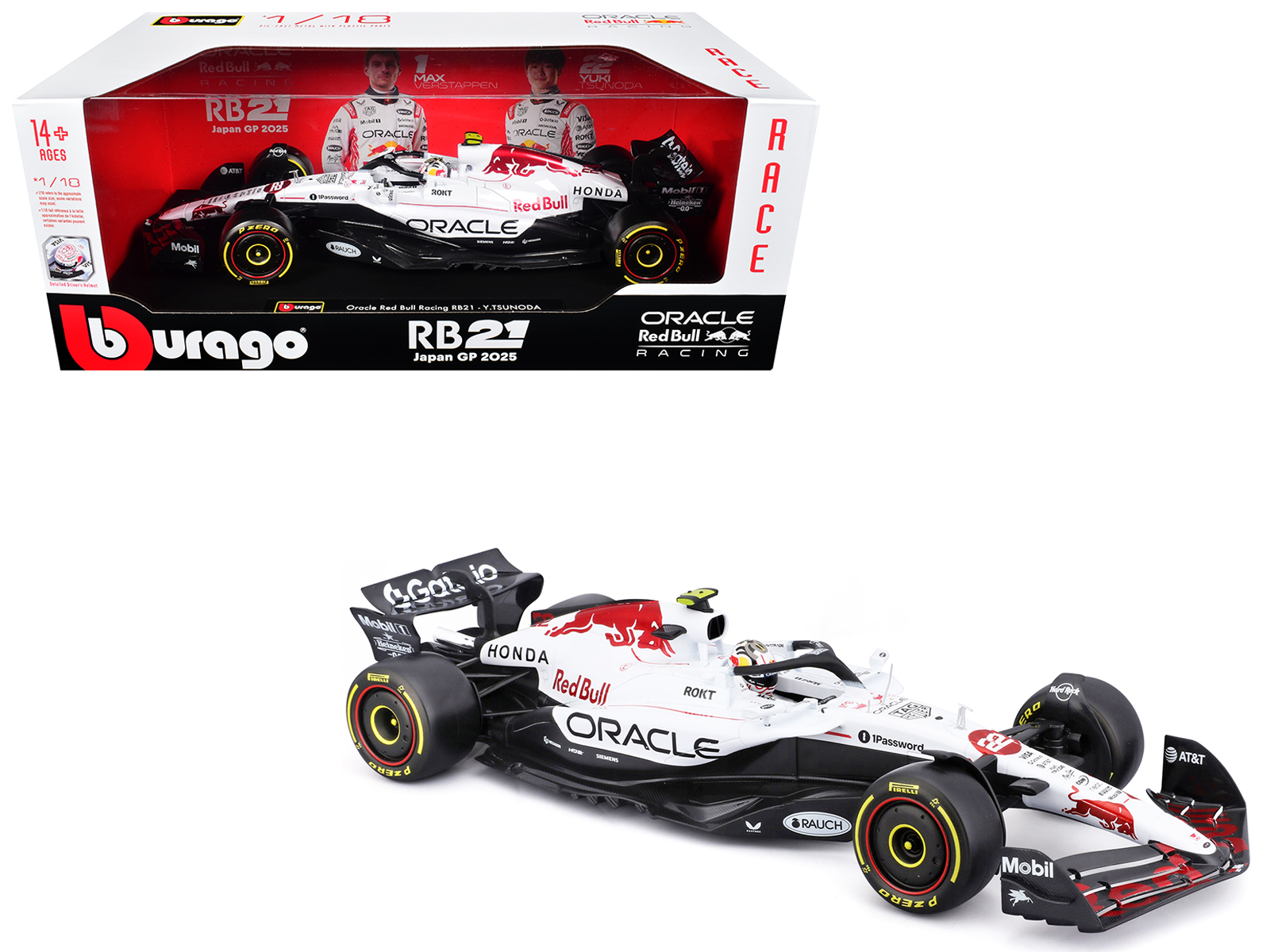 Red Bull Racing RB21 #22 Yuki TsunodaJapanese GP 2025 · 1/18 diecast · BburagoFrom $88.39
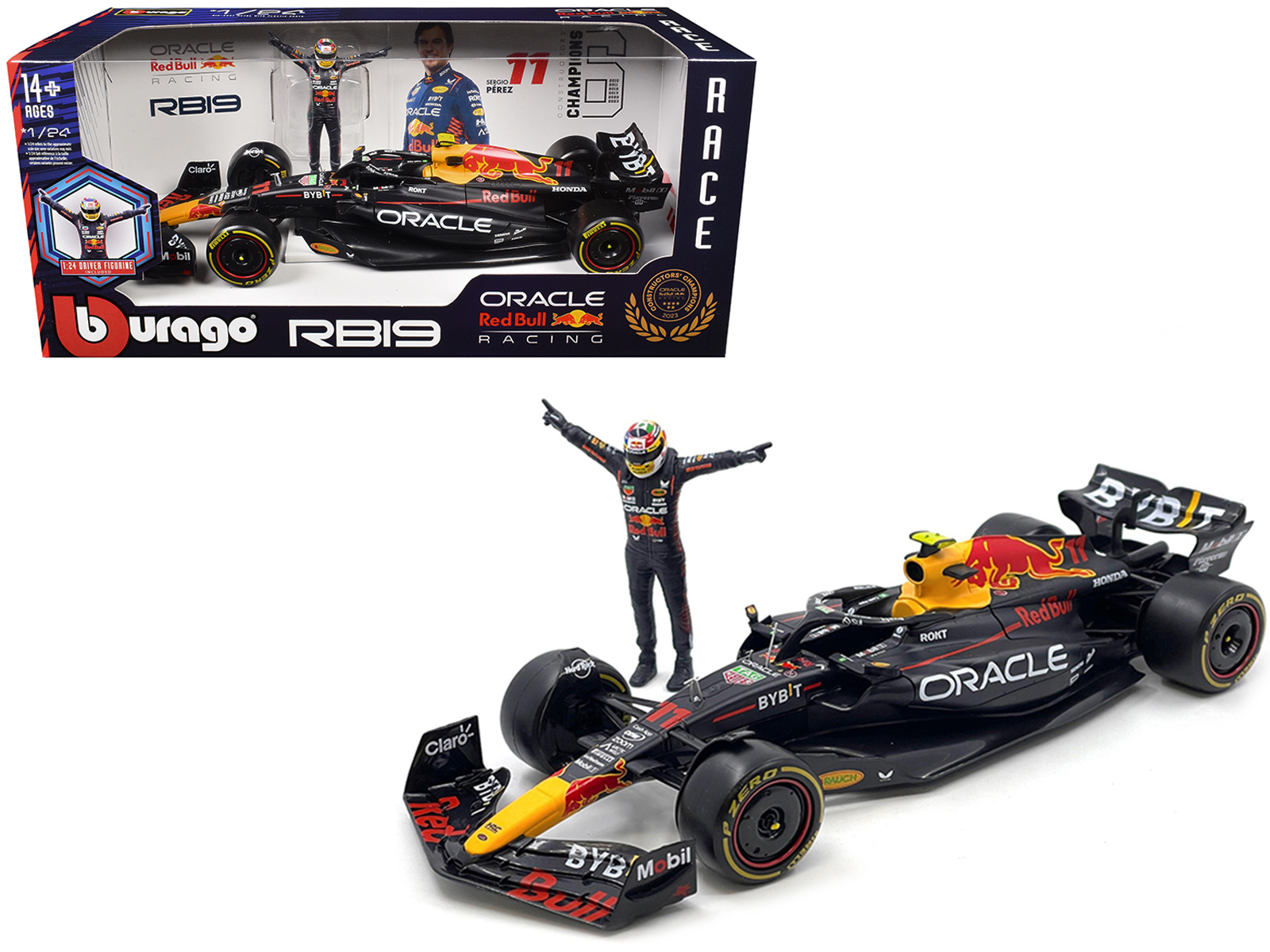 Red Bull Racing RB19 #11 Sergio Perez1/24 diecast · BburagoFrom $46.66
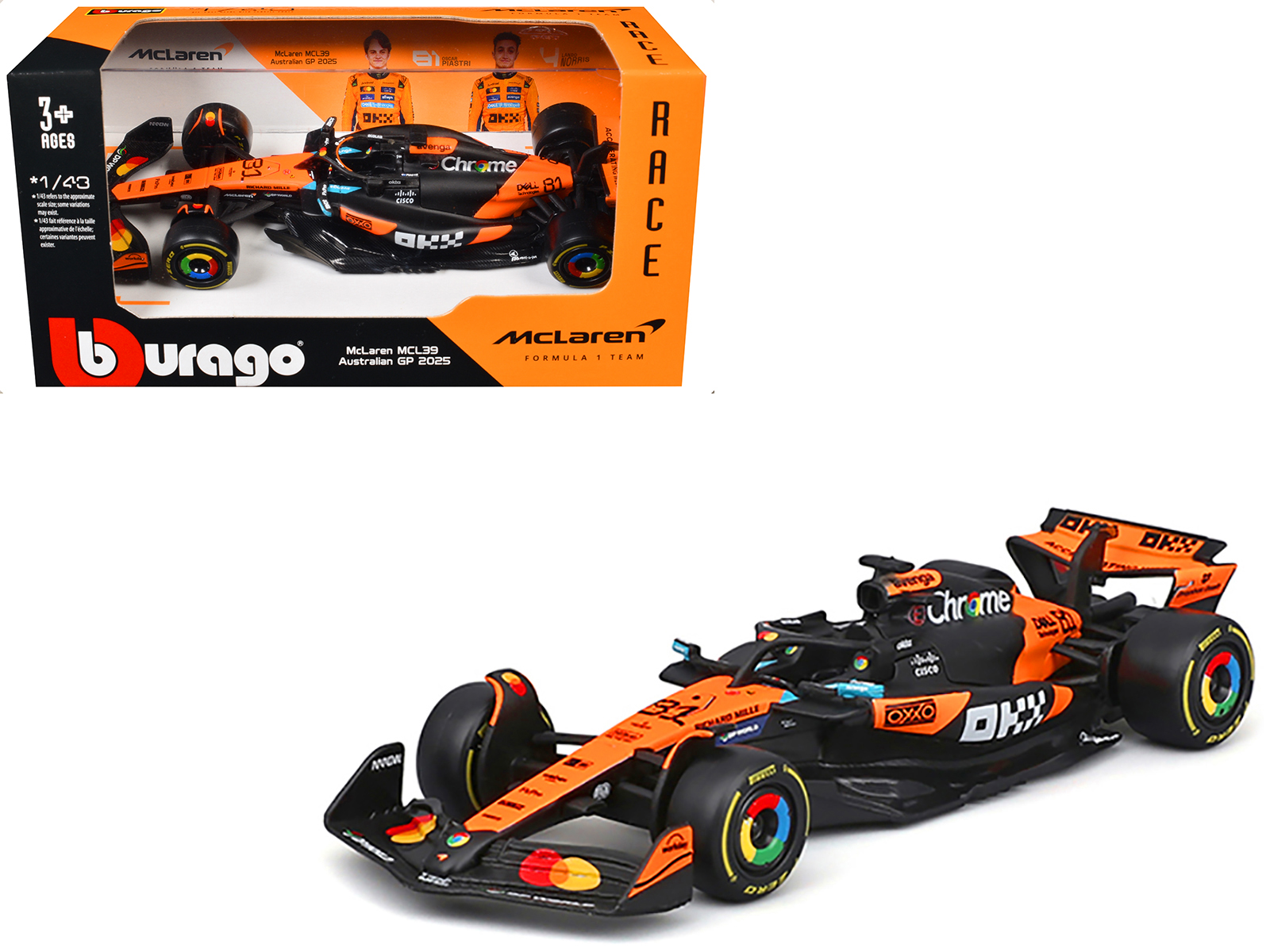 McLaren MCL39 #81 Oscar PiastriAustralian GP 2025 · 1/43 diecast · BburagoFrom $17.86
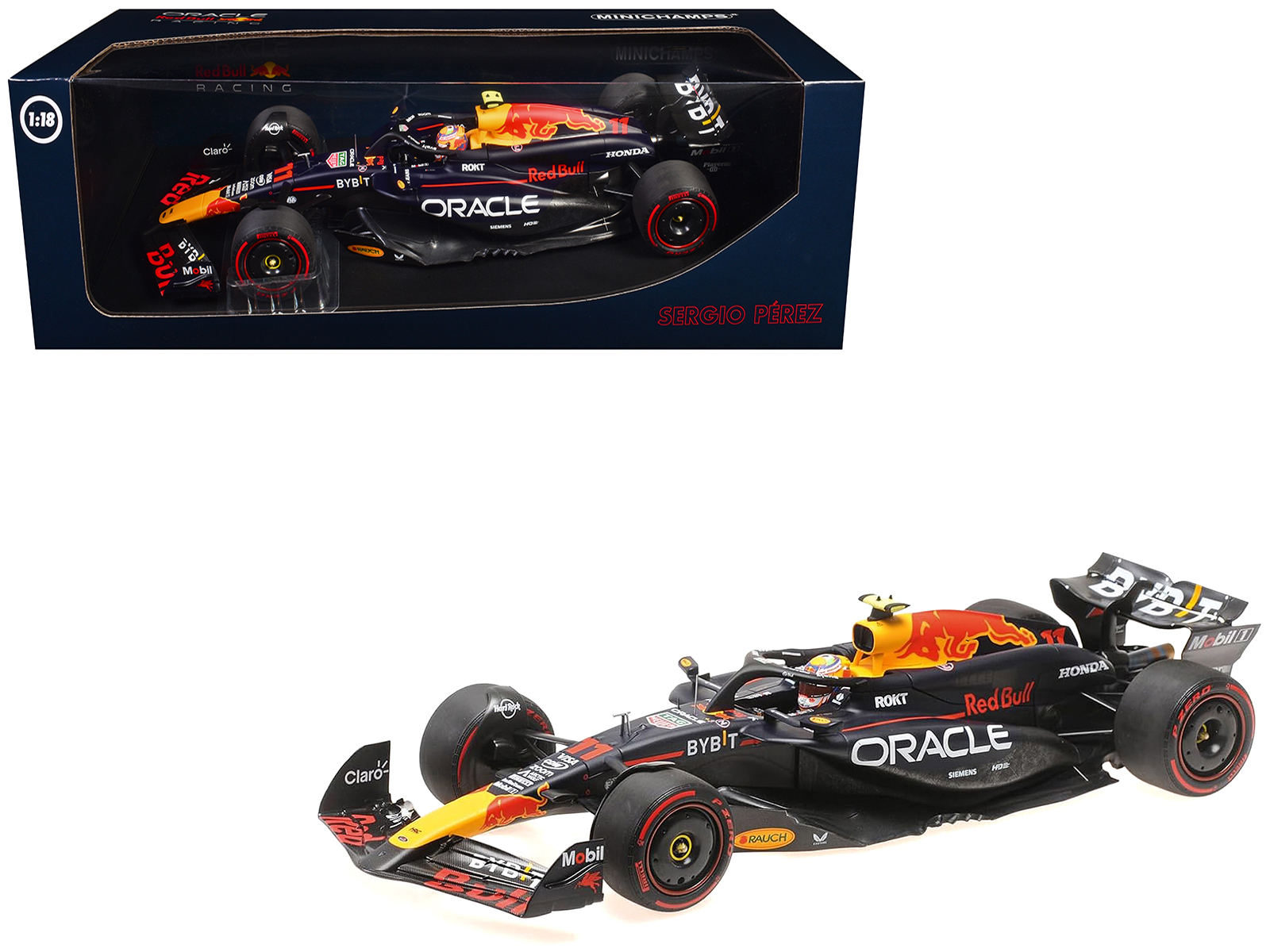 Red Bull Racing RB20 #11 Sergio PerezBahrain GP 2024 · 1/18 diecast · MinichampsFrom $258.69
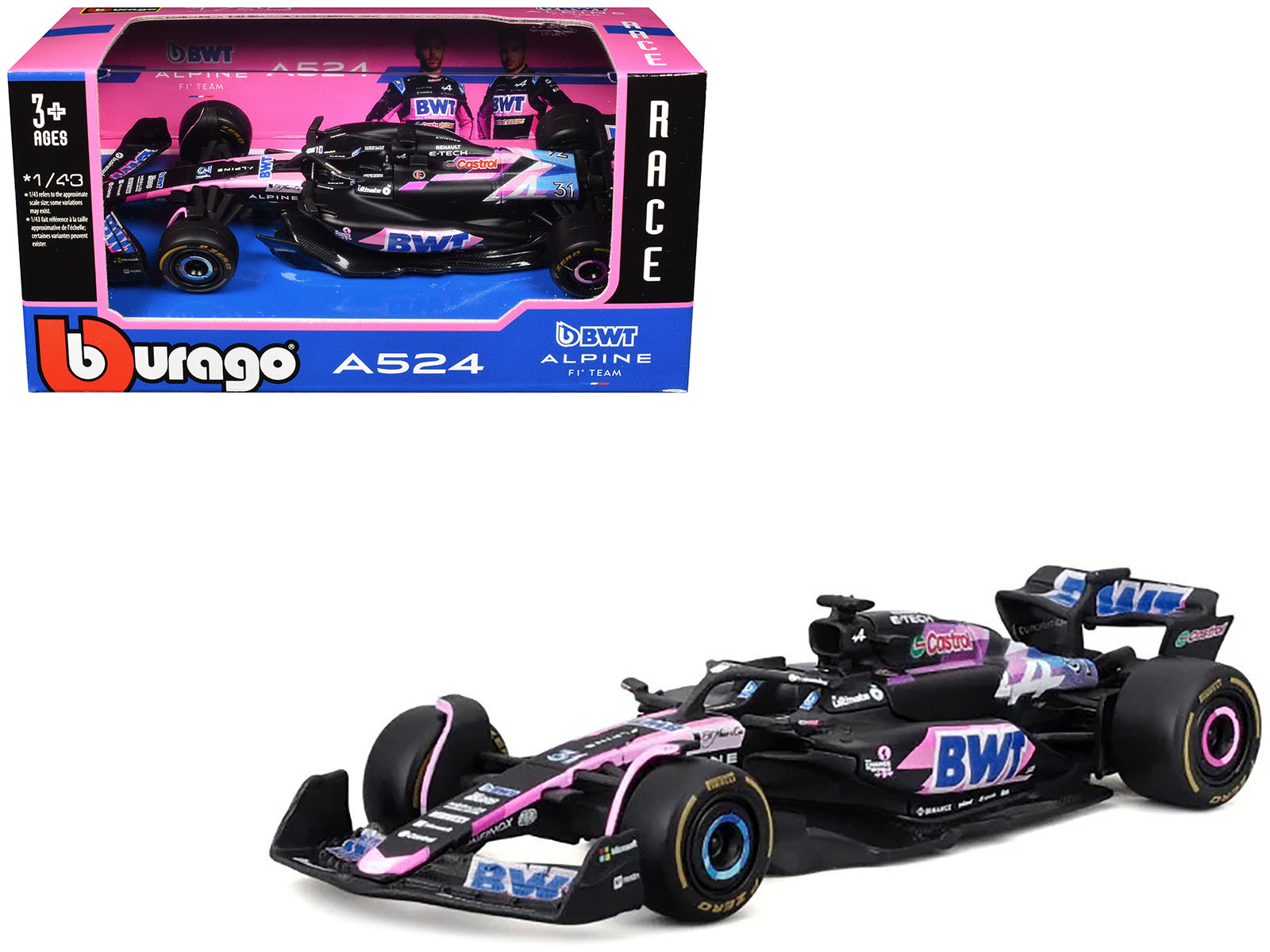 Alpine A524 #31 Esteban Ocon1/43 diecast · BburagoFrom $19.23
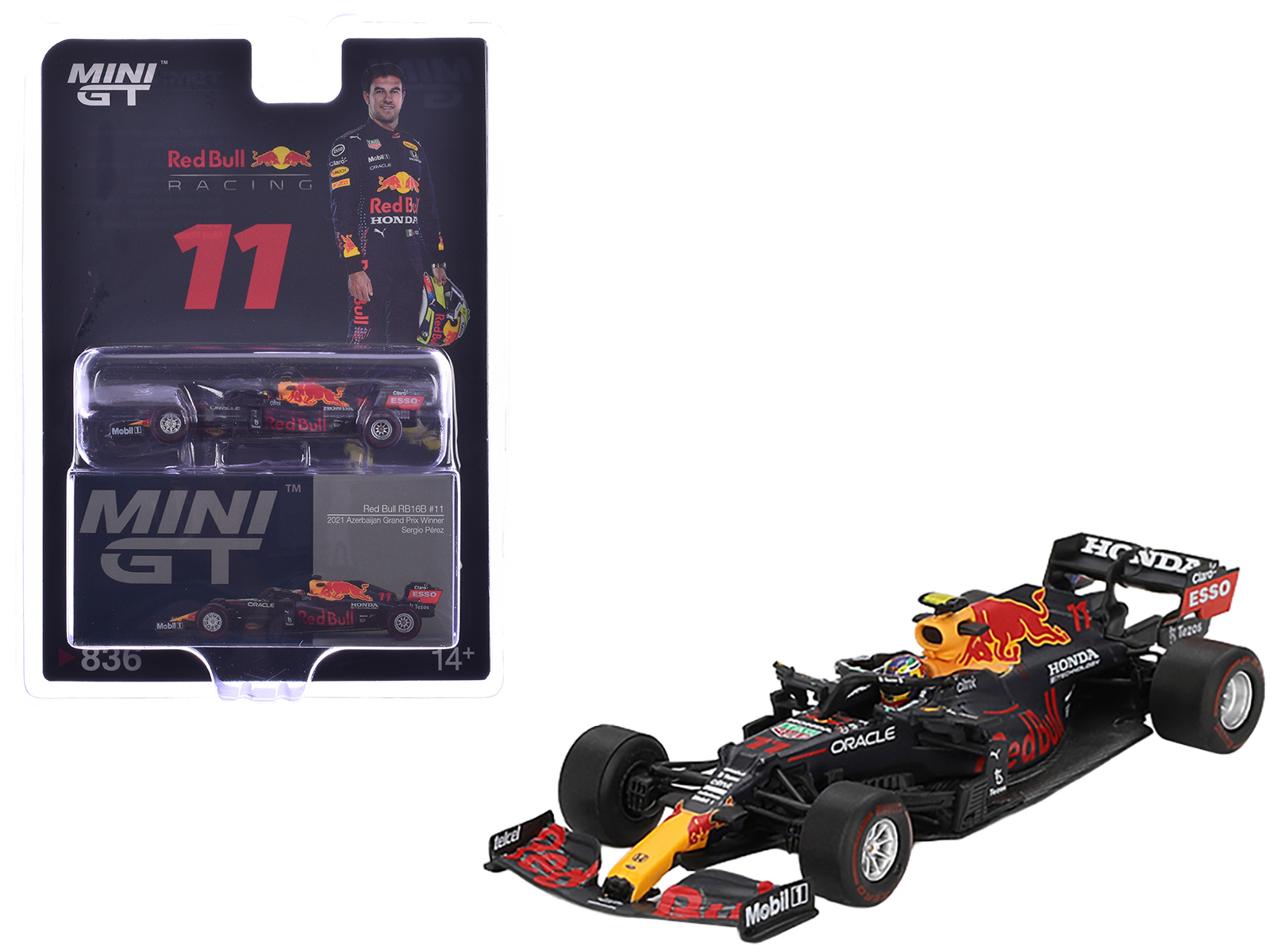 Red Bull RB16B #11 Sergio PerezAzerbaijan GP 2021 · 1/64 diecast · Mini GTFrom $22.87
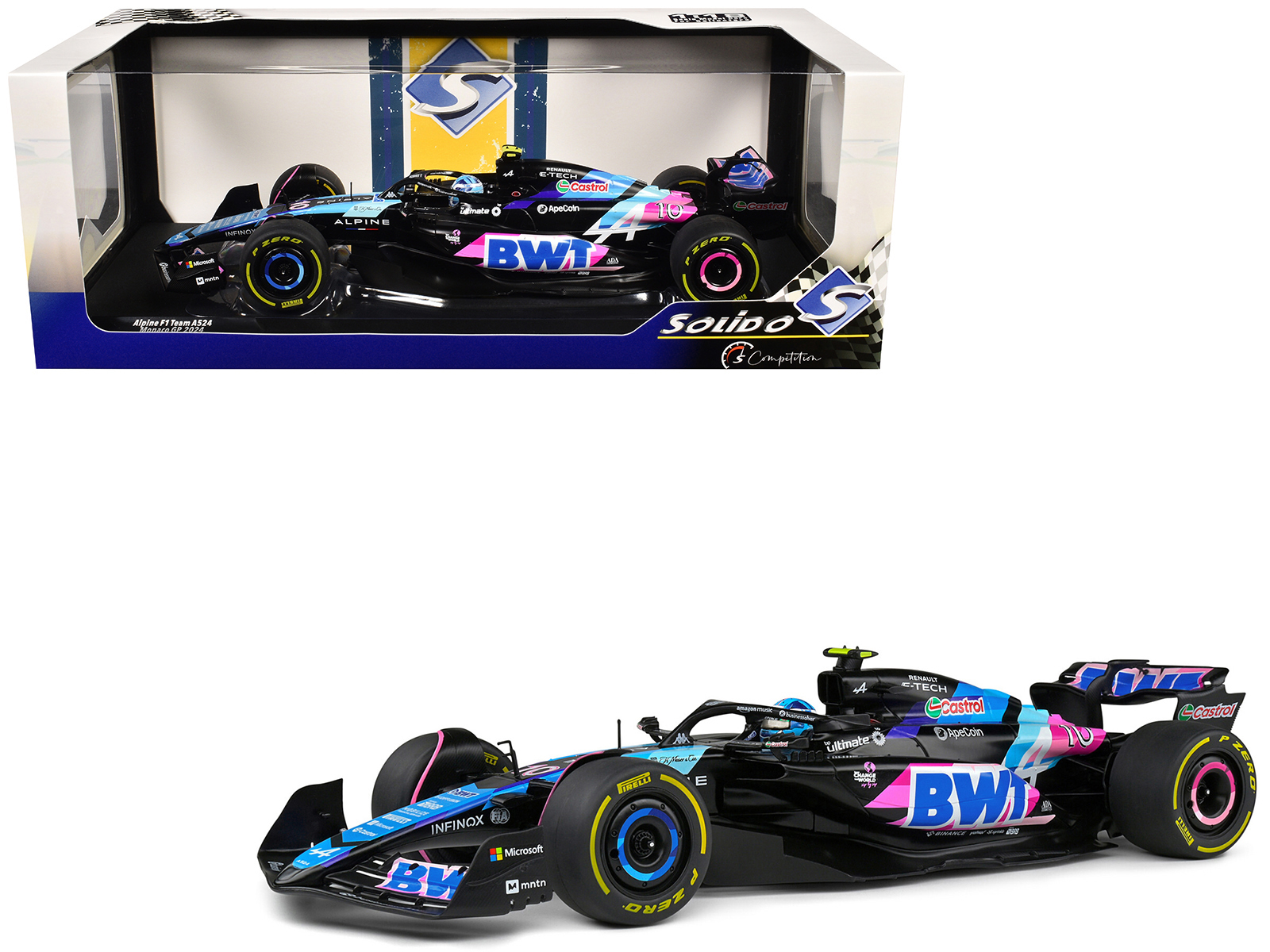 Alpine A524 #10 Pierre GaslyMonaco GP 2024 · 1/18 diecast · SolidoFrom $74.74
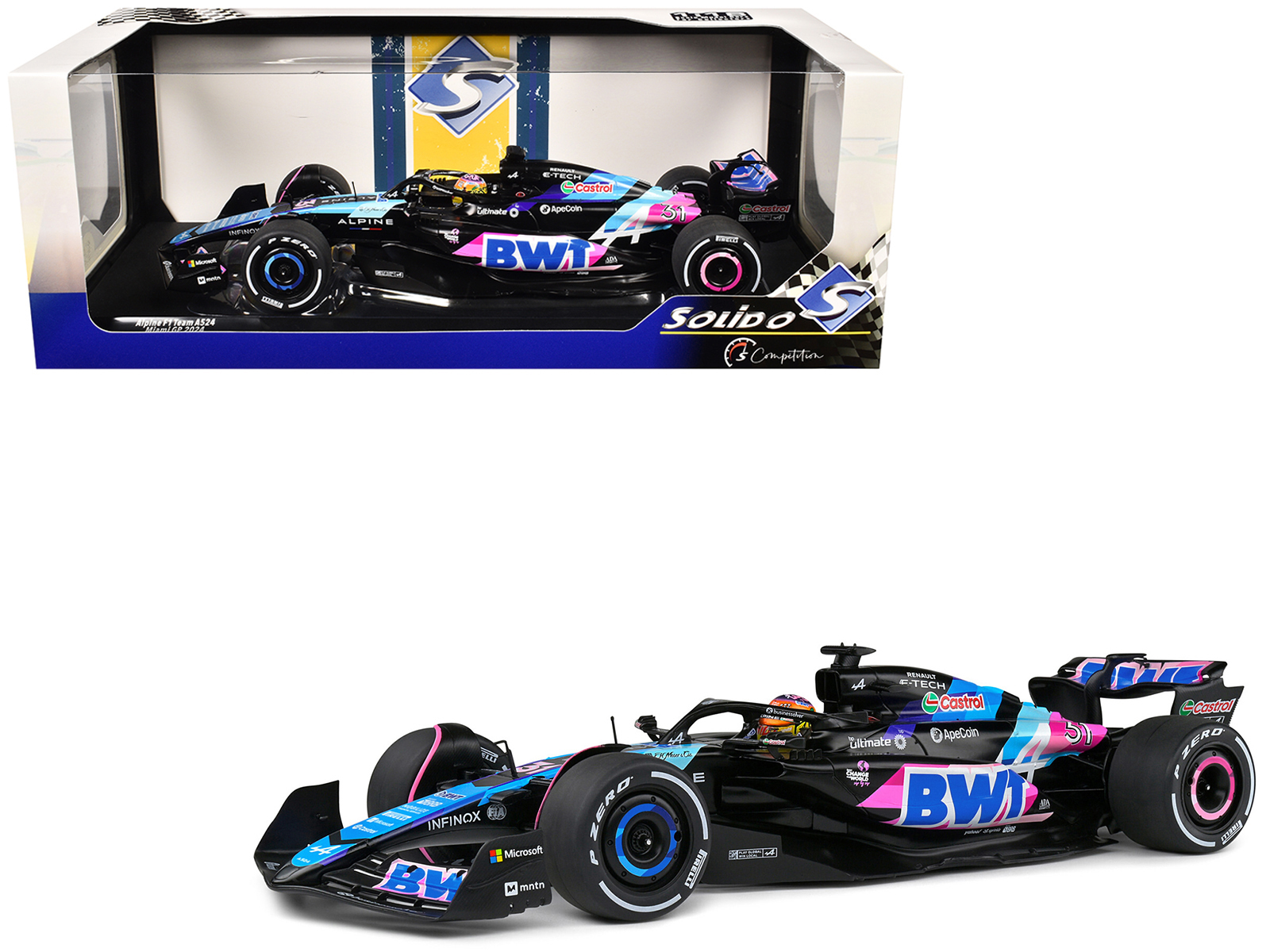 Alpine A524 #31 Esteban OconMiami GP 2024 · 1/18 diecast · SolidoFrom $74.74
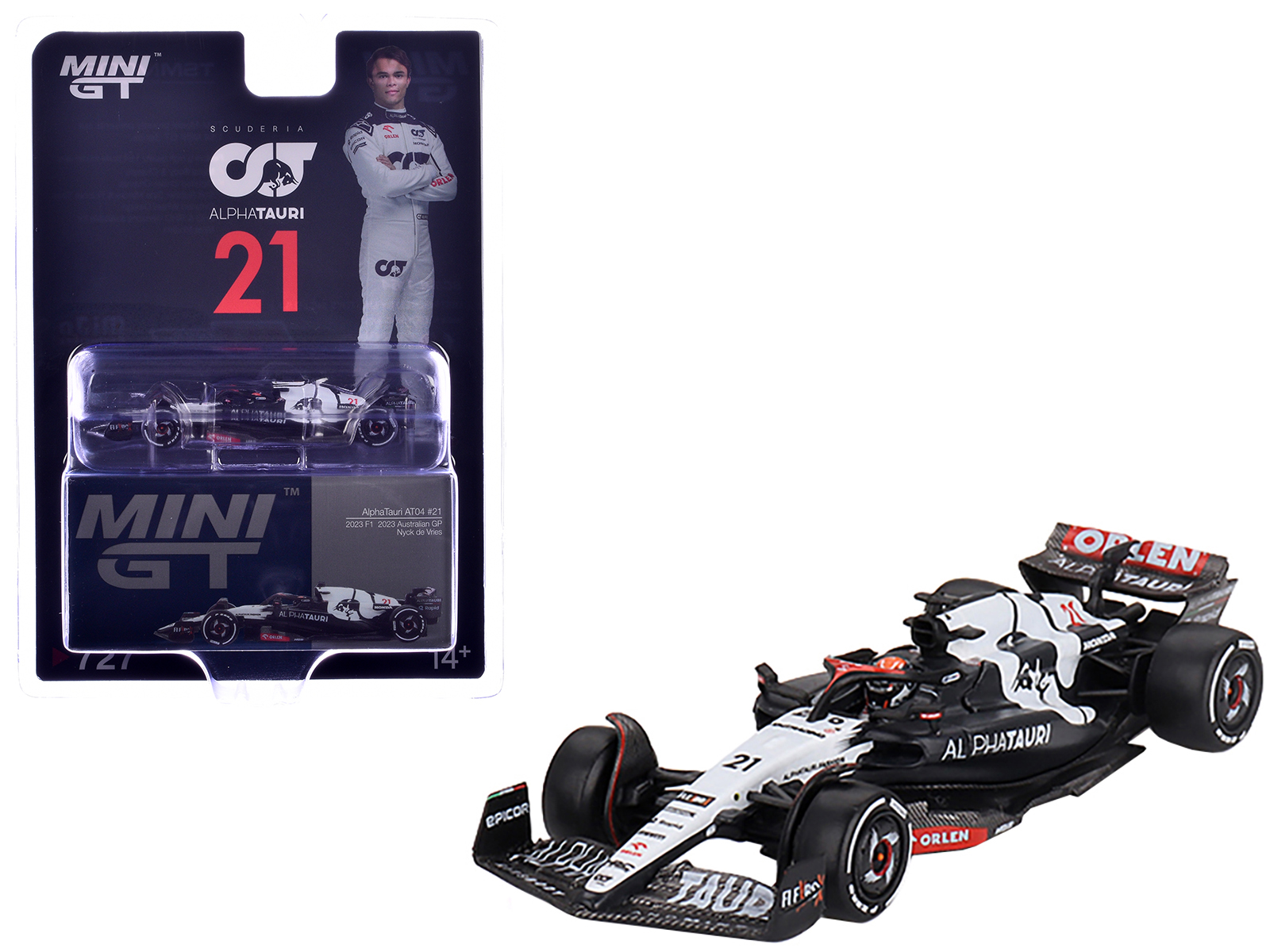 AlphaTauri AT04 #21 Nyck de VriesAustralian GP 2023 · 1/64 diecast · Mini GTFrom $24.69
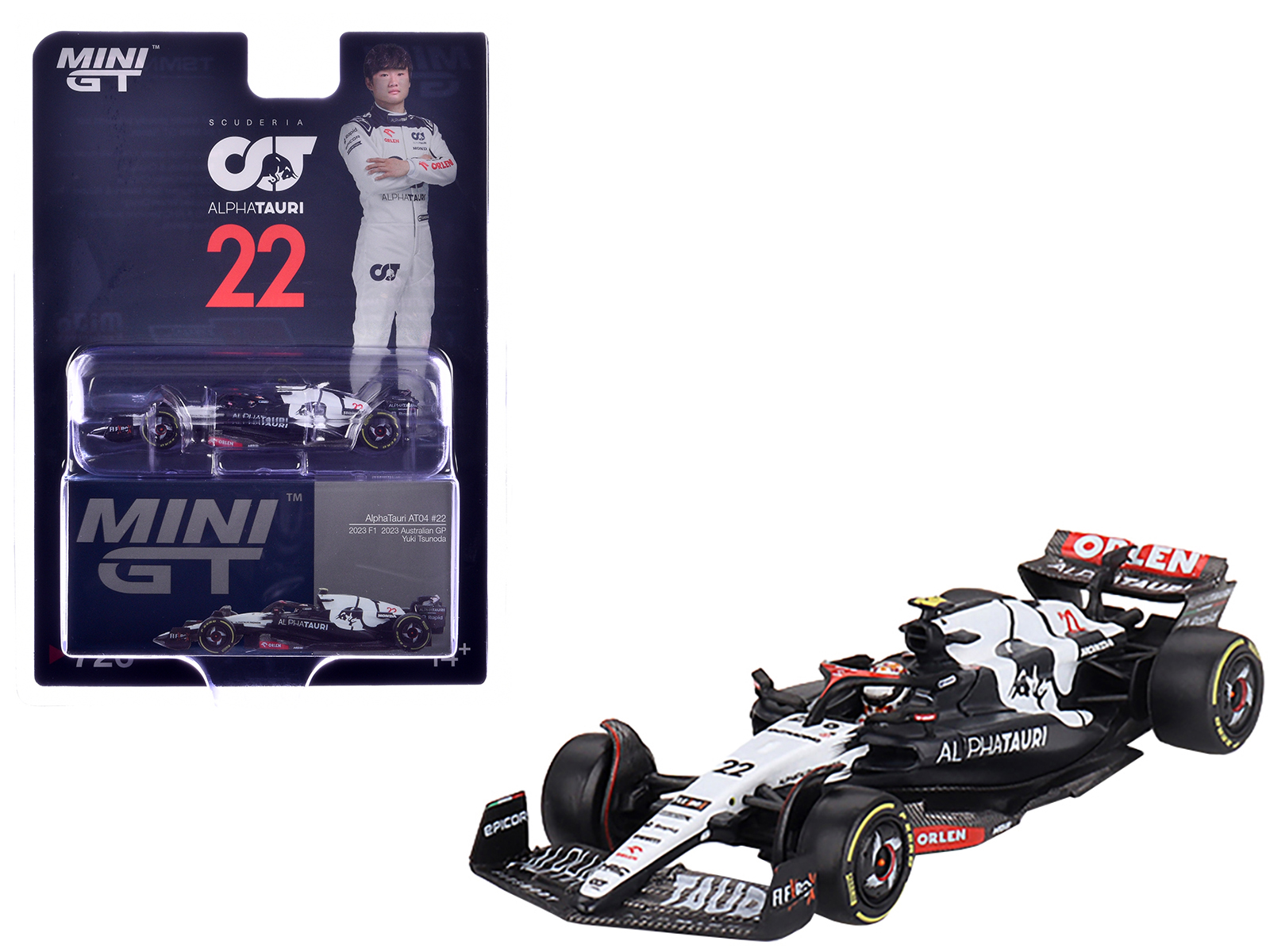 AlphaTauri AT04 #22 Yuki TsunodaAustralian GP 2023 · 1/64 diecast · Mini GTFrom $22.87
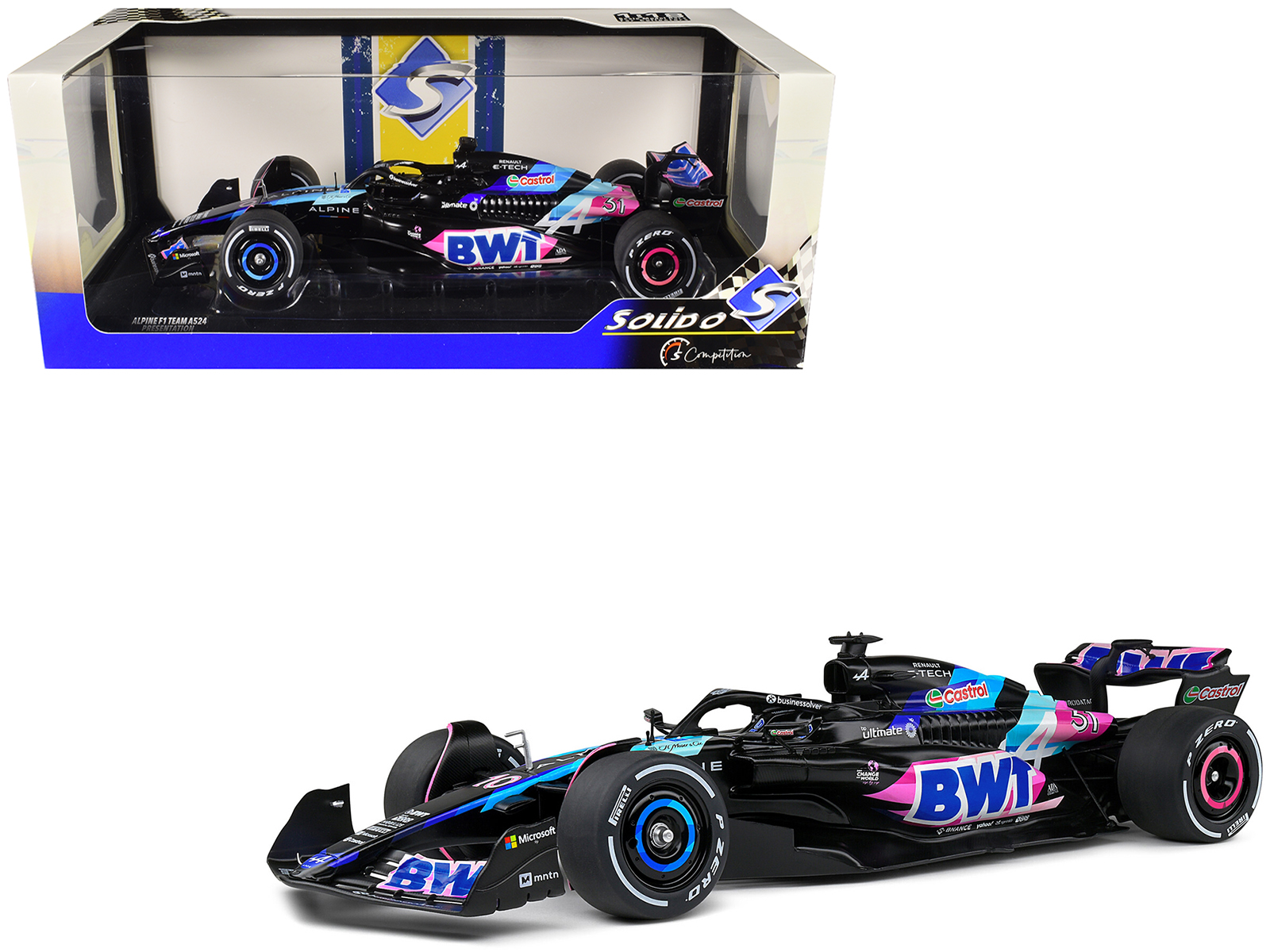 Alpine A5241/18 diecast · SolidoFrom $87.09
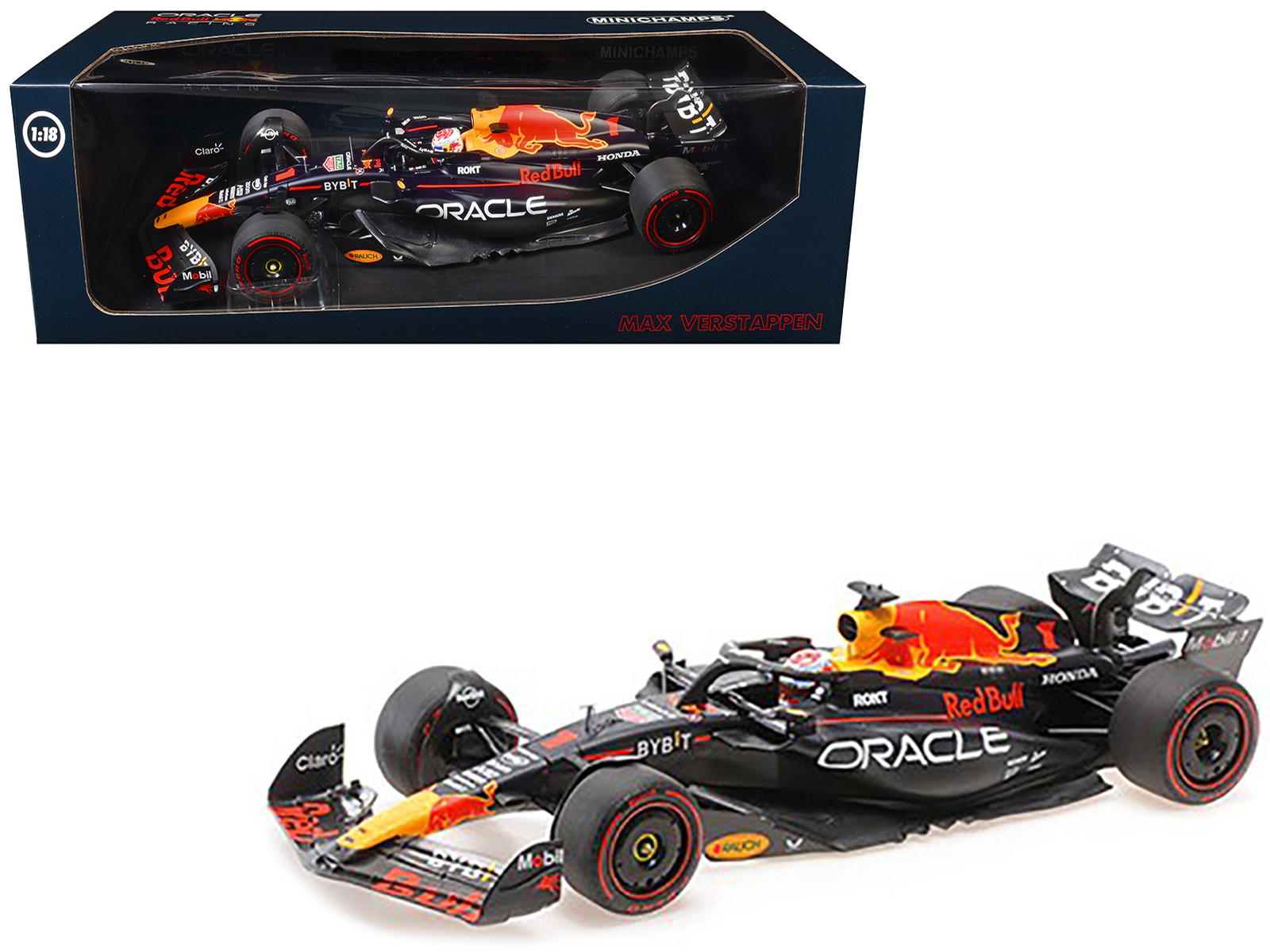 Red Bull Racing RB19 #1 Max VerstappenRace Qatar GP 2023 · 1/18 diecast · MinichampsFrom $236.59
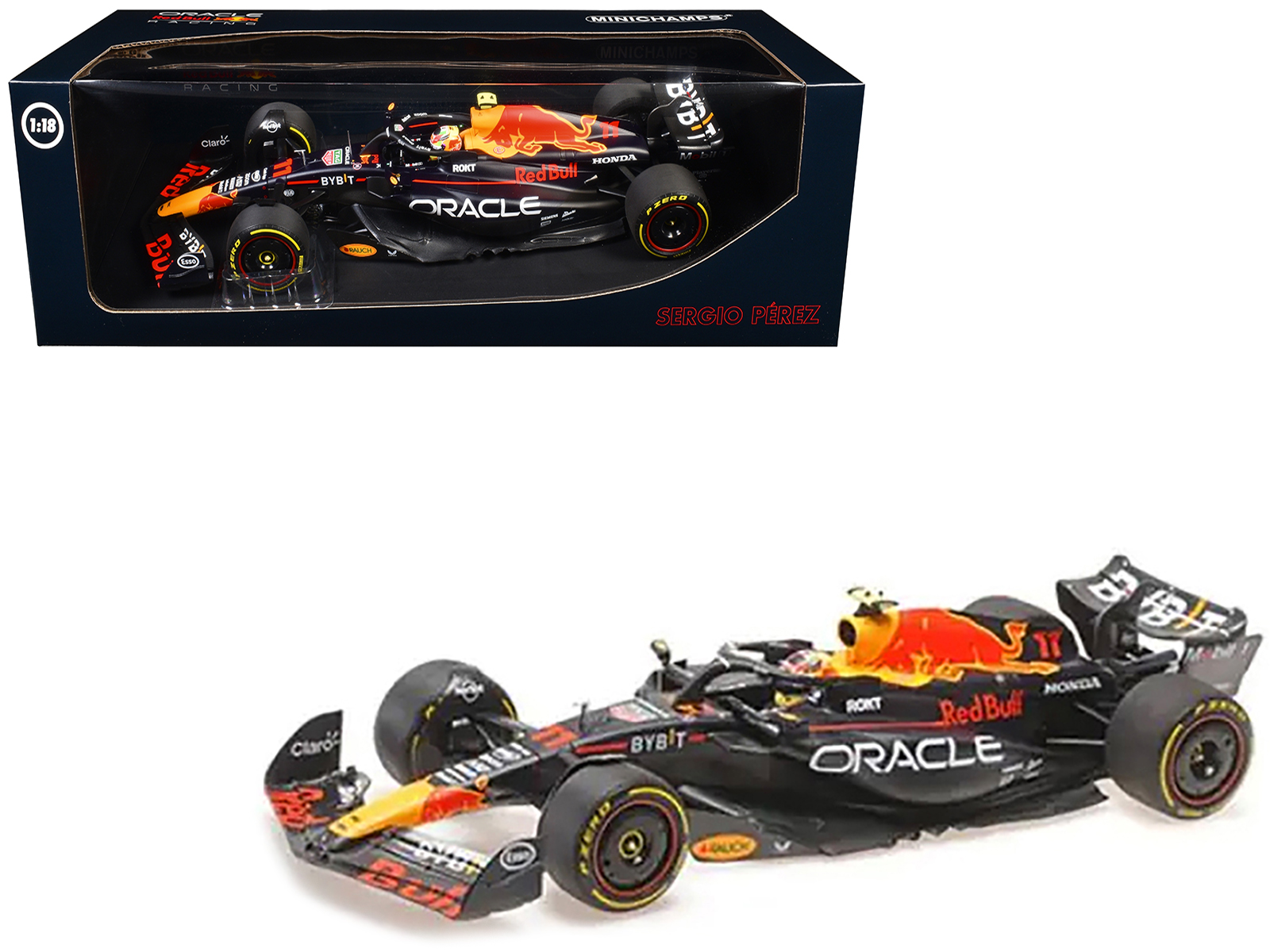 Red Bull Racing RB19 #11 Sergio PerezItalian GP 2023 · 1/18 diecast · MinichampsFrom $236.59
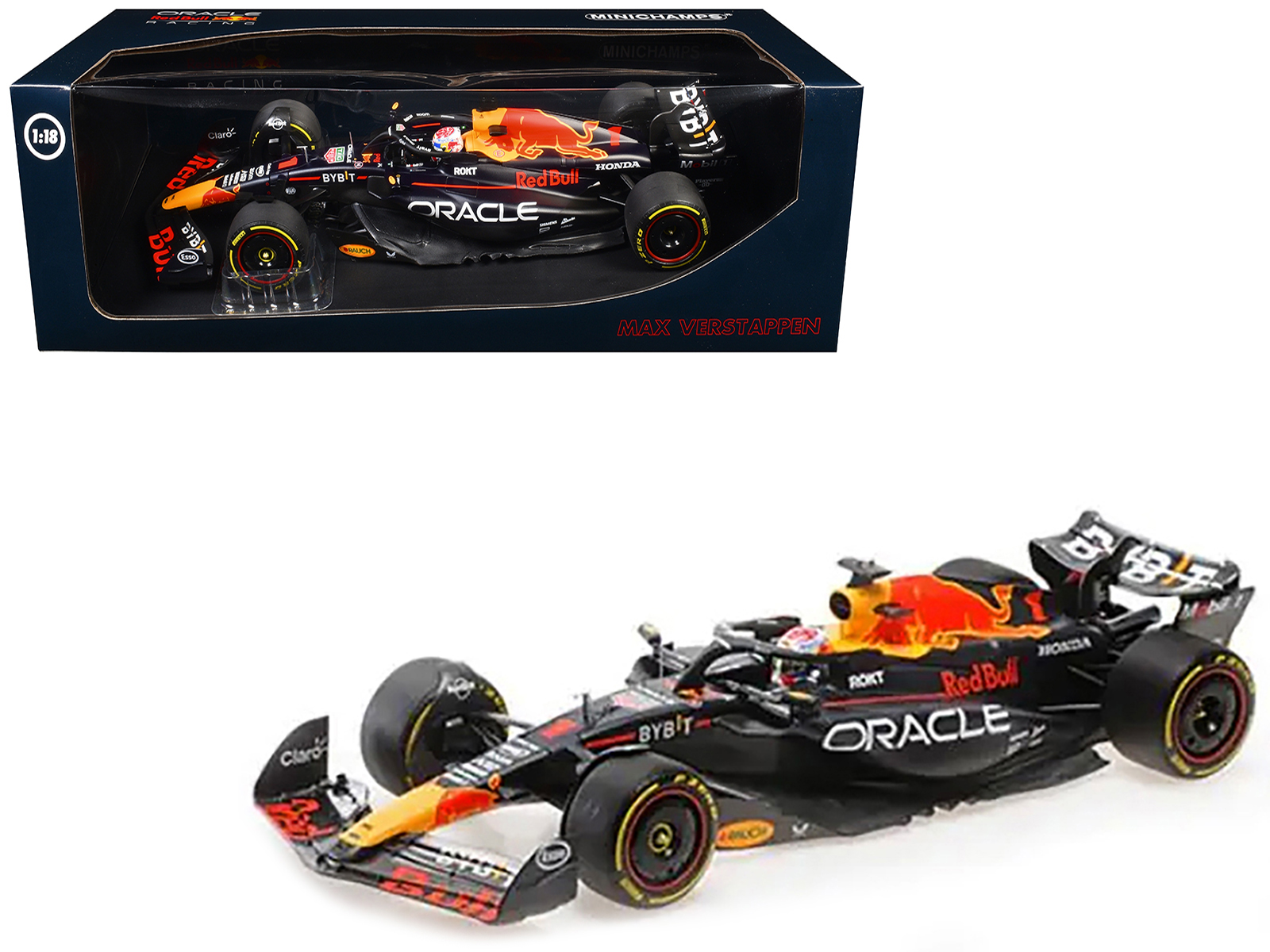 Red Bull Racing RB19 #1 Max VerstappenItalian GP 2023 · 1/18 diecast · MinichampsFrom $236.59
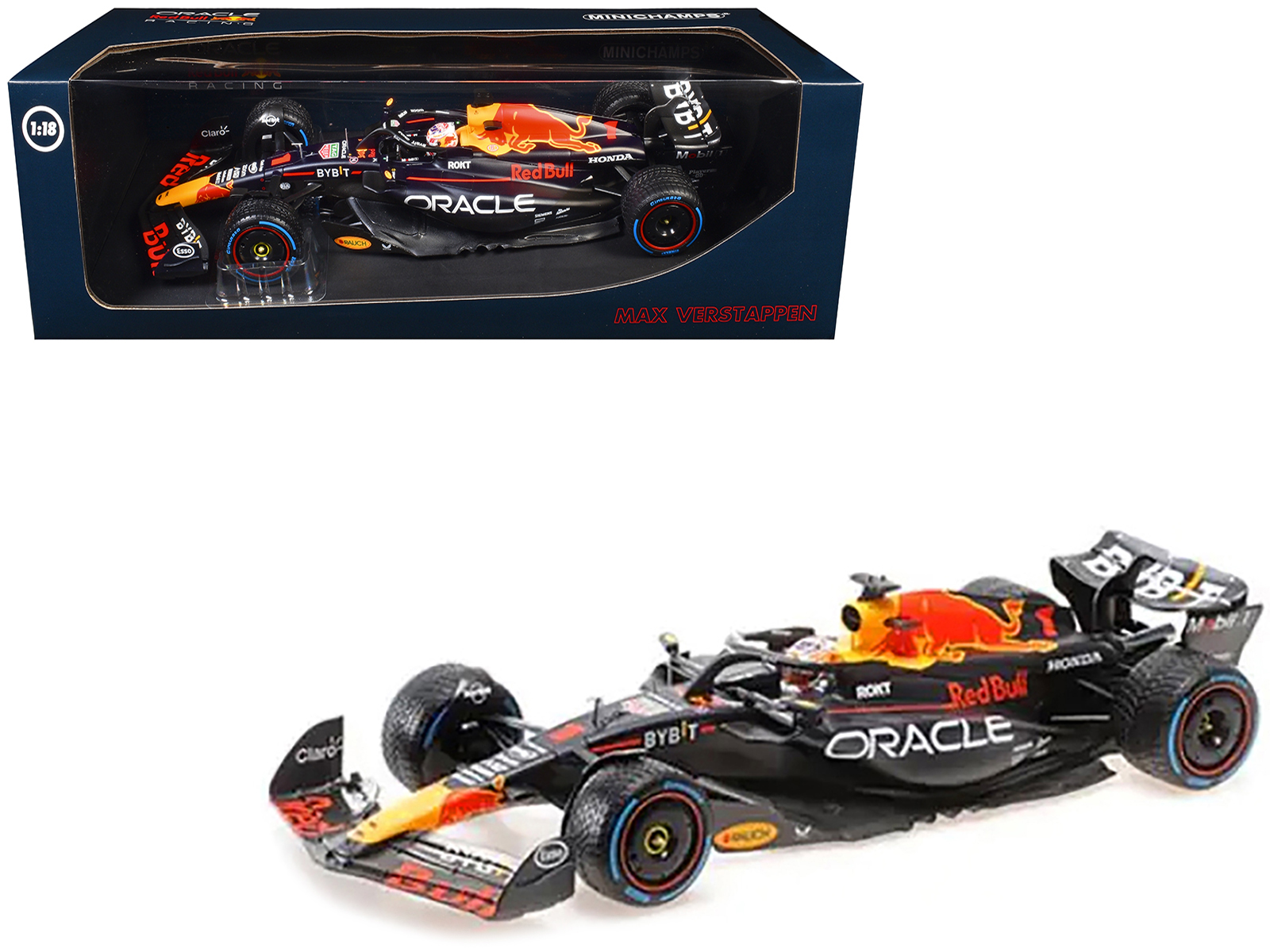 Red Bull Racing RB19 #1 Max VerstappenDutch GP 2023 · 1/18 diecast · MinichampsFrom $236.59
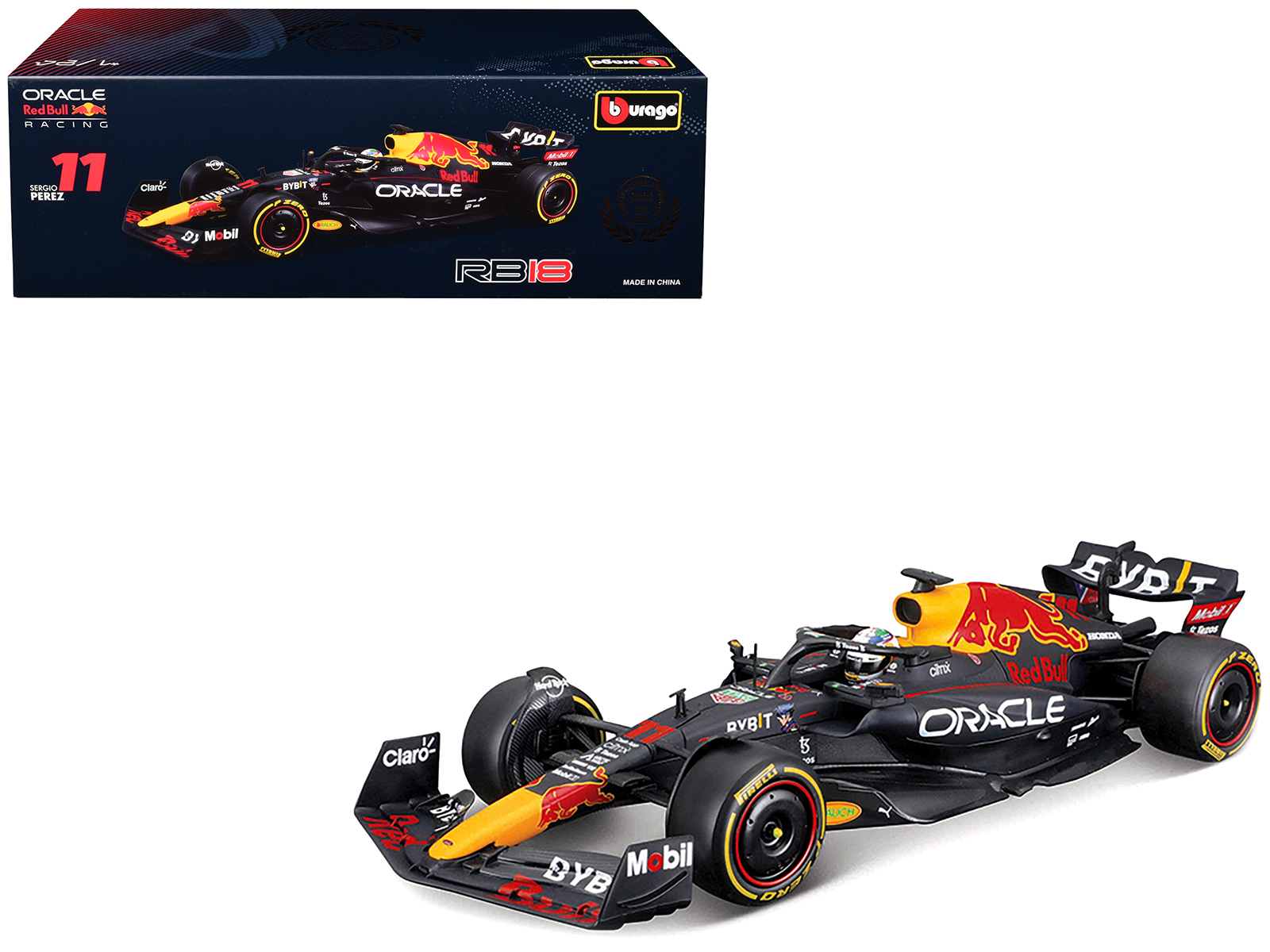 Red Bull Racing RB18 #11 Sergio Perez1/24 diecast · BburagoFrom $44.84
 Red Bull Racing RB19 #11 Sergio Perez1/18 diecast · BburagoFrom $83.84
Own a Piece of the Grid
Diecast model cars from Red Bull, McLaren, Mercedes, Alpine and more — collectible gear for every F1 fan.
Shop All Formula 1Session timings and results as reported during practice and subject to change. Prices shown are starting prices.